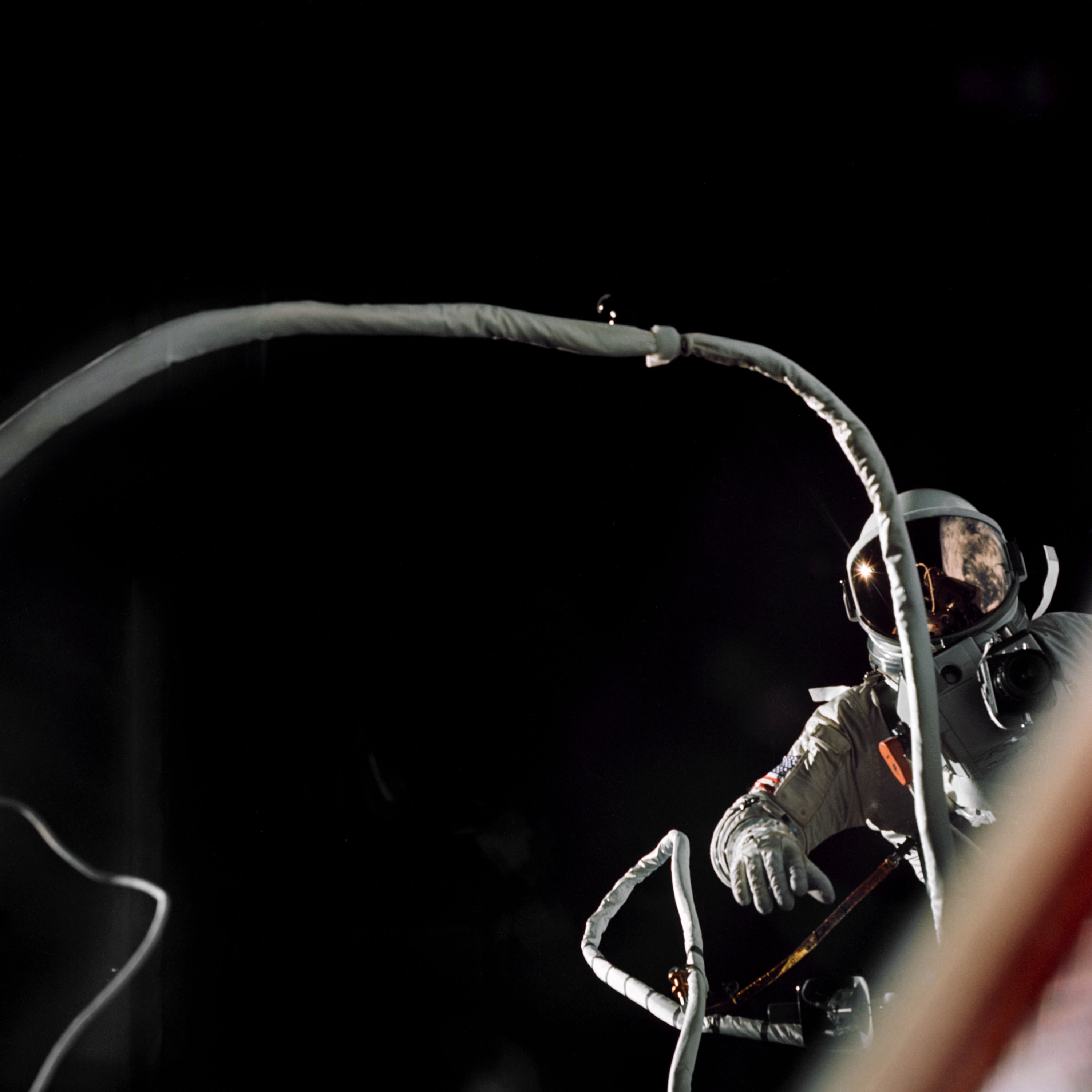
On June 5, 1966, astronaut Eugene 'Gene' Cernan stepped outside of the Gemini IX-A capsule to perform NASA's second spacewalk. This event marked a significant milestone in the United States' burgeoning crewed space exploration efforts. The spacewalk, also known as extravehicular activity (EVA), followed in the footsteps of Edward H. White's pioneering EVA during the Gemini IV mission just a year earlier.
The Gemini IX-A mission faced several challenges, not least of which was the reassignment of the EVA from the prematurely concluded Gemini VIII mission. Cernan, alongside command pilot Tom Stafford, was tasked with a demanding schedule that required extensive preparation and endurance.
Gene Cernan's EVA was intended to test new spacesuit designs and evaluate human capability in the vacuum of space. However, the mission proved far more challenging than anticipated. Cernan struggled with visibility issues due to a fogged visor and experienced discomfort from the heat of the Sun. The tasks involved in maneuvering outside the spacecraft were more physically taxing than expected, highlighting the need for better understanding and preparation for future EVAs.
The objectives of the Gemini IX-A mission included docking with an Agena target vehicle. However, complications arose when the target vehicle’s docking shroud failed to jettison completely, preventing a successful docking. Despite these setbacks, Cernan's spacewalk offered invaluable insights into the challenges astronauts would face in extravehicular conditions.
This mission underscored the importance of thorough preparation and adaptability in space missions. It highlighted the need for improved equipment and training to ensure astronaut safety and mission success. Cernan's experience informed future missions, contributing significantly to the development of more advanced spacesuits and EVA protocols that would be crucial for the Apollo lunar missions.
Cernan's determination and resilience during this grueling spacewalk exemplify the pioneering spirit of early space exploration efforts. The lessons learned from Gemini IX-A continue to influence current space exploration endeavors, as NASA and other space agencies work towards longer-duration missions and further human exploration of space.