NASA Observes Record-Breaking Solar Radio Burst
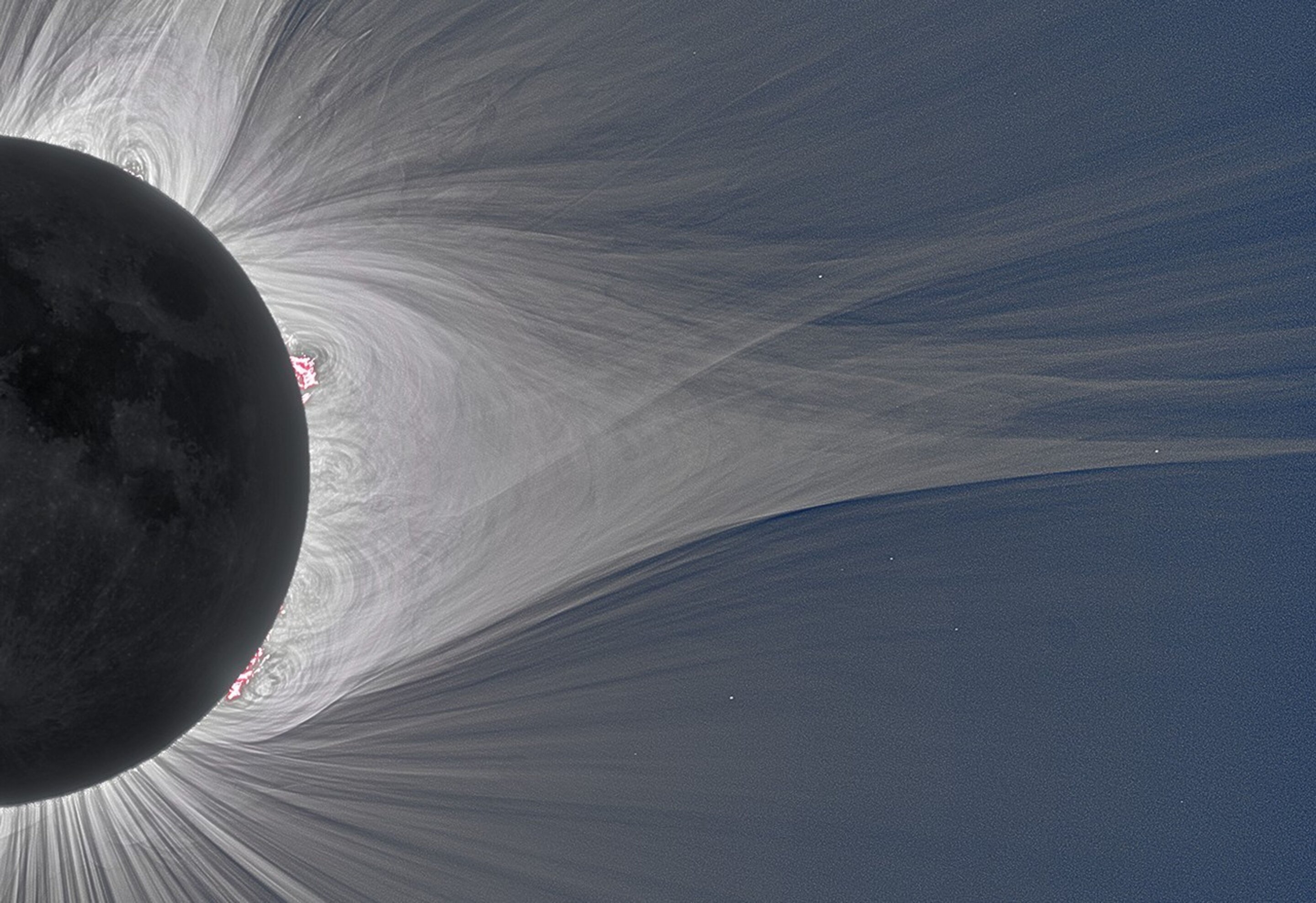
In August 2025, NASA scientists observed an extraordinary solar radio burst that defied typical expectations. While solar radio bursts generally last a few hours to days, this particular burst continued for an unprecedented 19 days. This duration far exceeded the previous record of five days, marking it as a significant anomaly in solar observations.
The source of this prolonged radio emission was traced back to a feature in the sun’s atmosphere known as a helmet streamer. These structures are characterized by their large, V-shaped appearance and are often associated with solar activity. The discovery of the burst's origin provides valuable insights into the dynamics of the sun's atmosphere and the mechanisms behind such prolonged emissions.
SpaceX CRS-34 Mission: A New Milestone in Space Resupply
On May 15, 2026, SpaceX successfully launched its 34th commercial resupply mission to the International Space Station (ISS). The Falcon 9 rocket carried a Dragon cargo spacecraft, which was loaded with nearly 3,000 kilograms of cargo, including scientific experiments and essential supplies for the ISS crew.
The launch took place at 6:05 p.m. EDT, marking another milestone in SpaceX's collaboration with NASA to support the ISS. The cargo included over 6,500 pounds of scientific investigations and other materials crucial for ongoing research and operations aboard the space station.
The CRS-34 mission is part of SpaceX's ongoing commitment to maintaining a steady supply chain to the ISS, ensuring that the station remains a hub for scientific research and international cooperation in space exploration.
Scientific Implications and Future Prospects
The record-breaking solar radio burst observed by NASA provides an opportunity for scientists to delve deeper into the sun's complex atmospheric phenomena. Understanding such events is crucial for improving our predictive capabilities regarding solar activity, which can have significant implications for space weather and its impact on Earth.
Meanwhile, the successful launch of the CRS-34 mission underscores the importance of commercial partnerships in advancing space exploration. The continuous resupply missions not only support the ISS but also pave the way for future endeavors, including potential missions to the Moon and Mars under NASA's Artemis program.
Both events highlight the dynamic nature of space science and exploration, showcasing the collaborative efforts between governmental agencies and private companies to push the boundaries of what is possible in our understanding and utilization of space.