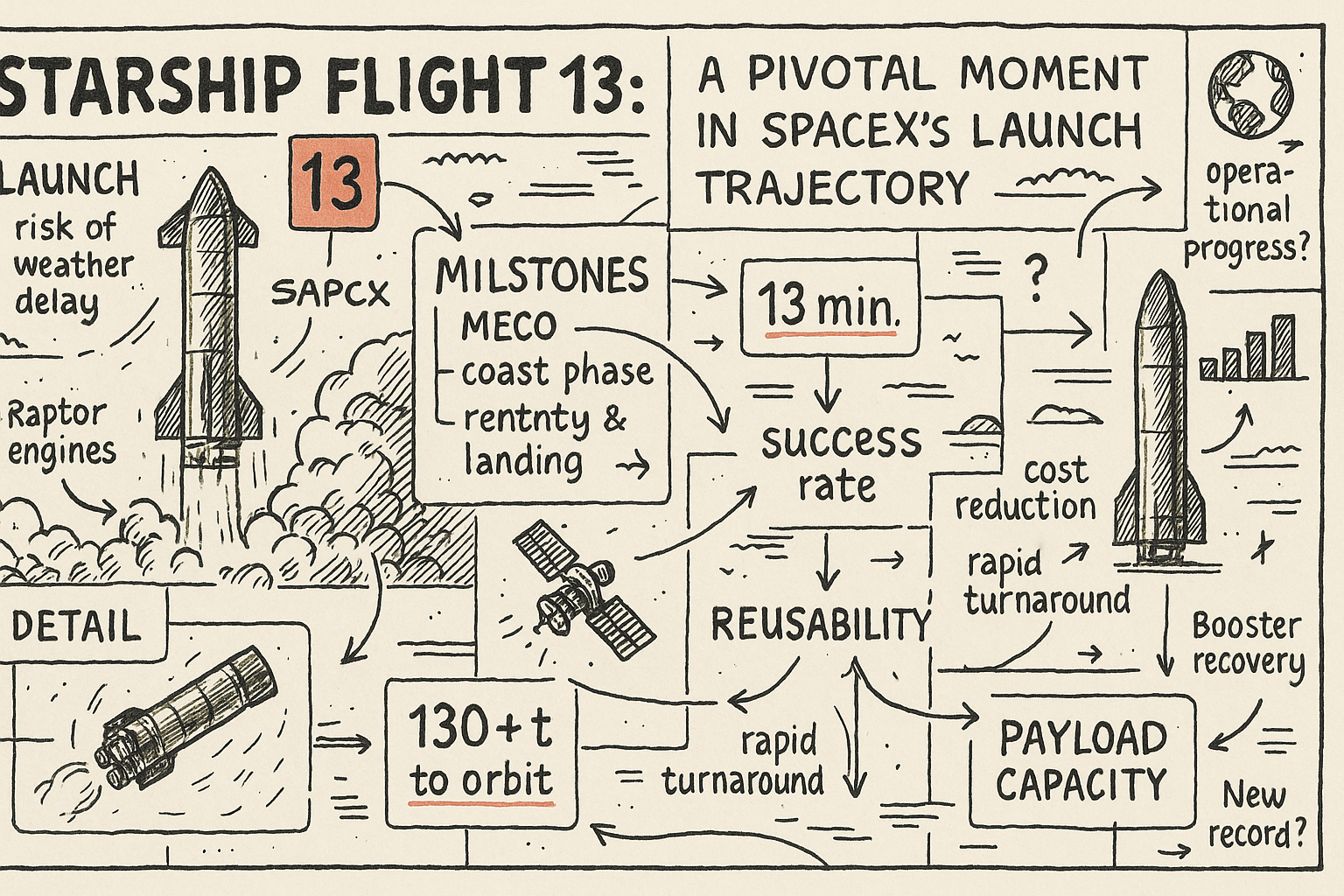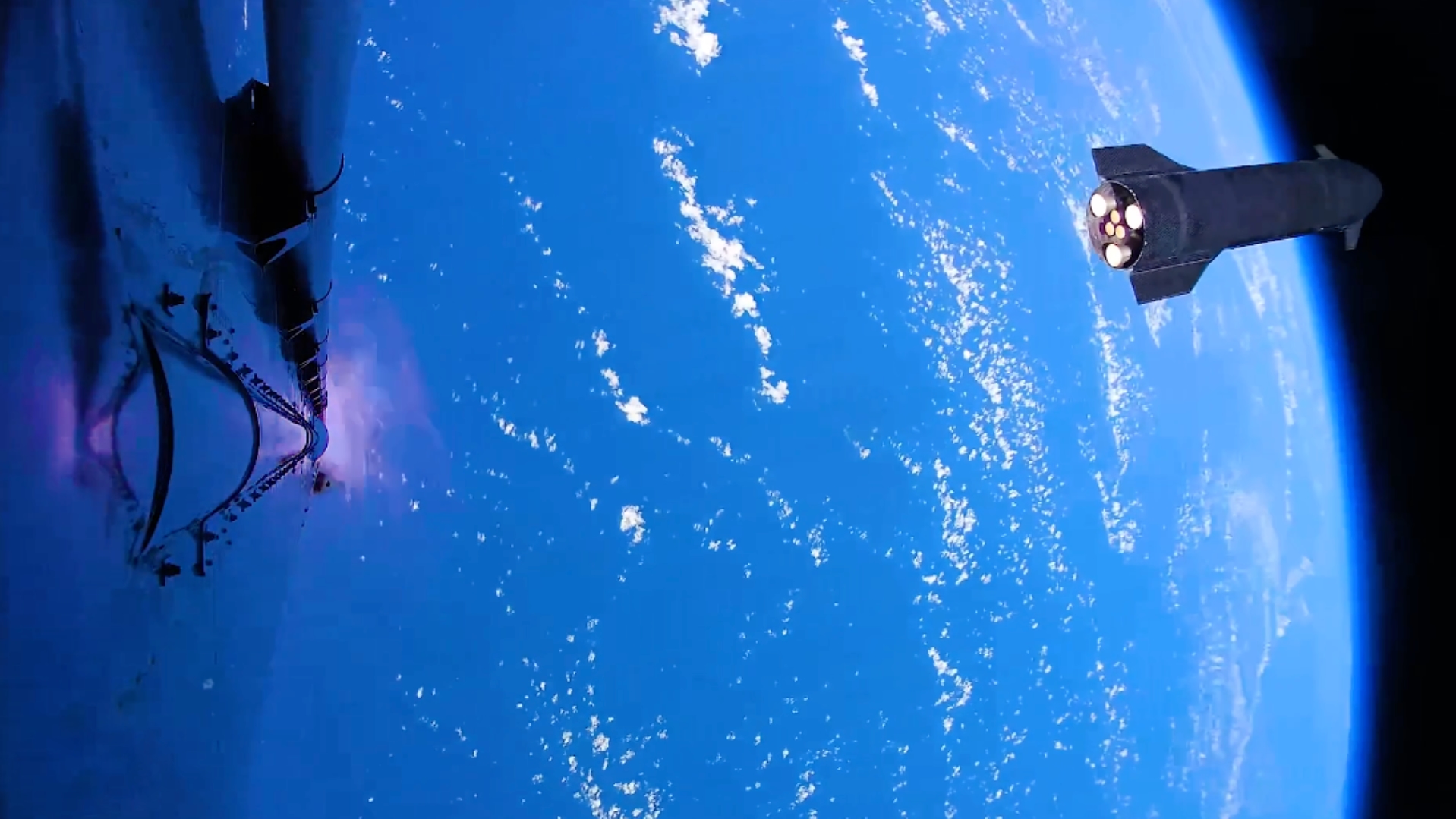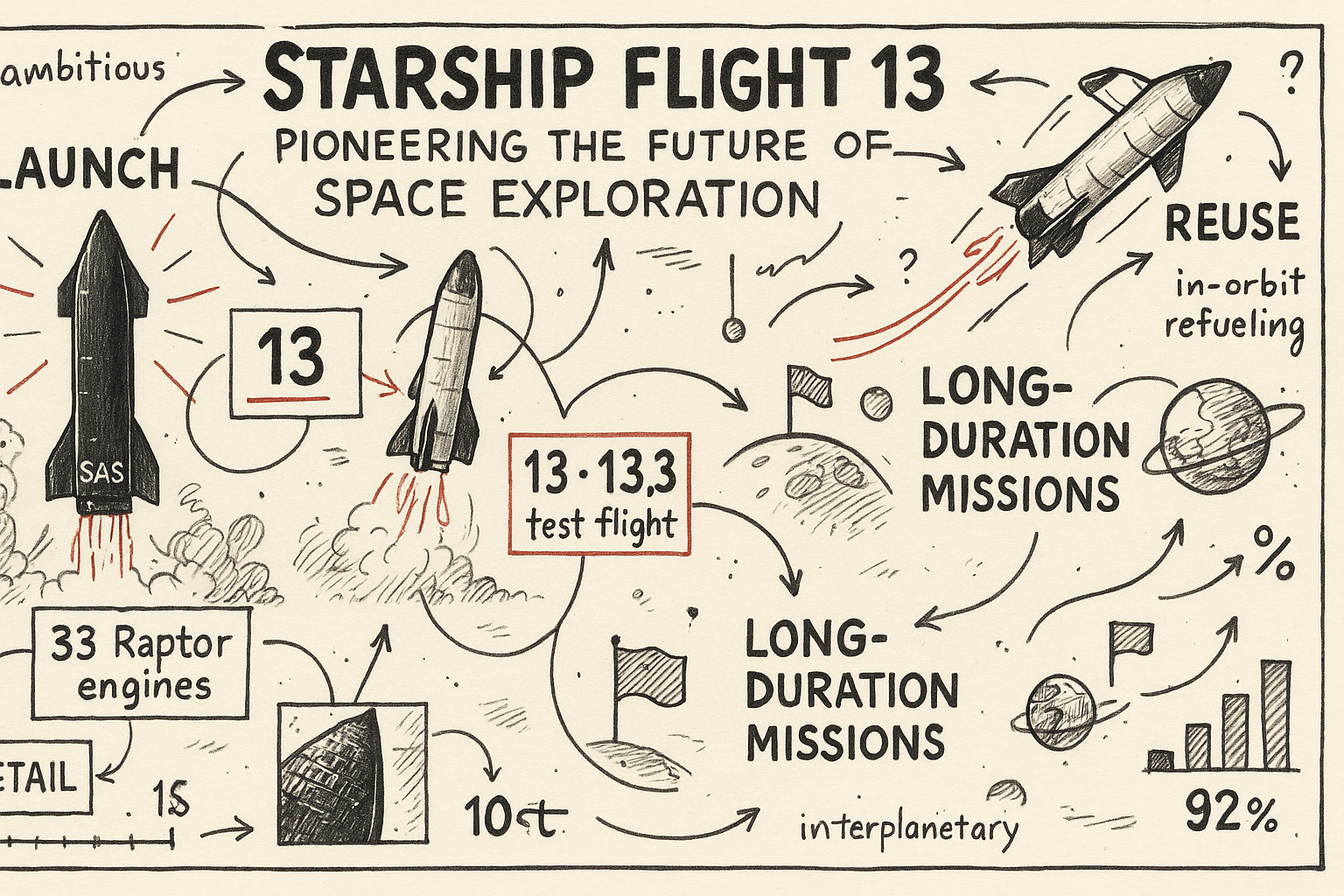
As the dust settles from SpaceX's Starship Flight 13, the aerospace world is abuzz with analysis and anticipation. This recent launch represents not merely another test but a critical juncture for SpaceX and humanity's broader aspirations in space exploration. The Starship, now known as the world's largest rocket, embodies technological innovation and ambition, as it moves closer to its long-term mission goals, including interplanetary travel.
The Significance of Flight 13
Flight 13 is more than a number; it signifies a potential turning point. According to recent reports, this could be the final suborbital flight for the Starship series. The transition to orbital flights would mark the culmination of years of research, development, and iterative testing. This step is critical for SpaceX's vision of establishing a human presence on Mars and revolutionizing space travel.
Historical Context and Technological Milestones
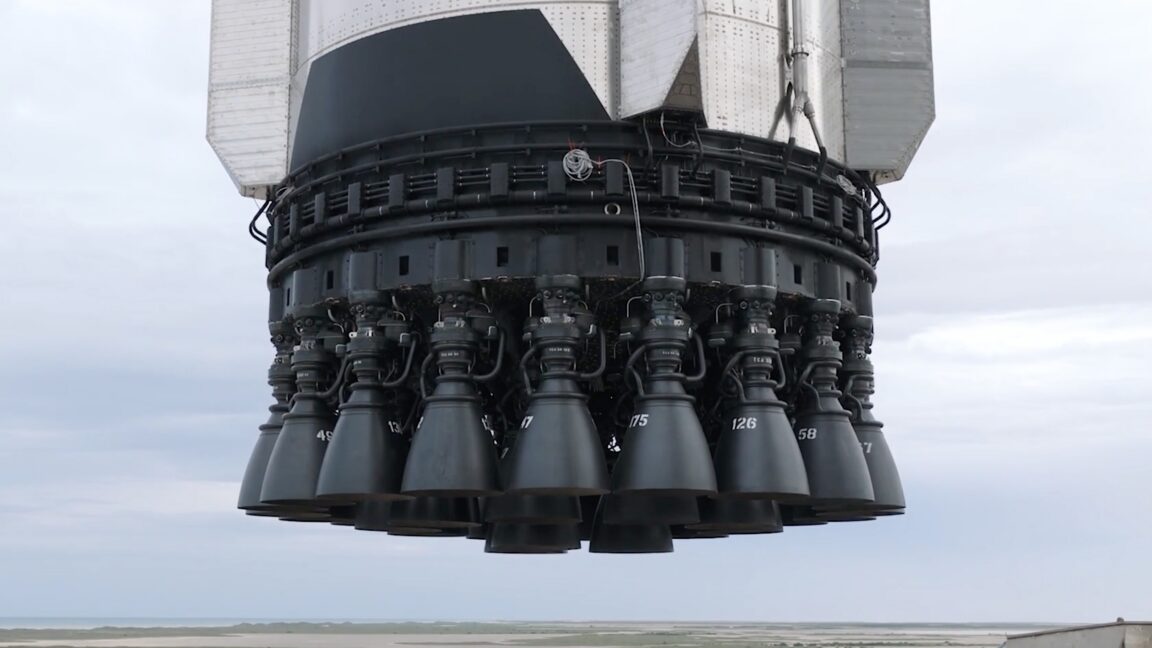
SpaceX's journey with the Starship program has been marked by technical challenges and triumphs. The ignition of all 33 engines on the Starship booster, as reported earlier this month, underscores the engineering feats achieved by the team. This accomplishment not only demonstrates the power and capability of the Starship but also showcases the iterative learning approach adopted by SpaceX, reminiscent of early space exploration efforts in the mid-20th century.
Historically, innovations in space launch technology have often followed a pattern of trial and error, with each failure paving the way for success. SpaceX's methodical approach mirrors that of NASA's Apollo program, where each test flight provided invaluable data that informed subsequent missions. The colorful 'jellyfish' phenomenon observed during a recent launch exemplifies the visual and technical marvels that have become hallmarks of these missions.
Strategic Implications and Future Prospects
The implications of Starship's progress extend beyond technological achievements. As SpaceX continues to refine its capabilities, it sets the stage for a new era of commercial space operations. The potential for rapid, reusable transport to space not only lowers costs but also enables a host of new opportunities, from satellite deployment to deep space exploration.
Moreover, the competitive landscape of space exploration is shifting. SpaceX's advancements place pressure on other entities, both governmental and private, to innovate and keep pace. This competitive drive is crucial for the sustained evolution of space technology and exploration.
Surprising Insights
Despite the evident progress, a surprising aspect of the Starship program is its potential for environmental impact. The massive power required to launch such a vehicle raises questions about sustainability. However, SpaceX's focus on reusability is an attempt to mitigate these concerns, highlighting the delicate balance between technological advancement and environmental stewardship.
The Road Ahead
As we look to the future, the success of Starship's transition from suborbital to orbital flights will be a bellwether for SpaceX's broader goals. This evolution will undoubtedly influence international space policy, commercial interests, and the public's imagination. The journey to Mars, once a distant dream, appears more tangible with each successful launch, promising a new chapter in human exploration.
In conclusion, Starship Flight 13 is not just another notch on SpaceX's belt. It is a testament to the relentless pursuit of knowledge and the drive to push humanity's boundaries. As this program continues to evolve, it will undoubtedly inspire future generations of explorers, engineers, and dreamers.