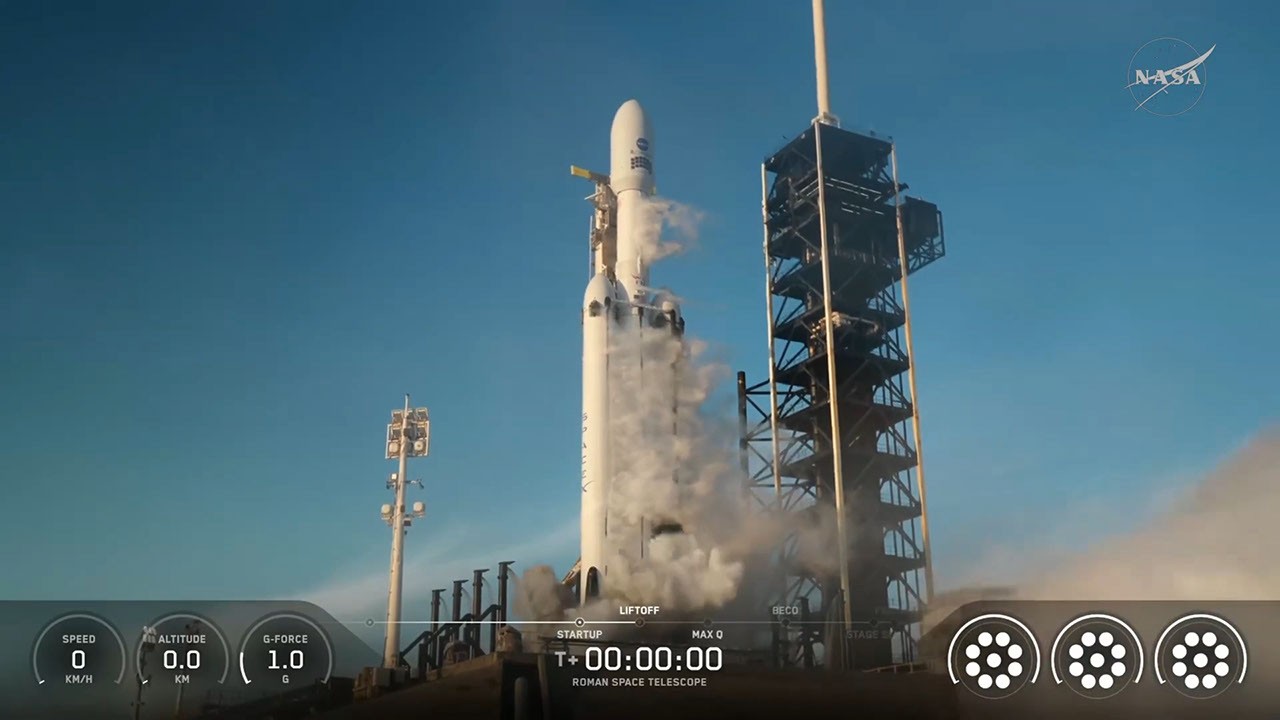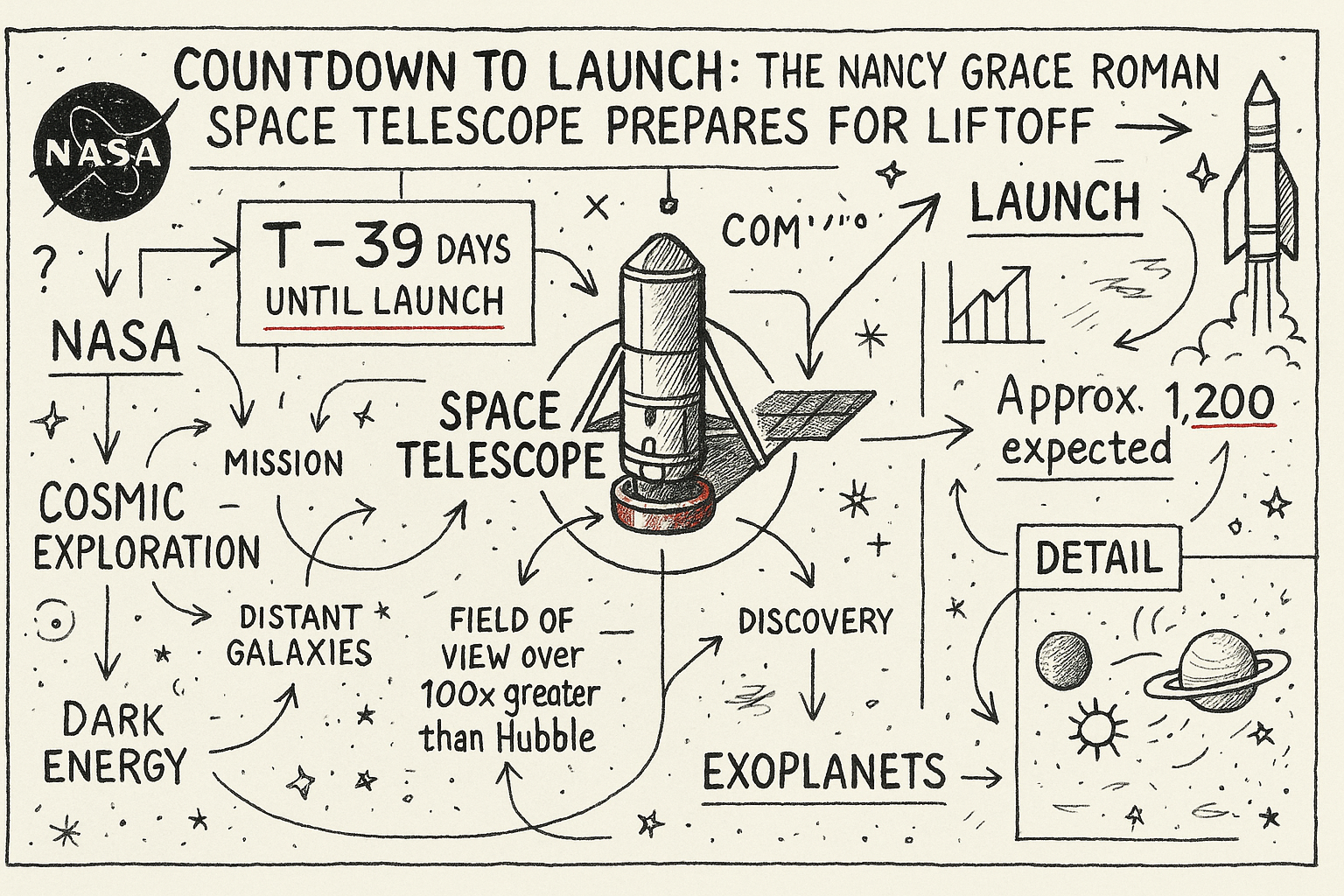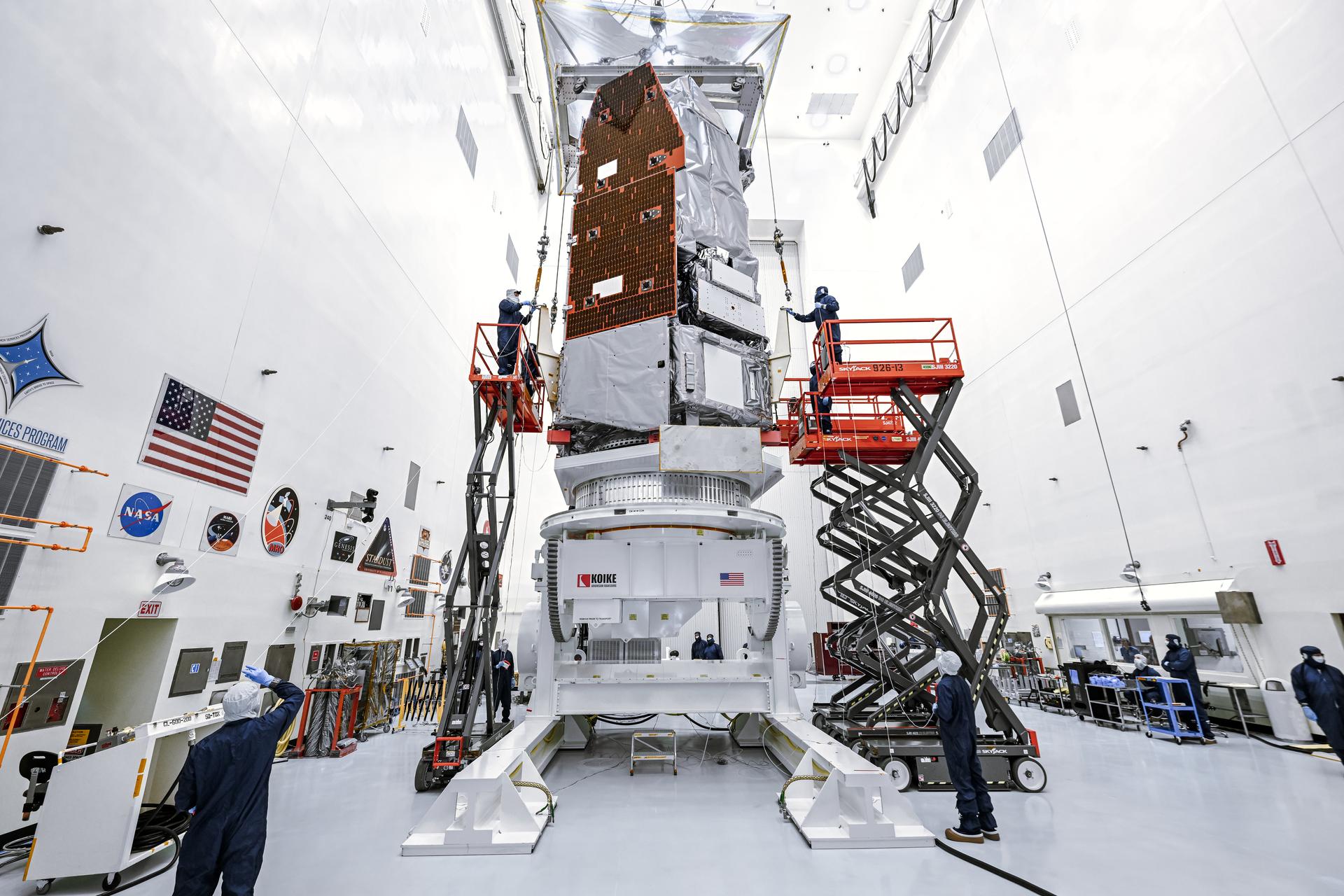
NASA is on the brink of launching its next flagship celestial observer, the Nancy Grace Roman Space Telescope, which is set to embark on a mission to expand the frontiers of cosmic knowledge. Scheduled for launch on August 30, 2026, from Kennedy Space Center in Florida, this cutting-edge observatory will hitch a ride on a SpaceX Falcon Heavy rocket. The Roman Space Telescope is poised to make significant contributions to astrophysics, paralleling the transformational impacts of its predecessors, the Hubble and James Webb Space Telescopes.
The Roman Space Telescope's primary objectives are twofold: to further illuminate the enigmatic forces of dark matter and dark energy and to uncover a multitude of exoplanets. To date, astronomers have confirmed approximately 6,000 exoplanets, but the Roman Telescope’s sophisticated instruments are expected to dramatically increase this number by discovering thousands more. Its ability to directly image these planets and probe their atmospheres offers the tantalizing possibility of identifying potentially Earth-like worlds orbiting distant stars.
One of the most ambitious goals of the Roman mission is to enhance our understanding of dark energy, a mysterious phenomenon responsible for the accelerated expansion of the universe. The telescope will conduct an extensive survey of over one billion galaxies, mapping the universe's structure across space and time. By doing so, it aims to narrow down the possibilities regarding the nature of dark energy, which could be an undiscovered particle, a new property of spacetime, or something entirely unknown. Similarly, the mission will investigate dark matter, a critical yet unseen component that influences galactic movement and cosmic evolution. Together, these investigations may uncover new physics and particles, offering insights into the universe's ultimate fate.
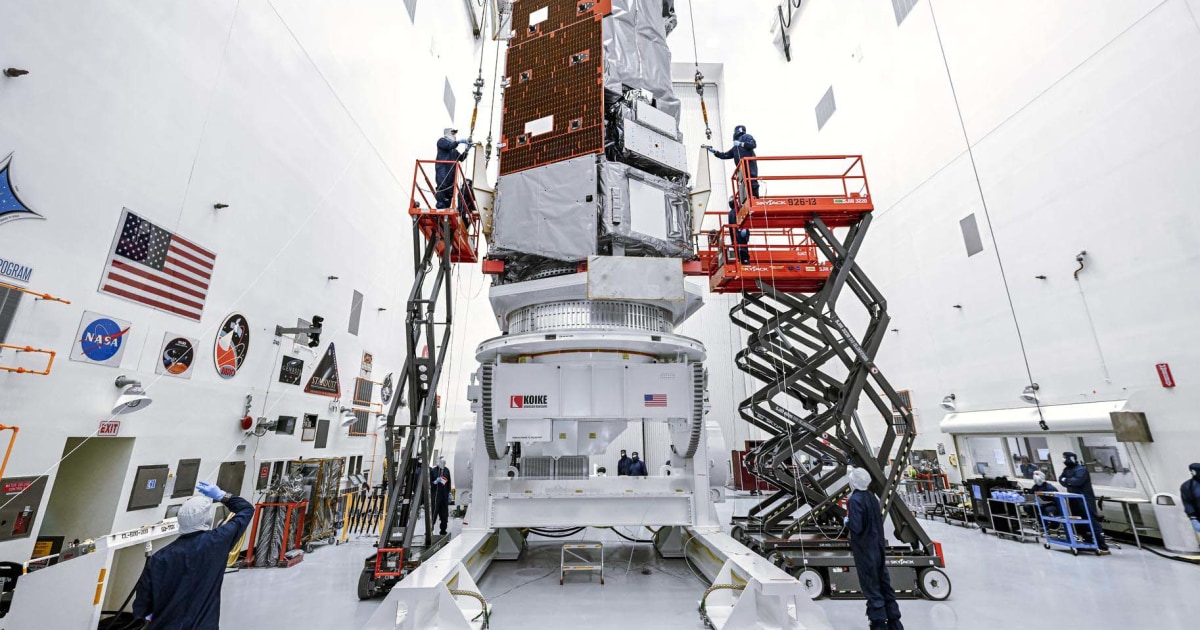
The Roman Telescope's journey began with its assembly and integration at NASA's Goddard Space Flight Center in Maryland, where its inner and outer segments were joined in November 2025. Following rigorous testing and packaging, the telescope was transported to Florida aboard NASA’s Pegasus barge, arriving at the Kennedy Space Center on June 21, 2026. Since its arrival, it has been undergoing prelaunch preparations, including solar panel deployment tests and thermal system validations, to ensure its readiness for the demanding conditions of space.
Once launched, the Roman Space Telescope will travel to the Sun-Earth Lagrange Point 2 (L2), a stable orbital position where it can conduct wide-field surveys in both near-infrared and visible wavelengths. This location will allow the telescope to capture expansive images of the sky, facilitating the discovery of supernovae, mapping of galaxies, and observation of dynamic cosmic phenomena.
In addition to its primary scientific goals, the Roman Space Telescope is expected to reveal much about supermassive black holes (SMBHs) by detecting tidal disruption events (TDEs)—occasions when a black hole consumes a star. By identifying approximately 100 TDEs annually, the telescope will help astronomers chart the growth of these massive cosmic entities over time.
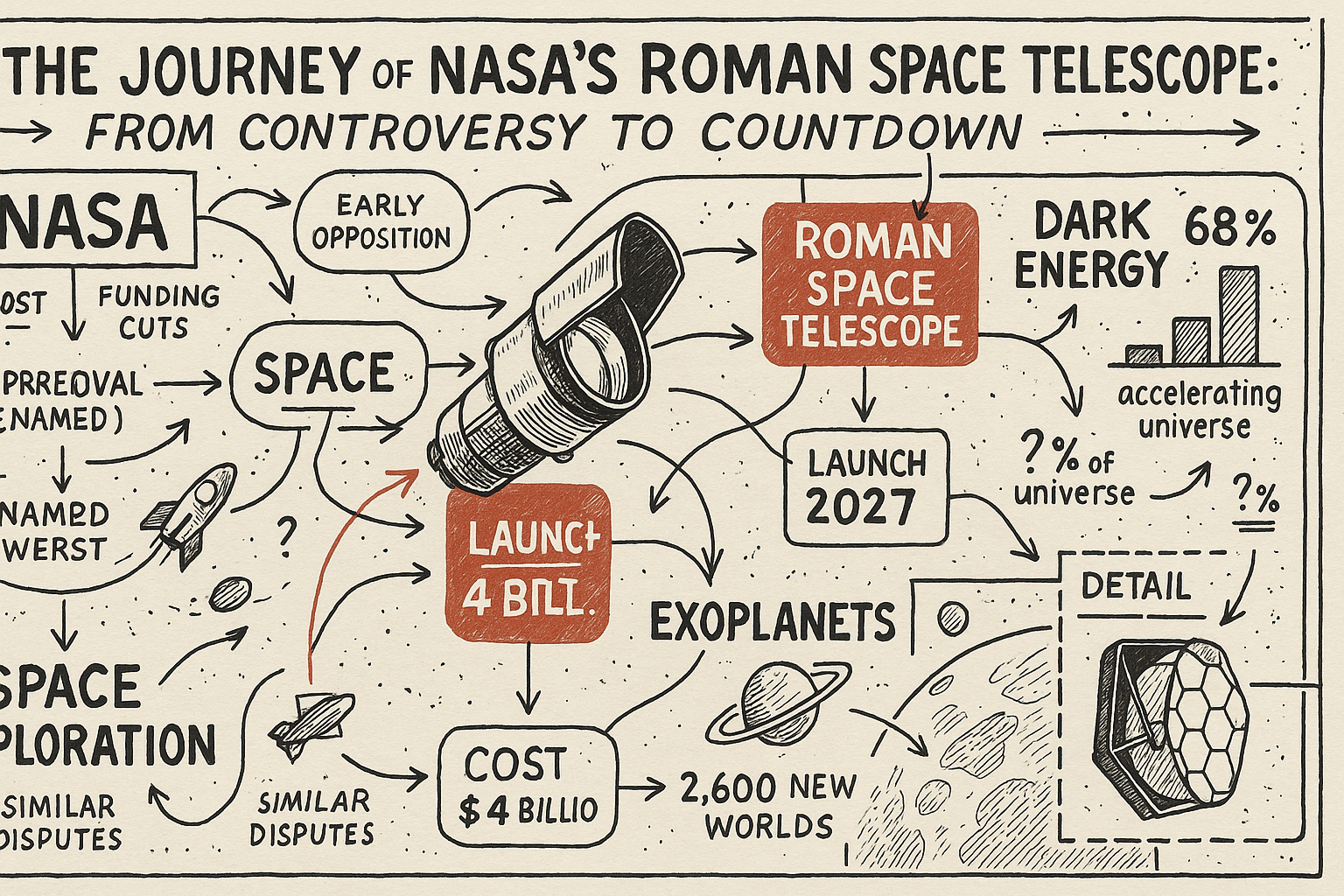
The Nancy Grace Roman Space Telescope represents the astronomical community's highest-priority large space mission from the 2010s, anticipated to open new chapters in our understanding of the cosmos. As we edge closer to its launch, the global scientific community eagerly awaits the transformative insights it promises to deliver.