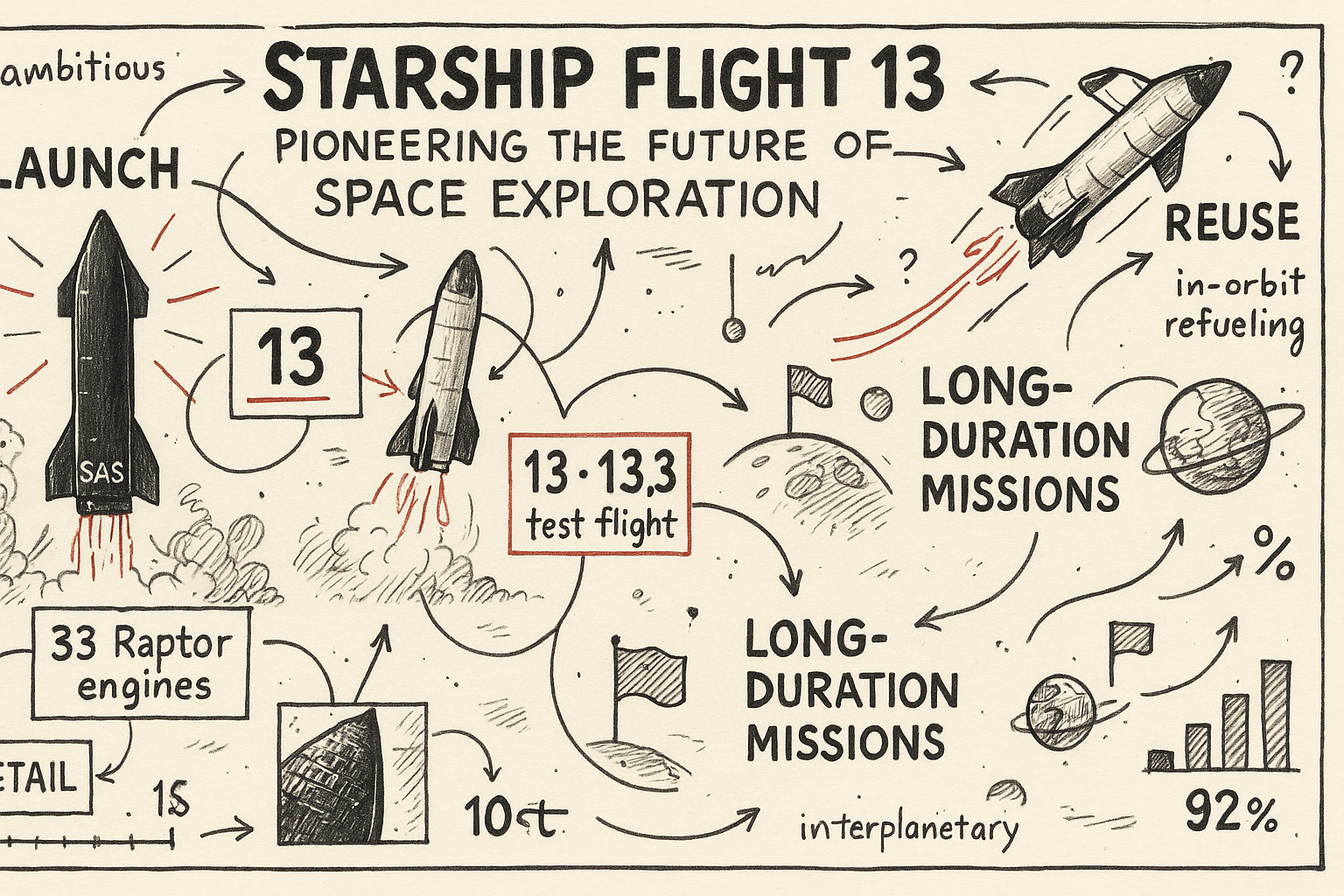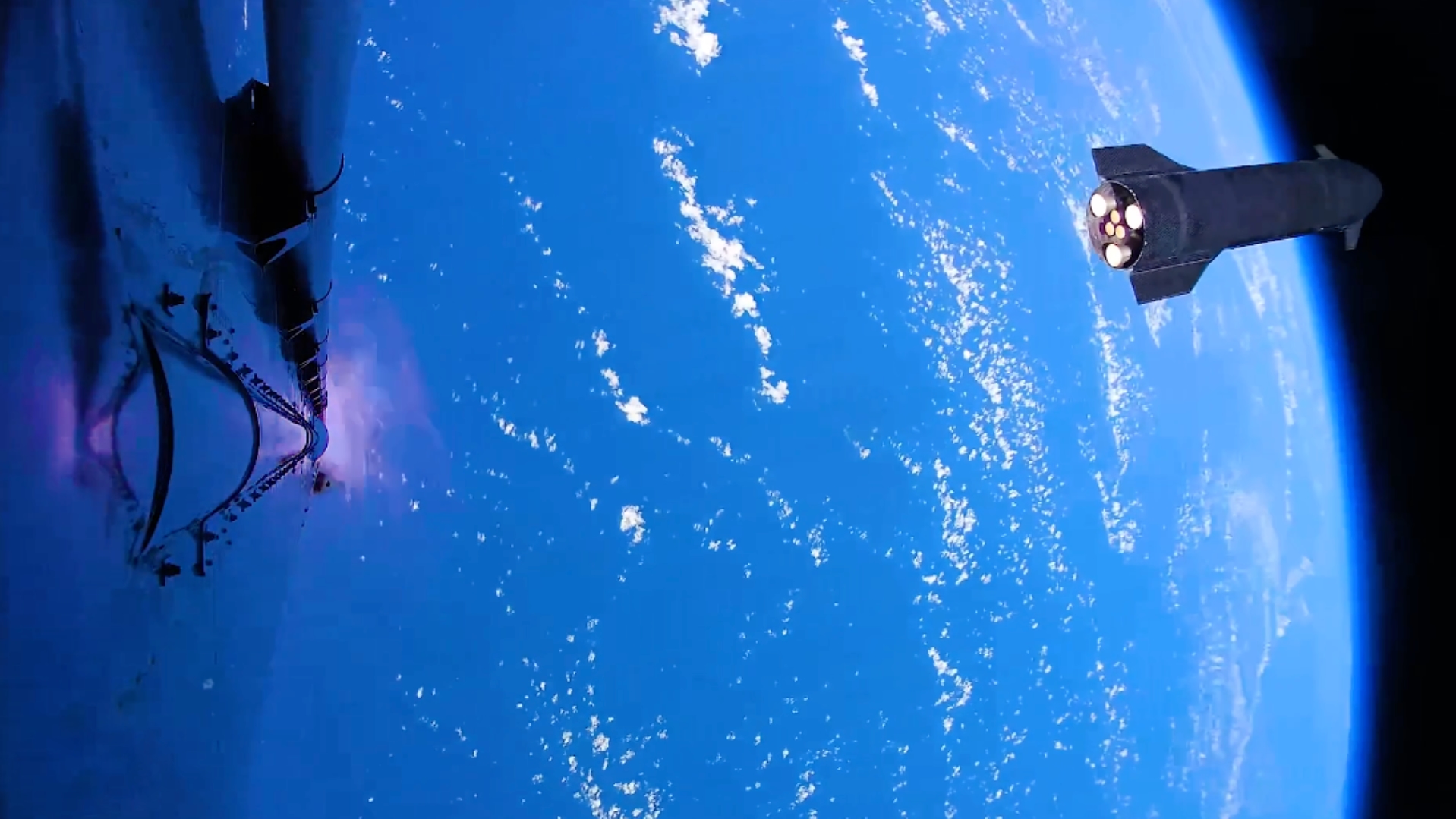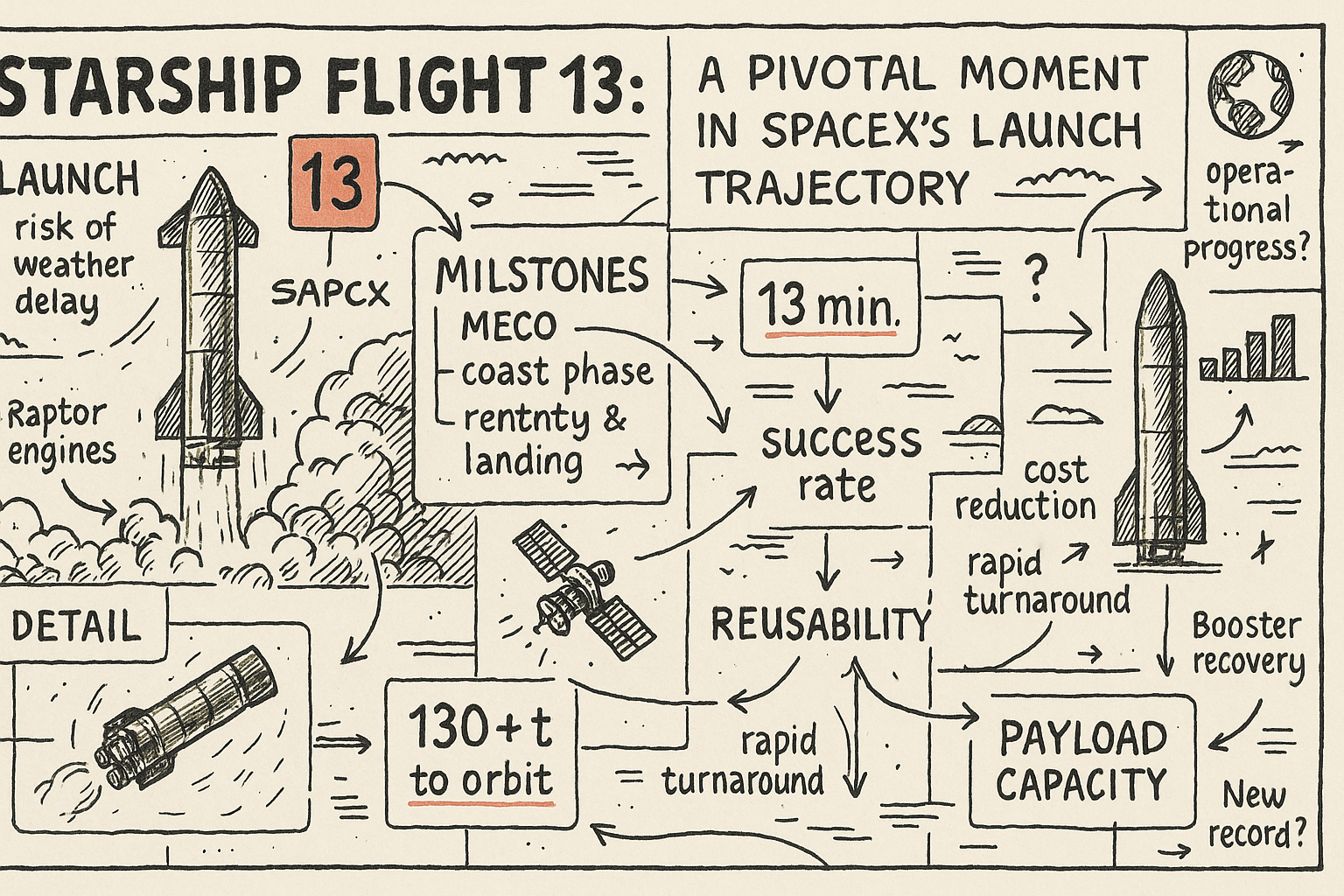
In an era marked by rapid advancements in aerospace technology, SpaceX’s Starship Flight 13 is not just another launch; it is a potential watershed moment in the company’s ambitious roadmap to space exploration. As the world's largest rocket prepares for its critical Flight 13 test, industry experts and enthusiasts alike are poised to witness what may be the final suborbital flight of this remarkable vehicle. The implications of this launch extend beyond the immediate technical achievements and highlight a paradigm shift in how we approach extraterrestrial travel.
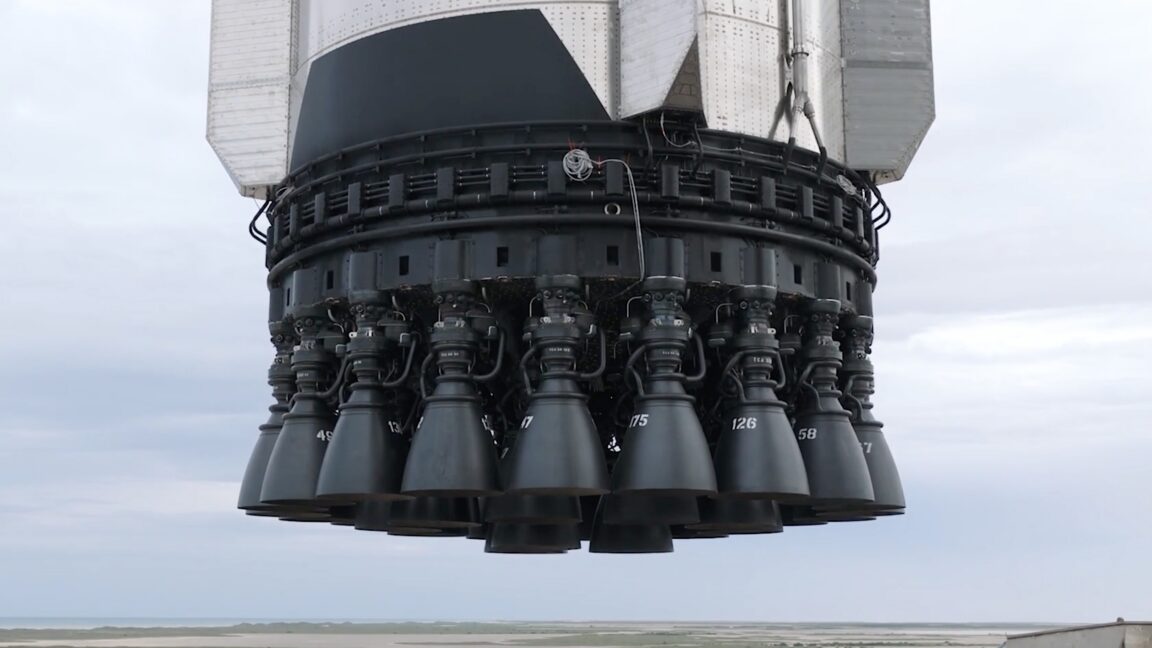
The anticipation surrounding Flight 13 is palpable, underscored by the successful ignition of all 33 Raptor engines on the Starship booster, a feat achieved just days before the scheduled launch. This test showcased not only the engineering prowess of SpaceX but also its ability to push the boundaries of what is technically possible. With a launch window set for July 16, 2026, this mission is designed to further validate the Starship's readiness for eventual crewed missions to Mars.
A Historical Perspective
SpaceX's journey to this point has been characterized by both triumphs and setbacks. The Starship program, initiated as an ambitious follow-up to the Falcon series, represents Elon Musk's vision of making space travel accessible and sustainable. Historically, each test flight has served as a learning opportunity, contributing valuable data and insights into the iterative design process. Flight 13, therefore, is not just another milestone; it is a testament to a decade of relentless innovation and adaptation.
Broader Implications and Insights
Beyond its technical significance, Starship Flight 13 also symbolizes a shift in the competitive landscape of space exploration. With NASA’s recent decision to switch its SunRISE mission to a Falcon Heavy launch vehicle, the growing reliance on SpaceX for critical missions is evident. This shift underscores SpaceX's evolving role from a disruptive newcomer to a key player in the aerospace industry.
Surprisingly, the success of SpaceX’s numerous launches, including the recent milestone of 600 flight-proven rocket launches, reveals an unexpected insight: the commercial viability of space endeavors increasingly hinges on reusability. This paradigm shift has not only driven down costs but also accelerated the pace of innovation, allowing for more frequent and ambitious missions.
Future Trajectories
As we look to the future, the implications of Starship Flight 13 extend far beyond the immediate goals of the mission. If successful, it could pave the way for the next phase of SpaceX’s exploration agenda — lunar and Martian colonization. The technological advancements tested in this flight, from enhanced payload capacities to improved engine performance, will lay the groundwork for sustainable extraterrestrial habitats.
Moreover, as SpaceX continues to refine its Starship model, the potential for international collaborations and partnerships expands. The company’s aggressive timelines and ambitious goals set a precedent for global space agencies, prompting a reevaluation of traditional approaches to space exploration.
In conclusion, Starship Flight 13 is more than just a launch; it is a pivotal moment in the narrative of human space exploration. As SpaceX continues to break barriers and redefine possibilities, the world watches with bated breath, keenly aware that each flight brings us one step closer to a future once confined to science fiction.