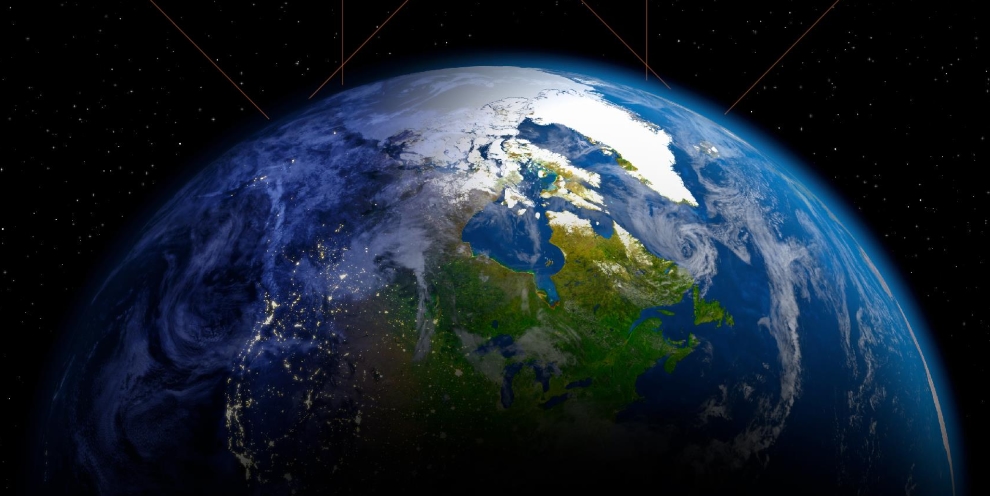
The Canadian Space Agency (CSA) has unveiled its latest initiative aimed at addressing the significant health challenges posed by long-duration space missions. Announced on July 15, 2026, the Health and Life Sciences Data and Sample Mining or Research Models program is set to provide grants to Canadian researchers who are delving into the physiological and psychological impacts of extended exposure to the space environment. This initiative is particularly pertinent as space agencies worldwide, including NASA, ramp up efforts for missions to the moon, Mars, and beyond.
Understanding the risks associated with lengthy space travel is crucial for the safety and success of future missions. Key among these are the effects of weightlessness and space radiation on living systems. The CSA’s program, which seeks proposals until January 25, 2027, is designed to explore these risks by investigating issues such as musculoskeletal deterioration, sensorimotor changes, radiation damage, and behavioral health challenges due to isolation.
The program is structured into two funding streams. The first allows researchers to request up to $75,000 for a year to analyze existing space-related data and biological samples. This stream is geared towards making the most of the wealth of data already collected on past missions. The second stream offers up to $180,000 over two years for research models employing non-human subjects, including organoids, cell cultures, microorganisms, or animals. These studies must utilize methodologies relevant to space conditions, such as clinostats or rotating bioreactors, and focus on the effects of space radiation.
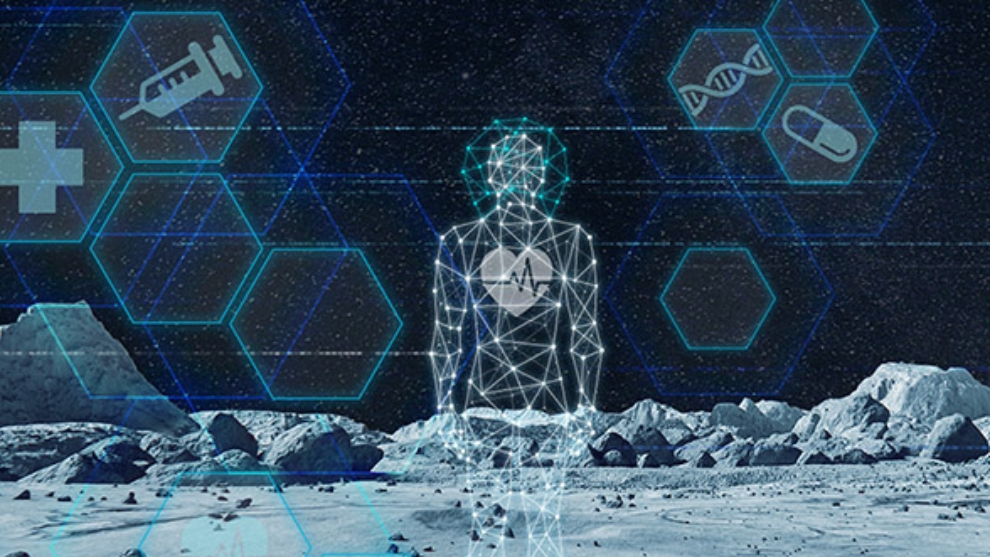
This initiative is not merely about advancing space exploration. One of the program’s secondary objectives is to translate research findings into tangible benefits for healthcare on Earth, particularly in remote medicine. This dual focus underscores the broader potential impact of space research on terrestrial health challenges.
Eligibility for the program is restricted to Canadian post-secondary institutions and not-for-profit organizations. These entities must have a research mandate and a standing Research Ethics Board or Animal Care Committee. Importantly, the principal investigators must hold traditionally recognized academic positions, excluding post-doctoral fellows or those funded by another researcher’s grant from leading projects.
The CSA's initiative is timely as other space agencies, such as NASA, are actively preparing for similar long-duration missions. NASA, for instance, is seeking volunteers for a yearlong simulated mission to the moon and Mars, slated to begin in August 2027. Such simulations are critical for understanding the complex human factors involved in deep-space travel.
The importance of this research is underscored by recent studies, such as those from the University of Central Florida, indicating that space conditions can accelerate aging processes in astronauts. These findings highlight the need for innovative countermeasures to protect future explorers and offer insights that might benefit aging populations on Earth.
Moreover, the initiative aligns with evolving perspectives on astronaut selection. The UK Space Agency's recent agreement to send Paralympic athlete John McFall into orbit exemplifies a shift towards inclusivity in space missions, raising intriguing questions about the potential advantages of diverse physiological profiles in space environments.
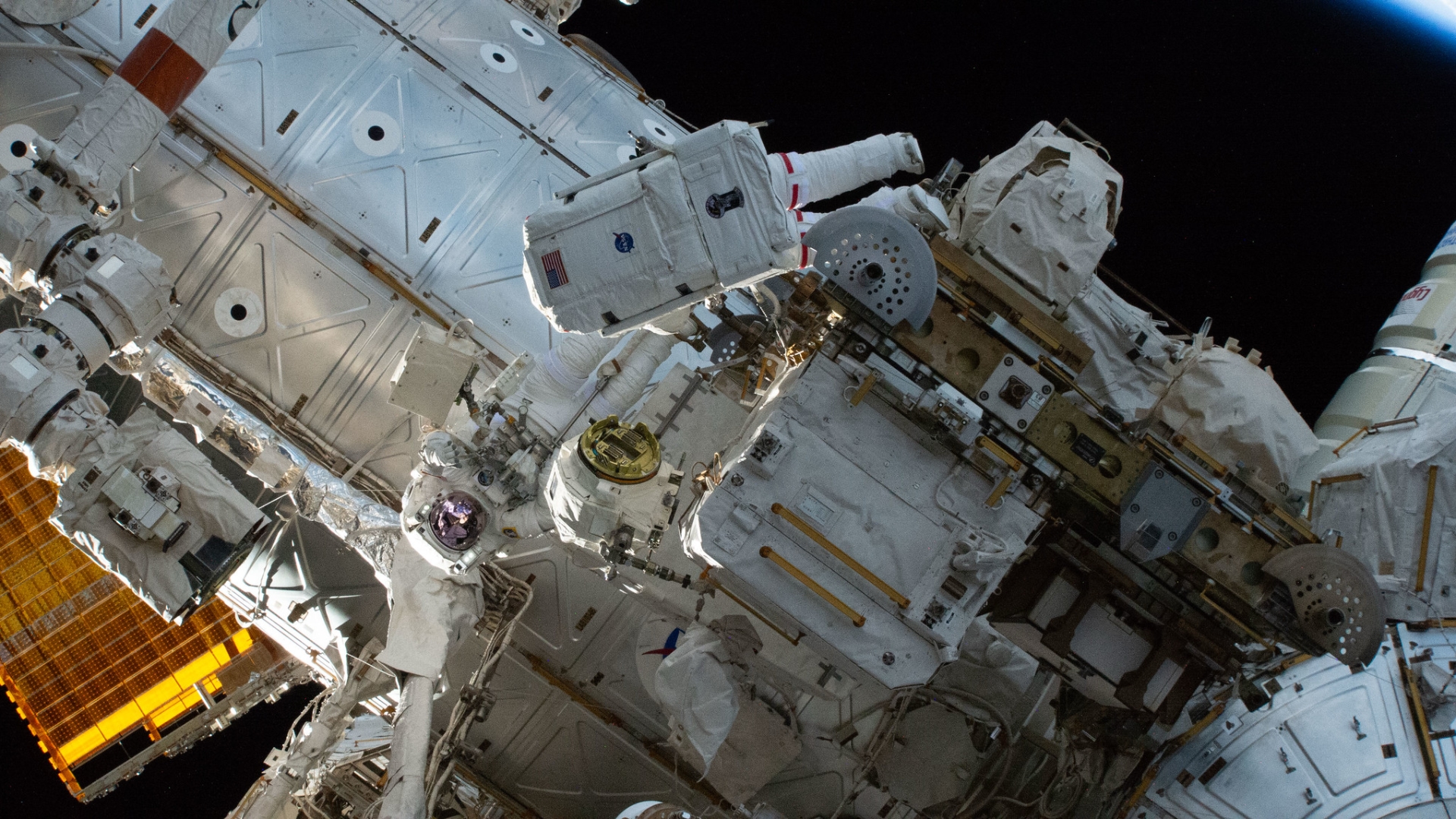
As the International Space Station continues its research activities, hosting an expanded crew from NASA, Roscosmos, and the European Space Agency, the CSA’s program represents a pivotal step in ensuring the health and well-being of astronauts embarking on the next great leap in human exploration. By addressing the health challenges of space travel, Canada is positioning itself at the forefront of international collaboration and innovation in space health research.