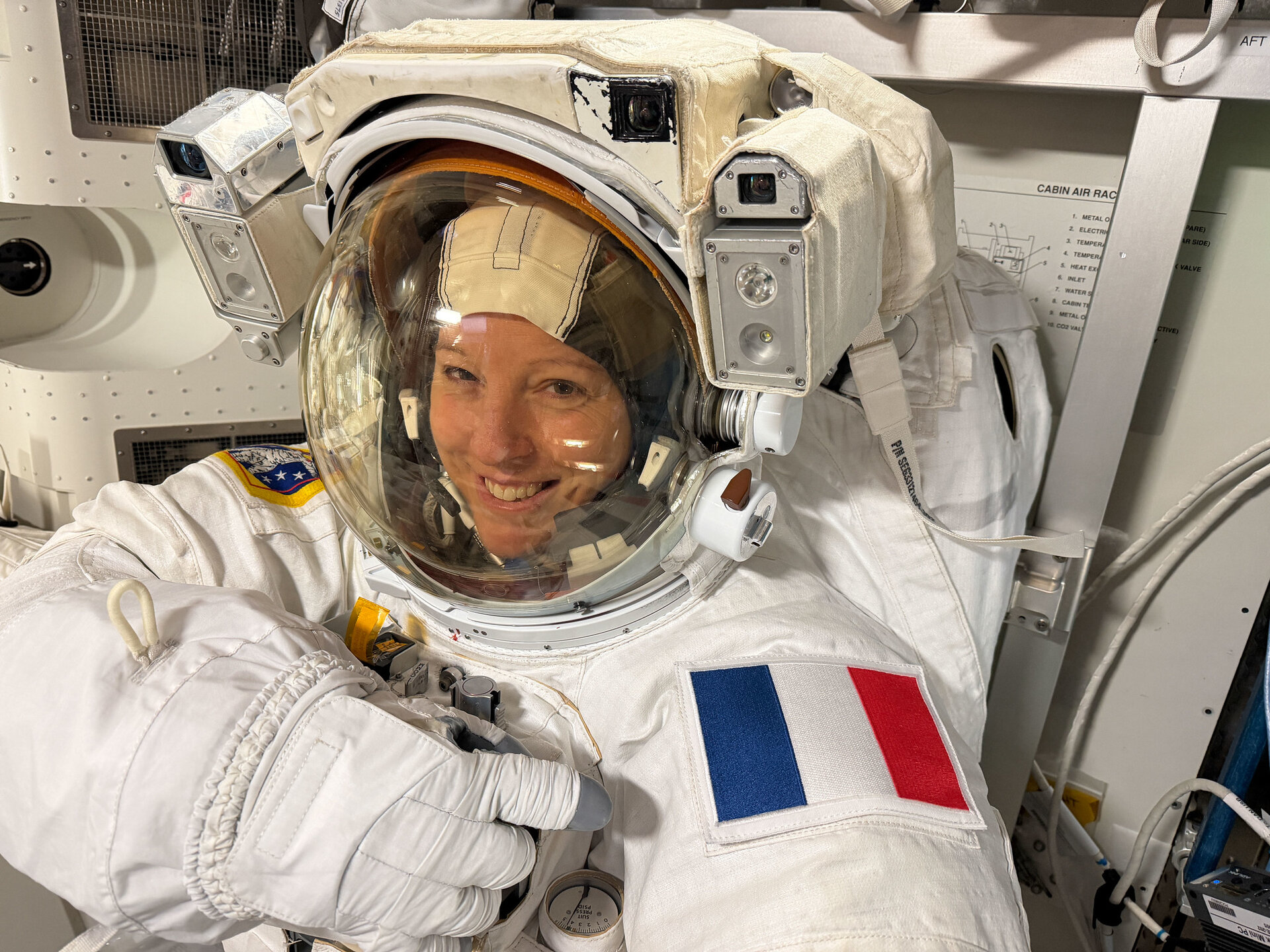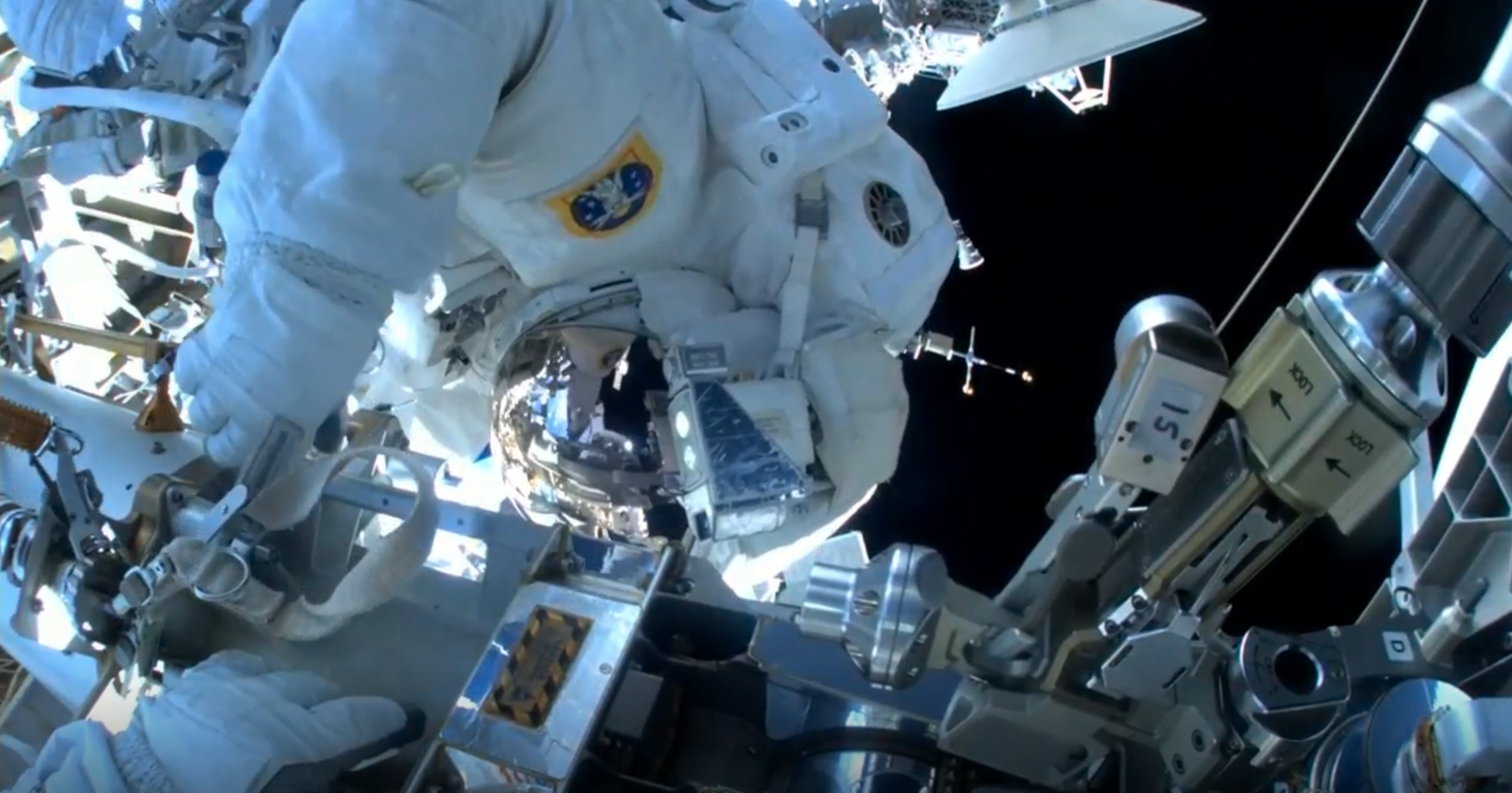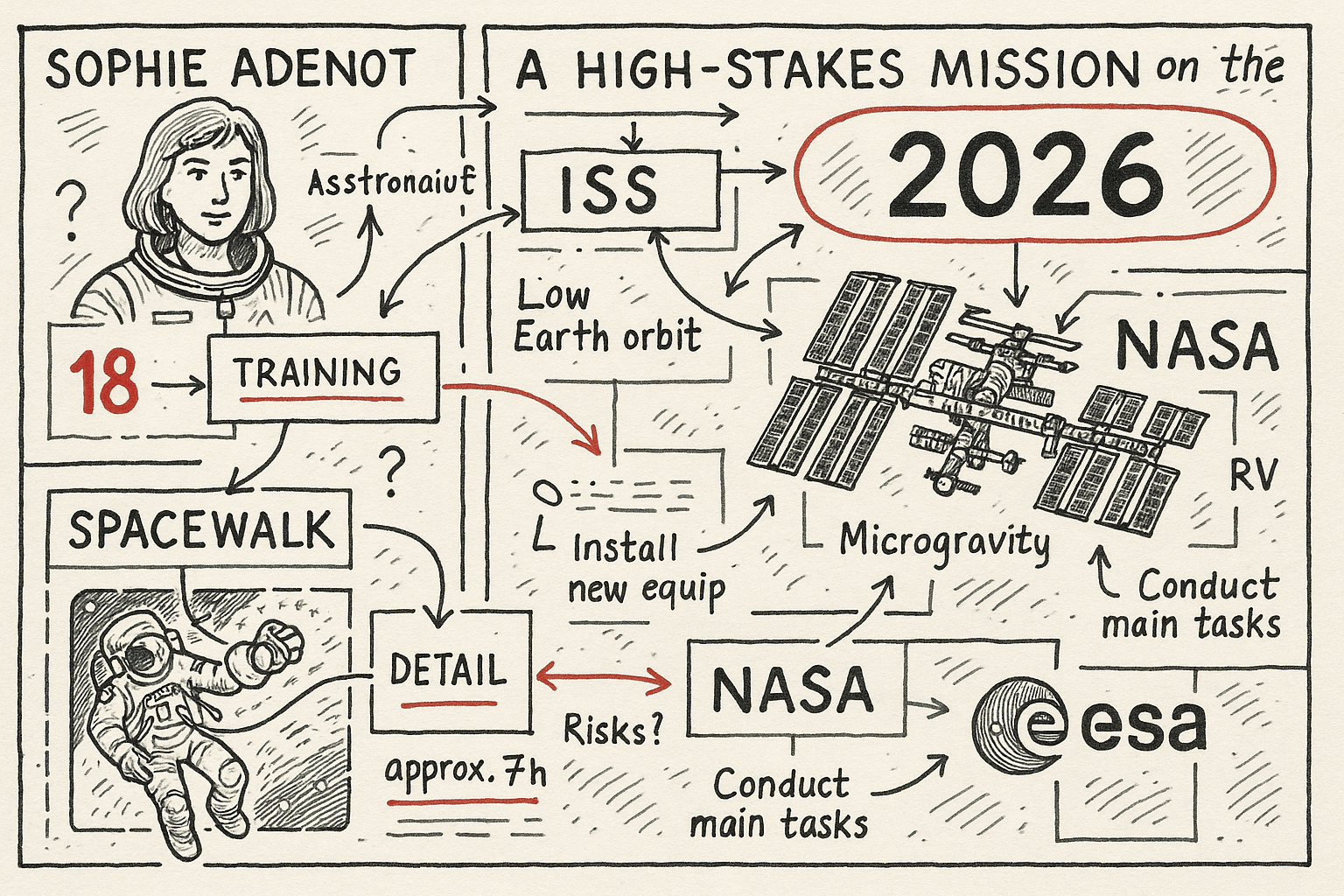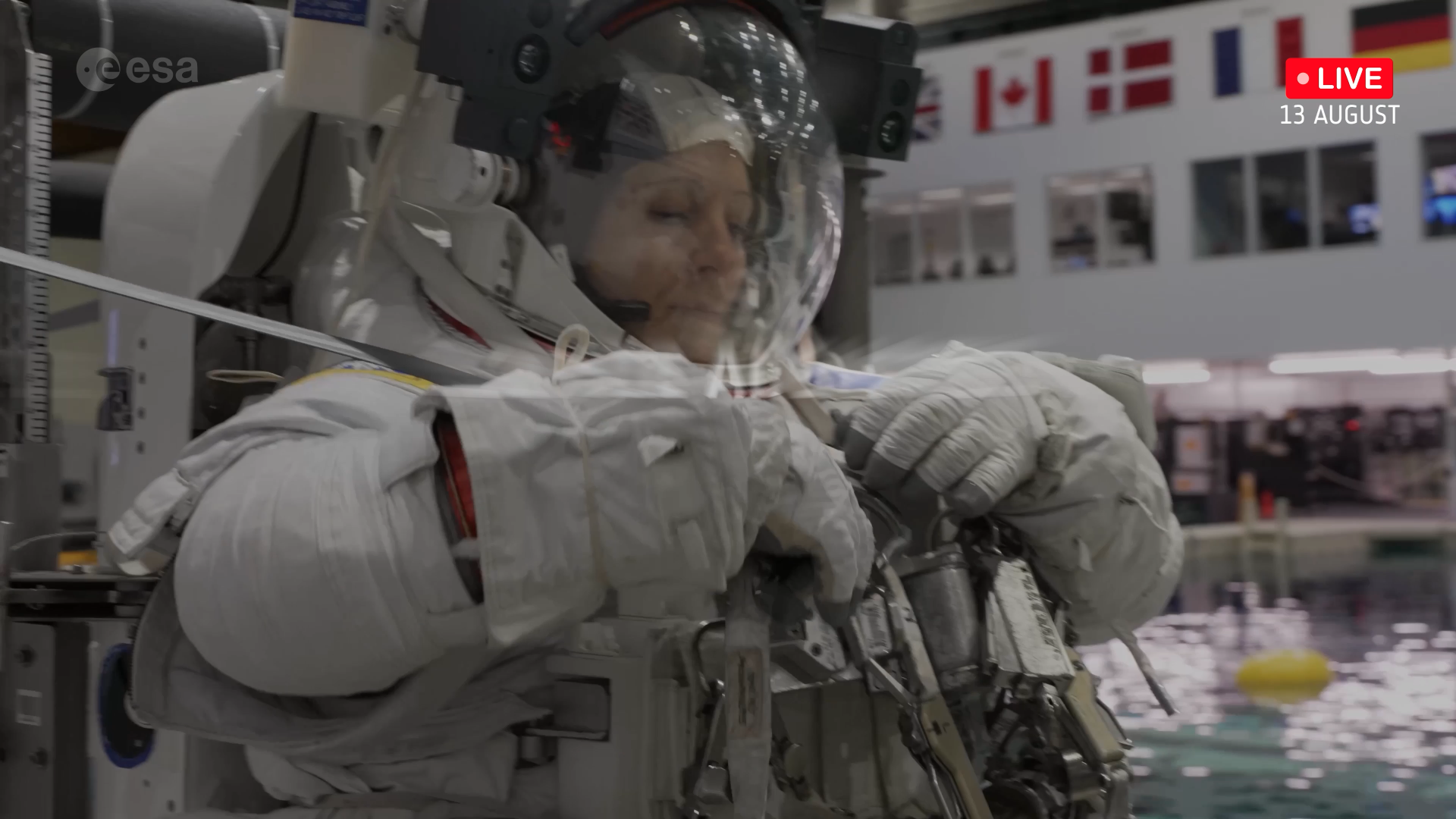
In a significant milestone for European space exploration, ESA astronaut Sophie Adenot is preparing for her first-ever extravehicular activity (EVA), commonly known as a spacewalk. Scheduled for August 18, 2026, Adenot will collaborate with NASA astronaut Anil Menon to replace a Space-to-Ground antenna on the International Space Station (ISS). This operation underscores the collaborative nature of international space missions and the critical role of astronauts in maintaining the ISS's functionality.
The upcoming spacewalk, designated as U.S. Spacewalk 97, highlights the essential maintenance tasks necessary for the continuous operation of the space station. The Space-to-Ground antenna, which Adenot and Menon will replace, is a vital component that facilitates high-speed data and voice communication between the ISS and Mission Control in Houston. Such systems are crucial, ensuring that astronauts can relay important scientific data back to Earth and receive operational instructions in real-time.
The European Space Agency (ESA) will provide live coverage of the event, allowing viewers worldwide to witness this pivotal moment. The broadcast will begin at 13:00 CEST, with the spacewalk anticipated to commence at approximately 14:35 CEST. This transparency and public engagement reflect ESA's commitment to fostering global interest and support for space missions.
Sophie Adenot's participation in this mission is not just a personal achievement but also a representation of the growing presence and influence of European astronauts in international space endeavors. Her background and training have prepared her for this challenging task. Such spacewalks require meticulous planning and execution, as astronauts must navigate the complexities of working in a microgravity environment while managing the technical demands of equipment repair and replacement.
The importance of this mission extends beyond the immediate task of antenna replacement. It serves as a testament to the ongoing international collaboration that the ISS embodies. The ISS is a joint project among five participating space agencies: NASA (United States), Roscosmos (Russia), JAXA (Japan), ESA (Europe), and CSA (Canada). This cooperation has paved the way for numerous scientific advancements and breakthroughs, emphasizing the importance of shared goals and resources in space exploration.
Historically, spacewalks have been critical to the success and longevity of the ISS. Since the station's inception, astronauts have conducted over 250 spacewalks, performing a wide array of tasks such as installing new modules, repairing equipment, and conducting experiments. Each EVA contributes to our understanding of how to work and live in space, which is invaluable for future missions aiming to explore Mars and beyond.
As we look to the future, the skills and experiences gained from missions like Adenot's will be instrumental in advancing human space exploration. The lessons learned from operating in the harsh environment of space will inform the design and planning of missions to more distant destinations. Furthermore, the technology developed and refined through ISS operations often finds applications on Earth, benefiting various sectors such as telecommunications, materials science, and medicine.
In conclusion, Sophie Adenot's upcoming spacewalk is a significant event for the European Space Agency and the broader international space community. It symbolizes the dedication and cooperation required to maintain the ISS and advance human space exploration. As we continue to push the boundaries of what is possible, missions like these remind us of the incredible potential of human ingenuity and partnership.