NASA has converted two longtime contractors at its Stennis Space Center near Bay St. Louis, Mississippi, into civil servants under the agency's workforce directive to restore core competencies by moving contractors to civil service. Jim Mirandy, a contractor for 30 years, is now a quality assurance specialist. Jared Spiers, a contractor since 2017, became an electrical engineering technician in June 2026, according to NASA's profiles of the two men.
Mirandy: the close call investigator behind Stennis safety
Mirandy works at what NASA calls the nation's largest rocket propulsion test site, where his work directly supports the Artemis program's goal of returning American astronauts to the Moon. By retaining his facility-specific expertise, NASA says, it ensures critical propulsion testing at Stennis continues to be run with safety and quality in mind. Mirandy describes his team as a second set of eyes focused on potential hazards.
He is the agency's close call investigator at the center, helps lead the Voluntary Protection Program, and sits on the Striving to Achieve Real Safety committee, an employee group that works to keep the site safe. He also created high-pressure and cryogenic training classes that he taught for 10 years and helped establish safety protocols at various locations across the center.
“Discovery is an important job, and it is exciting to be a part of that process,” Mirandy said. “As a nation, we lead the world in space exploration, and we make that dream of reaching for the stars a reality.”
His link to NASA began in childhood in Titusville, Florida, where his elementary school regularly gathered to watch launches. His father, Wes Mirandy, worked for Rocketdyne at Kennedy Space Center and later became A-1 test stand manager for space shuttle main engine testing at Stennis. “My father was by far my greatest mentor,” Mirandy said. “My dad always included us whenever he worked on something around the house, so we picked up a knack for examining problems and fixing things.” When Mirandy arrived at Stennis, he said, many of his father's friends and coworkers explained the test stands and other systems to him.
That knack for fixing things launched his career at Michoud Assembly Facility in New Orleans, where he started as a mechanic on the Space Shuttle External Tank. When an unexpected incident occurred in a production cell, he stepped up to help the operations and safety team resolve it. That moment moved him into safety and quality work. Mirandy lives in Bay St. Louis and is a University of Southern Mississippi graduate. “Your reward for working safely today is tomorrow,” he said.
Spiers: from Saturn V stand to New Glenn preparations
Spiers graduated from Pearl River Community College in 2017 with three associate degrees in instrumentation, electronics, and electrical technology. He started at Stennis as a contractor the following Monday, according to NASA's profile of him.
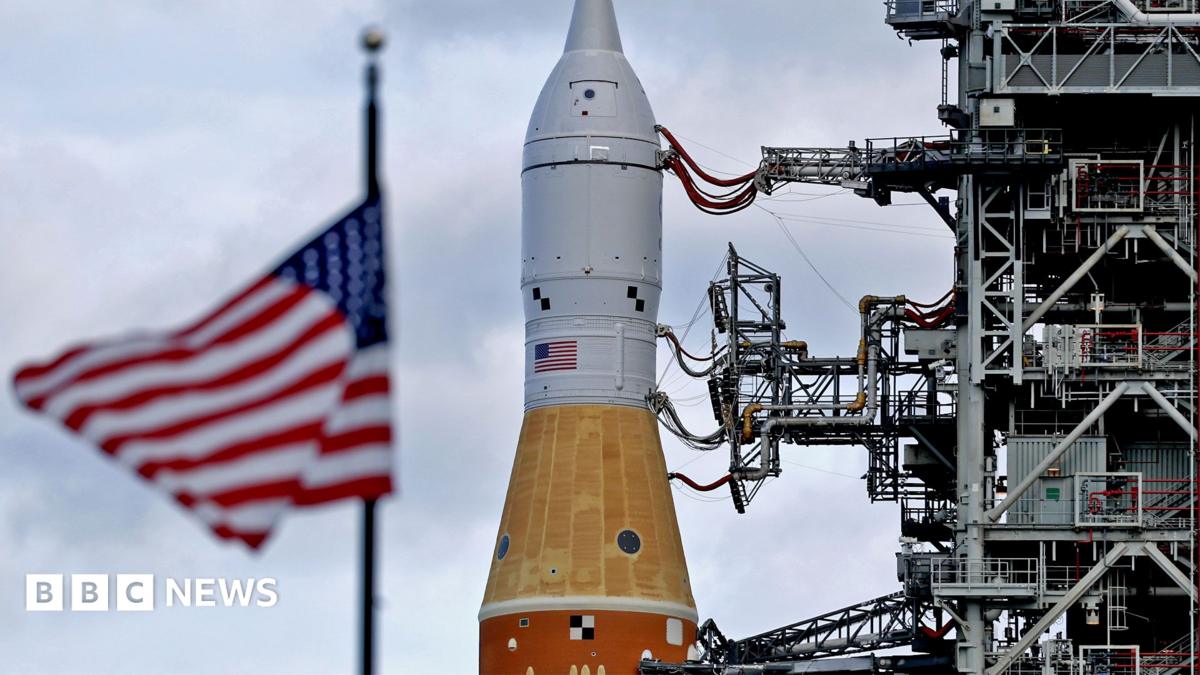
He worked at the Thad Cochran Test Stand (B-1/B-2), originally built to test Saturn V stages during the Apollo Program. There he helped prepare the stand for the Green Run test series of the first Space Launch System core stage, ahead of the Artemis I test flight. NASA says that work helped lay the foundation for the Artemis II flight around the Moon last April, on which the first astronauts to fly aboard Orion traveled farther in space than humans ever have. “Being hands-on with the rocket was a whole different experience,” Spiers said. “Childhood me would have been crazily excited to see it.”
Stennis propulsion work continues. As NovΔ mAInd reported in our coverage of Artemis III processing, test teams at Stennis fired RS-25 development engine No. 10001 for a full-duration 500 seconds on Oct. 21, validating performance for the engines already installed on the Artemis III core stage.
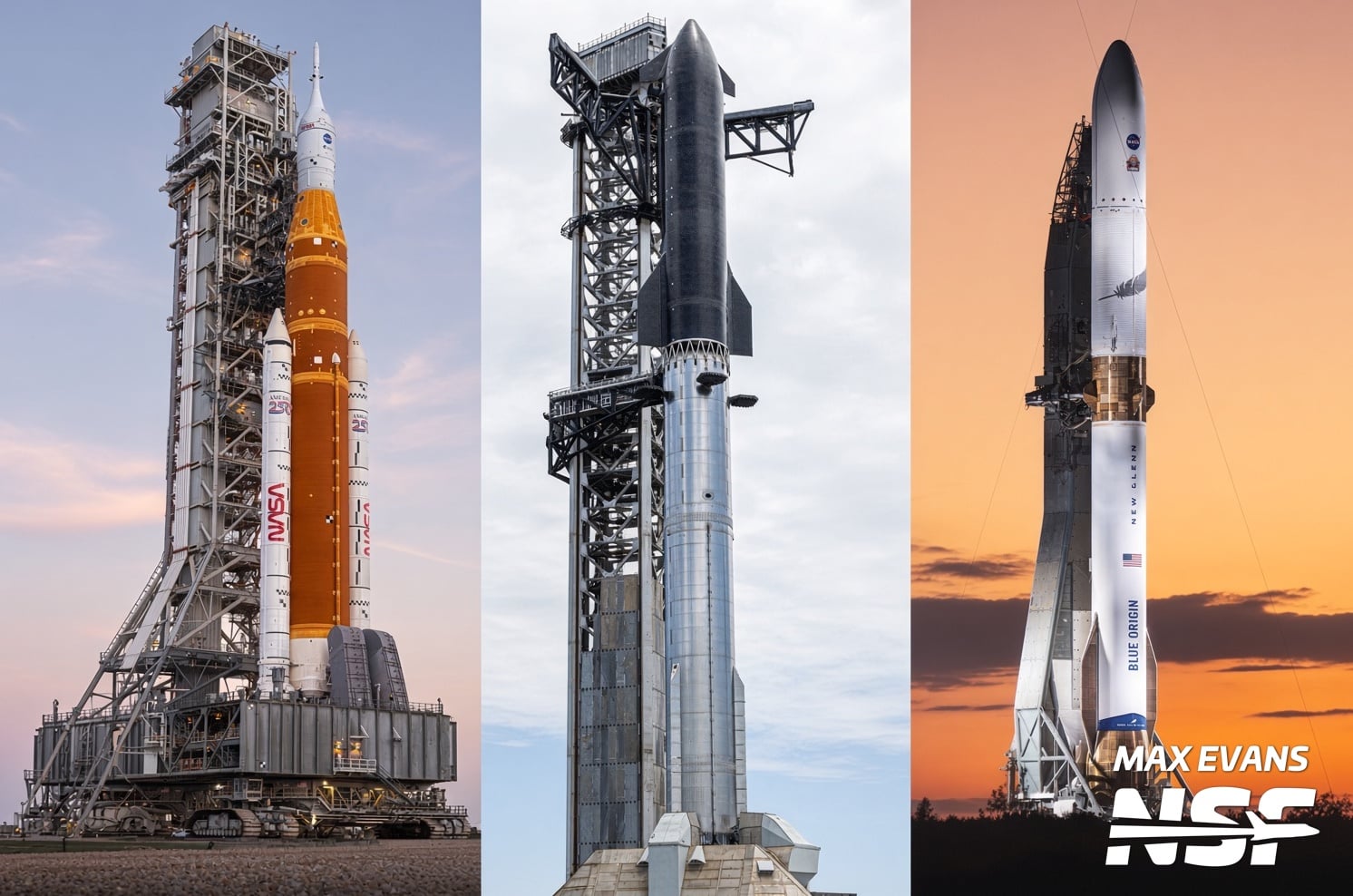
Spiers now works 12-hour shifts that begin at 6 a.m. as part of the team preparing the stand for stage testing of Blue Origin's New Glenn rocket. NASA says this commercial partnership directly supports its goal of landing American astronauts on the Moon and building a Moon Base. He runs conduit and cabling, connects data-collecting instruments, and ensures motor valves operate as intended, making sure facility electronics are operational so accurate data can be collected.
“When I joined NASA, it meant a lot more. It felt like a goal achieved,” Spiers said. “As a contractor, I was never treated any differently, but now with NASA, you feel even more a part of the team. There is more ownership and a very significant sense of pride.”
A family affair at Stennis
His father, Joey Spiers, also moved from longtime contractor to civil servant during the summer and works as an electrical engineering technician. His brother-in-law, Brock Sheppard, joined NASA as a mechanical engineering technician in September. At home in Poplarville, Mississippi, Spiers' six-year-old son points at the International Space Station when it passes overhead, convinced his dad works there, while his younger daughter calls him at work to ask about the rocket.
Spiers credits veteran employees who mentored him straight out of college and says he now pays it forward. During NASA's Career Technical Education Day at Stennis in September, he shared his path to NASA, the importance of a strong work ethic, and how technical skills contribute to the agency's mission with community college students and a virtual audience of thousands. “My crew is great. We love our jobs, we love being together, and we take care of each other,” he said.