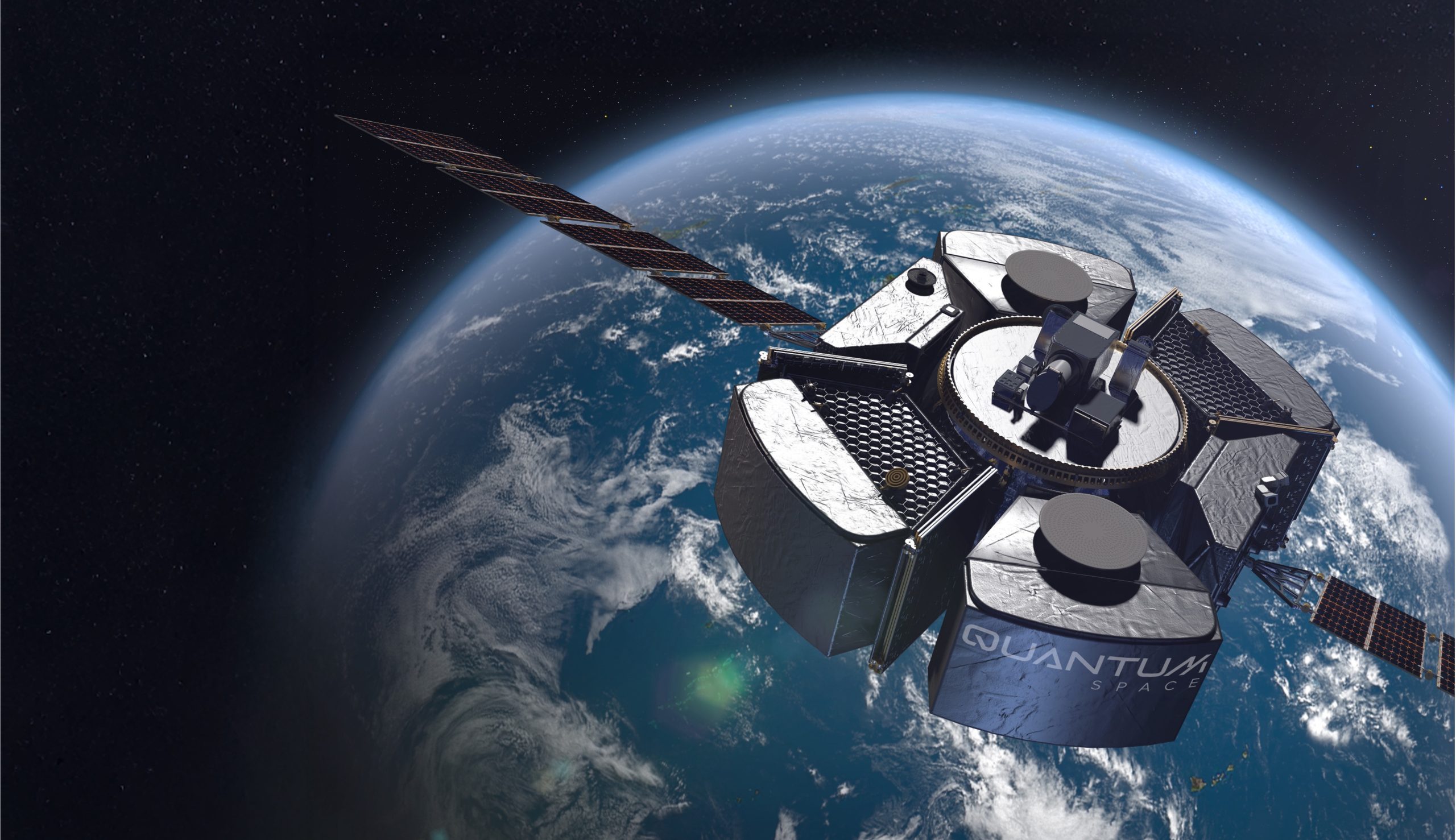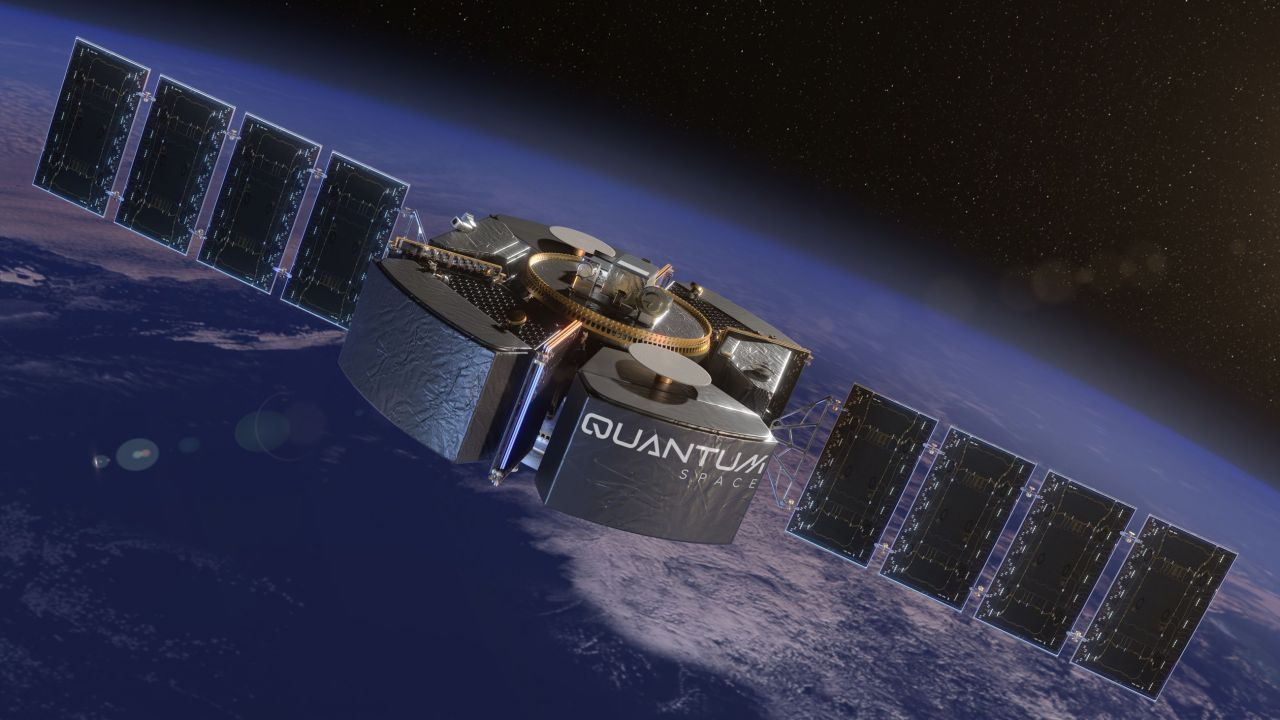
Quantum Space has taken a significant step forward in space logistics by securing a pivotal contract with the Pentagon. This contract aims to demonstrate orbital refueling using Quantum Space's innovative Ranger spacecraft, a move that could reshape the future of space operations. The announcement, made on June 18, 2026, underscores the growing importance of sustainable and efficient methods for maintaining spacecraft in orbit.
The contract from the Department of Defense highlights the strategic interest in developing technologies that can extend the operational lifespan of satellites and other space assets. By enabling spacecraft to be refueled in orbit, Quantum Space is addressing one of the longstanding challenges of space operations: the limited lifespan of satellites due to fuel constraints. This initiative could significantly reduce the costs associated with launching new satellites, as existing ones can be maintained and upgraded in space.
Orbital refueling has been a topic of interest within the aerospace community for years. Traditional satellite missions are constrained by their initial fuel load, which determines their operational life. Once a satellite exhausts its fuel, it can no longer maintain its orbit and eventually becomes space debris. Quantum Space's efforts to demonstrate orbital refueling could mitigate this issue, allowing satellites to remain operational for extended periods.
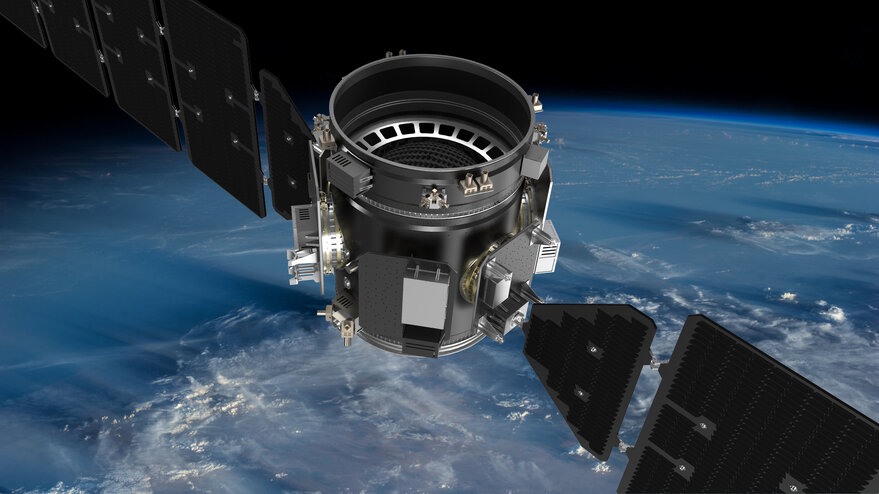
The Ranger spacecraft, central to this demonstration, is designed to interface with a variety of satellite models, providing a flexible solution to refueling needs. This adaptability is crucial as it allows Quantum Space to service a diverse range of satellites, regardless of their design or origin. The Pentagon's interest in such technology is also strategic, as it enhances national security capabilities by ensuring that critical defense satellites can be maintained without the need for frequent replacements.
Quantum Space's initiative is not occurring in isolation. The broader context of space exploration and commercialization sees a growing number of private companies investing in technologies that were once the domain of national space agencies. This shift is part of a larger trend towards privatization and commercialization in the space sector, where companies like SpaceX and Blue Origin have made significant strides in reducing the costs of space access and facilitating new types of missions.
The demonstration of orbital refueling by Quantum Space could also pave the way for more ambitious projects, such as deep space exploration missions. By reducing the dependency on Earth-based refueling, spacecraft could undertake longer missions, potentially exploring distant planets or asteroids with greater autonomy.
The success of this project could have far-reaching implications for both commercial and governmental space operations. It may lead to the development of a new market for in-orbit servicing, where companies offer refueling, repairs, and upgrades to existing satellites. This market could drive innovation and competition, leading to more efficient and sustainable space activities.
In conclusion, Quantum Space's contract with the Pentagon to demonstrate orbital refueling represents a significant milestone in space logistics. By potentially extending the operational life of satellites, this technology could reduce costs and enhance capabilities for both commercial and defense sectors. As the space industry continues to evolve, initiatives like this highlight the essential role of innovation in advancing our understanding and utilization of space.