As the Artemis 2 mission successfully completes the first crewed lunar orbit in over half a century, the Moon is poised to become not just a scientific curiosity but a significant economic frontier for the United States. The successful mission marks a pivotal point in lunar exploration, inspiring new initiatives and investments in space exploration and commercial endeavors.
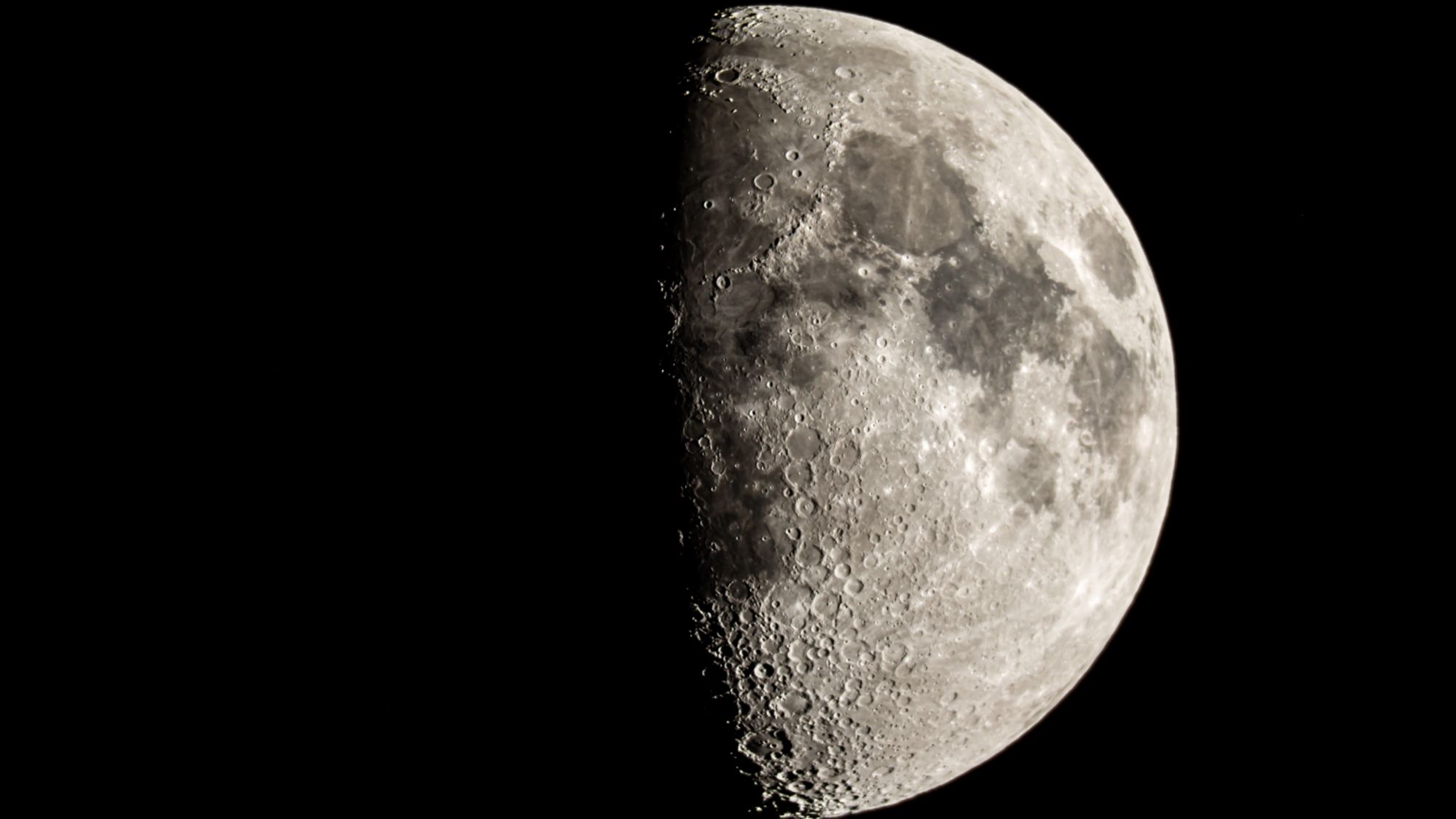
The Moon, located approximately 240,000 miles away from Earth, is being reimagined as a hub for future industries and scientific innovation. NASA's Artemis program, alongside commercial players like Firefly Aerospace, is spearheading this renewed interest. The Artemis 2 mission is a testament to the technological advancements and collaborative efforts that are shaping the future of lunar exploration.
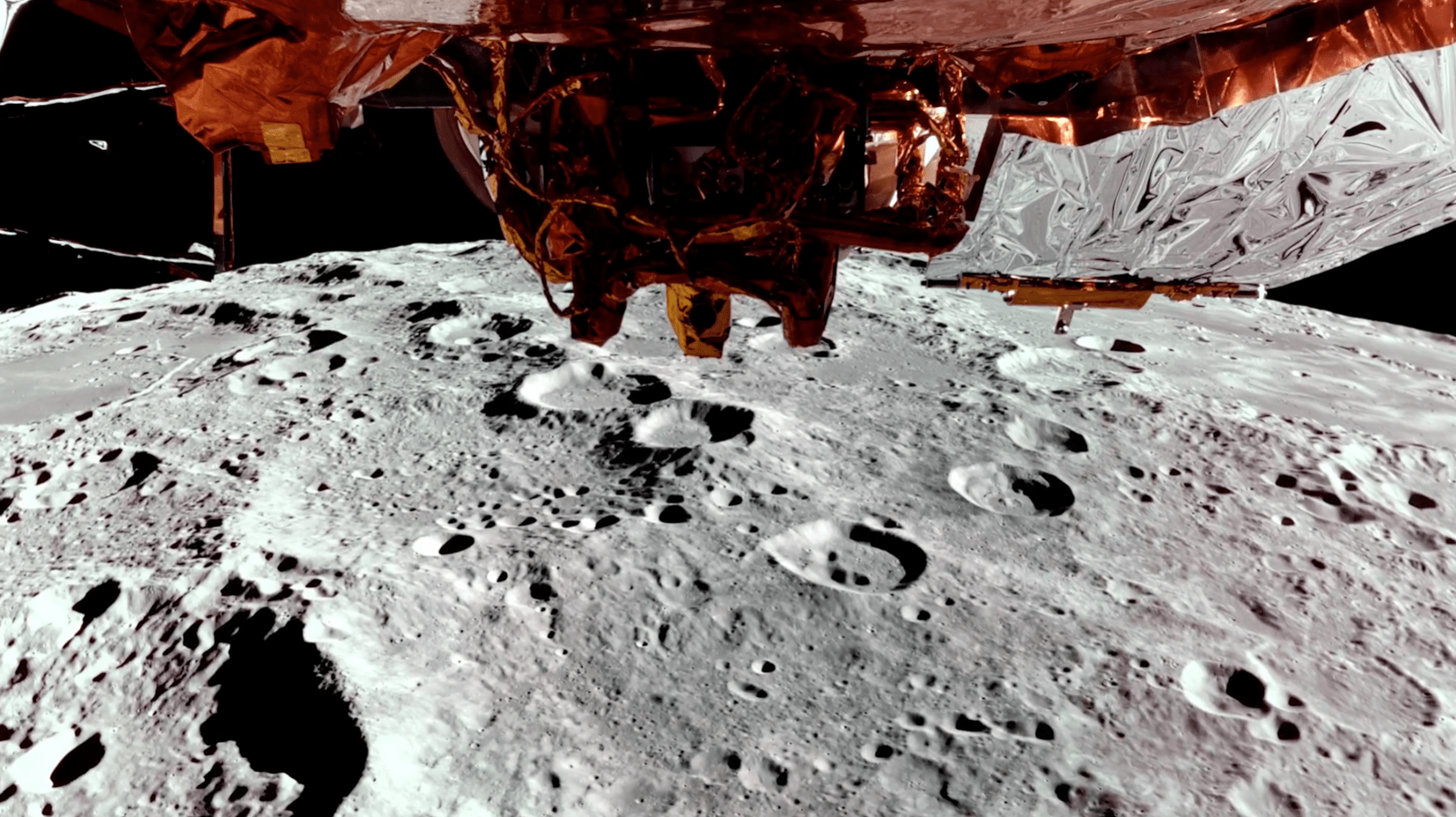
Firefly Aerospace made history by landing the first commercial spacecraft, the Blue Ghost lander, on the Moon on March 2, 2025. This groundbreaking mission operated NASA's science and technology instruments on the lunar surface for over two weeks, drilling, sampling, and surveying the landscape. The data collected has provided invaluable insights, paving the way for further exploration and potential resource utilization.
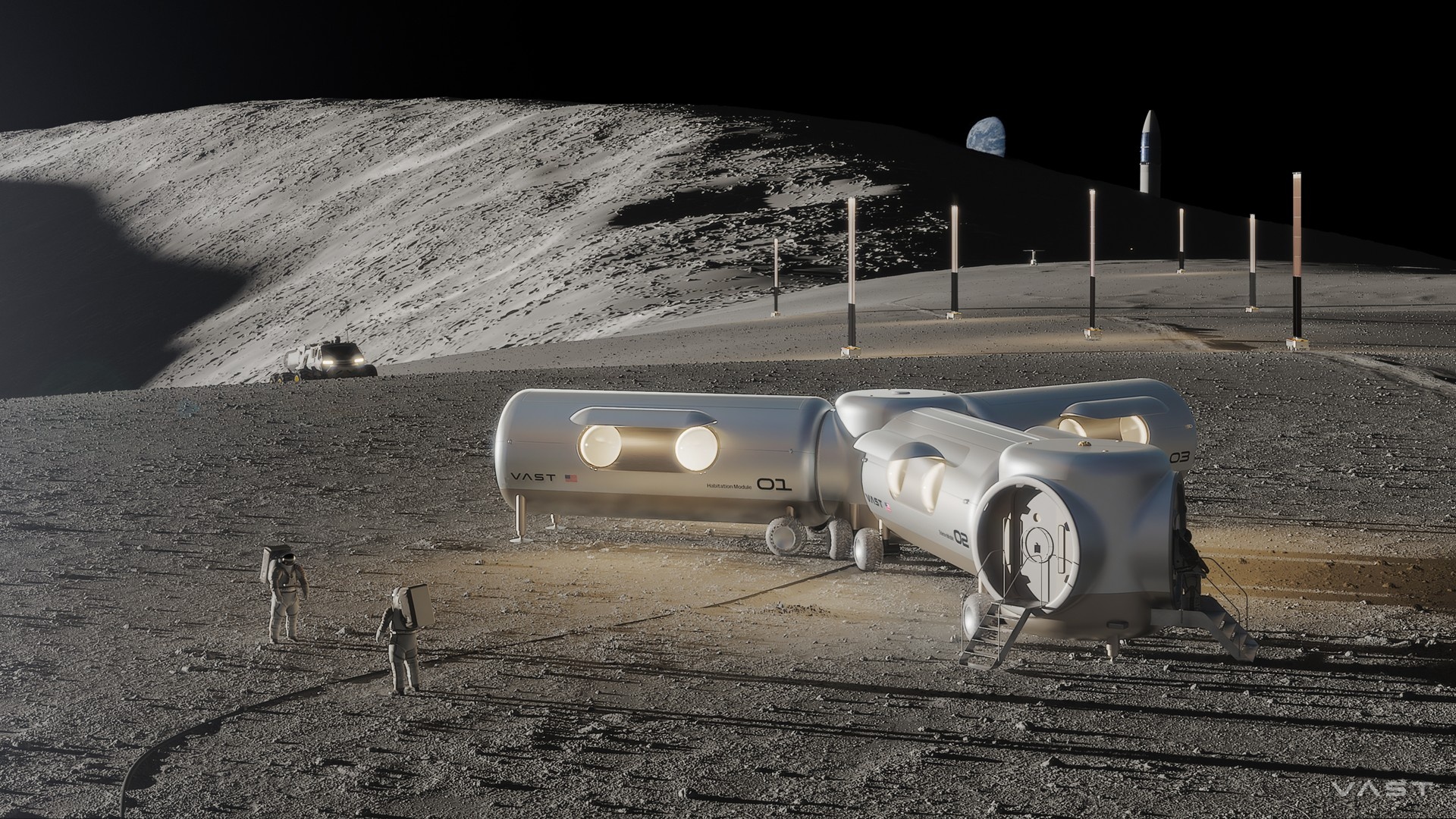
The Moon's surface holds the promise of valuable resources. Water ice, which can support sustained human presence, is one of the most critical discoveries. Additionally, potential deposits of hydrogen, helium-3, and other materials could lead to the development of entirely new industries beyond Earth. These resources are essential not only for supporting future lunar habitats but also for facilitating deeper space missions.
However, the journey to harness these resources is fraught with challenges. Developing the capability to land, operate, extract, and sustain life in the Moon's harsh environment requires significant technological advancements and infrastructure. Political will, particularly from Congress, is crucial to maintaining momentum and funding for these ambitious lunar exploration programs.
The renewed focus on the Moon echoes the spirit of the Apollo era, a time characterized by ambition, urgency, and national resolve. Just as the Apollo missions achieved what once seemed impossible, today's efforts aim to establish a sustainable presence on the Moon, driven by both scientific inquiry and economic potential.
As the public becomes increasingly engaged with this new space race, the stakes are high. The successful commercialization of space, highlighted by companies like SpaceX going public, illustrates the growing interest and potential profitability of space industries. The Moon, with its untapped resources, is central to this vision of a space-based economy.
The implications of lunar exploration are far-reaching. Establishing a foothold on the Moon could serve as a launchpad for missions to Mars and beyond, fundamentally altering humanity's relationship with space. The lessons learned from current missions will inform the strategies and technologies needed for sustained lunar exploration and habitation.
In conclusion, the Moon is no longer a distant, unreachable body in the sky. It is America's next great economic frontier, ripe with possibilities that extend beyond our planet. The path forward will require innovative solutions, international collaboration, and unwavering resolve. As we stand on the cusp of this new era, the Moon holds the key to unlocking the next chapter in human exploration and economic expansion.