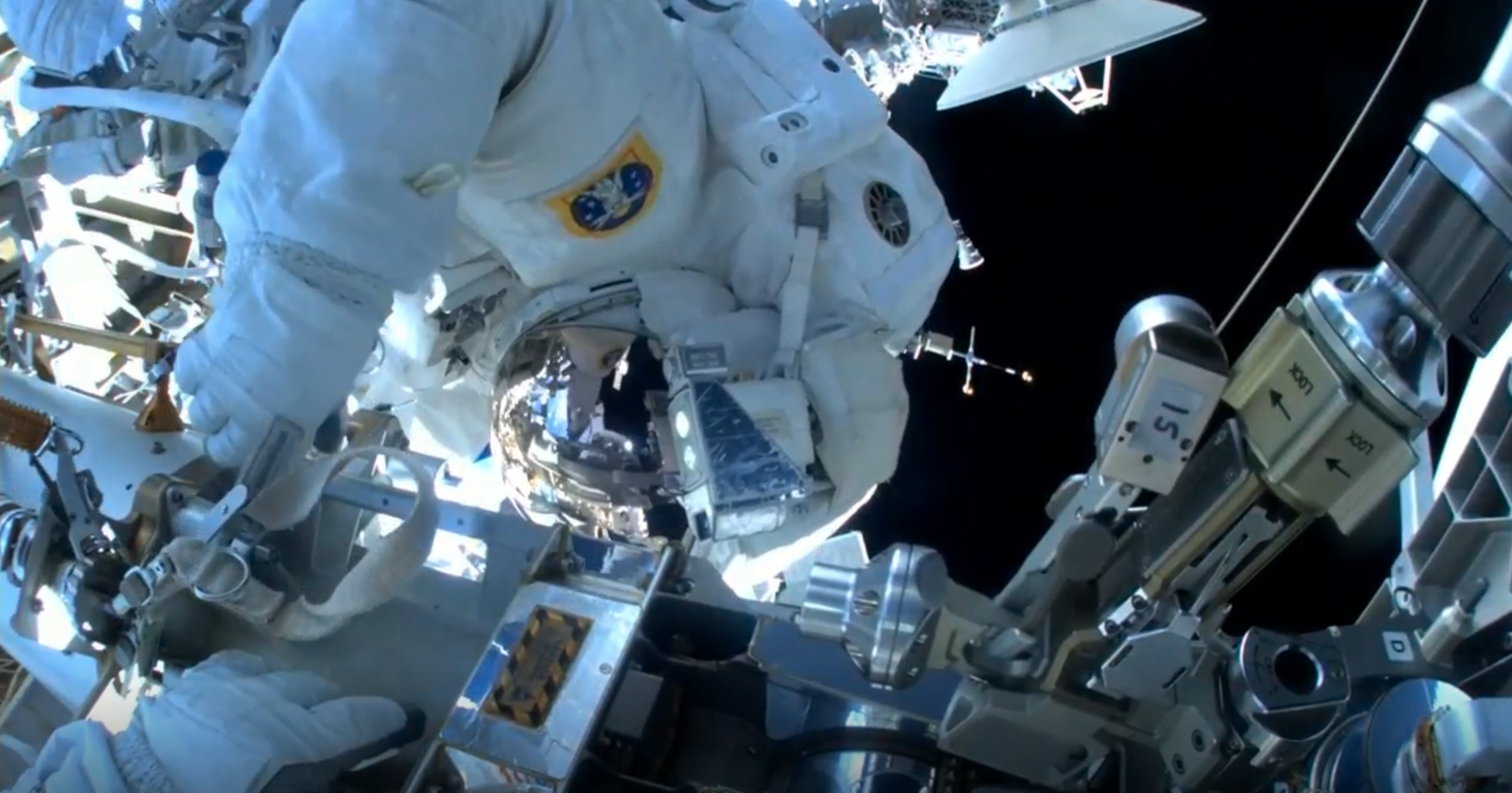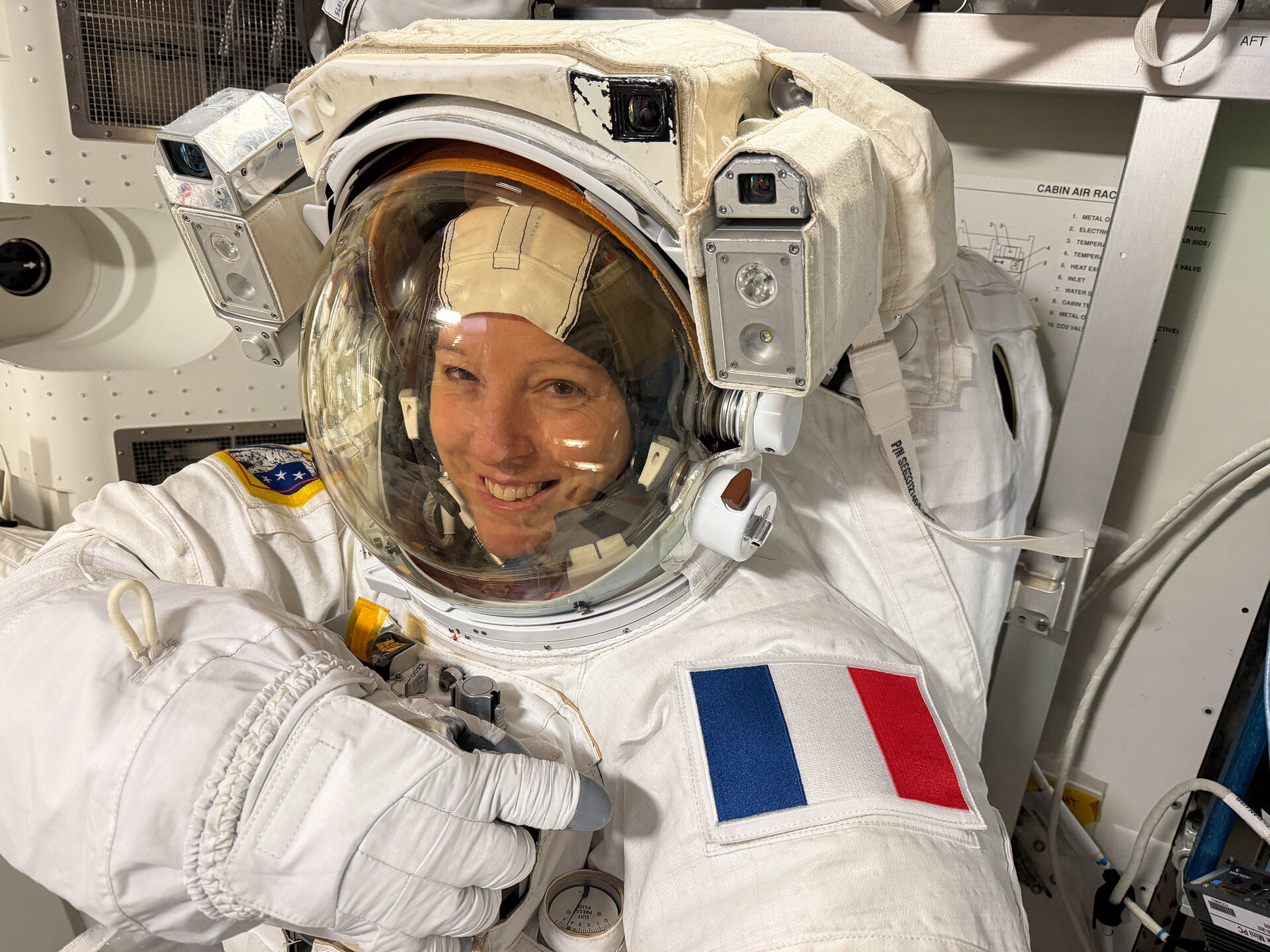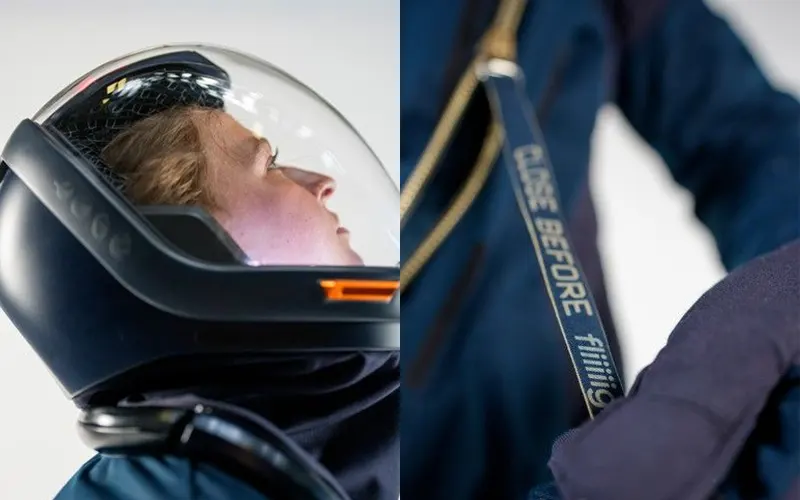
In a significant stride towards advancing space technology, ESA astronaut Sophie Adenot has been at the forefront of testing a new European spacesuit prototype, the EuroSuit, aboard the International Space Station (ISS). This project, spearheaded by the French space agency CNES, marks a collaborative effort involving Spartan Space, the Institute of Space Medicine and Physiology (MEDES), and sporting goods retailer Decathlon.
The EuroSuit project emerged in December 2023 as a response to the growing need for efficient and reliable intravehicular activity (IVA) suits that facilitate astronauts' mobility and safety within spacecraft. The development of the suit is a testament to European innovation in the field of space exploration, aiming to address the unique challenges posed by microgravity environments.
Adenot's involvement in the project began in earnest when an early prototype of the EuroSuit was delivered to the ISS in May 2026, courtesy of SpaceX’s 34th mission under NASA’s Commercial Resupply Services contract. The primary goal of the tests conducted by Adenot was to assess the suit’s donning efficiency, targeting a time frame of two minutes or less, as well as to evaluate its ergonomics and comfort. The testing took place in the European Columbus laboratory module of the ISS, following her work in the Kibo laboratory module on the Odyssey biotechnology investigation.
During the testing sessions, Adenot meticulously documented her experience, providing valuable feedback on the suit's performance. Her observations focused on how quickly and easily the suit could be put on and removed, its comfort, and her ability to interact with objects while wearing it. This feedback is crucial for engineers who are looking to optimize the suit's design for future missions.
The testing on the ISS is a part of a broader evaluation strategy. Following Adenot’s second testing session on 11 June, the EuroSuit underwent a thorough water survival test campaign in Marseille, conducted by Spartan Space. These tests are designed to simulate emergency scenarios, including buoyancy challenges, life raft boarding, and helicopter recovery operations. Such evaluations are essential to ensure the suit’s effectiveness in various critical situations that astronauts might face during their missions.
The EuroSuit testing aboard the ISS is scheduled to include a total of three sessions, with the final one anticipated to further refine the suit's ease of use and efficiency. Once the testing is complete, the prototype is expected to be discarded, as is common practice with many experimental items aboard the ISS.
This initiative not only highlights the collaborative efforts within the European space community but also underscores the continuous evolution of space technology. The EuroSuit represents a significant step forward in enhancing the safety and functionality of spacesuits, potentially setting new standards for future intravehicular suits.
As space exploration missions become increasingly frequent and complex, the development of advanced spacesuits like the EuroSuit will be pivotal. Such innovations are essential to support astronauts' needs as they engage in longer and more intricate missions, including those that extend beyond the ISS to destinations such as the Moon and Mars.
The EuroSuit project exemplifies the proactive approach taken by European space agencies in addressing the challenges of human spaceflight. With the promising results from the ongoing tests, the EuroSuit may soon become a staple of European contributions to international space missions, further solidifying Europe’s role in the global space exploration arena.