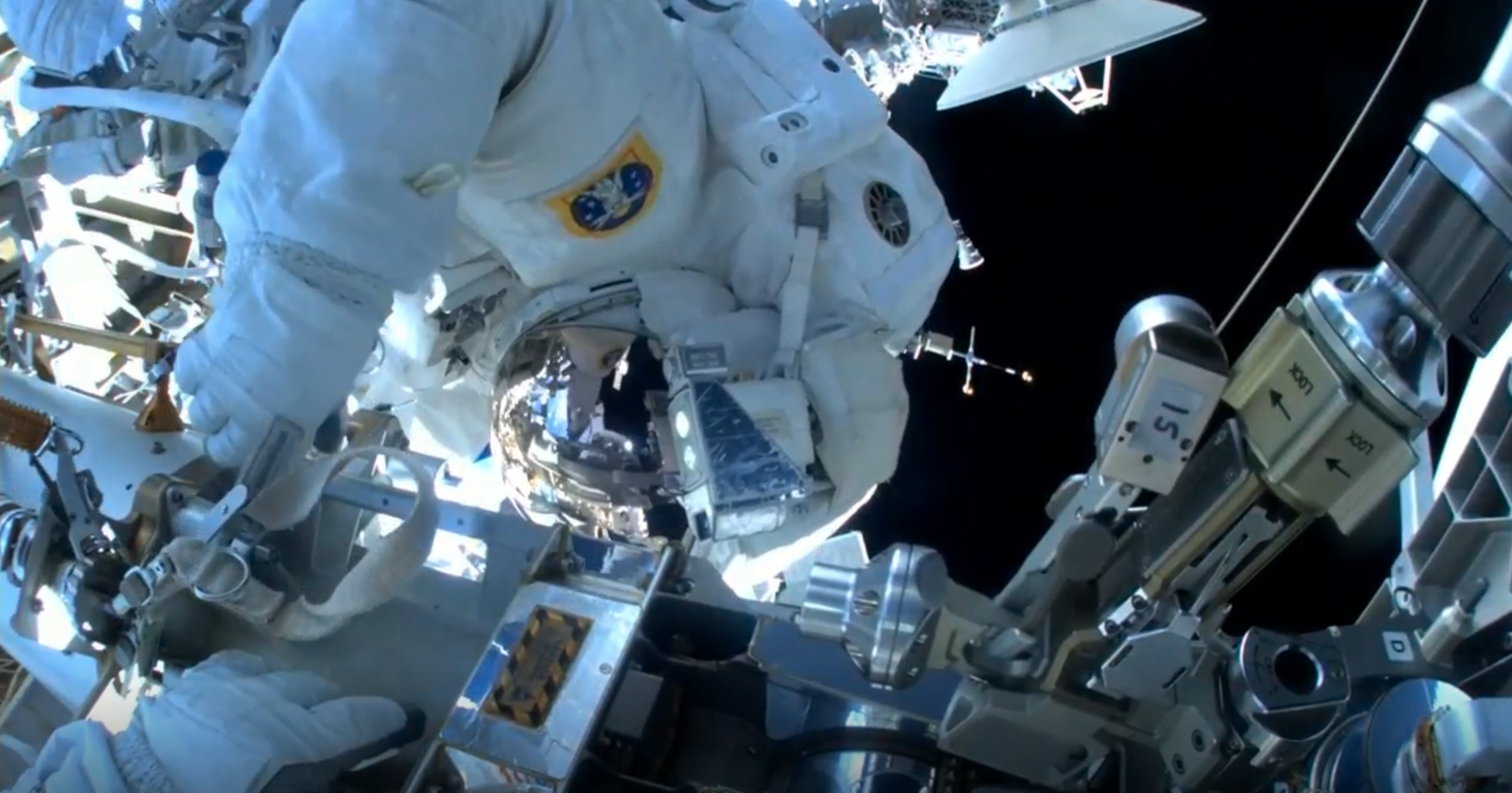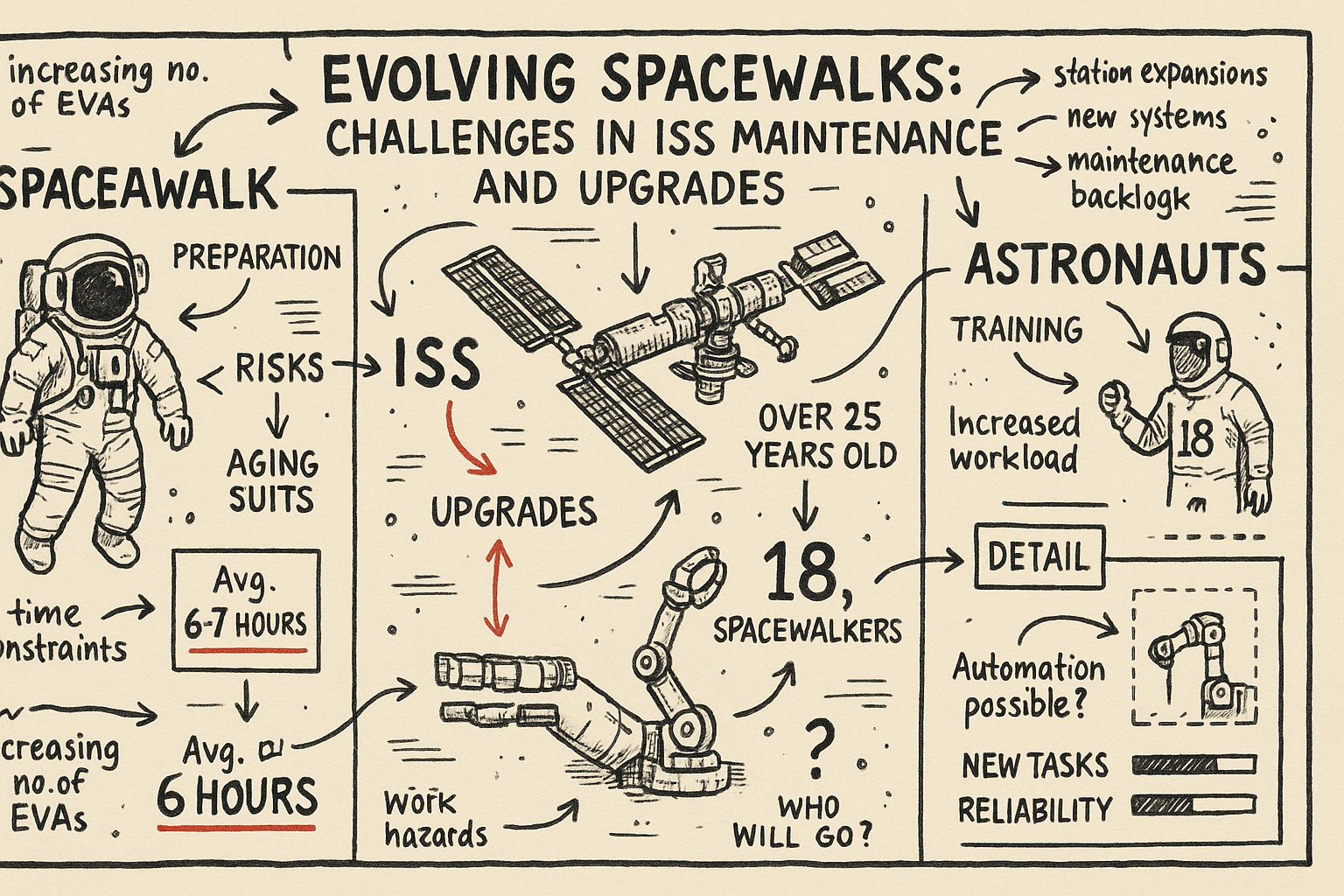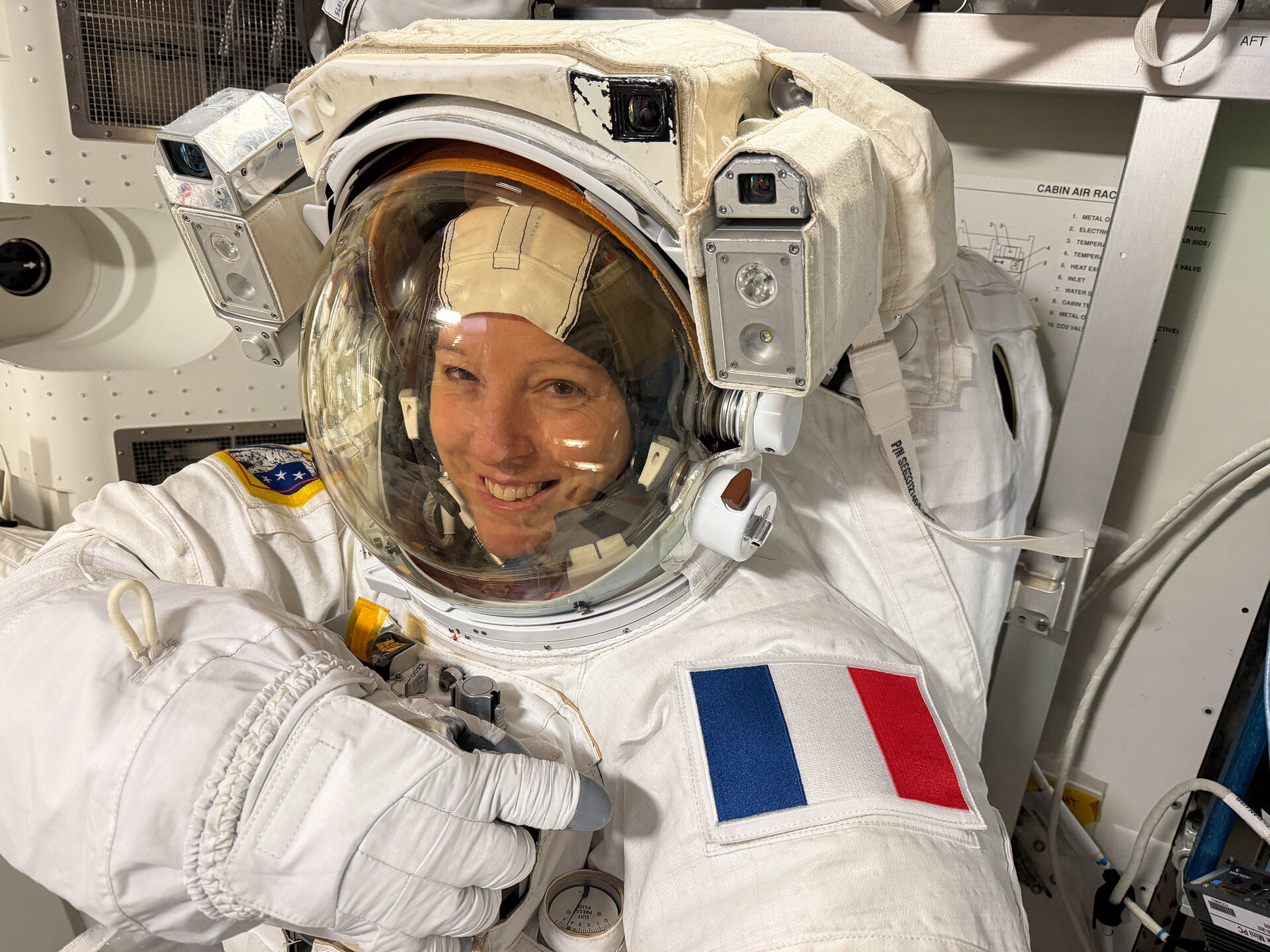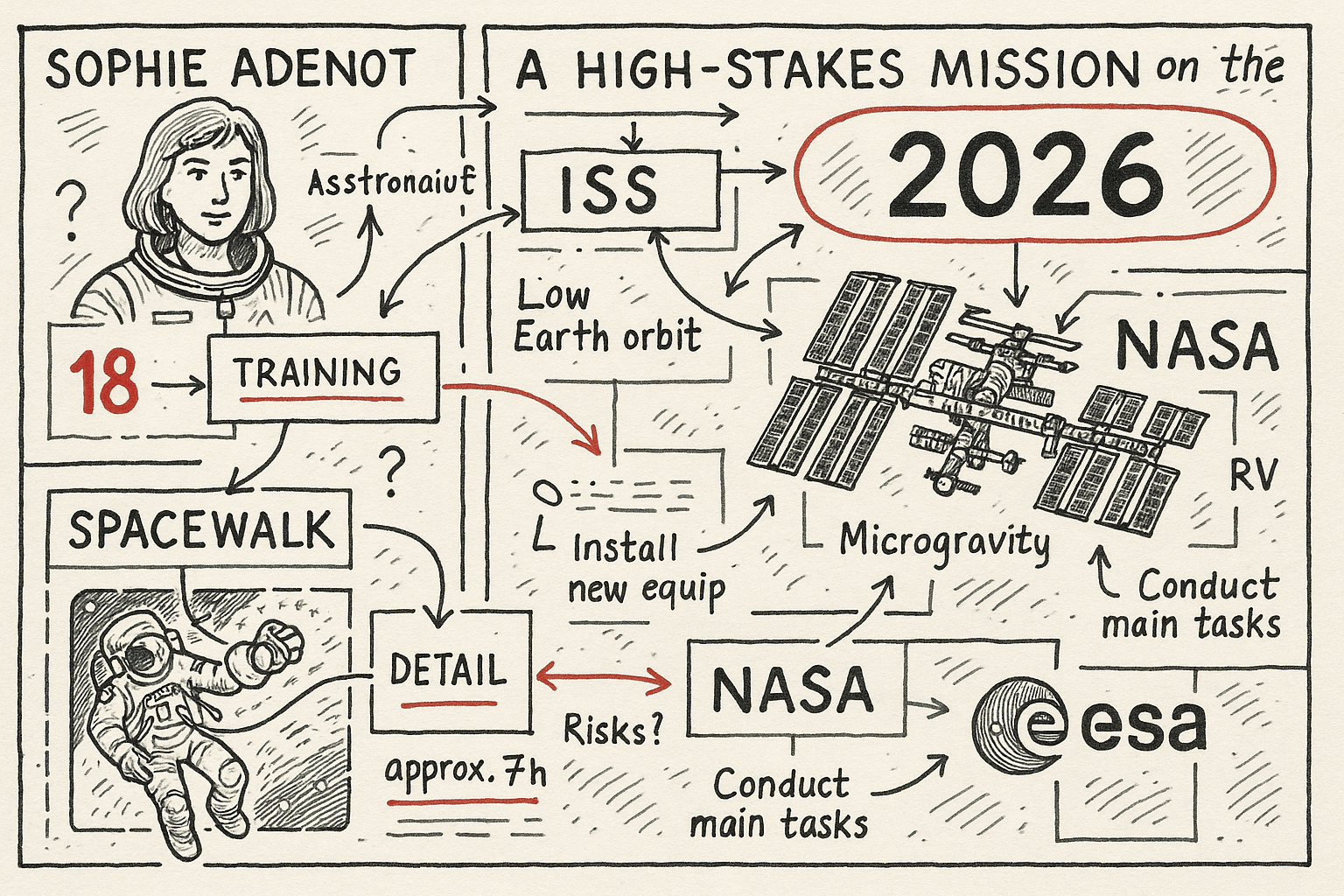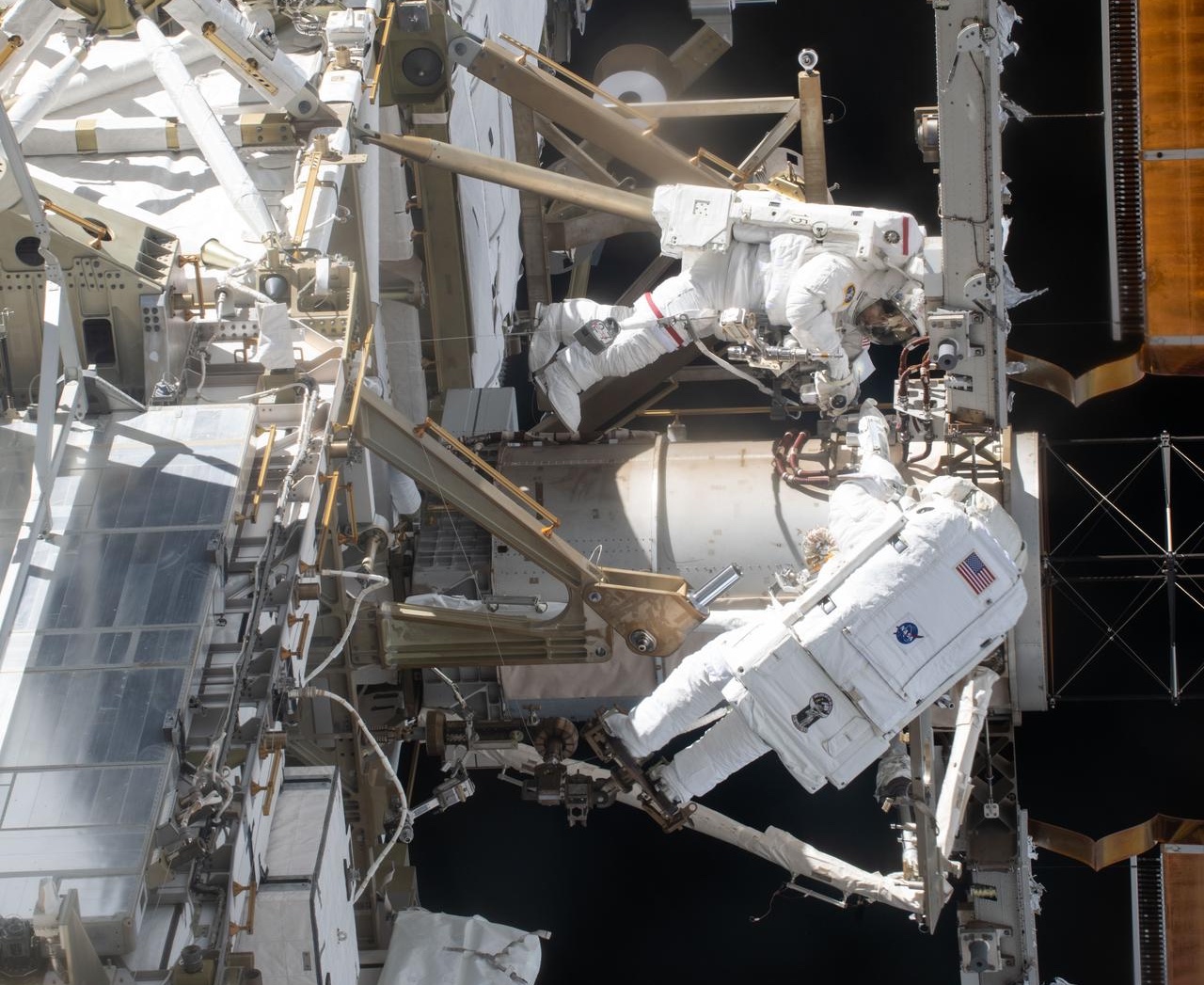
As NASA astronauts Jessica Meir and Chris Williams gear up for a spacewalk on June 30, 2026, to repair the International Space Station's (ISS) Canadarm2 robotic arm, concerns about the station's long-term health and operational sustainability have been brought to the forefront. The spacewalk, expected to last six and a half hours, will focus on replacing a malfunctioning wrist joint in the Canadarm2, a task that underscores the aging infrastructure of the ISS.
During a briefing on June 25, Bill Spetch, NASA ISS operations and integration manager, explained that the arm displayed an elevated motor current and did not move as expected during routine operations. Engineers identified the malfunctioning joint, prompting the need for immediate replacement using a spare part available on the station. Spetch emphasized that systems like Canadarm2 were designed with replaceable components, making maintenance a planned aspect of their use.
This upcoming spacewalk marks the 280th in the history of the ISS program and is the first of several planned for the coming months. Subsequent spacewalks will aim to install components for a new solar array, repair electrical jumpers, and replace a communications antenna, demonstrating the ongoing need for maintenance as the station nears its planned retirement date in 2030.
The ISS's health has become a significant concern for the Aerospace Safety Advisory Panel (ASAP), NASA's independent safety committee. Susan Helms, chair of the panel and a former astronaut, raised alarms over the management of critical spares and resupply items, which have become challenging due to the station's age. She cautioned against reducing the ISS budget prematurely, highlighting that the temptation to decrease funding could jeopardize the station's safe operation. Helms praised the NASA ISS team for managing risks effectively but warned that the margin for safety has diminished to worrying levels.
Another critical issue is the condition of the spacesuits, known as Extravehicular Mobility Units (EMUs), used during spacewalks. The aging hardware and ongoing supply chain issues have exacerbated the risk associated with EMUs. Currently, there are four operational suits on the station, and while a life-extension plan is in place, the situation remains delicate.
Bill Spetch attempted to alleviate some concerns during the briefing by stating that NASA has four operational spacesuits that are in good condition, and he downplayed broader worries about the station's health. However, the challenges outlined by Helms and the need for ongoing repairs suggest that maintaining the ISS in its final years will require careful management and sustained funding.
The ISS has been a cornerstone of international collaboration in space since its launch in 1998. Over the years, it has served as a platform for scientific research and a symbol of human ingenuity. However, as it approaches the end of its planned operational life, discussions about its future and the transition to new platforms, such as commercial space stations or lunar bases, are becoming increasingly pertinent.
Looking ahead, NASA and its international partners must balance the ISS's current operational demands with future aspirations for space exploration. This includes ensuring that the necessary resources and funding are available to maintain the station's safety and functionality until its retirement. The upcoming series of spacewalks highlights the ongoing need for vigilance and adaptability as the ISS continues to serve as a vital node for scientific advancement and international cooperation.