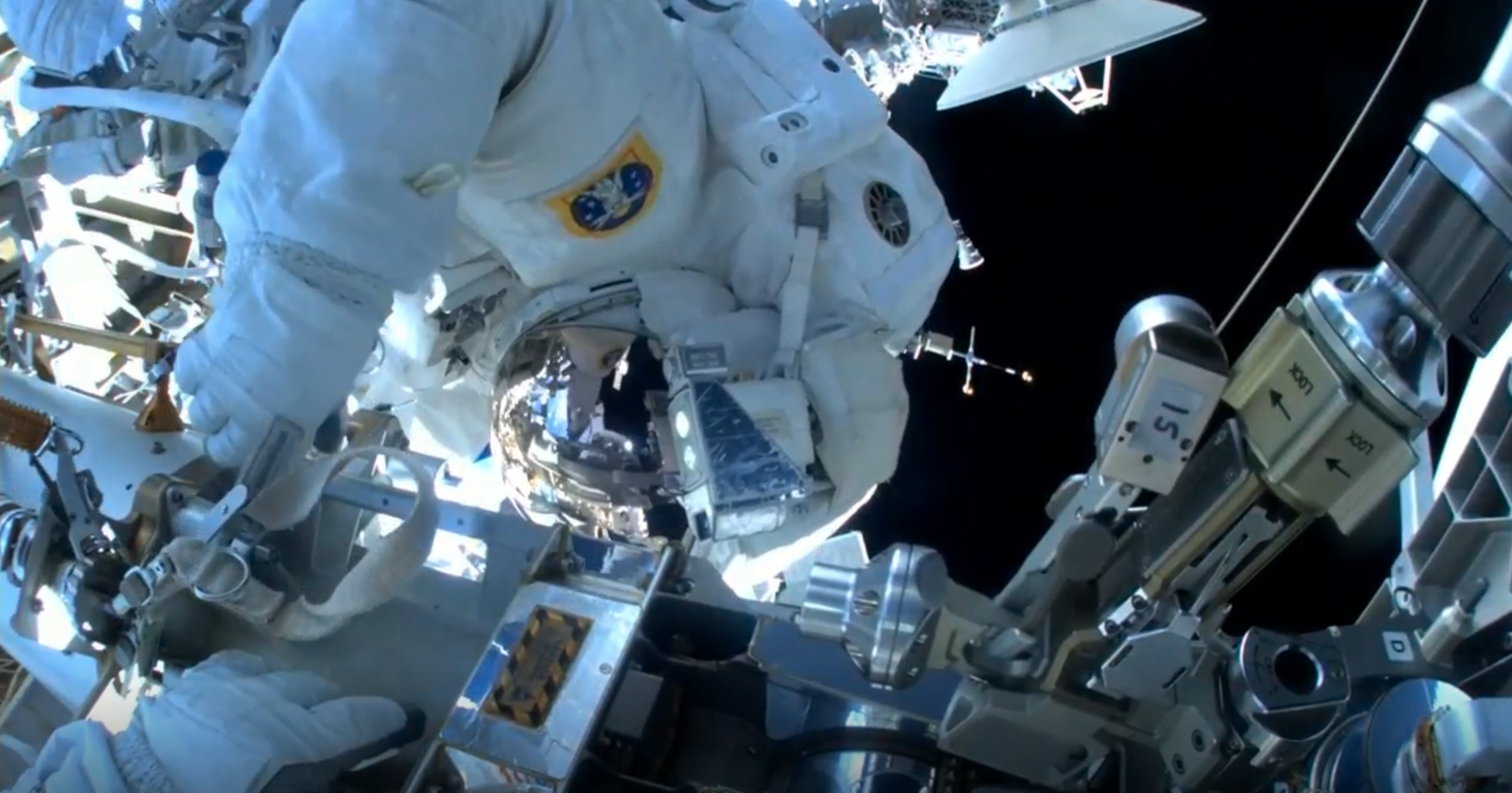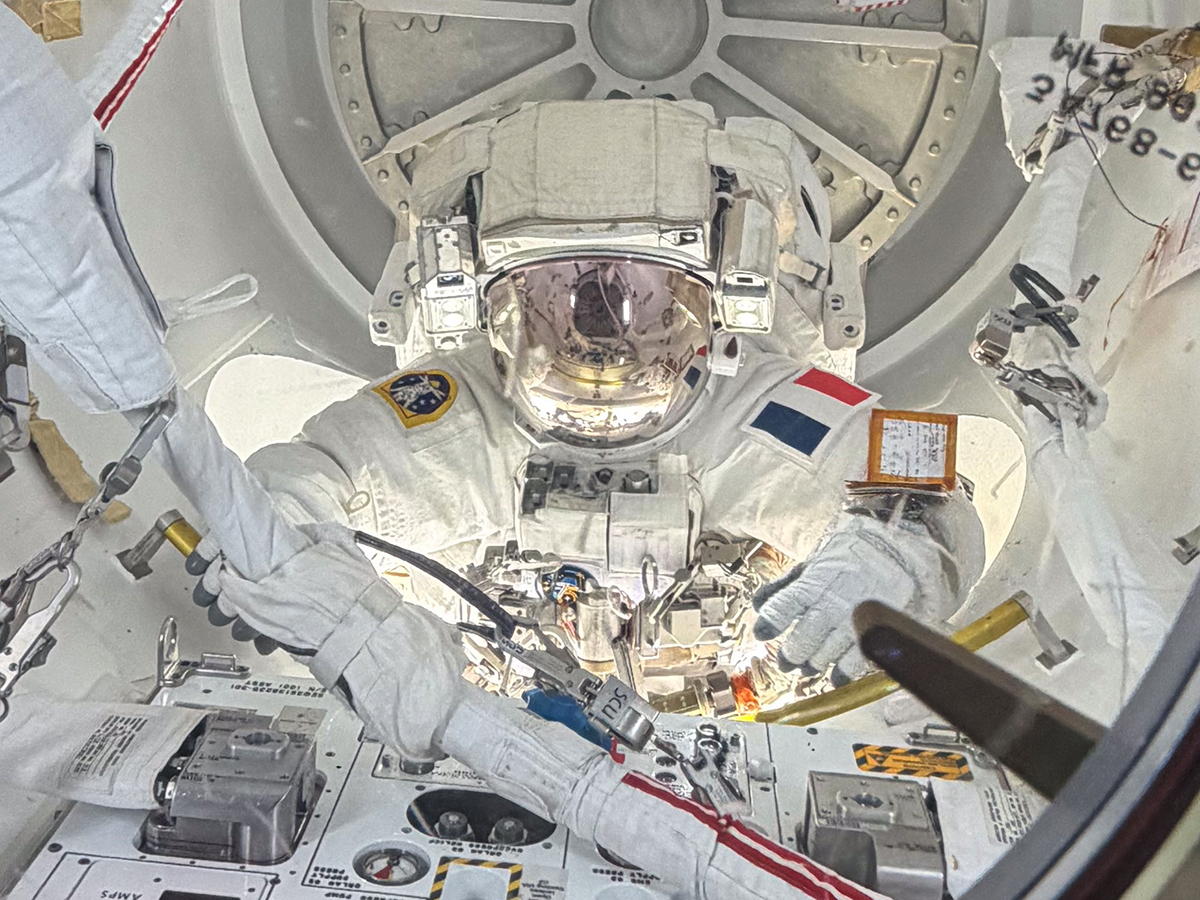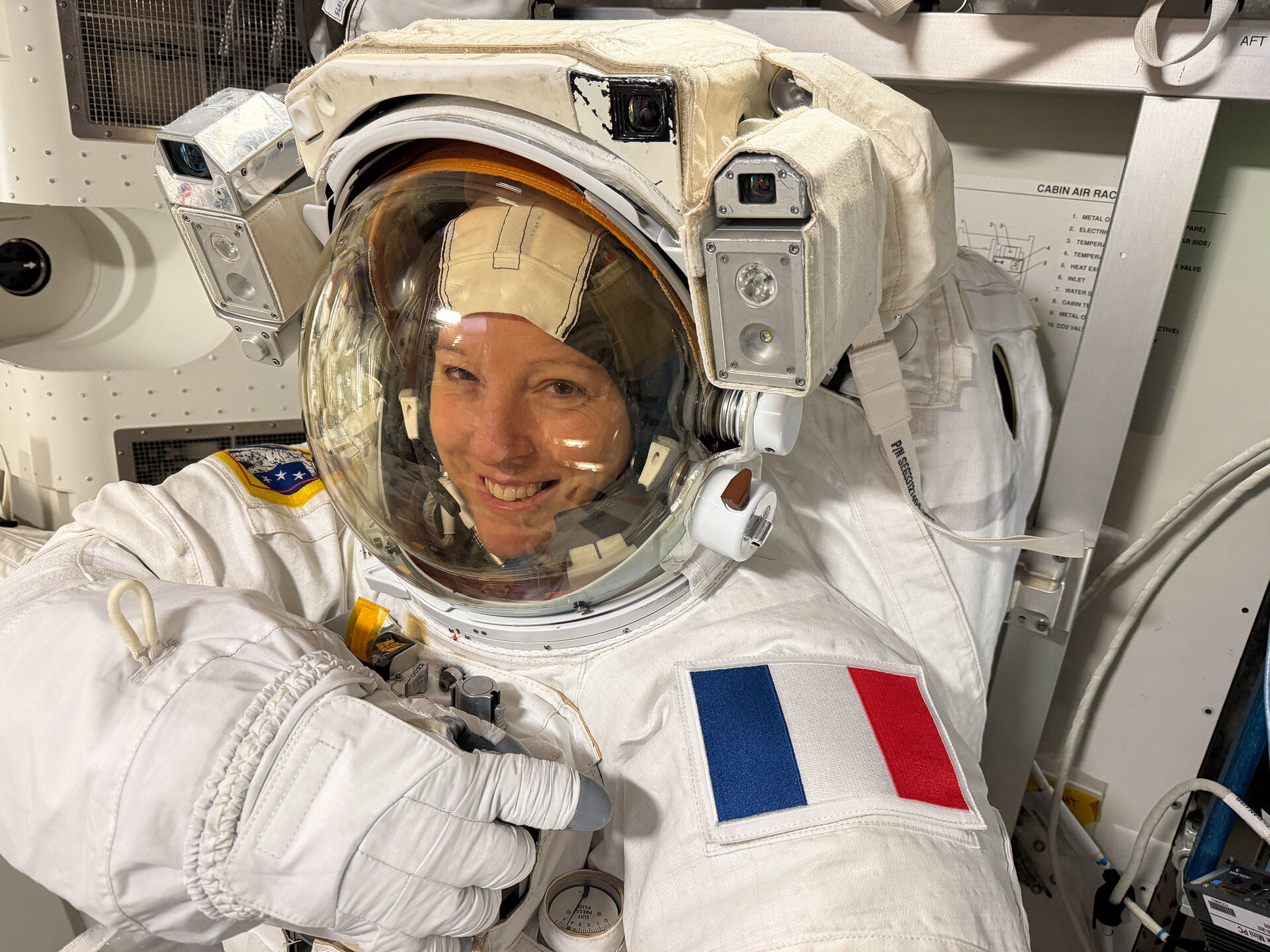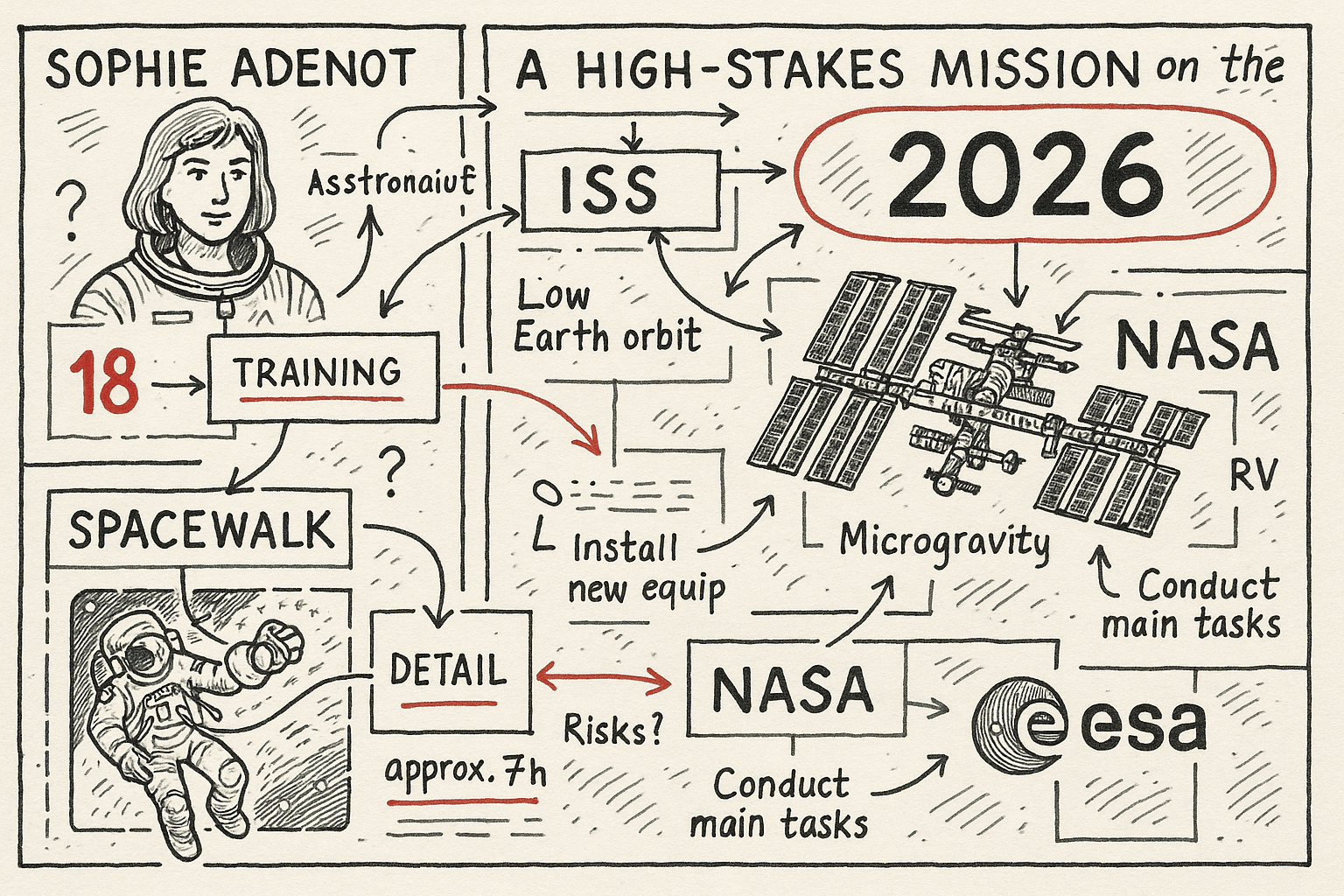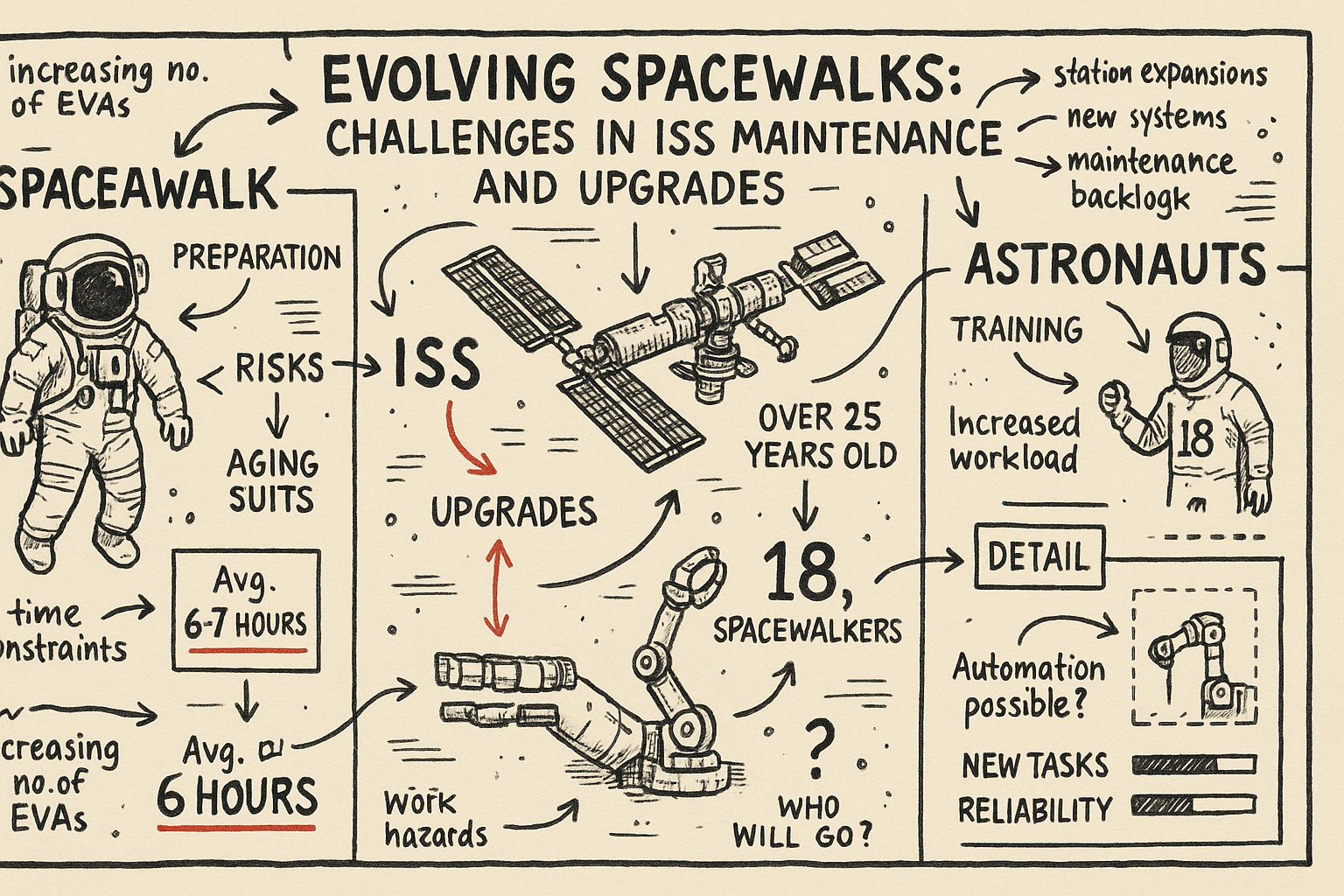
The recent spacewalks aboard the International Space Station (ISS) serve as pivotal moments in the ongoing saga of human space exploration. On August 18, 2026, NASA astronaut Anil Menon and ESA astronaut Sophie Adenot, the first French woman to conduct a spacewalk, ventured outside the ISS to remove a failed antenna. However, they ran out of time to install its replacement, illustrating the intricate challenges that these extravehicular activities (EVAs) present.
This operation was the 282nd EVA dedicated to the ISS's assembly and maintenance since its inception in 1998. Over the years, these spacewalks have accumulated a staggering 74 days, 10 hours, and 44 minutes of EVA time. This latest mission marks the fifth EVA of the year, underscoring the continuous need for hands-on human intervention in maintaining the station's functionality.
The historical context of these spacewalks is essential to understanding their complexity. Initially, EVAs were relatively straightforward, focusing on assembling the ISS from its modular components. As the station has matured, the focus has shifted towards maintenance and upgrades, such as the recent preparations for a solar array upgrade. This evolution reflects the growing sophistication of space technology and the need for human adaptability and problem-solving skills.
The Challenge of Time and Space
A surprising aspect of the August 18 spacewalk was the inability to complete the antenna replacement. Time constraints in spacewalks are not new; however, they highlight the unpredictability and difficulty of working in the vacuum of space. Each task requires meticulous planning, yet unforeseen issues can arise, as seen in this case.
The complexity of the tasks is compounded by the physical and psychological demands on astronauts. The suit limitations, the need for precise coordination, and the psychological pressure of working in an environment where every second counts make these missions extraordinarily challenging. This reflects a broader theme in space exploration: the unpredictability of space environments and the need for robust contingency planning.
Implications for Future Missions
The lessons learned from these spacewalks are invaluable for future missions. As space agencies worldwide aim for the Moon and Mars, the ability to perform complex repairs and upgrades will be crucial. The ISS serves as a testbed for these advanced operations, providing insights into the logistics of maintaining long-term outposts beyond Earth.
The recent spacewalk also underscores the importance of international collaboration. The participation of ESA astronaut Sophie Adenot highlights the global nature of space exploration today. Such joint missions enhance the exchange of knowledge and expertise, fostering an environment where nations can work together towards shared goals.
Looking ahead, the continued evolution of EVA technology will be pivotal. The development of more advanced space suits, tools, and robotic assistance could mitigate some of the current challenges, making these operations safer and more efficient. This technological advancement, coupled with rigorous training and planning, could extend the capabilities of human spaceflight significantly.
The Human Element
Ultimately, the success of EVAs boils down to the human element. Astronauts like Anil Menon and Sophie Adenot exemplify the courage, skill, and determination required to advance humanity's presence in space. Their work inspires future generations of scientists, engineers, and explorers who will build upon today's achievements to reach new cosmic frontiers.
In conclusion, while the August 18 spacewalk did not meet all its objectives, it remains a testament to human ingenuity and resilience. As the ISS continues to orbit Earth, each EVA brings us closer to a future where humans can live and work in space more regularly and safely.