NASA's Expedition 75 crew is poised for a significant step forward in enhancing communication capabilities on the International Space Station (ISS). Scheduled for Tuesday, this critical spacewalk will involve the installation of a high-speed antenna, a development that underscores the ongoing efforts to boost the station’s data transmission infrastructure.
The installation of this high-speed antenna marks an important upgrade for the ISS, a facility that has been orbiting Earth since its first module was launched in 1998. The focus of this spacewalk is to improve the efficiency and speed of data transmission between the station and mission control on the ground. As the ISS continues to host a variety of scientific experiments and international collaborations, the need for reliable and faster communication becomes increasingly crucial.
Over the years, the ISS has evolved from a simple assembly of modules into a complex laboratory that supports a wide array of scientific research. The station serves as a unique platform for experiments that cannot be conducted on Earth, offering insights into fields such as biology, physics, and materials science. The data generated from these experiments often requires swift and secure transmission to Earth for analysis and decision-making.
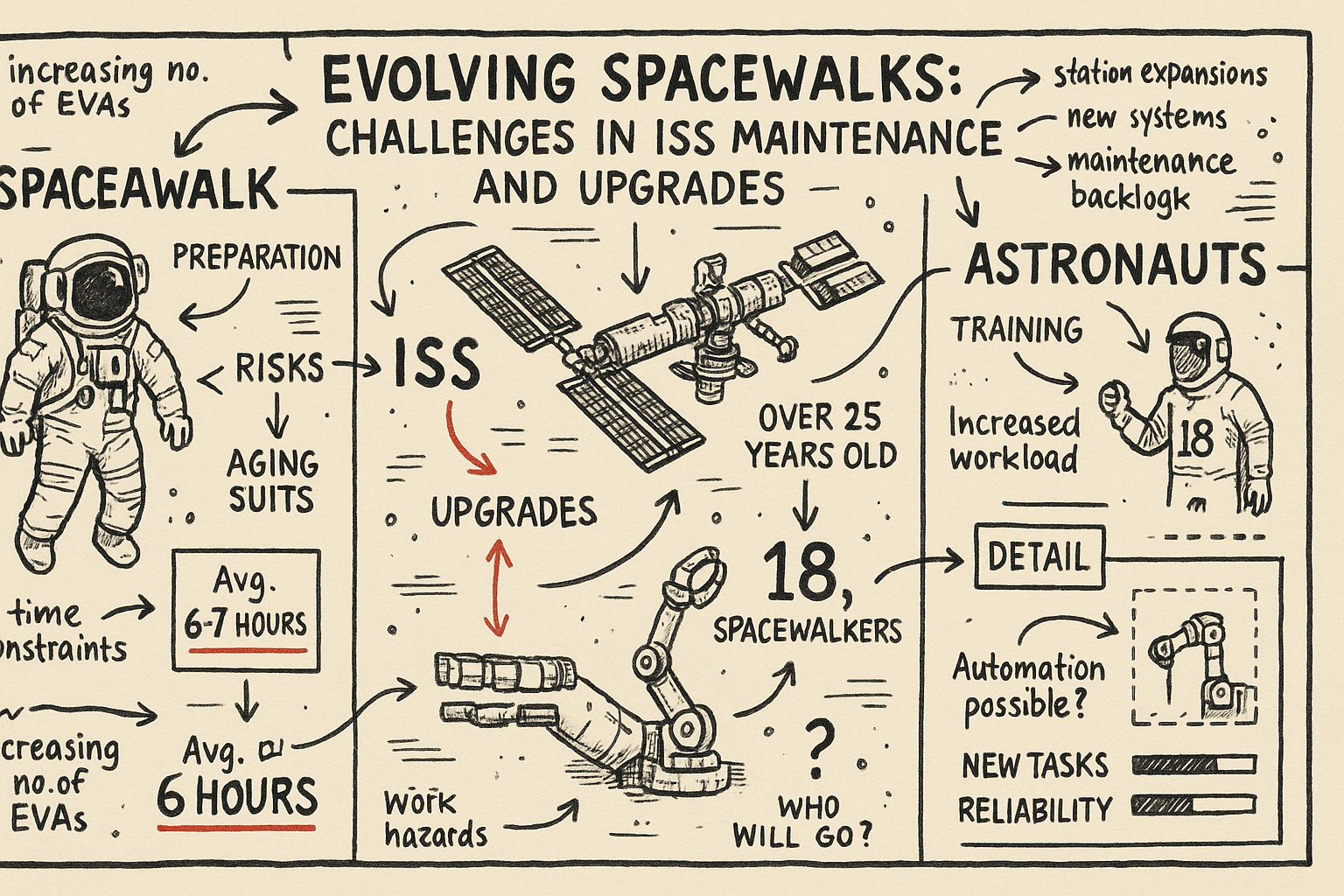
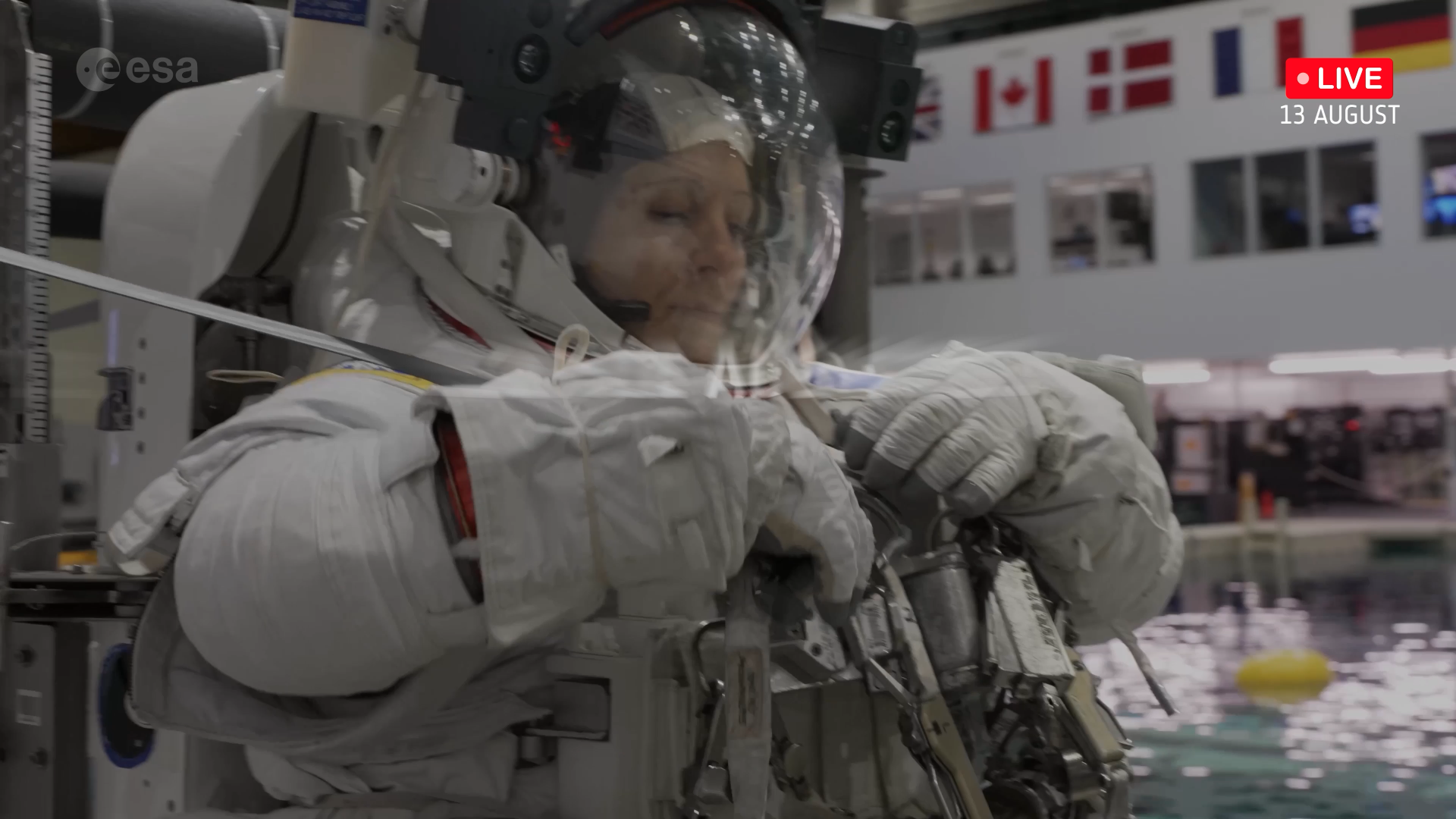
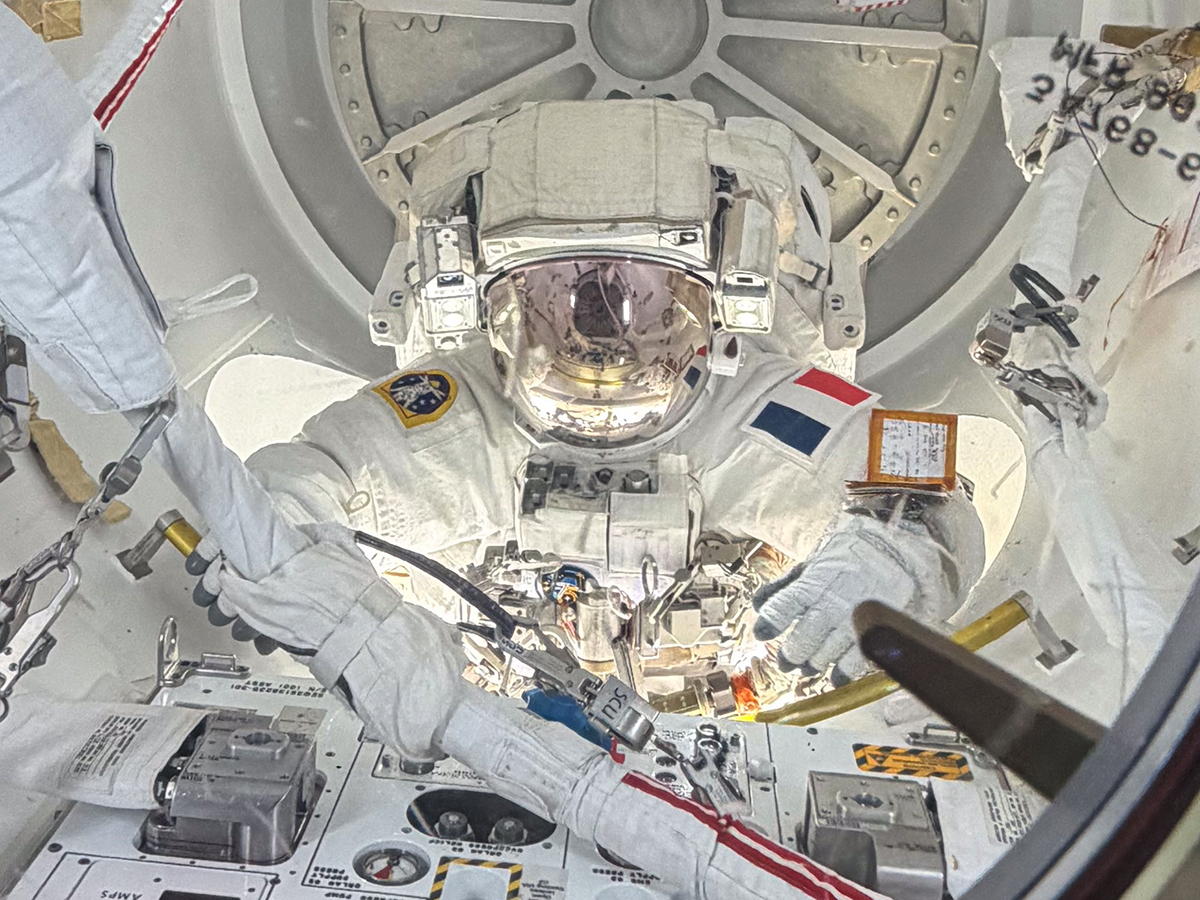
The upcoming spacewalk involves meticulous planning and execution. NASA has been conducting extensive preparations to ensure that the installation of the new antenna goes smoothly. The crew has undergone rigorous training, which includes simulations that replicate the conditions they will face outside the ISS. This preparation is critical, as spacewalks are inherently challenging due to the microgravity environment and the need for precise coordination between astronauts and mission control.
Improving the communication systems aboard the ISS is not just about enhancing current operations; it also has significant implications for future missions. As NASA and its international partners look toward the Artemis program and potential missions to Mars, the lessons learned from upgrading the ISS’s communication infrastructure will be invaluable. The ability to maintain consistent and high-speed communication with spacecraft venturing further into space will be crucial for mission success and safety.
The emphasis on upgrading technological capabilities on the ISS also reflects broader trends in space exploration. As commercial entities become more involved in space activities, the demand for advanced technology that can support a variety of missions is growing. The ISS continues to serve as a testbed for these advancements, demonstrating how international collaboration can drive progress in space exploration.
In addition to its scientific and technological roles, the ISS also serves as a symbol of international cooperation. Managed by an unprecedented partnership between space agencies from the United States, Russia, Europe, Japan, and Canada, the ISS has become a beacon for collaborative efforts in the pursuit of scientific knowledge and technological advancement.
As Expedition 75 prepares for this pivotal spacewalk, the success of the antenna installation will not only enhance the ISS’s capabilities but also pave the way for future innovations in space communication. This endeavor is a testament to the ongoing commitment to maintaining and improving one of humanity’s most significant achievements in space.