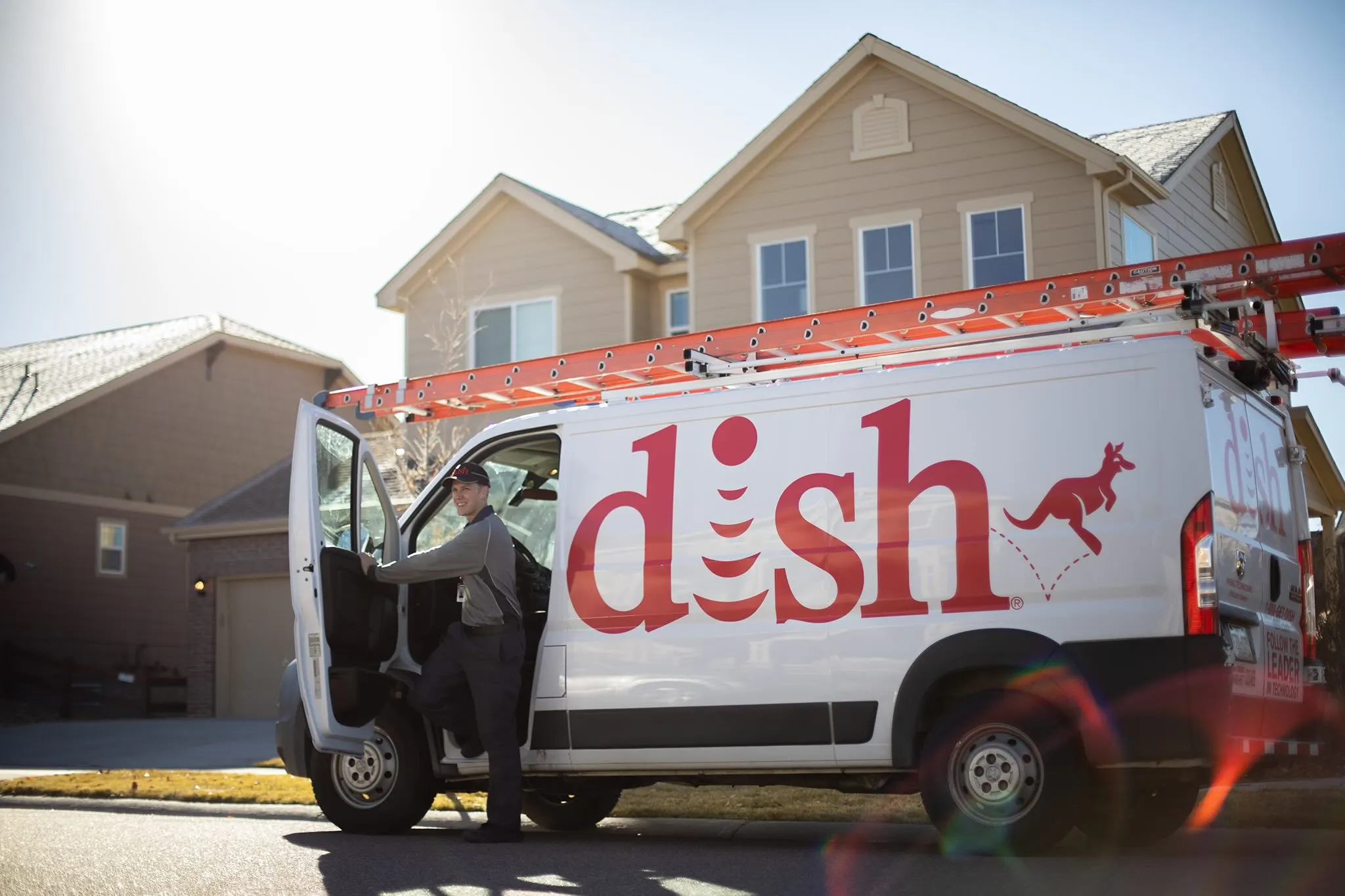
EchoStar, a longstanding leader in the telecommunications sector, has announced that its satellite TV and wireless subsidiaries have filed for Chapter 11 bankruptcy protection. This move is a strategic step to implement a prepackaged restructuring plan aimed at repaying debt early and repositioning the business for future growth.
The subsidiaries involved include DISH DBS and certain parts of DISH Wireless, which are pursuing a court-supervised process to sell assets related to a terrestrial network that was under development. This initiative follows the company's decision to sell spectrum assets to SpaceX and AT&T, deals that are collectively valued at over $40 billion. The spectrum sale was a significant move, aimed at addressing the company's financial commitments and allowing EchoStar to streamline its operations.
Despite the bankruptcy filing, the operations of DISH TV, Sling TV, and other active segments remain unaffected. Hughes Satellite Systems and companies operating under Boost Mobile and Gen Mobile are also outside the scope of this bankruptcy process. EchoStar cofounder and chairman, Charlie Ergen, emphasized the continuity of service, stating that the company is committed to delivering the same high-quality services that customers expect during this transition.
The restructuring plan is also designed to retain a $2.4 billion escrow fund. This fund was mandated by the Federal Communications Commission (FCC) as a condition for the approval of the spectrum sales, ensuring coverage for disputes related to the abandoned terrestrial wireless buildout. This move underscores EchoStar's commitment to resolving outstanding financial obligations and disputes effectively.
One of the pivotal reasons for the bankruptcy filing was the delay in closing the spectrum sale to AT&T. This delay left DISH DBS unable to meet $2 billion in debt payments that were due on July 1. However, the prepackaged restructuring plan allows for the early repayment of debt without incurring penalties, providing the company with greater strategic flexibility for future initiatives. Although specific future plans have not been disclosed, the company is positioning itself to emerge from bankruptcy by the end of September, with the support of creditors representing most DISH DBS notes and more than $8.8 billion of DISH Wireless debt.
EchoStar's decision to file for bankruptcy underlines the challenges and opportunities facing the telecommunications industry. As companies navigate the complex landscape of spectrum sales, infrastructure development, and competitive market dynamics, strategic realignments such as this one may become more common. This restructuring is not only a measure to address current financial challenges but also a proactive step to harness future opportunities in telecommunications and satellite services.
Historically, EchoStar has been at the forefront of innovation in satellite communications, contributing significantly to the evolution of the industry over the past 45 years. The company's decision to sell spectrum to prominent players like SpaceX and AT&T reflects its strategic shift towards optimizing resources and focusing on core competencies. As the global telecommunications landscape continues to evolve, EchoStar's ability to adapt through strategic restructuring could set a precedent for others in the industry.
In conclusion, while the bankruptcy filing marks a challenging period for EchoStar's subsidiaries, it also represents a calculated move towards ensuring long-term viability and competitiveness. The company's focus on restructuring its debt and refining its business strategy underscores its commitment to maintaining a robust presence in the telecommunications market, with potential implications for future industry trends and business models.