Italy commits funding for lunar habitat and gains two Moon surface slots, NASA says
NASA Administrator Jared Isaacman said on 15 September that Italy has committed more than $5 billion to the development of a lunar habitat for the agency’s Moon Base programme, and that commitment is expected to include spots for two Italian astronauts to walk on the lunar surface.
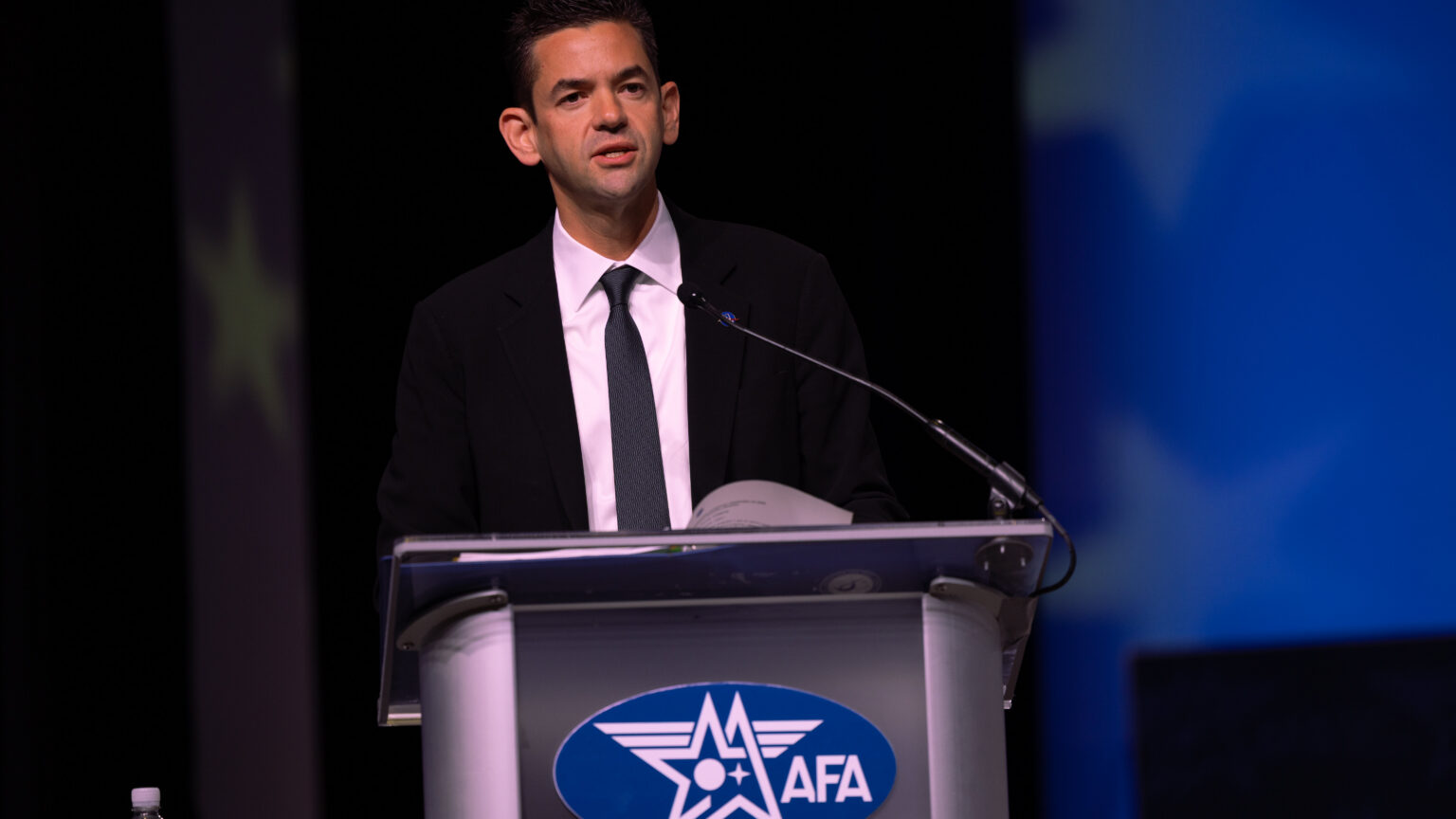
Isaacman made the remarks while speaking at the Air & Space Forces Association’s Air, Space & Cyber Conference near Washington. He singled out Italy as an example of the kind of international partnership NASA seeks for sustained lunar presence, saying the country is "committing over $5 billion to building one of the first habitation modules" and adding that "as a result, you’re going to see two Italian astronauts on the surface of the Moon."
The announcement builds on earlier cooperation between Italy and NASA. In March, the Italian government and NASA signed a Statement of Intent that included a pledge that at least one Italian astronaut would participate in a future Artemis lunar mission. In April, the late president of the Italian Space Agency (ASI), Teodoro Valente, said discussions with NASA had increased that figure to two, while noting the arrangement had not yet been officially formalised.
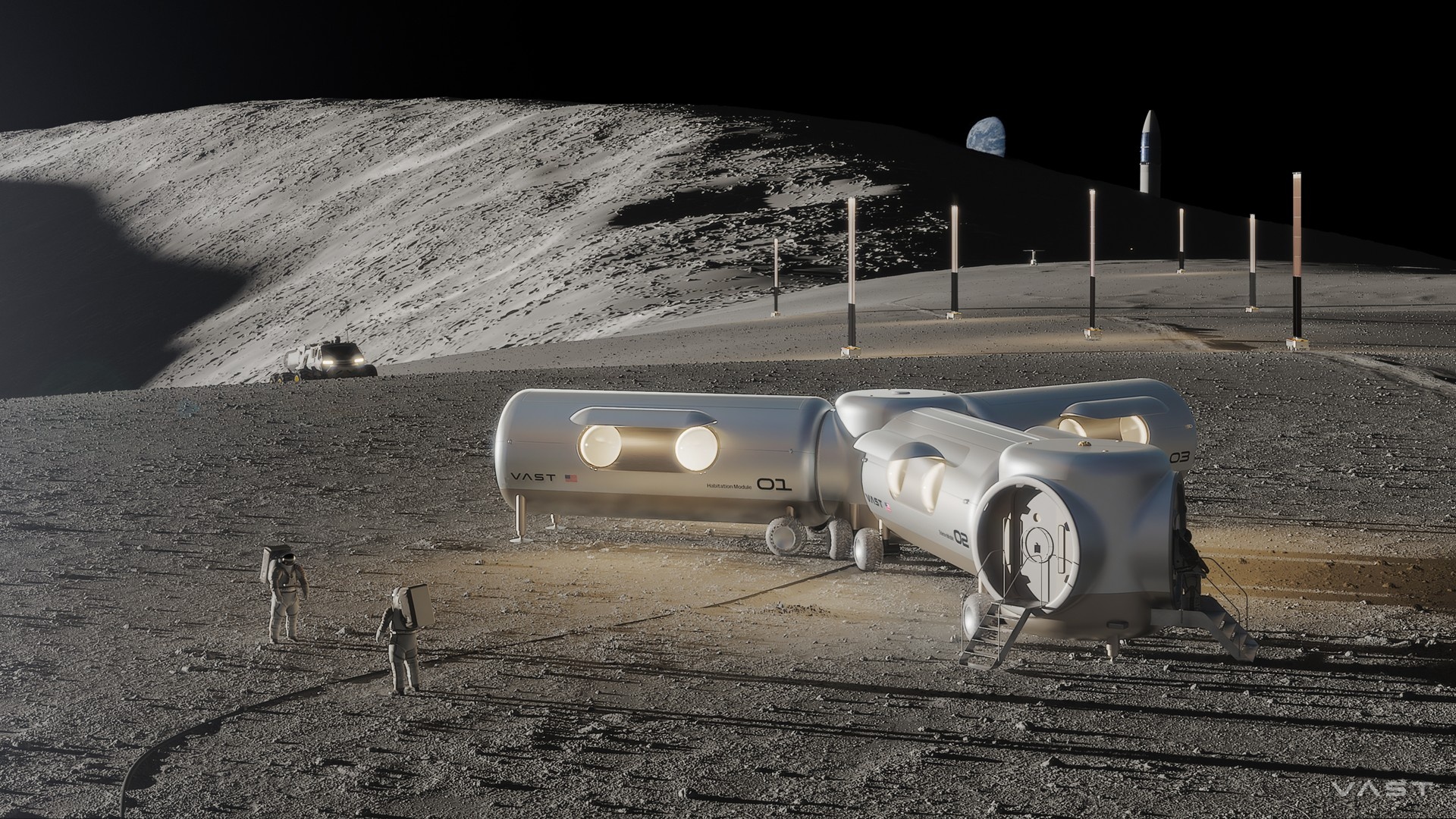
Both Italian and international outlets reporting the development identify the Multi‑Purpose Habitation (MPH) module as the core of Italy’s contribution. The MPH is being developed by Thales Alenia Space under coordination by the Agenzia Spaziale Italiana. According to the reporting, the module is expected to measure roughly three metres in width and six metres in length, with a mass of about 15 tonnes. It has been designed to accommodate two astronauts for missions lasting between seven and 30 days and will be equipped with mobility features—reportedly wheels—for precision positioning on the lunar surface.
ASI confirmed that its delegation met with NASA at the International Space Summit in Paris ahead of the signing of a new agreement in Washington that will formalise Italy’s contribution of the MPH. Isaacman’s public remarks at the conference provided what reporters described as the clearest confirmation to date that two lunar surface opportunities are expected to be part of that partnership.
Neither Isaacman nor the Italian sources named the astronauts who would be assigned to potential lunar surface missions, nor did they provide dates or specific Artemis mission numbers for the proposed moonwalks. AstroSpace noted that the identities of the astronauts, the missions to which they would be assigned, and the timing of any landings have not been disclosed.
This arrangement fits into NASA’s broader approach to Artemis and the build‑out of a sustained lunar presence: secure commercial and international contributions of hardware and infrastructure in exchange for access and mission roles. Isaacman described the Italy deal as an example of a "good deal" for an international partner, underlining that partner contributions can translate into tangible crew opportunities.
For Italy, the MPH represents a major investment in lunar surface infrastructure and in the domestic space industry. Thales Alenia Space, which is developing the module under ASI coordination, will play a leading role in delivering a pressurised habitat intended to support living and working on the Moon. The reported dimensions and mass—3 metres by 6 metres, roughly 15 tonnes—place the MPH among the early-generation surface habitation assets that NASA and its partners envision deploying to create a functional Moon Base.
Contextually, NASA has been soliciting proposals for technologies and infrastructures needed for future lunar base operations, and national agencies have been positioning industry and research capabilities to capture roles in that effort. ASI has also been active domestically in outreach and education related to lunar exploration, including the opening of exhibits and labs dedicated to the Moon, underscoring Italy’s broader commitment to the programme.
Looking ahead, the formal agreement that Italy and NASA are preparing to sign in Washington will be the next procedural step to lock in technical, schedule and programmatic details. If finalised, the deal would represent a substantial national investment—reported as "over $5 billion"—and a clear path to direct astronaut participation in lunar surface operations for Italy.
Uncertainties remain. The exact scope of the funding, contract milestones, launch and delivery timelines for the MPH, and the missions on which the Italian astronauts would fly were not specified in the public remarks cited by the outlets. The statements therefore establish intent and expectation rather than a definitive schedule. As reporting emphasises, the arrangement needs formalisation through the forthcoming agreement, and names, mission assignments and dates will only be known once those formal steps are complete.
For now, the announcement marks a high‑profile example of how national investments in hardware for the Moon can be tied to crew opportunities under Artemis, and it highlights the role of industrial partners such as Thales Alenia Space and agencies such as ASI in translating national policy into tangible contributions to lunar infrastructure.
Sources: Statements reported by EuropeanSpaceflight and AstroSpace summarising Jared Isaacman’s remarks at the Air & Space Forces Association conference and ASI’s account of meetings with NASA.