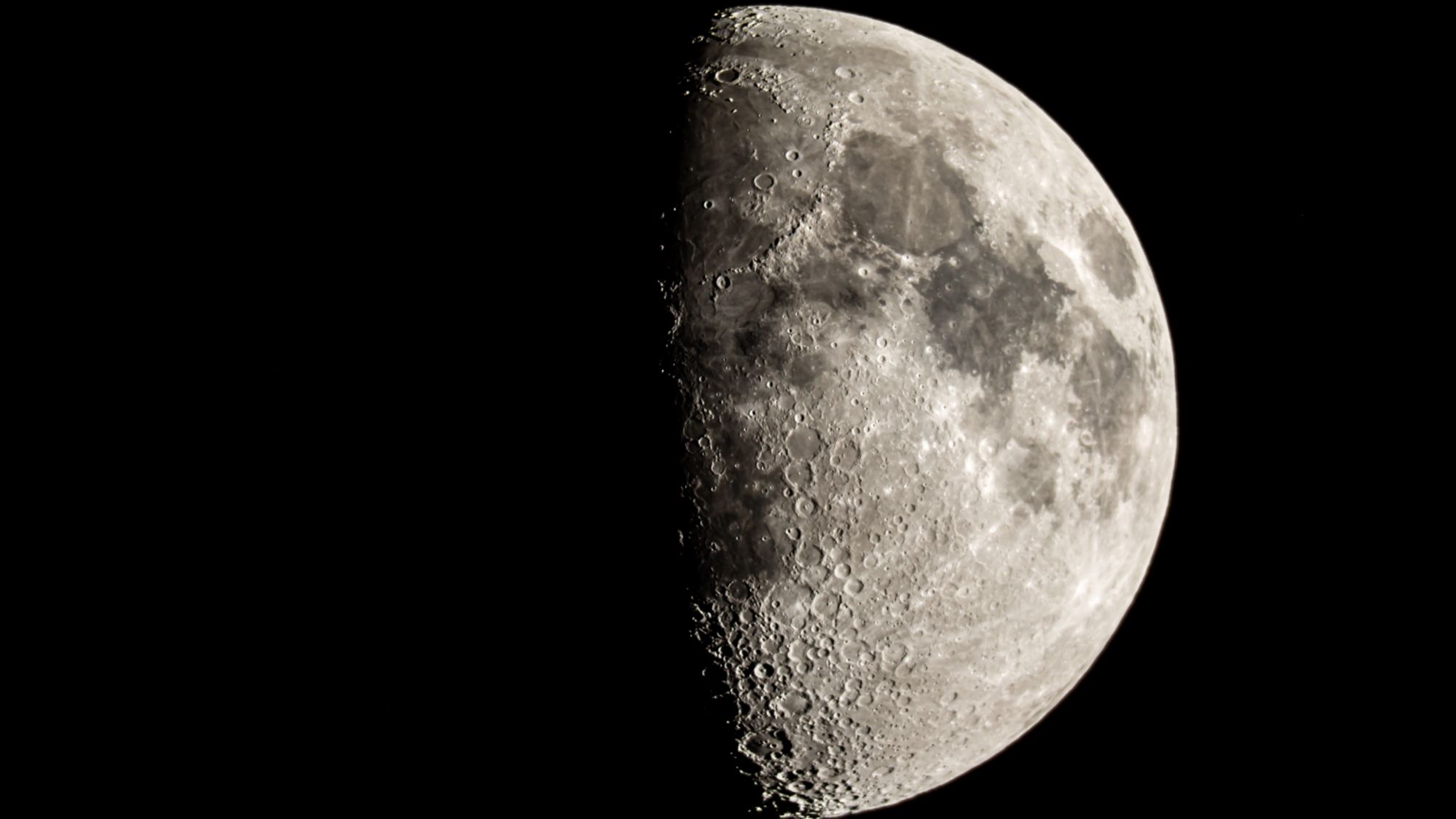
NASA announces public events, media access for International Observe the Moon Night on Sept. 19, 2026
NASA has invited the public and media to participate in International Observe the Moon Night on Sept. 19, 2026, offering a slate of on-site and virtual activities designed to connect people with the Moon and with ongoing lunar science and exploration efforts. The agency posted event information and media-invitation details through its Goddard Space Flight Center and general news channels on Sept. 15–16, 2026.
The agency's announcements outline two main ways to join: in-person gatherings at select NASA centers, museums and partner locations, and a range of online experiences. NASA is providing livestreamed content, talks and telescope views that will be available to the public, and it has also formally invited media to report on the day's events. Materials and programming are intended to highlight both the Moon as an object of public fascination and the science behind current missions and future Artemis plans.
NASA's communications emphasize that International Observe the Moon Night is a worldwide, community-driven event. The agency is offering resources for educators, families and amateur astronomers, including guidance on safe Moon viewing, opportunities to connect with scientists and engineers, and curated content from NASA missions that study the Moon. The announcements cross-reference NASA's broader lunar activities — including Artemis program milestones and lunar science research — as context for why engaging the public about the Moon remains a priority.
The Goddard-centered posting dated Sept. 15, 2026, invites readers to "Celebrate International Observe the Moon Night with NASA," while a parallel NASA news release extends a formal media invitation; both pages present similar programmatic details and links to participating centers. In addition to local, center-based gatherings where telescopes and staff will be available, NASA plans to provide virtual presentations and streaming so that those without nearby events can still participate.
Space.com published an accessible how-to guide reminding readers that the 2026 event is scheduled for Sept. 19 and describing practical ways the public can take part: finding local events, joining virtual streams, and using simple observing tips for viewing the Moon. Space.com’s coverage complements NASA’s postings by focusing on the user-facing aspects of the event — practical tips, what to expect visually on the night of Sept. 19, and how to engage with local astronomy clubs or museum programs.
All three sources stress that International Observe the Moon Night is meant for broad participation. NASA's event pages note the agency will link visitors to educational resources and mission science; Space.com adds context about the date and offers step-by-step suggestions for joining in, making the combined coverage useful for both media and the general public.
Why such emphasis now? NASA frames public engagement around the Moon as timely because the agency's Artemis program and other lunar science efforts continue to produce new data and plans. While these announcements focus on outreach rather than new technical milestones, the programming is positioned to connect audiences to active missions and to the scientific questions driving future lunar exploration.
International Observe the Moon Night began as a global public science event that encourages people everywhere to learn about lunar science, see the Moon through telescopes, and share observations. NASA's participation each year typically pulls together scientists, engineers, educators and communicators from the agency's centers and partner institutions to offer a mix of formal presentations and informal observing opportunities; the 2026 notices follow that tradition.
Looking ahead, these outreach activities serve multiple purposes: they help build public understanding of lunar science, provide a platform for explaining the goals and cadence of Artemis and related missions, and sustain public interest in long-term exploration plans. As NASA continues preparations for return crewed landings under Artemis, the agency's public-facing events are likely to remain an important conduit between complex program developments and a broad audience.
NovΔ mAInd's launch database: The database lists SLS Block 1 | Artemis II as scheduled for 2026-04-09; that launch is included here for context about NASA's ongoing human lunar exploration efforts, as noted in NASA's outreach materials.
Those interested in participating on Sept. 19 should consult NASA's event pages for local listings and livestream links, and look to partnering institutions such as museums and astronomy clubs for in-person observing opportunities.