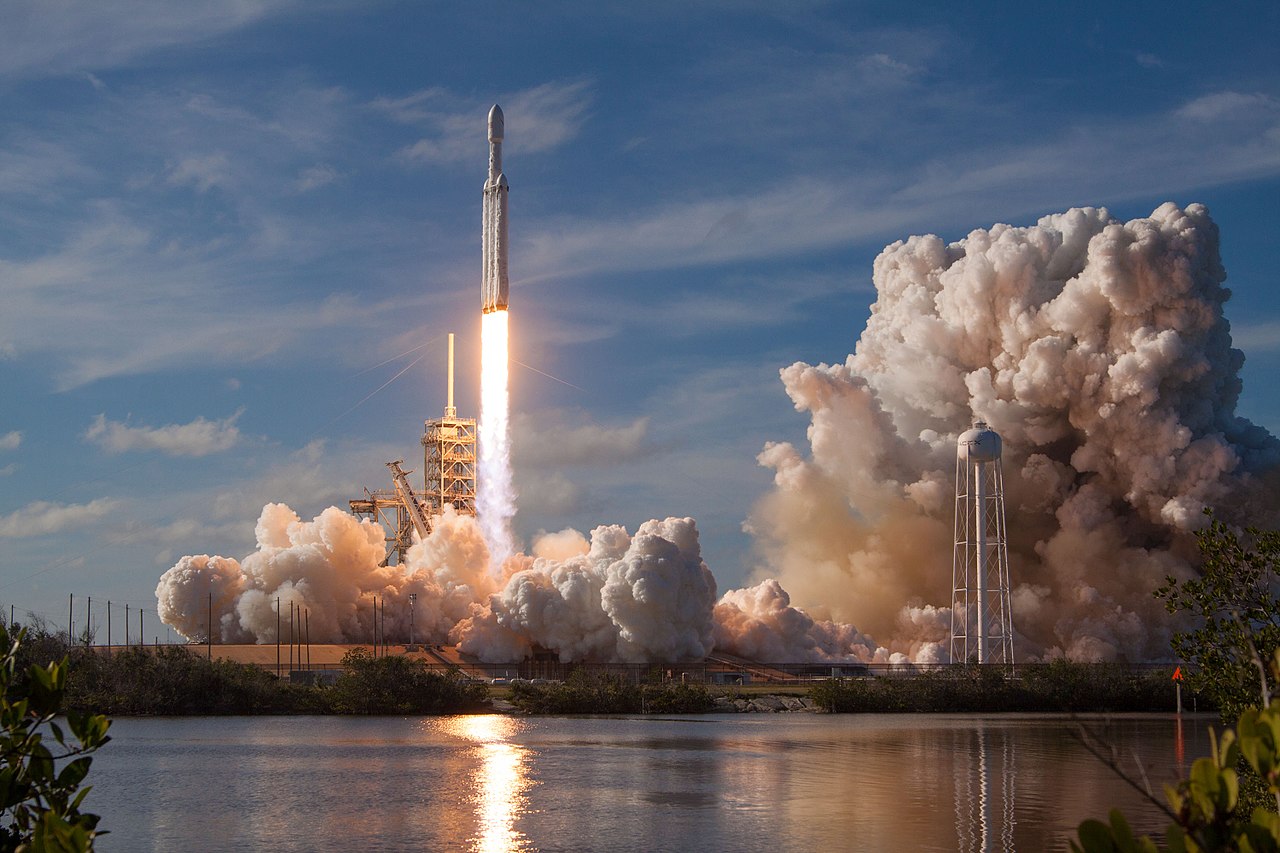
SpaceX successfully launched NASA's Pandora mission on January 11, 2026, from Vandenberg Space Force Base in California. Pandora, a small telescope designed to study exoplanet atmospheres during transit events, represents a focused approach to characterizing distant worlds. The mission carries two additional scientific payloads as part of a commercial rideshare arrangement: SPARCS, an ultraviolet observatory, and BlackCAT, an X-ray CubeSat telescope. Together, these instruments will provide complementary observations across multiple wavelengths to advance exoplanet science.
The Falcon 9 rocket delivered all three satellites to a sun-synchronous orbit, a polar trajectory ideal for sustained observations of the cosmos. Vandenberg Space Force Base, located on California's central coast, served as the launch site. The facility has become a primary West Coast hub for polar and sun-synchronous orbit missions, making it well-suited for this scientific deployment.
The mission achieved full success, with all payloads reaching their intended orbit. The rideshare arrangement exemplifies modern space industry efficiency, allowing multiple research institutions to share launch costs while advancing diverse scientific objectives in astronomy and astrophysics.