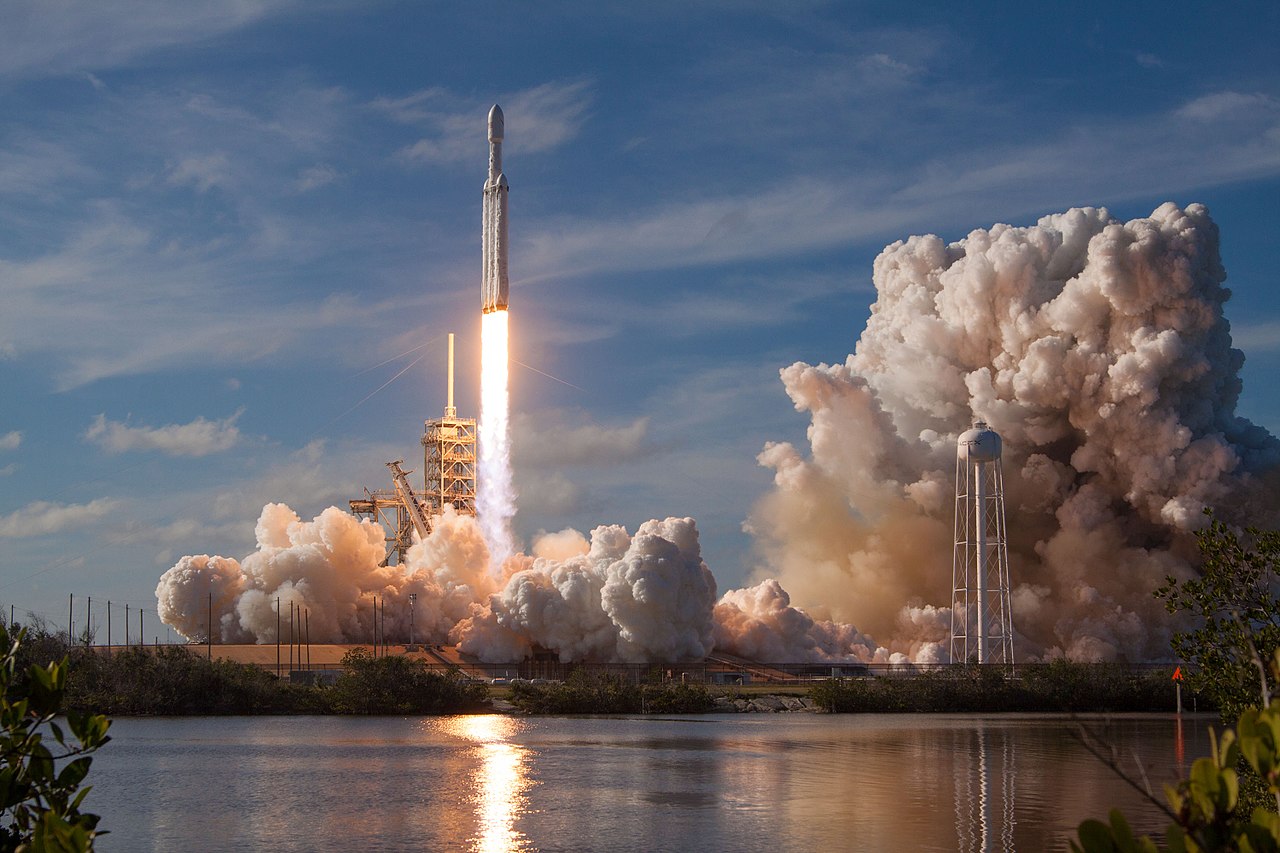
SpaceX successfully launched 29 Starlink V2 Mini satellites aboard a Falcon 9 rocket on January 30, 2026, from Cape Canaveral, Florida. The payload was destined for shell 12 of SpaceX's expanding Starlink constellation, which aims to provide global broadband internet coverage. The Starlink V2 Mini represents an advanced iteration of the company's satellite design, offering improved capabilities for the growing network serving customers worldwide.
The Falcon 9 first stage booster designated B1081 completed its 12th flight, underscoring the reusability achievements central to SpaceX's operational model. The rocket lifted off from Cape Canaveral Space Force Station, one of the primary launch facilities supporting commercial space operations. Following stage separation, the booster returned to Earth for landing on the autonomous droneship JRTI (Just Read The Instructions), stationed in the Atlantic Ocean.
The mission concluded successfully, with all 29 satellites deployed as planned. The continued deployment of Starlink satellites represents ongoing efforts to complete the full constellation in low Earth orbit. With B1081's successful 12th flight, SpaceX demonstrated the reliability of its reusable launch architecture while advancing the Starlink deployment schedule.