Rocket Lab successfully launched the Neonsat-1A mission on January 30, 2026, deploying an advanced Earth observation CubeSat developed by South Korea's Korea Aerospace Research Institute (KASA). The satellite demonstrates state-of-the-art electro-optical imaging capabilities designed to operate from low Earth orbit. This specialized reconnaissance platform represents KASA's efforts to enhance South Korea's independent satellite remote sensing capabilities for civilian and research applications.
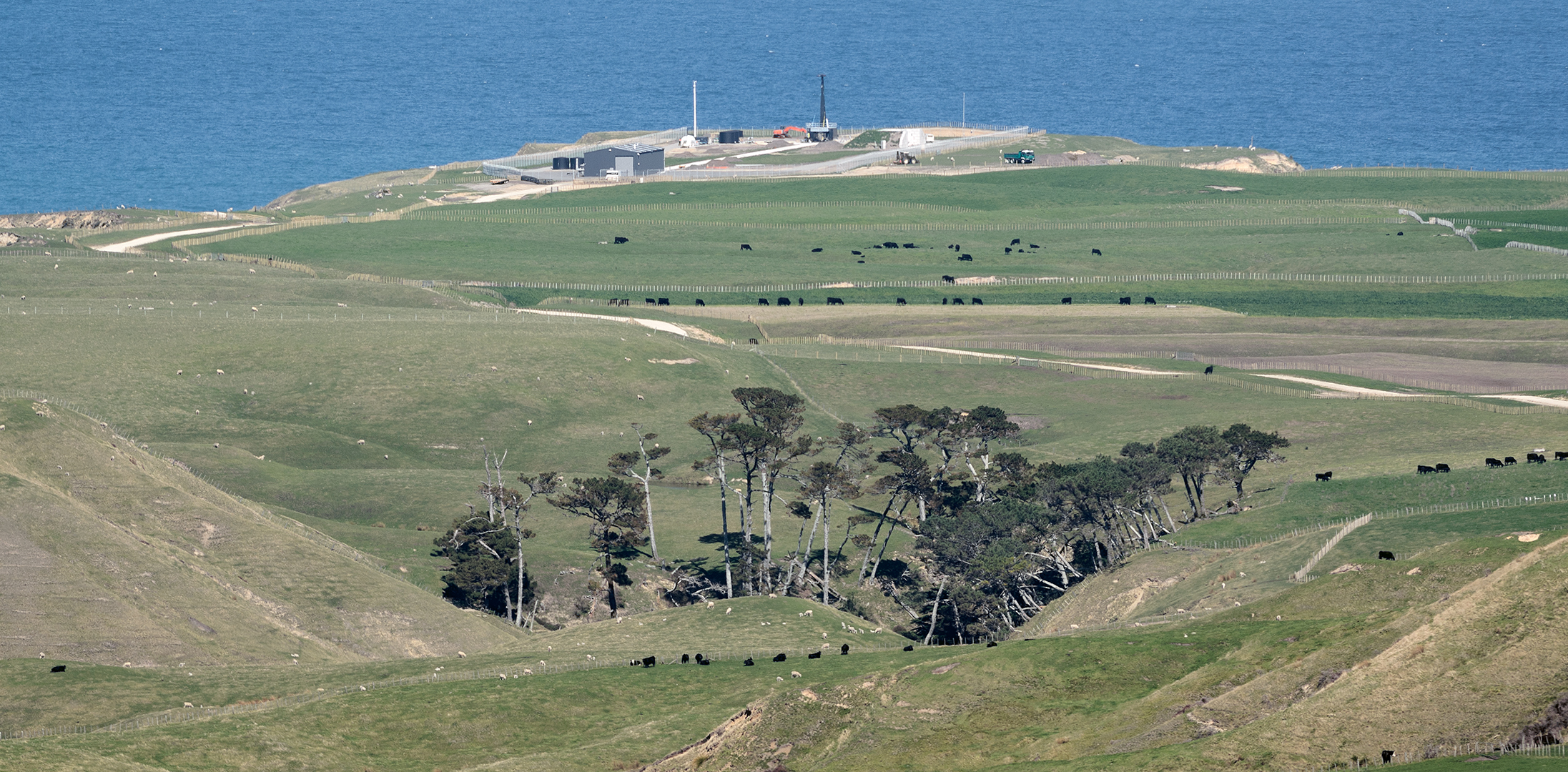
The Electron rocket lifted off from Rocket Lab's Launch Complex 1 facility on the Mahia Peninsula in New Zealand, the company's primary commercial spaceport. Electron has become a workhorse for small satellite operators, offering dedicated launch services that provide responsive and flexible access to orbit. The vehicle's proven track record and New Zealand's advantageous geographic location have made Mahia a key hub for smallsat launches.
The mission achieved its primary objective with a successful orbital insertion. Neonsat-1A's deployment marks an important milestone for South Korean space capabilities, enabling KASA to test advanced imaging systems in operational space conditions. The successful launch further demonstrates Rocket Lab's reliability as a launch provider for institutional space agencies seeking dedicated small-lift vehicle services.