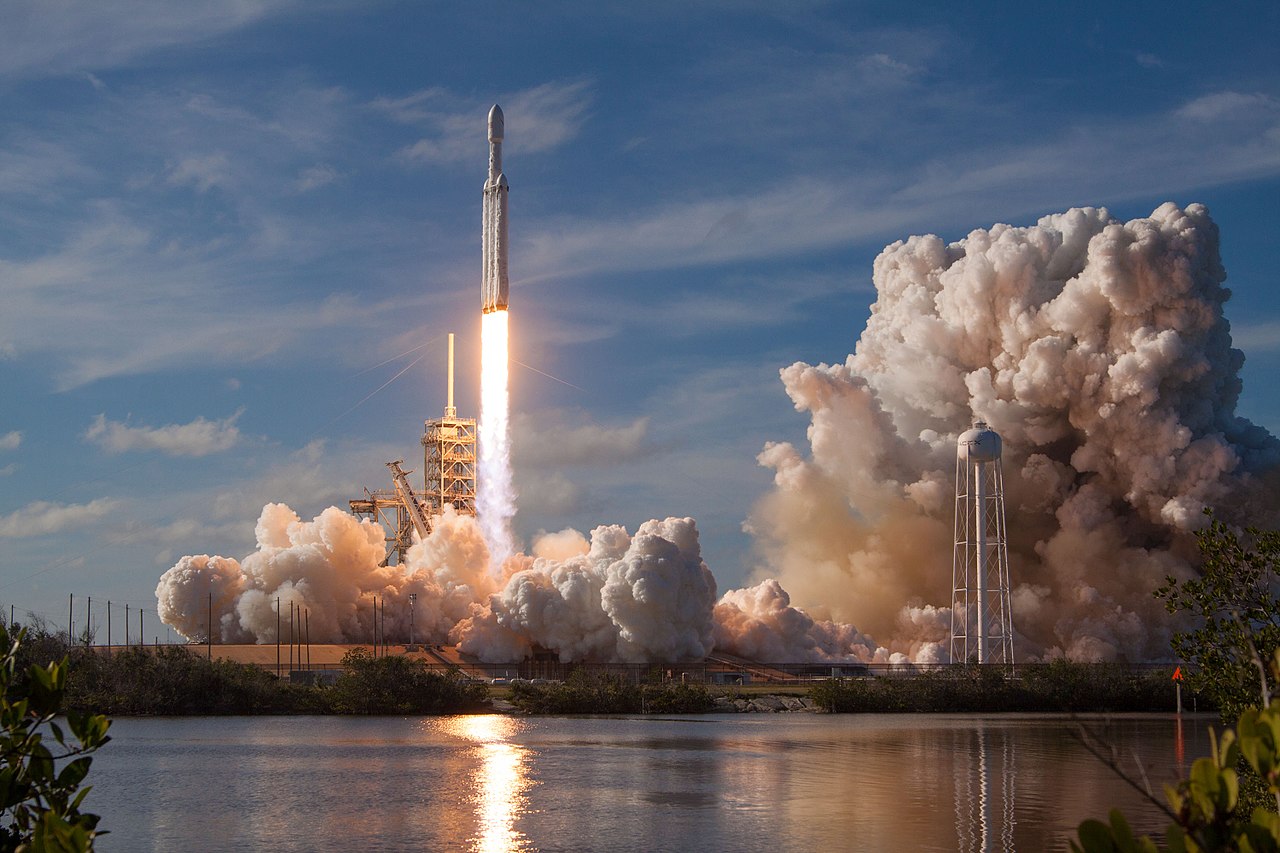
SpaceX successfully launched 29 Starlink V2 Mini satellites to orbital shell 12 on February 16, 2026, from Cape Canaveral, Florida. The mission continues SpaceX's ongoing effort to expand its megaconstellation, which aims to provide global broadband internet coverage. The V2 Mini satellites represent an evolution in Starlink's design, offering improved performance and capabilities compared to earlier iterations while maintaining operational efficiency within the constellation's architecture.
The Falcon 9 rocket, powered by nine Merlin engines, lifted off from the historic Launch Complex 39A at Cape Canaveral Space Force Station. The booster B1083 flew for its tenth time, demonstrating SpaceX's commitment to reusability and rapid turnaround capabilities. Following stage separation, the first stage executed a controlled descent for recovery on the autonomous droneship Just Read the Instructions in the Atlantic Ocean.
The mission concluded successfully with all 29 satellites deployed to their target altitude. The successful recovery of booster B1083 marked another accomplished flight for the reusable first stage, further validating SpaceX's operational model. This launch represented part of the company's accelerated deployment schedule to complete Starlink's Gen2 constellation, which will significantly enhance the network's capacity and coverage capabilities worldwide.