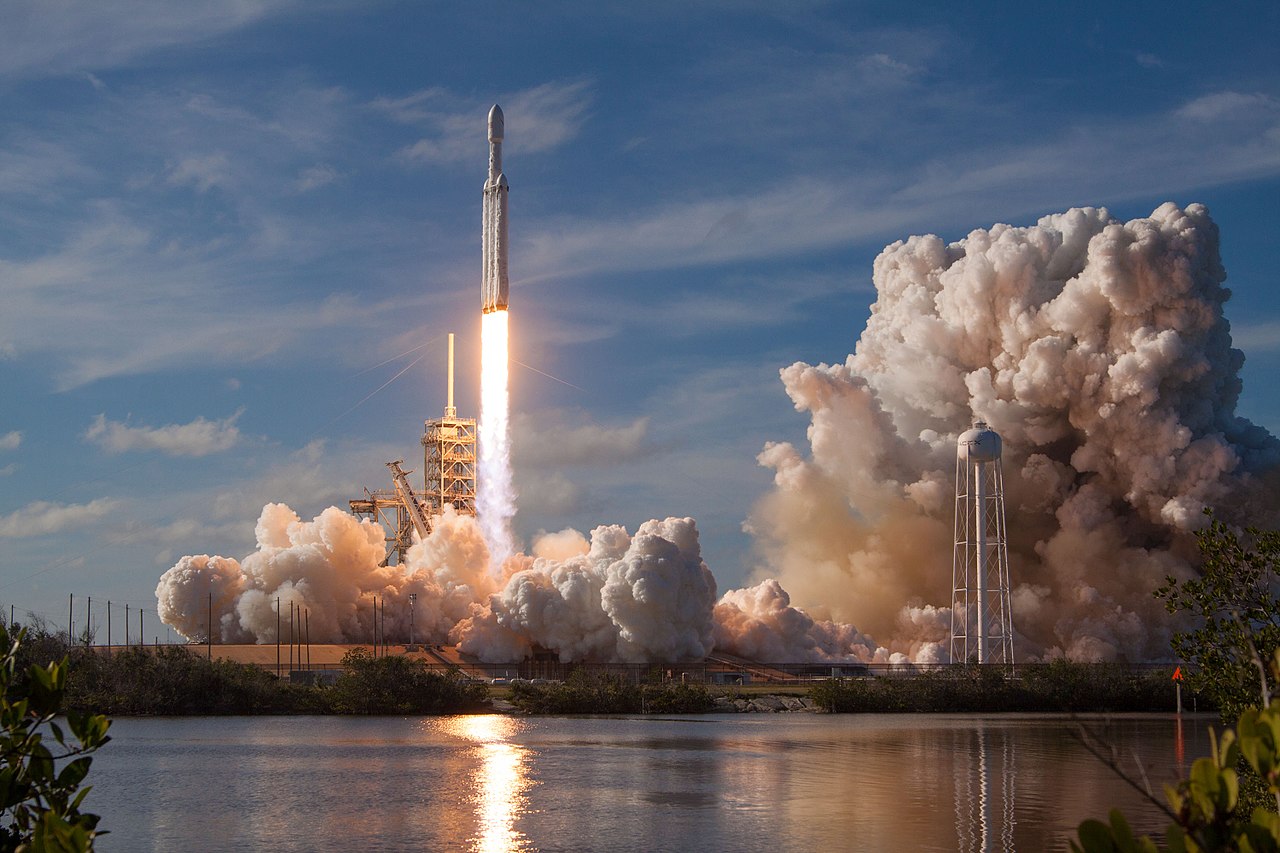
SpaceX successfully launched a Falcon 9 rocket on February 21, 2026, from Vandenberg Space Force Base in California, deploying 25 Starlink V2 Mini satellites to orbit. The mission, designated Starlink Group 11 Batch (Feb), continued SpaceX's ongoing effort to expand its broadband internet constellation. The V2 Mini satellites represent an evolution in SpaceX's Starlink fleet, designed to provide improved performance while maintaining compatibility with the broader network architecture.
The Falcon 9 rocket carried booster B1090, which flew for the third time, demonstrating SpaceX's commitment to rapid reusability and cost efficiency. Vandenberg Space Force Base, located on California's Central Coast, served as the launch site. The facility has become increasingly important for SpaceX's national security and commercial launch operations, particularly for polar and near-polar orbital missions.
The mission achieved its primary objectives with a successful outcome. The deployment of these additional Starlink satellites brings the constellation closer to global coverage capabilities, particularly for underserved regions. The successful flight of B1090 marked another milestone in SpaceX's efforts to reduce launch costs through booster reusability, a critical factor in the company's long-term sustainability and competitiveness in the commercial space industry.