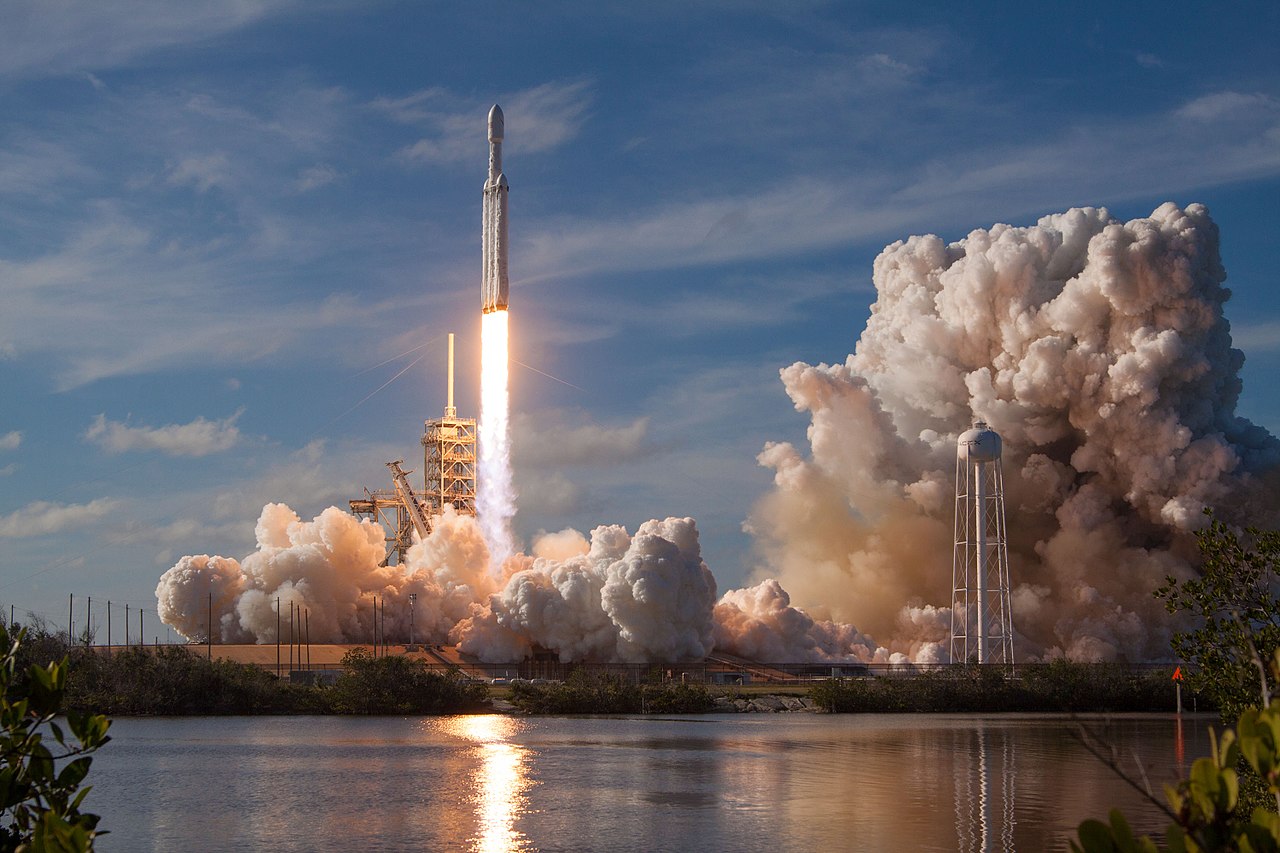
SpaceX launched 29 Starlink V2 Mini satellites on February 27, 2026, continuing the company's deployment of its second-generation internet constellation. The mission targeted Starlink's Group 12 shell, part of the broader effort to expand global broadband coverage. The V2 Mini satellites represent a refined iteration of SpaceX's Starlink design, offering improved performance while optimizing payload capacity.
The Falcon 9 rocket lifted off from Cape Canaveral Space Force Station in Florida, one of SpaceX's primary launch facilities on the Space Coast. Booster B1086 completed its fifth flight on this mission, demonstrating the reusability economics central to SpaceX's launch model. The vehicle's proven track record of successful recoveries continues to reduce operational costs for the company's frequent Starlink deployment cadence.
The mission concluded successfully, adding another 29 satellites to the Starlink constellation in low Earth orbit. With Group 12 now further populated, SpaceX continues its systematic approach to achieving global network coverage. This launch exemplifies the company's rapid deployment schedule, with regular Starlink missions essential to maintaining and expanding service across diverse geographic regions worldwide.