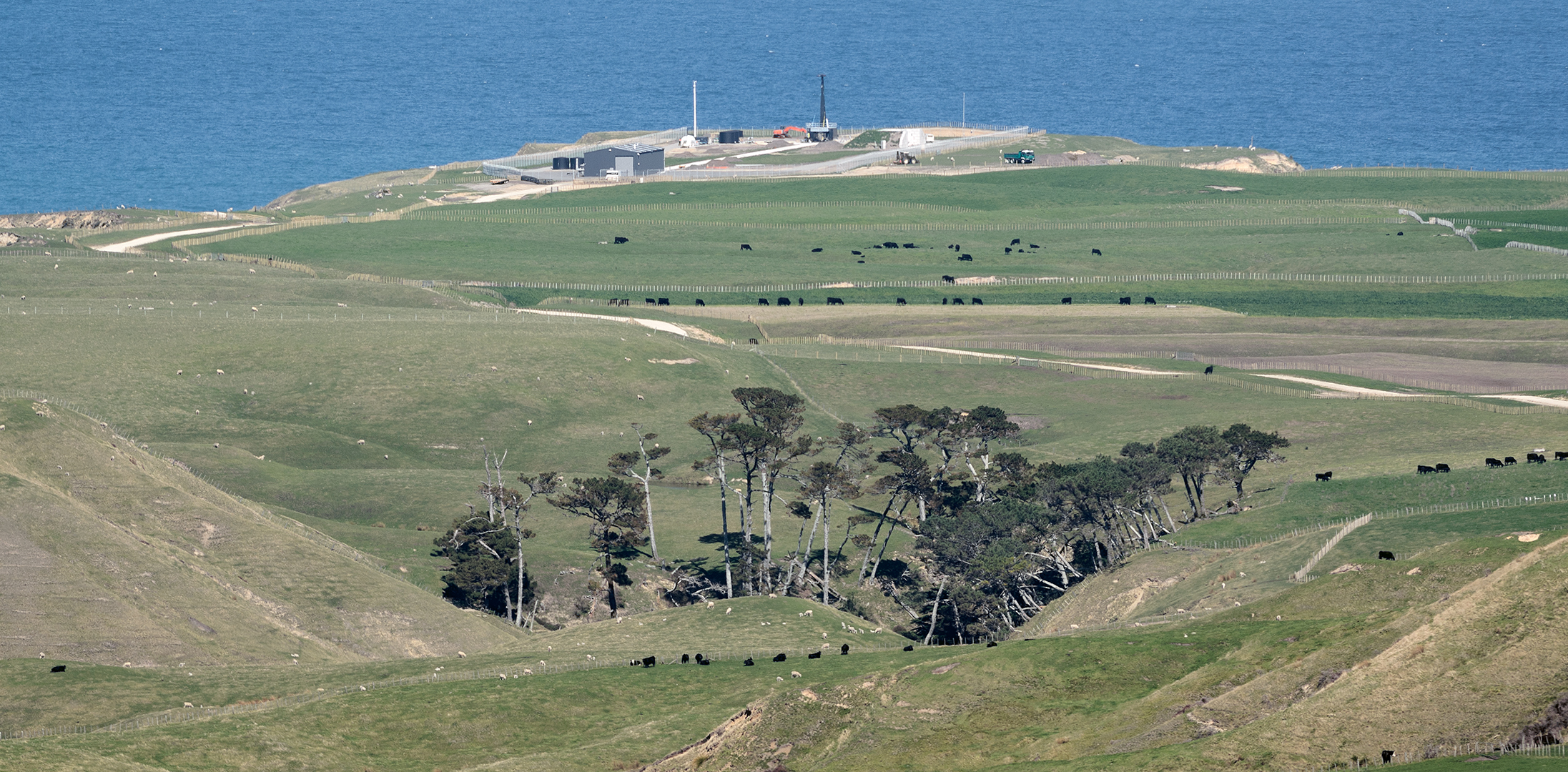
Rocket Lab successfully launched the first two satellites of the European Space Agency's Celeste global navigation satellite system augmentation constellation on March 28, 2026, from Mahia, New Zealand. The pair of spacecraft will provide high-accuracy positioning and timing services across Europe, enhancing the performance of existing GNSS infrastructure. This marks a significant step in ESA's efforts to establish independent and resilient navigation capabilities for the continent.
The Electron vehicle, operated by Rocket Lab, proved its capability as a dedicated small-satellite launcher for this critical infrastructure mission. The Mahia launch site in New Zealand continues to serve as a primary orbital access point for Rocket Lab's frequent launch cadence, enabling rapid deployment of government and commercial payloads. The mission underscores the growing role of responsive launch providers in supporting space agency objectives.
The successful deployment of both Celeste satellites to their operational altitude of 550 kilometers in medium Earth orbit represents a major achievement for ESA's navigation program. With these initial spacecraft now on station, the constellation is positioned to begin providing augmentation services that will improve positioning accuracy, integrity monitoring, and availability across European territory and surrounding regions.