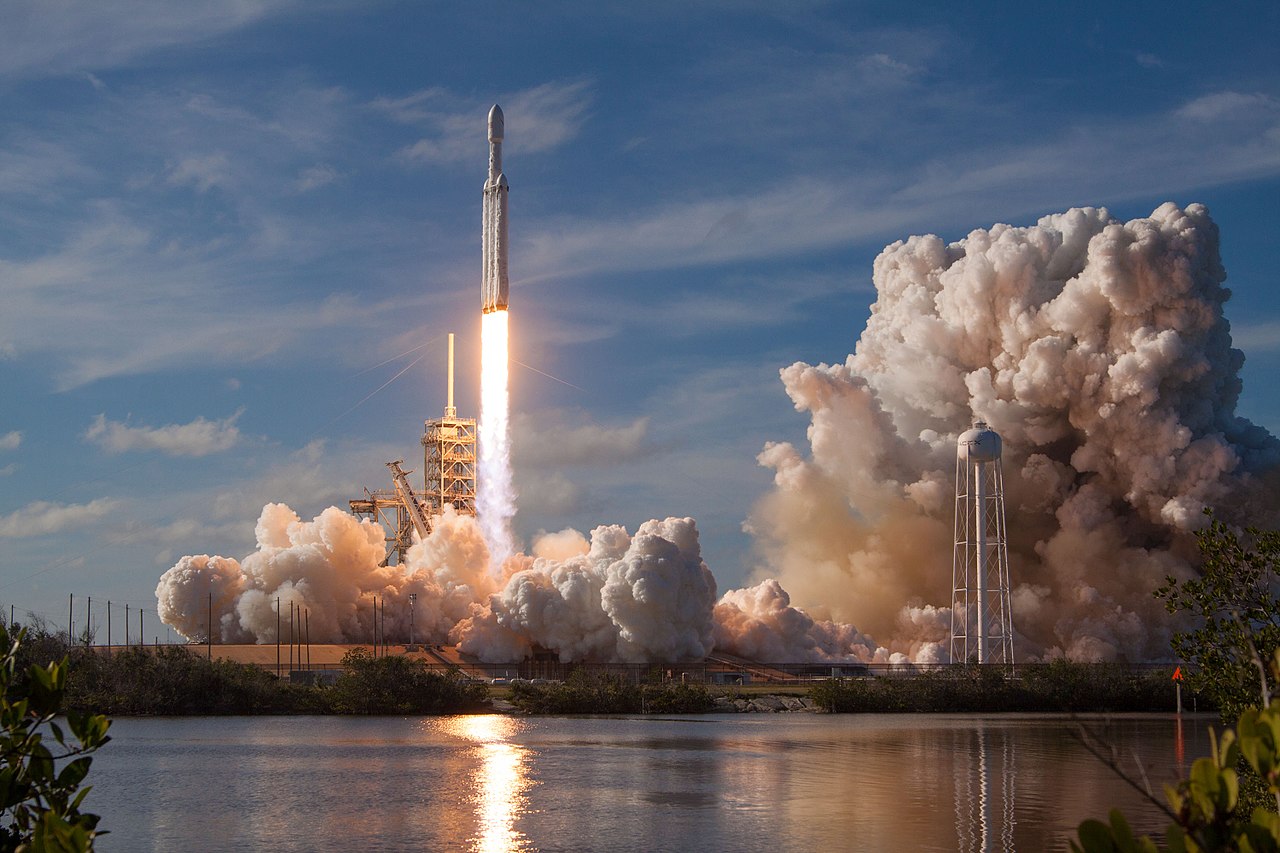
SpaceX launched 25 Starlink V2 Mini satellites aboard a Falcon 9 rocket on March 8, 2026, continuing the deployment of its next-generation internet constellation. This mission, designated Starlink Group 11 Batch C, added another layer of coverage to Shell 11 of the expanding Starlink network. The V2 Mini satellites represent an evolution in SpaceX's satellite design, optimized for enhanced performance and capacity compared to earlier variants. These spacecraft will provide global broadband connectivity as part of SpaceX's ambitious plan to serve remote and underserved regions worldwide.
The launch occurred from Vandenberg Space Force Base in California, one of SpaceX's primary orbital launch facilities. The mission employed a Falcon 9 rocket in its standard two-stage configuration, designed to deliver medium-lift payloads to low Earth orbit. Vandenberg's geosynchronous orbit capabilities made it an ideal location for this inclination requirement.
The mission concluded successfully, with all 25 satellites reaching their intended orbit. Notably, this flight marked the 15th mission for booster B1073, exemplifying SpaceX's focus on rocket reusability and cost efficiency. The booster's repeated flights underscore the company's operational maturity in the commercial spaceflight sector.