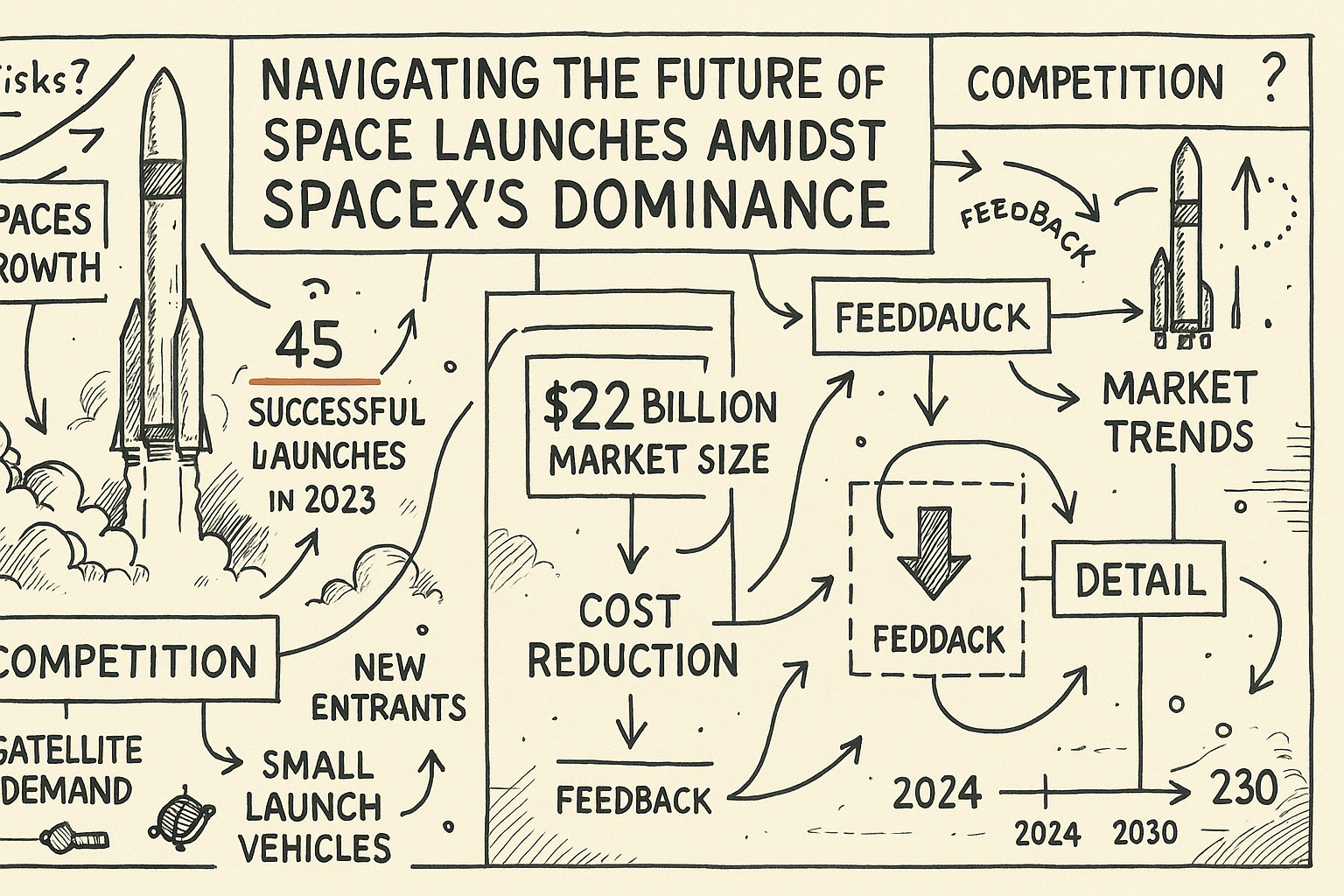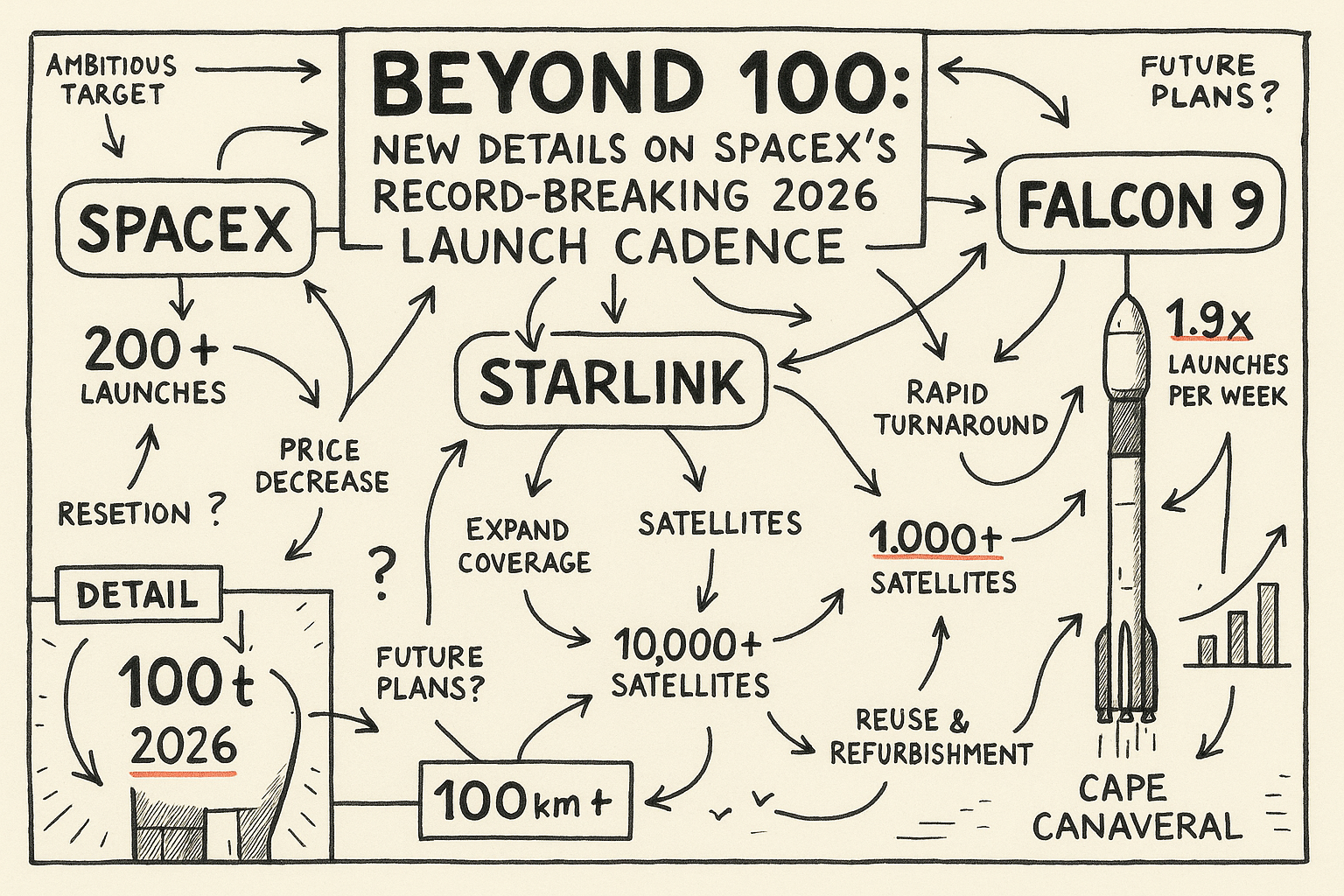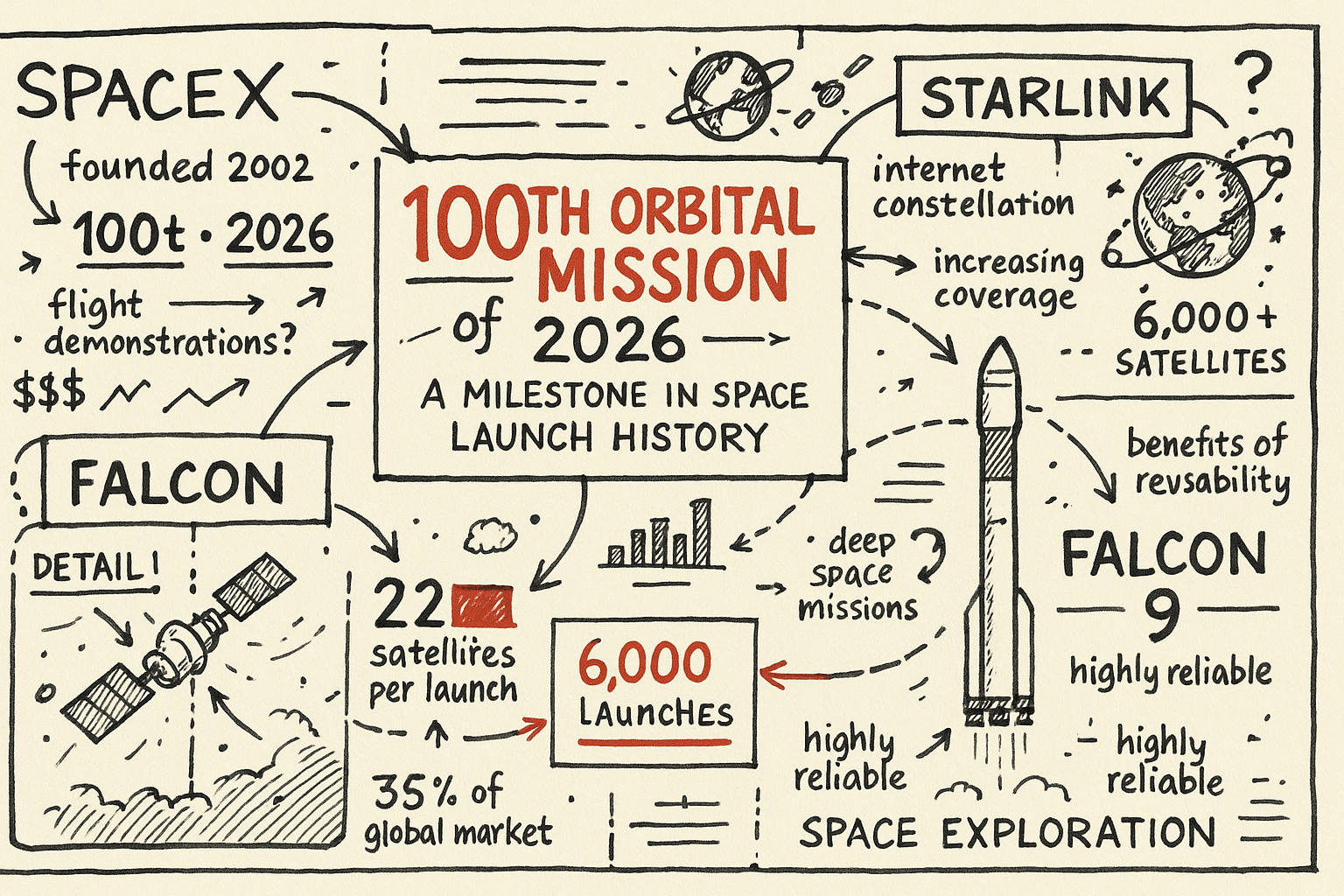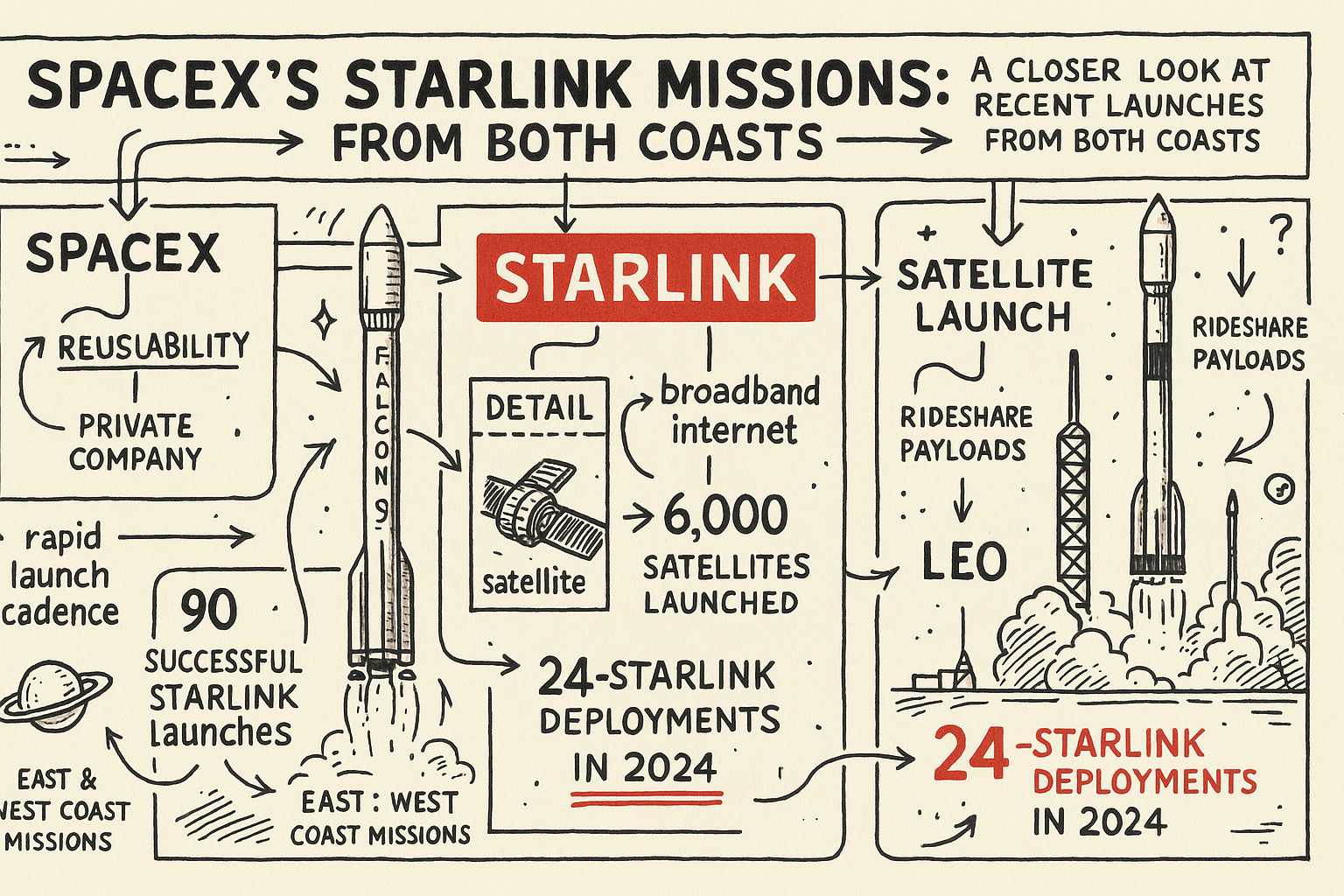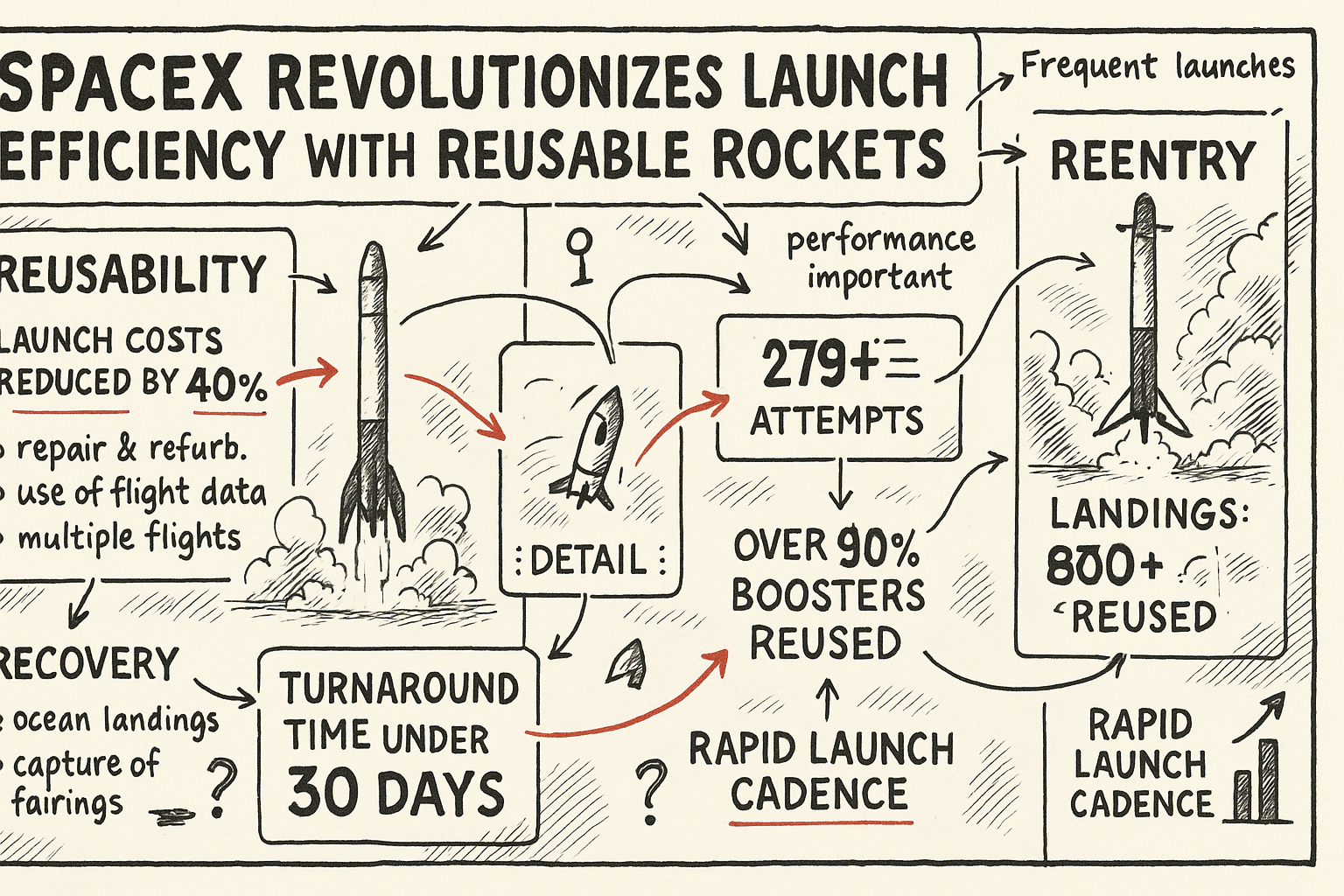
In recent years, SpaceX has become synonymous with innovation in the aerospace industry, particularly in the realm of launch technology. The latest series of launches and missions underscore its ongoing commitment to revolutionizing space access through reusable rockets. The Falcon 9 and Falcon Heavy launches in early October 2026 exemplify this paradigm shift, offering insights into the future of space exploration and commercial space operations.
Falcon 9: A Benchmark in Reusability
The Falcon 9 rocket's recent launch and successful first stage landing at SpaceX's Landing Zone 40 marks another milestone in the company's journey. The first stage's reusable design has become a hallmark of SpaceX's strategy to reduce launch costs significantly. By reusing rocket components, SpaceX not only minimizes waste but also maximizes cost efficiency, setting new standards in the industry.
During its mission, the Falcon 9 transported a Dragon spacecraft towards the International Space Station, with the second stage shutting down as planned. This mission also included the Transporter-18 rideshare, which successfully deployed three Canadian satellites, underscoring the versatility and reliability of the Falcon 9 platform.
Falcon Heavy and the Era of Heavy Lifting
In parallel, the Falcon Heavy is set to undertake its first mission for the U.S. spy satellite agency, launching the classified NROL-97 satellite into a high-energy orbit. This marks a significant step in SpaceX's collaboration with government entities, showcasing the Falcon Heavy's capability to handle complex and sensitive payloads. The launch, scheduled from the iconic Launch Complex 39A at NASA’s Kennedy Space Center, highlights the strategic importance of heavy-lift rockets in national security and scientific missions.
The Falcon Heavy's ability to deliver substantial payloads to orbit is a testament to its engineering prowess. The rocket's design, which integrates three Falcon 9 boosters, provides unmatched thrust and payload capacity, making it an ideal choice for missions requiring high-energy orbits.
Historical Context and Future Implications
SpaceX's advancements in rocket reusability draw parallels to the early days of aviation, where the reusability of aircraft transformed air travel economics. Similarly, the ability to reuse rocket stages is poised to democratize access to space, enabling more frequent and affordable launches. This shift has profound implications for commercial satellite deployment, scientific research, and even future interplanetary missions.
The recent launches also reflect the growing role of private companies in space exploration, a domain traditionally dominated by government agencies. SpaceX's partnership with various international and governmental organizations underscores the potential for public-private partnerships to drive innovation and efficiency in the aerospace sector.
Surprising Insights
One counterintuitive insight is that the economic benefits of reusable rockets extend beyond cost savings. The rapid turnaround time enabled by reusability can accelerate project timelines, making space missions more agile and responsive to emergent needs. This agility is crucial for addressing urgent scientific inquiries or national security concerns, providing a competitive edge in the fast-evolving space landscape.
Moreover, the success of the Falcon Heavy in handling classified missions suggests a growing trust in private sector capabilities to meet stringent governmental requirements, potentially reshaping the future of defense-related space operations.
As SpaceX continues to push the boundaries of what is possible with rocket technology, its impact on the aerospace industry is undeniable. The company's commitment to innovation and cost-effective space access is set to inspire a new generation of aerospace engineers and entrepreneurs, paving the way for a future where space is accessible to all.