Overview
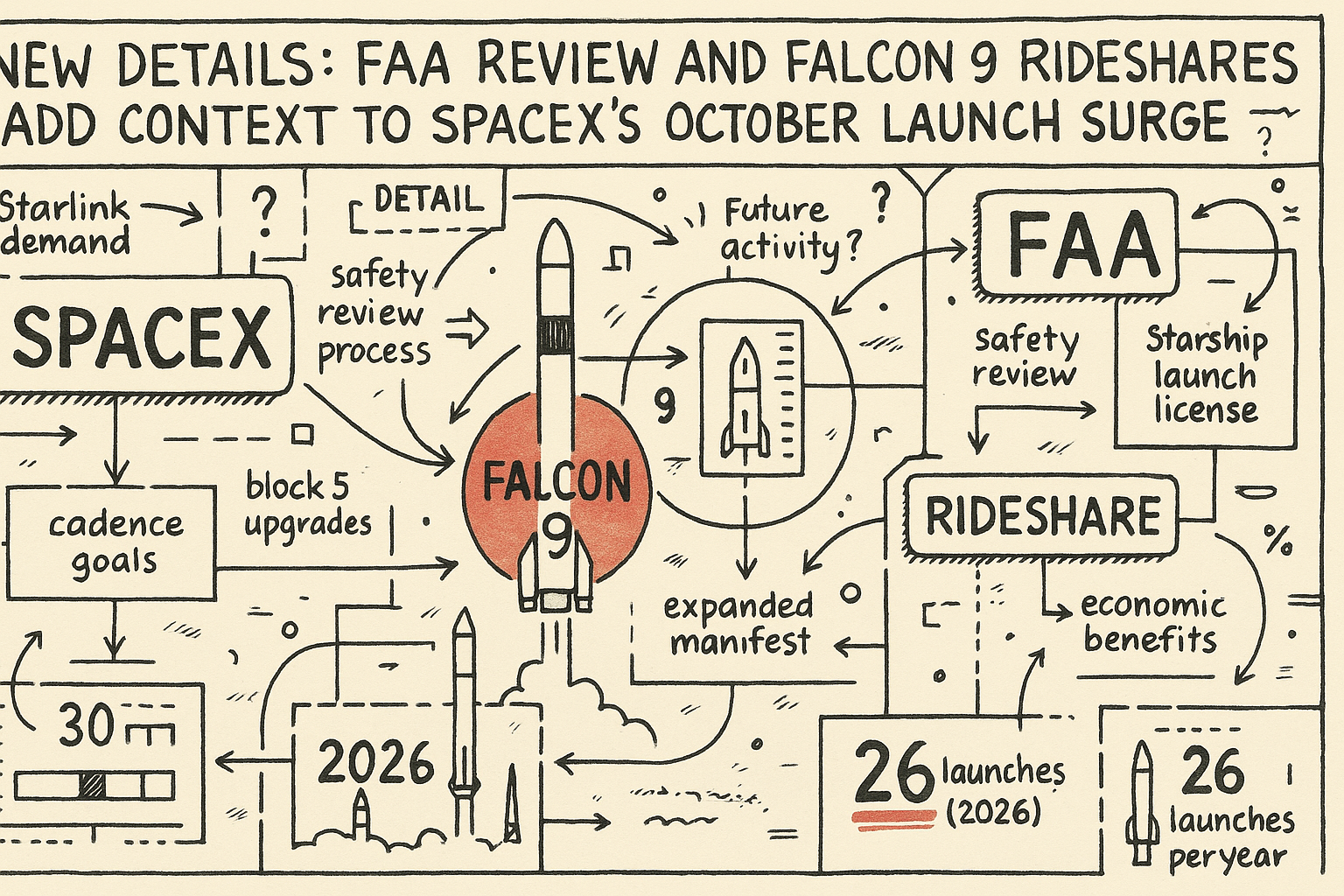
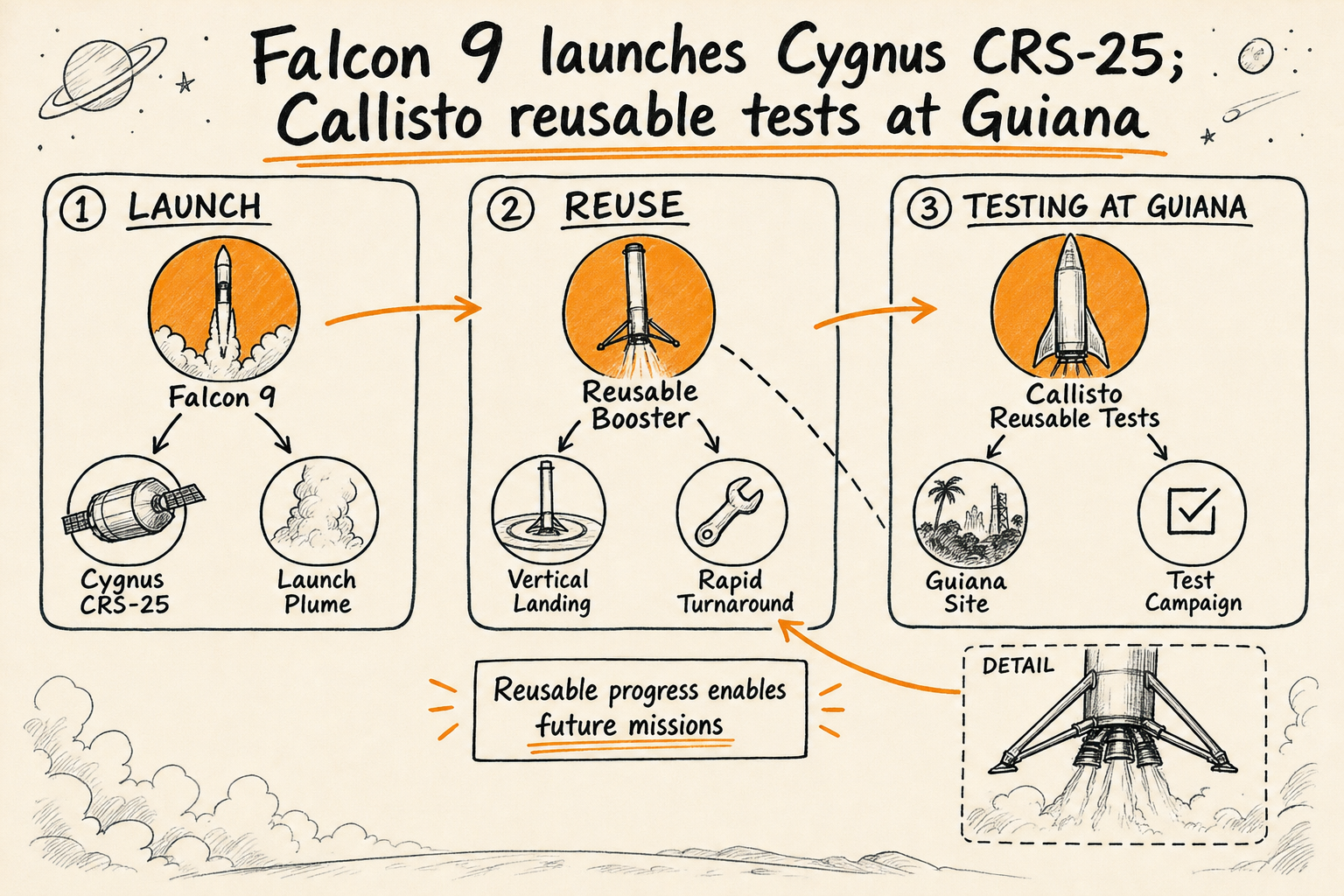
In late 2026 a cluster of developments — a Northrop Grumman Cygnus XL resupply mission slated to ride a SpaceX Falcon 9, ground qualification testing of the French Callisto reusable demonstrator in French Guiana, renewed RS-25 hot-fire certification activity, and increased operational tempo aboard the International Space Station — point to a transitional phase in launch and in-orbit operations. These items are not independent press releases but symptoms of a broader inflection: launch providers, national agencies and commercial actors are converging on practical reuse, in‑space servicing, and a logistics model that treats low Earth orbit (LEO) as an enduring, dynamic market.
Context: reuse is spreading beyond a single company
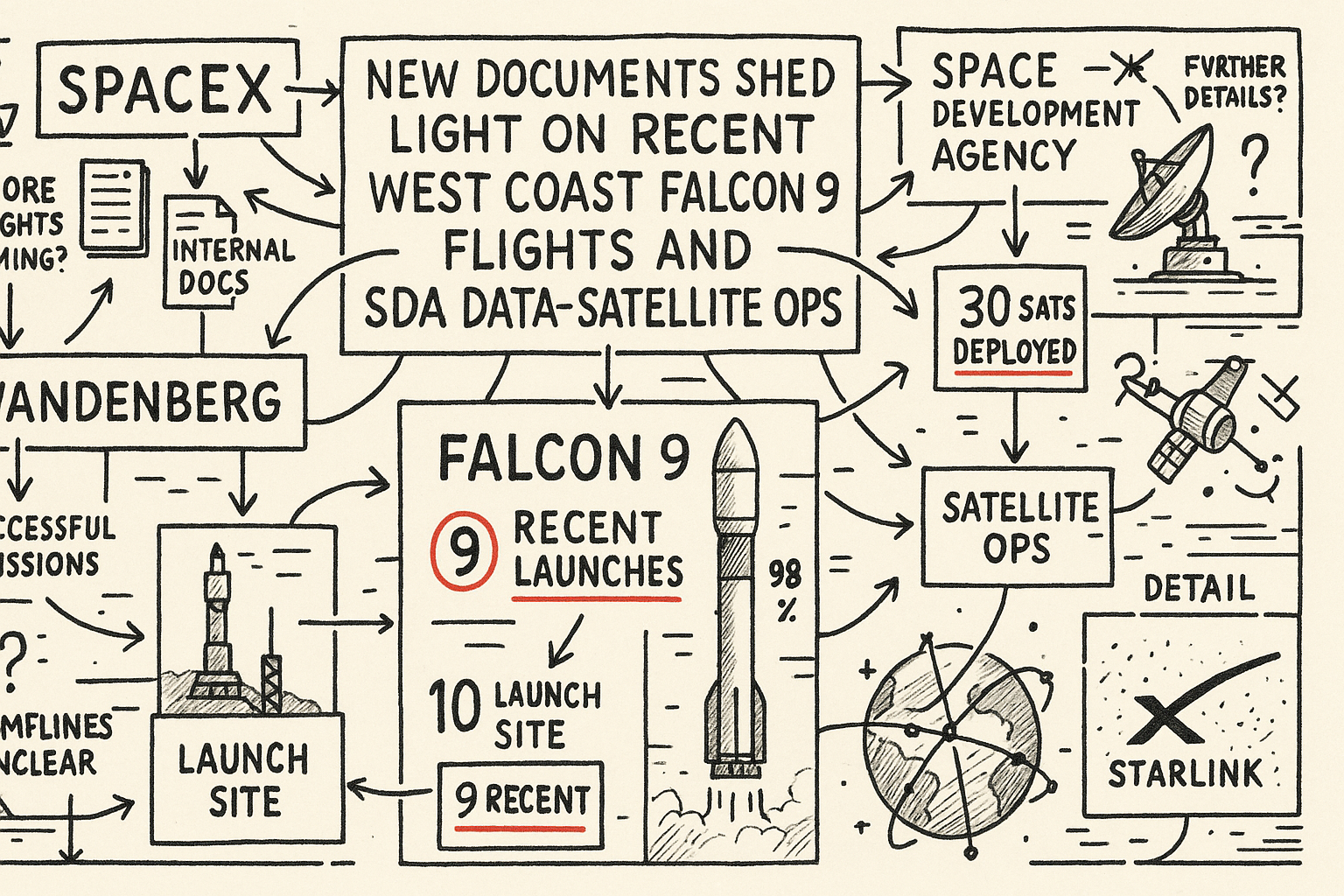
SpaceX’s Falcon 9 long ago normalized booster recovery and reflight. What’s new in 2026 is the spread of reuse experiments and demonstrators beyond the U.S. commercial champion. The CNES-backed Callisto program’s ground qualification tests at the Guiana Space Centre signal that Europe is serious about proving key systems — guided reentry, thermal protection, and refurbishment workflows — in a way that feeds future operational vehicles. On a different axis, China is testing booster reflight and landing attempts, indicating parallel investments worldwide.
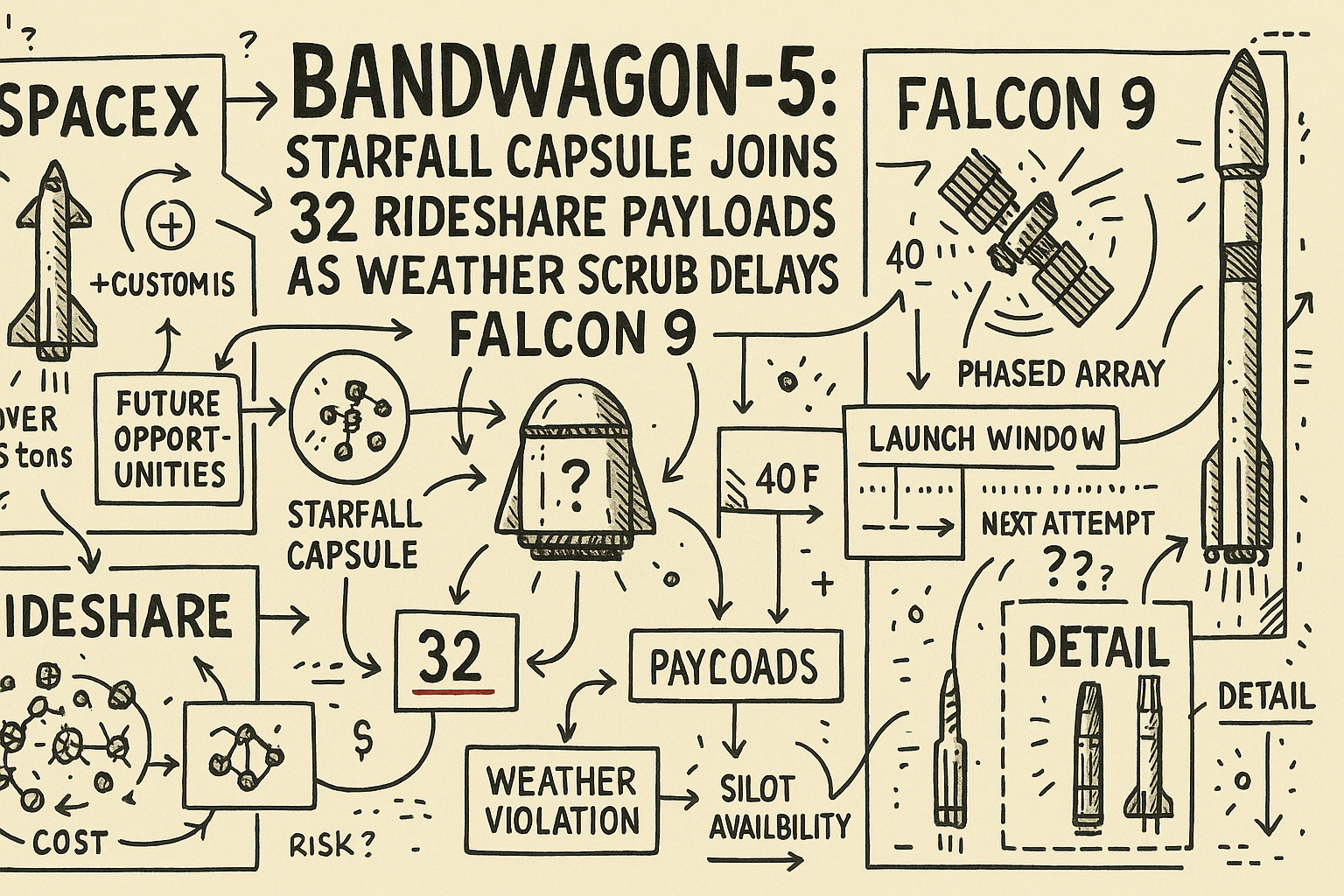
That matters for launches like NASA’s decision to fly a Northrop Grumman Cygnus XL atop a Falcon 9 for CRS‑25: the global supply chain is increasingly multi-provider and multi-paradigm. Operators will mix expendable and reusable hardware according to risk, cadence and marginal cost — not ideology.
Launch cadence meets orbital logistics
CRS-25 is a reminder that launch activity has mundane, essential consequences. Regular cargo missions feed science experiments, power upgrades and crewed operations aboard the ISS. The station’s recent robotics preparations for a power-generation spacewalk and ongoing biomedical experiments (bioprinted blood vessels, relaxation techniques, astronaut education outreach) underscore how launch schedules are the lifeblood of continuous research.
Concurrently, NASA’s outreach to industry on commercial servicing for the Hubble Space Telescope indicates a policy and procurement turn: rather than the agency retaining sole responsibility for servicing, NASA is exploring contracting models where private firms perform proximity operations and hardware replacement. This reflects an important shift from government‑only servicing missions (the Hubble servicing shuttle flights of the 1990s and 2000s) to a mixed economy where robotic and commercial crewed servicing can extend flagship assets' operational lives.
Technical backdrops: engines and demonstrators
At Stennis, RS‑25 engine hot-fires at a 111% power level over full mission durations remain crucial for SLS reliability. Those tests remind us that while reuse narratives dominate headlines, legacy heavy-lift and high-performance architectures still require rigorous certification. The RS‑25 program’s cadence demonstrates that launches and reusability are not replacing deep test heritage; they coexist.
Callisto’s ground tests are equally instructive. Demonstrators often underwhelm superficially — they are slow, cautious and incremental — yet they are precisely what reduces risk at scale. Callisto’s mockup and static trials are the necessary precursors to flight tests that, if successful, will feed techniques for rapid turnarounds and affordable access in Europe.
Implications and the near-term horizon
Three practical implications arise. First, operators will adopt hybrid strategies: reusable boosters where cadence and margins justify refurbishment, expendable or semi‑reusable systems for specialized missions. Second, the commercialization of in‑space servicing will open new business models — satellite life-extension, on-orbit upgrades and even salvage — changing launch demand from replacement satellites to servicing visits and modular payloads. Third, logistics to support continuous research aboard stations will remain a steady anchor for launch manifest planning even as commercial megaconstellations and lunar ambitions compete for manifest slots.
Two counterintuitive insights
1) Reuse reduces but does not eliminate launch diversity. Rather than converging on one reusable architecture, the industry is fragmenting into mission-tailored solutions. Expect more variety, not less.
2) Demonstrator programs like Callisto may deliver more value to policy than to near-term cost savings. Their political significance — demonstrating sovereign capability and sustaining domestic launch ecosystems — can be as important as technical metrics.
What to watch next
Watch CRS‑25’s integration and launch window closeout for how commercial rides and agency cargo policies interact. Follow Callisto’s move from static tests to flight trials; a successful flight will accelerate European reusable plans. Track NASA’s RFI responses on Hubble servicing — the firms that respond will outline the future providers of in‑space logistics. Finally, monitor RS‑25 hot‑fire outcomes as they influence schedules for human-rated heavy lifts.
In sum, late‑2026’s cluster of activity around Falcon 9 launches, Cygnus logistics, Callisto tests and engine certification paints a picture of an industry balancing ingenuity with institutional testing: reuse is spreading, but legacy systems and steady station logistics still shape real-world launch demand.