Introduction
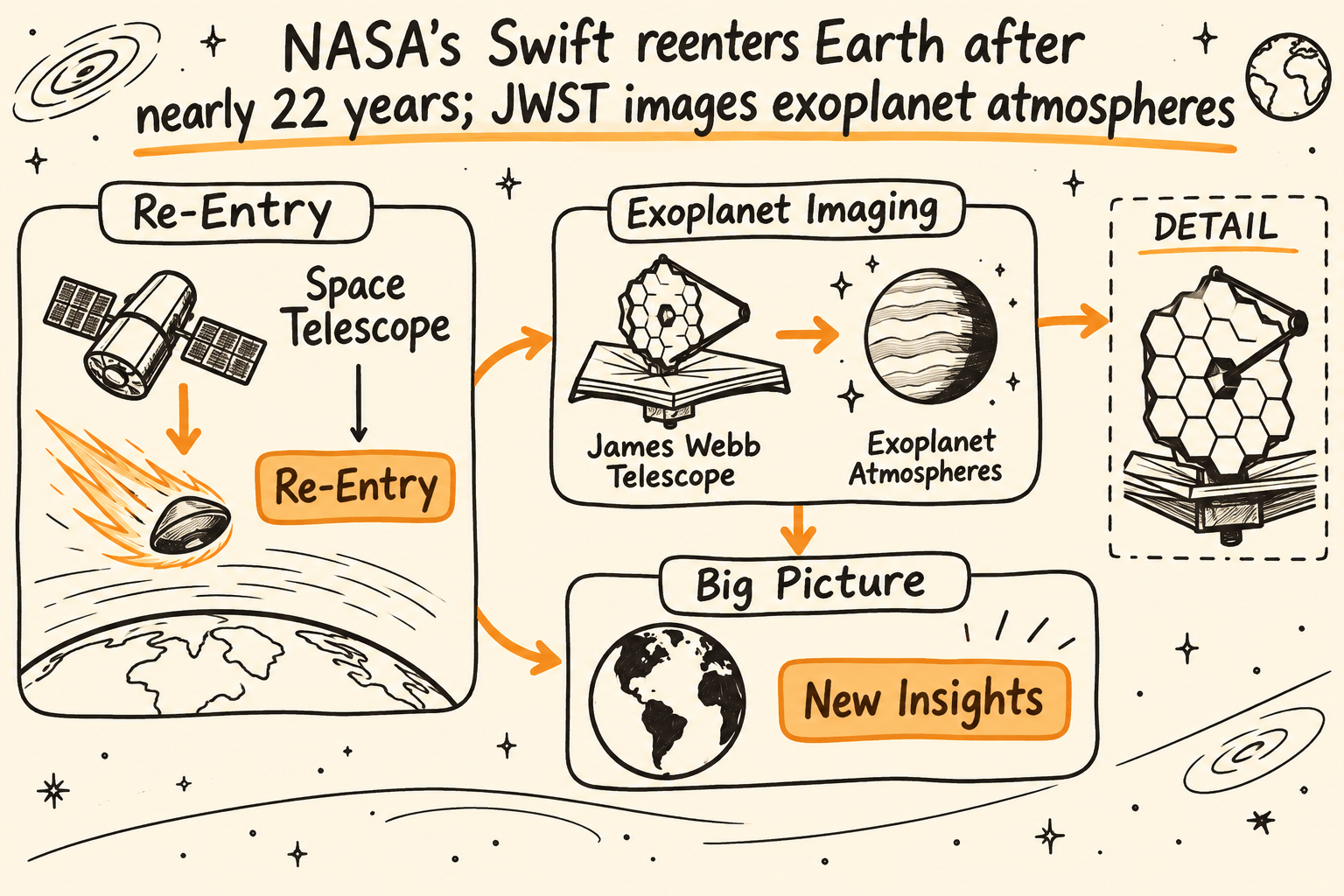
On opposite ends of contemporary space astronomy sits a symbolic pairing: NASA’s Neil Gehrels Swift Observatory — a workhorse mission that succumbed to orbital decay after nearly 22 years — and the James Webb Space Telescope (JWST), which continues to extend exoplanet science by literally turning down starlight to reveal worlds once invisible. Taken together, these developments map a transition in how astronomers study extreme, transient phenomena versus the slow, precise characterization of other worlds. They also underscore enduring tensions in mission design, lifespan expectations, and the evolving priorities of space agencies.
Swift’s finale: longevity, sacrifice and lessons
Launched in 2004 with a nominal two-year lifetime, Swift became a paradigm of flexible mission returns. Its three instruments — the Burst Alert Telescope (BAT), X-Ray Telescope (XRT) and Ultraviolet/Optical Telescope (UVOT) — transformed gamma-ray burst (GRB) science and high-energy transient astronomy by providing rapid localization and multiwavelength follow-up. That capability seeded discoveries about collapsing massive stars, neutron star mergers and black hole accretion episodes.
Swift’s fiery re-entry in November 2026, observed over Indonesia, is a reminder that orbital hardware is finite. The mission survived far beyond its design life but ultimately fell victim to an unrecoverable systems failure earlier in the year and an unsuccessful rescue attempt. Its demise prompts practical questions: how should agencies prioritize rescue efforts for aging but scientifically productive platforms, and when should resources be redirected to next-generation observatories? Historically, long-lived spacecraft — from Hubble to Voyager — have motivated both in-space servicing and successor investments. Swift’s end argues for consciously balancing end-of-life planning and the scientific value of continued operations.
Webb’s quiet revolution in exoplanet detection
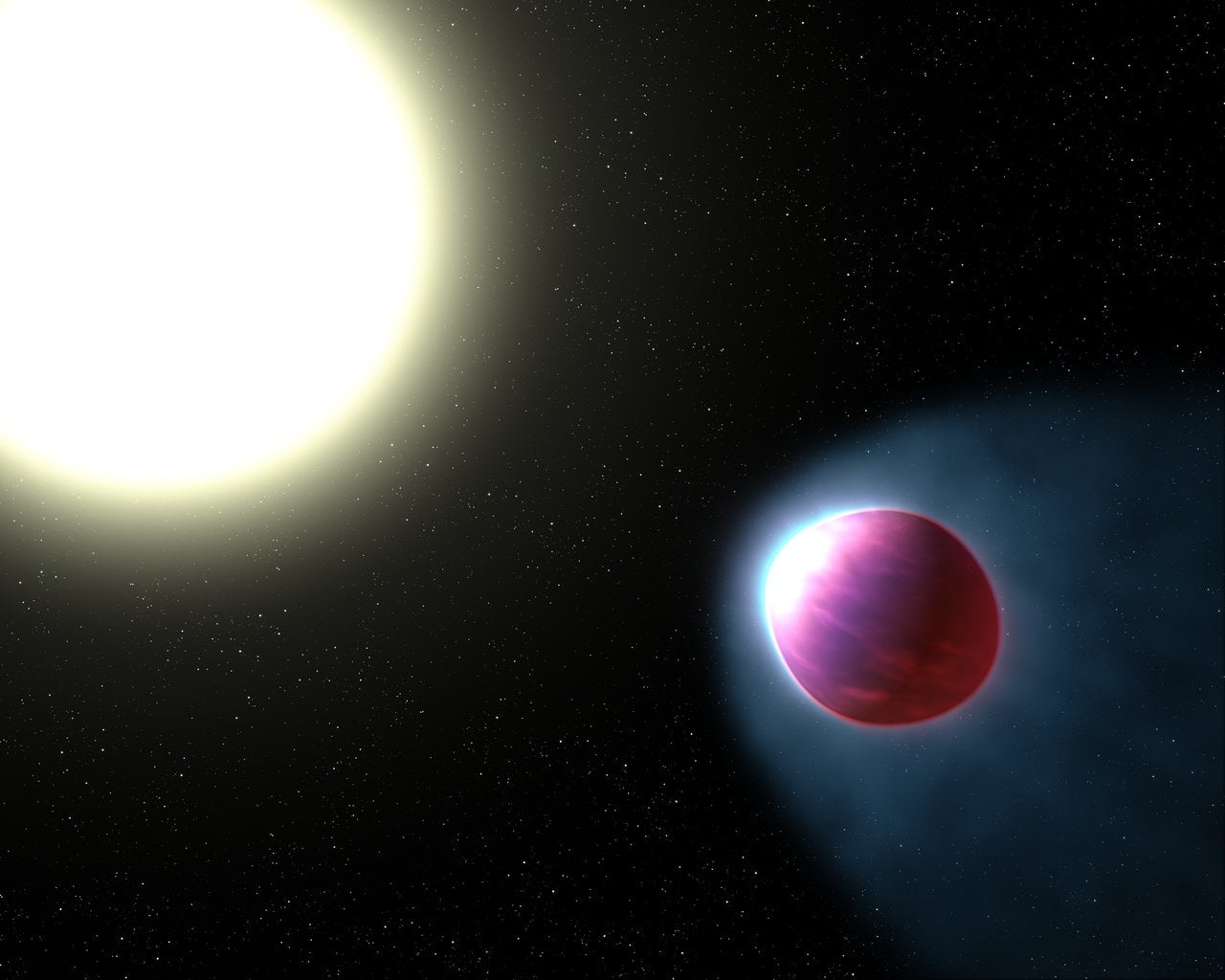
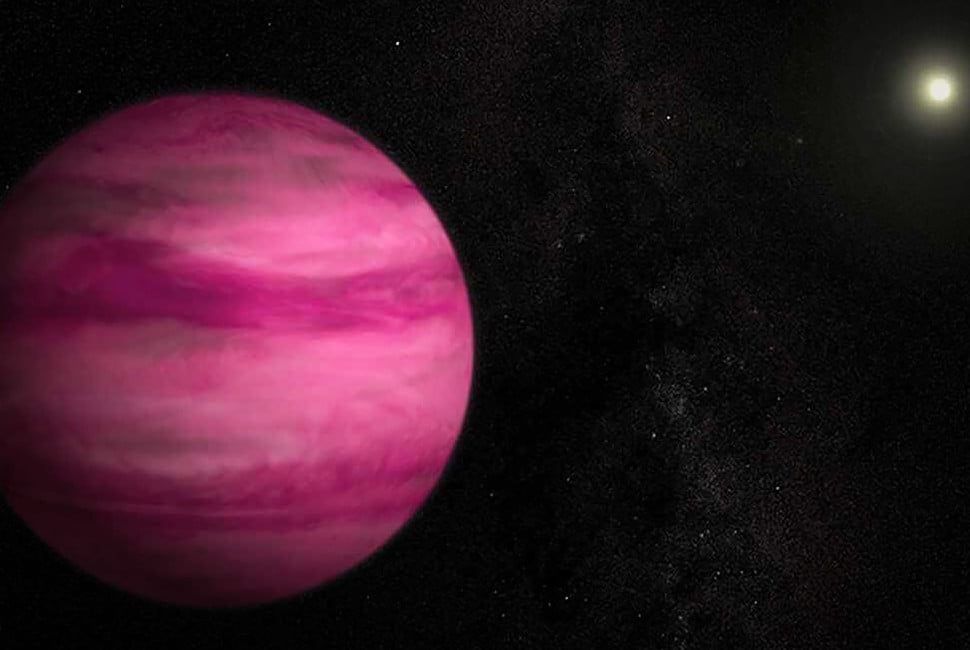
While Swift delivered fast, broad-stroke alerts of the universe’s most violent events, JWST advances a complementary frontier: nuanced characterization. Recent observations that “turn out” starlight to reveal a giant exoplanet demonstrate a technique gaining traction — high-contrast imaging coupled with sophisticated post-processing to remove stellar glare. The result is an emerging portrait of exoplanets’ atmospheres, temperatures, and even weather patterns.
This capability changes the game: where transit and radial-velocity methods yield radii and masses, direct detection (even when achieved by subtracting starlight) places spectra and spatial information in astronomers’ hands. Webb’s instruments, optimized for infrared sensitivity, allow detection of features such as water vapor and clouds on gas giants orbiting close to bright stars — targets once thought inaccessible to direct imaging.
Connecting the arc: rapid transients to slow characterization
The juxtaposition of Swift’s end and Webb’s ongoing breakthroughs highlights an important methodological shift in modern astrophysics. Transient science thrives on agility — fast slewing, broad instantaneous coverage and robust alert networks. Swift exemplified that model. Characterization science, in contrast, demands stability, high signal-to-noise, and careful calibration over long exposures — JWST’s strength. The solar system of scientific needs now contains both types of observatory, and the cross-talk between them is where new discoveries appear. For example, a Swift-like alert can point JWST to a newly brightening source for deep spectroscopic follow-up, while Webb’s atmospheric studies feed models used to interpret transients in other systems.
Implications for mission architecture and funding
Swift’s unplanned end will affect how agencies weigh portfolio resilience. One counterintuitive implication: cheaper, shorter-lived missions that are highly networked can sometimes deliver more cumulative discovery per dollar than fewer, more expensive flagships if redundancy and follow-up networks are robust. Conversely, JWST shows that concentrated investment in flagship capabilities yields scientific returns that ripple across disciplines for decades.
Looking ahead, the community must plan for an ecosystem that mixes agile scouts, midscale observatories, and a few strategic flagships. Policies on end-of-life mitigation, debris risk, and rescue missions will become more salient as low-Earth and cislunar traffic grows. Swift’s descent also refocuses attention on responsible deorbiting and the residual risk to populated regions — most debris burns, but faint fragments can reach the surface, prompting realistic public communication strategies.
Two surprising insights
First, the loss of a decades-old mission like Swift is not strictly a scientific setback: it clarifies priorities and accelerates investment in complementary capabilities. Second, direct imaging of exoplanets — once a niche technique — is becoming mainstream through algorithmic processing of JWST data rather than big hardware breakthroughs alone.
Conclusion
The sky of 2026 carries both elegy and promise. Swift’s re-entry closes a glorious chapter in transient astrophysics; Webb’s continued revelations open new chapters in understanding planetary systems. Together they remind us that progress in astronomy rarely follows a straight line: it is a braided story of endurance, innovation, and the occasional dramatic finale that sharpens the science that follows.