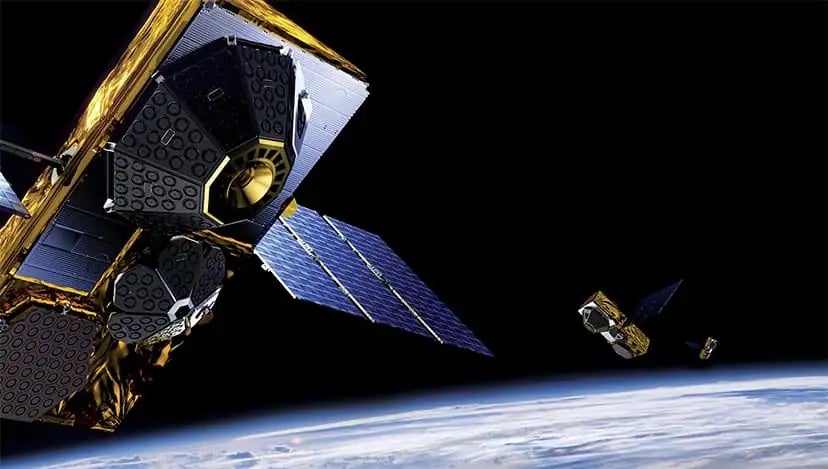
Iridium Communications announced on Tuesday, Nov. 17, that it has activated commercial service for Iridium NTN Direct, a standards-based narrowband Internet of Things (NB-IoT) direct-to-device (D2D) offering that runs across its existing L-band low Earth orbit (LEO) satellite constellation. Satnews reported that it is the first 3rd Generation Partnership Project (3GPP) standards-based D2D IoT service to enter commercial operation over an active mobile satellite services (MSS) network.
Standard NB-IoT devices roam onto the satellite network
Unlike Iridium’s proprietary D2D technology, Iridium NTN Direct is built on 3GPP standards. Mobile network operators, device makers and enterprise customers can therefore deploy satellite-enabled NB-IoT devices without bespoke satellite-only hardware, and without waiting for single-purpose constellations to be built and launched. Compatible devices can roam onto the orbital infrastructure when terrestrial cellular coverage is unavailable. Satnews noted that relying on open standards reduces hardware fragmentation and eases integration between terrestrial wireless networks and satellite links.
The service is designed for low-power, wide-area data transmission across remote land, maritime and airborne regions. It is aimed at low-power IoT use cases, not mainstream consumer smartphones.
Before activation, Iridium ran pre-commercial tests with industry partners. They validated waveform interoperability, network roaming and end-to-end message delivery across the LEO constellation. According to Satnews, the trials demonstrated live transmission over the L-band space segment and verified ground-to-orbit integration before the network opened to broader commercial service.
Firmware updates, coverage and target uses
Iridium and its partners say devices with compatible 3GPP NB-IoT chipsets can in some cases be enabled through firmware updates rather than new hardware. Nordic Semiconductor is planning a January firmware update for its NRF9151 module to make it compatible with Iridium NTN Direct.
Iridium emphasizes “100% global coverage,” based on its globally coordinated L-band spectrum and subject to regulatory authorizations. The company listed potential applications including smartwatches, personal safety and emergency messaging, asset tracking, fleet management, logistics and supply chains, connected vehicles, smart agriculture, utility metering, industrial monitoring and remote infrastructure. In demonstrations, Iridium showed a Toyota vehicle sending a voice message over the service.
For enterprises and carriers, Satnews said, the live service gives them standardized satellite fallback and remote asset monitoring on a constellation that is already operating.
Standards route, Qualcomm history and the Rocket Lab deal
Iridium CEO Matt Desch said standards are “opening the door to a new generation of connected products,” and that NTN Direct builds “on decades of innovation and a network that’s already operating worldwide to bring satellite connectivity to a much broader market.” He added that, working in tandem with terrestrial cellular networks, Iridium NTN Direct creates opportunities for innovation and expands what’s possible for connected devices.
NTN Direct traces back to Project Starburst in 2024. Iridium’s earlier agreement with Qualcomm to embed proprietary technology in Qualcomm chips did not proceed, and Iridium chose a standards-based route instead.
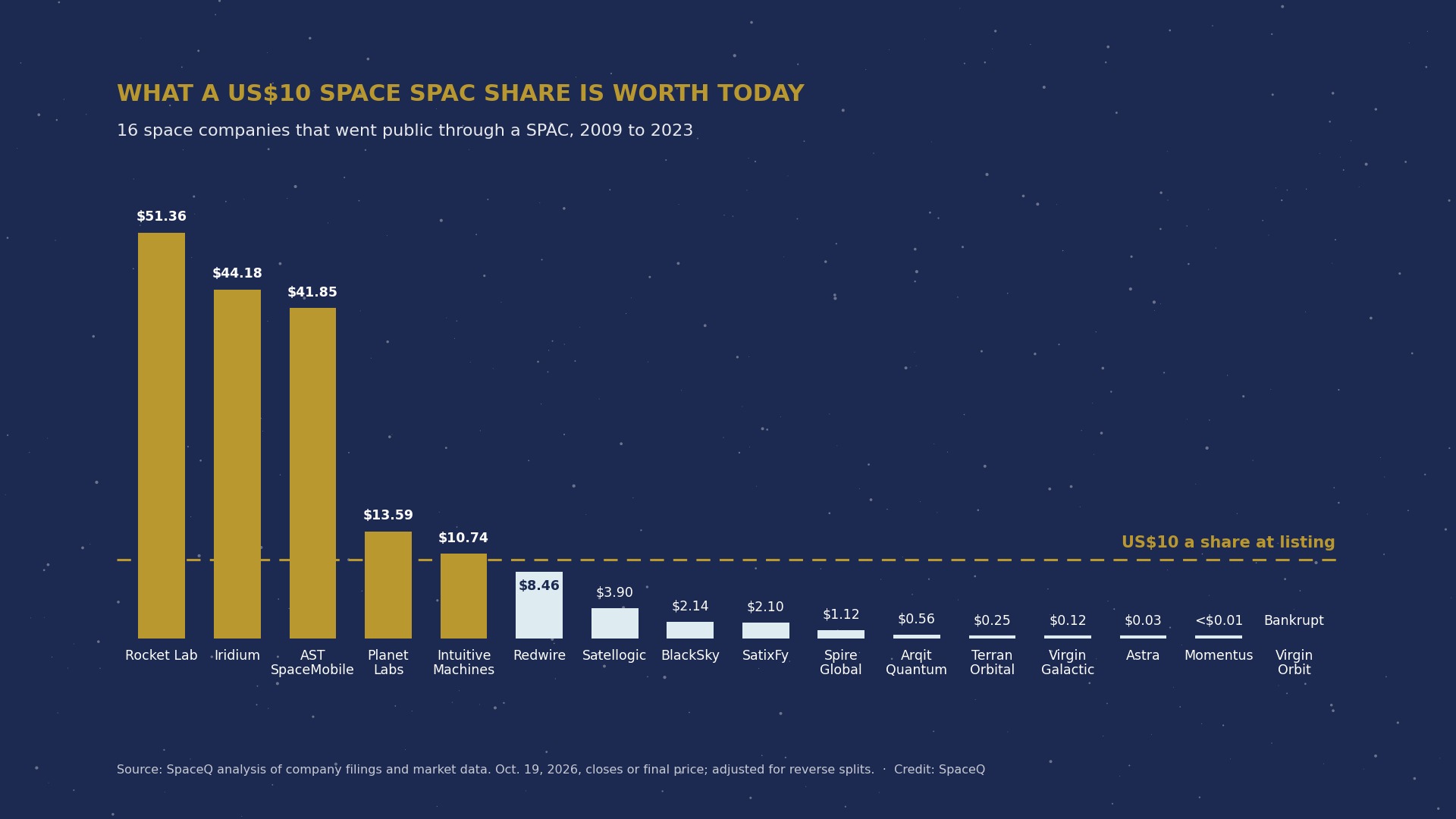
The activation comes while Iridium is being acquired by Rocket Lab, which has cited D2D opportunities as part of its vertical integration plans. As NovΔ mAInd reported in Globalstar Asks FCC to Scrutinize Rocket Lab’s Supplier Role After Iridium Deal, Globalstar told the Federal Communications Commission on Nov. 3, as part of its review of the planned purchase, that Rocket Lab’s supplier ties to Globalstar could create competitive conflicts. Globalstar said it does not oppose the acquisition itself. It noted that both it and Iridium hold exclusive operating rights in the “Big LEO” portion of MSS spectrum, rights the FCC affirmed earlier in the year when it rejected an Iridium request to revise the band.