Summary
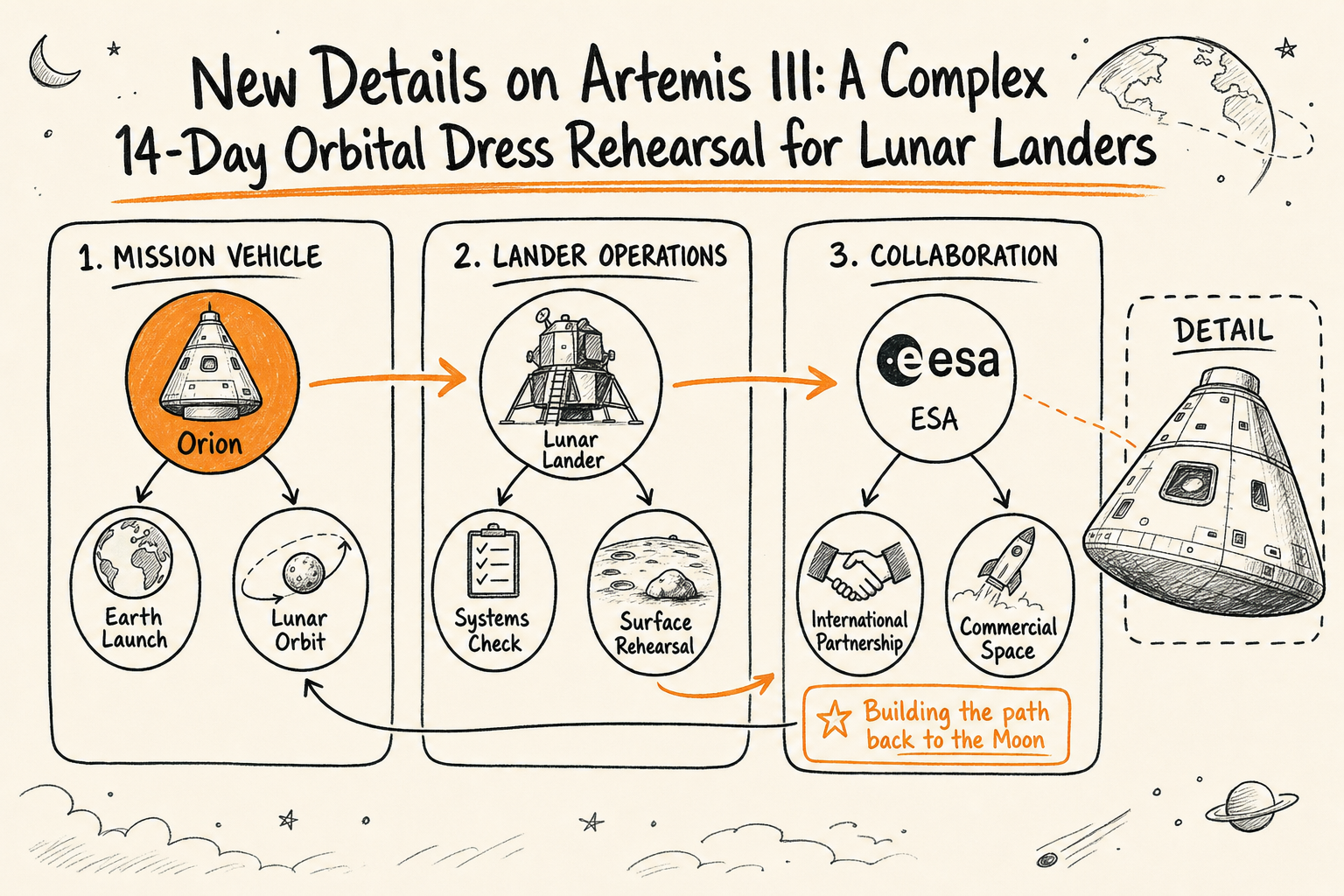
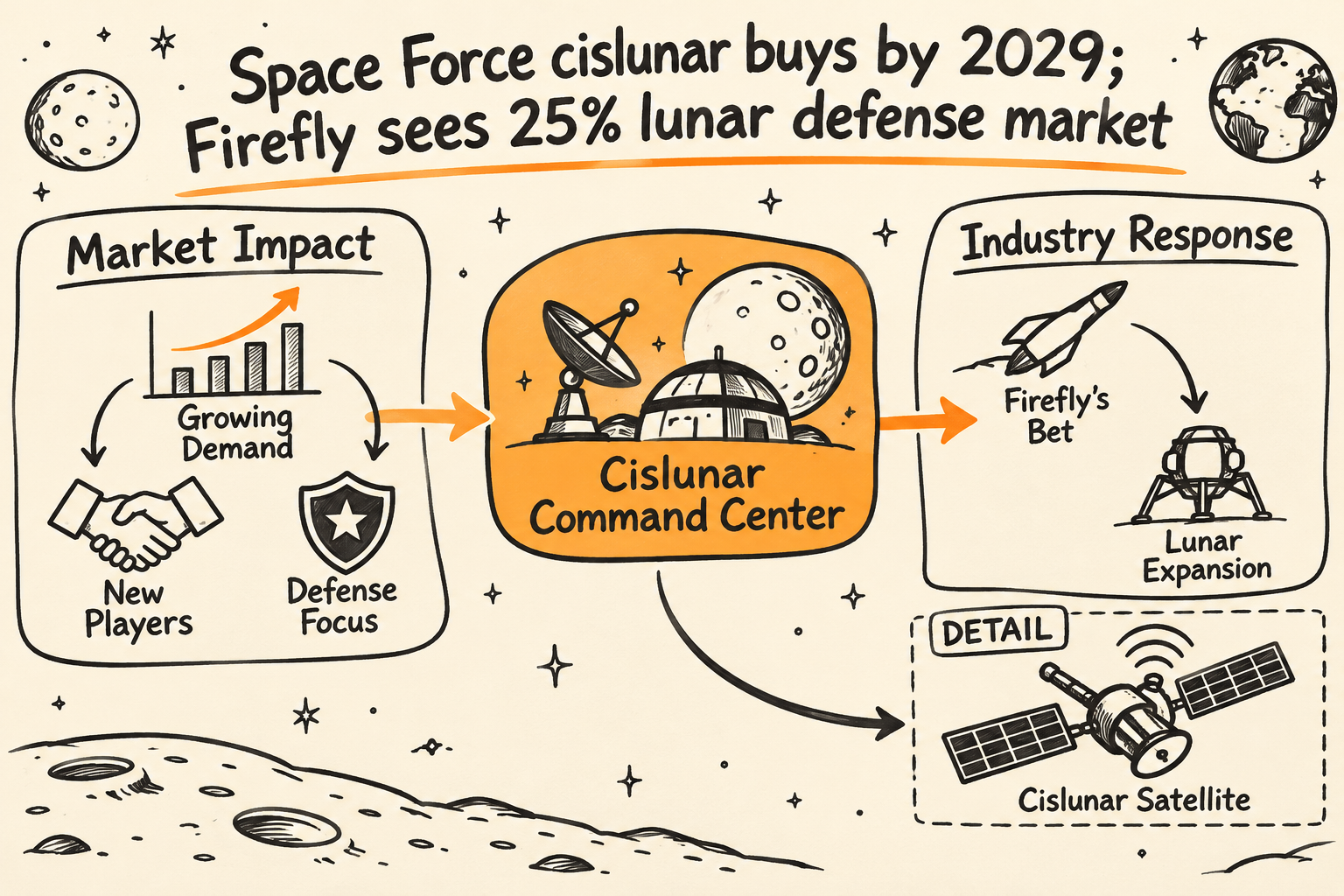
Europe arrives at a policy inflection point. As NASA accelerates Artemis-era logistics and the United States clarifies military interest in cislunar space, European actors confront a familiar dilemma: ambition without coherent political prioritisation. Recent reporting from Space Tech Expo Bremen, commentary ahead of ESA’s Intermediate Ministerial in Rome, and the UK’s Technical Framework on Lunar Operations together sketch a picture of a continent with deep technical talent but diminishing strategic leverage. Meanwhile commercial operators such as Intuitive Machines and partnerships for lunar telescopes illustrate how private players are rewriting who actually builds and controls lunar infrastructure.
From capability to leverage: the European paradox
Over the past decade Europe has steadily built capabilities—scientists, suppliers and start-ups highlighted in Bremen, and now national programmes like Hungary’s pivot from mission to agency—but that accumulation has not translated into political clout at the ministerial level. Christophe Bosquillon’s analysis for SpaceWatchGL captures this: Europe is technically able yet politically diffuse. The Intermediate Ministerial Meeting in Rome will test whether member states can move beyond stovepipes and align behind a coherent Artemis-era role or continue to scatter their influence across niche contributions.
This is not a new problem. Historically, Europe has succeeded in space where it pooled resources into clear, long-lived programmes—Ariane and Galileo being prime examples. The surprise today is how routine fragmentation has become: ministries still compete for industrial work, national pride shapes procurement, and there is limited appetite for a single, hard political commitment to cislunar infrastructure. That weakens bargaining power vis-à-vis NASA and US national-security-aligned contractors who now write many of the rules for lunar logistics.
Regulation as strategy: the UK’s Technical Framework
The UK’s recently published Technical Framework on Lunar Operations is an important counterpoint. It signals a deliberate national move to provide regulatory certainty so UK firms can compete for lunar contracts and to anchor commercial activity with domestic oversight. This is regulatory strategy: by clarifying liability, safety and operational expectations, London hopes to convert existing engineering strengths into exportable services and flagged participation in Artemis-aligned activity.
But regulation can only substitute for limited political weight to a degree. The UK framework eases market entry and risk management, yet it does not address the strategic question of interoperable infrastructure or how Europe collectively negotiates access, data rights and security guarantees for cislunar assets operated by US-led consortia.
Commercial suppliers as power brokers
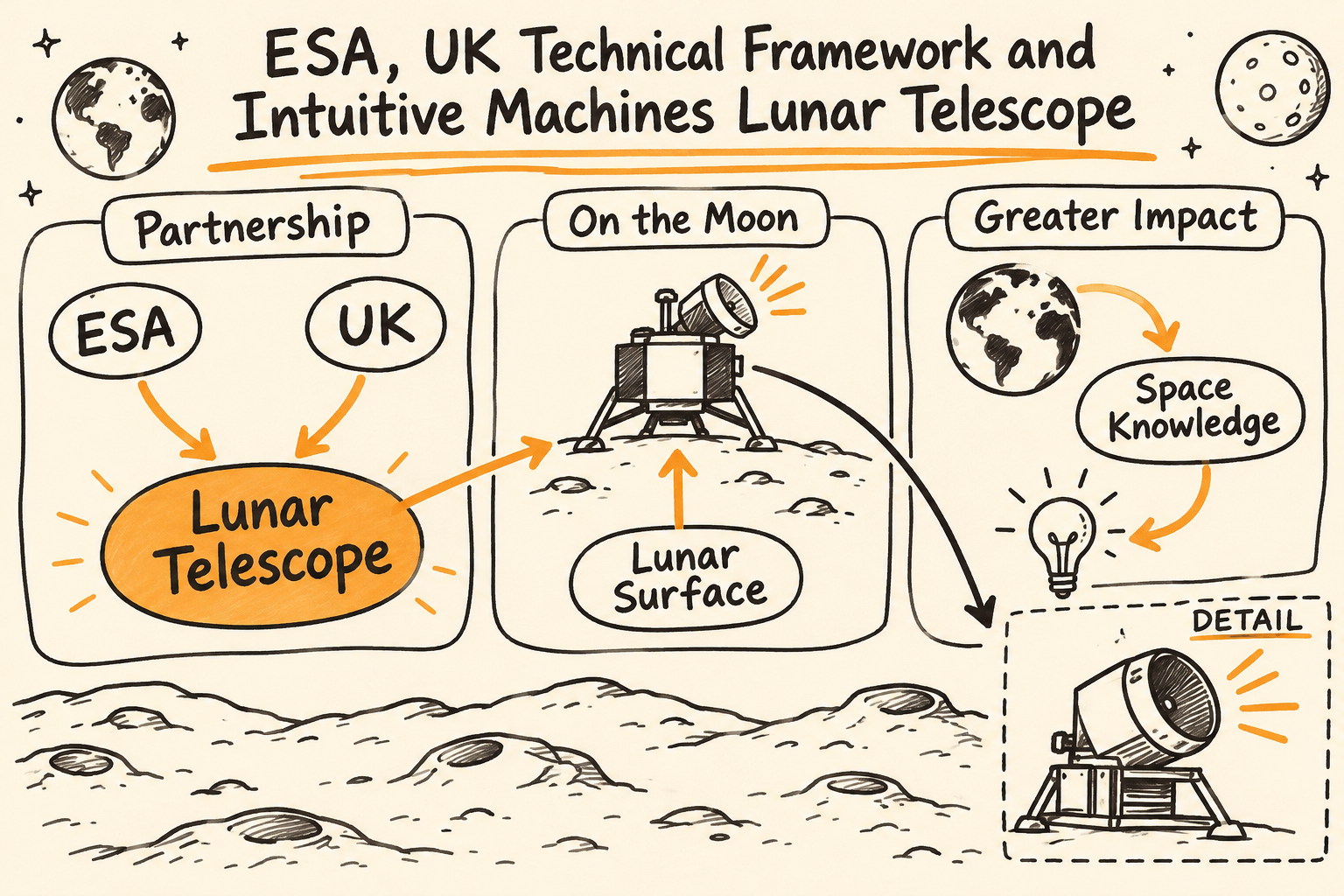
Commercial partnerships exemplify the new dynamics. Scanway’s lunar telescope, to fly with Intuitive Machines, shows how small European firms are finding routes to lunar presence through US mission integrators. These arrangements are pragmatic and adaptive, but they also create asymmetric dependencies: companies depend on US launch and mission architecture, while Europe trades sovereign control for faster access and private capital.
That trend has a geopolitical dimension. SpaceWatchGL’s reporting on the Starshield access restrictions over Ukraine underscored the vulnerability of relying on commercial providers whose services can be politically constrained. The more Europe leans on US commercial systems, the more it cedes not just industrial opportunity but the political leverage that accompanies independent infrastructure.
Two counterintuitive implications
First, stronger national programmes may make Europe weaker collectively. When member states pursue independent agency-building (as Hungary contemplates) or national champions, they increase political fragmentation and reduce the EU/ESA bargaining chip needed to demand equitable roles in US-led regimes.
Second, regulatory clarity—exemplified by the UK—can be both empowering and entrenching. Clear rules accelerate commercial activity, but they also make it easier for firms to plug into dominant US architectures rather than foster parallel European systems. In the short term the result looks like success (contracts, rapid missions); in the long term it can harden dependency.
What Rome must decide
At the Intermediate Ministerial Meeting, ministers face three practical choices: (1) coordinate funding across member states to back a European-led lunar infrastructure element that commands bargaining value; (2) accept a complementary role—specialised instruments, robotics, mapping and data processing—and focus on rapid delivery through commercial partners; or (3) pursue national industrial wins that preserve sovereignty but continue to erode collective leverage.
Each path has trade-offs. The first requires uncomfortable political pooling and a willingness to cede some national industrial autonomy. The second maximises short-term returns and market wins but invests Europe’s voice into platforms controlled elsewhere. The third pleases domestic constituencies but risks irrelevance in cislunar governance.
Outlook
Europe’s immediate leverage is the quality and breadth of its suppliers—telescopes, mapping systems, robotics and data processing chains—but turning that into negotiating power will require ministers to make binding choices. If Rome opts for piecemeal contributions, expect accelerating commercial wins accompanied by strategic dependency on US-led systems; if it chooses pooling, Europe can regain bargaining parity but only by accepting a period of concentrated investment and industrial restructuring.
Either way, the coming 18 months will reveal whether Europe can translate technical excellence into political influence in the new lunar order or settle for commodified participation under American architecture.