In recent months, the space industry has been marked by a series of pivotal developments, each revealing both the complexities and the potentials of our expanding extraterrestrial frontier. From defense contracts to technological advancements, these events collectively paint a picture of an industry on the cusp of transformation.
Strengthening Space Domain Awareness
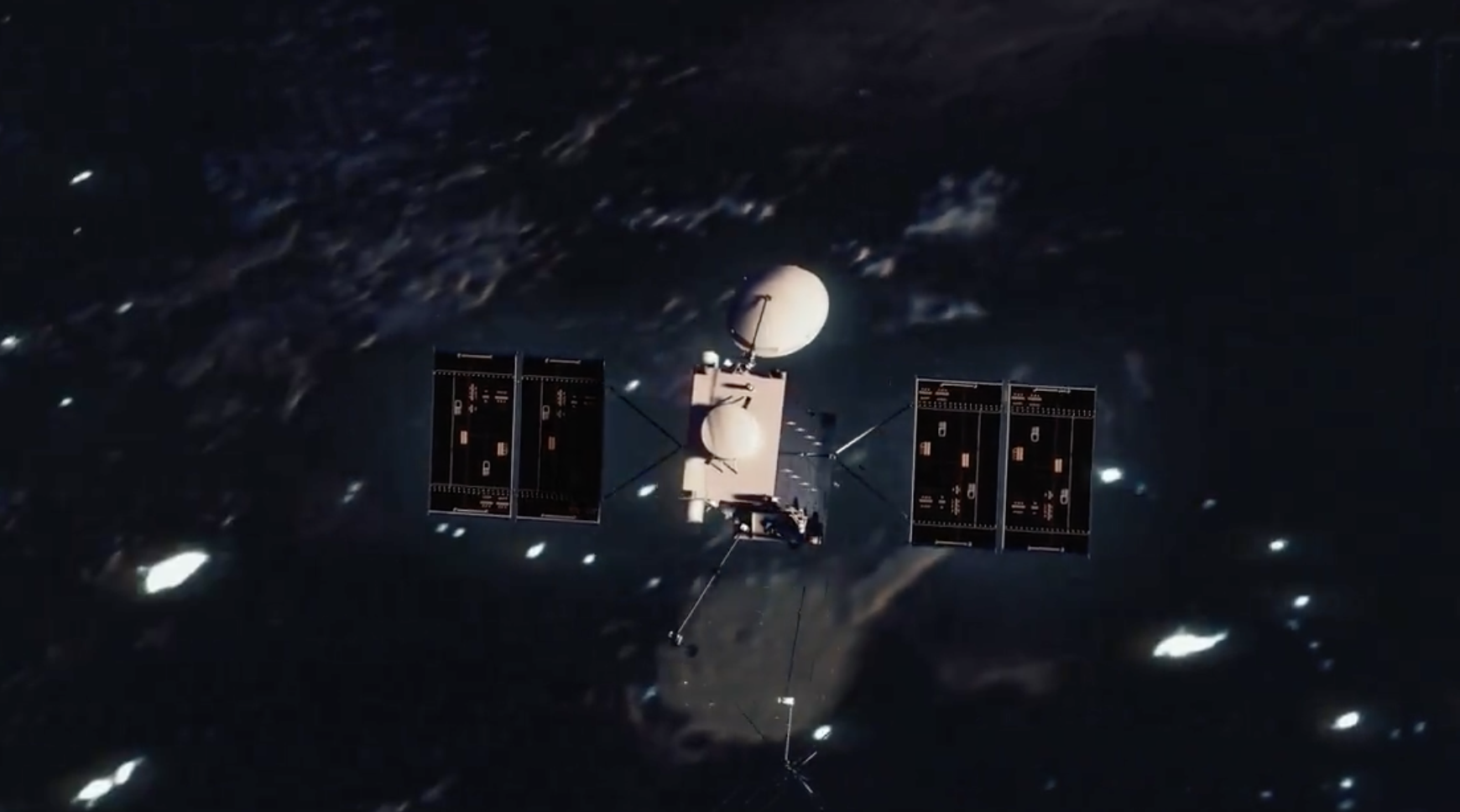
On September 22, 2026, Impulse Space secured a $28 million contract from the U.S. Space Force to deliver a geostationary Space Domain Awareness (SDA) demonstration mission. This initiative underscores the increasing importance of space surveillance in maintaining national security, a sentiment echoed by the Pentagon's interest in satellite end-of-life disposal services. Despite the absence of successful robotic satellite captures, the investment in such technologies highlights a proactive approach to mitigating space debris risks.
SpaceX: Architect of a New Communication Era
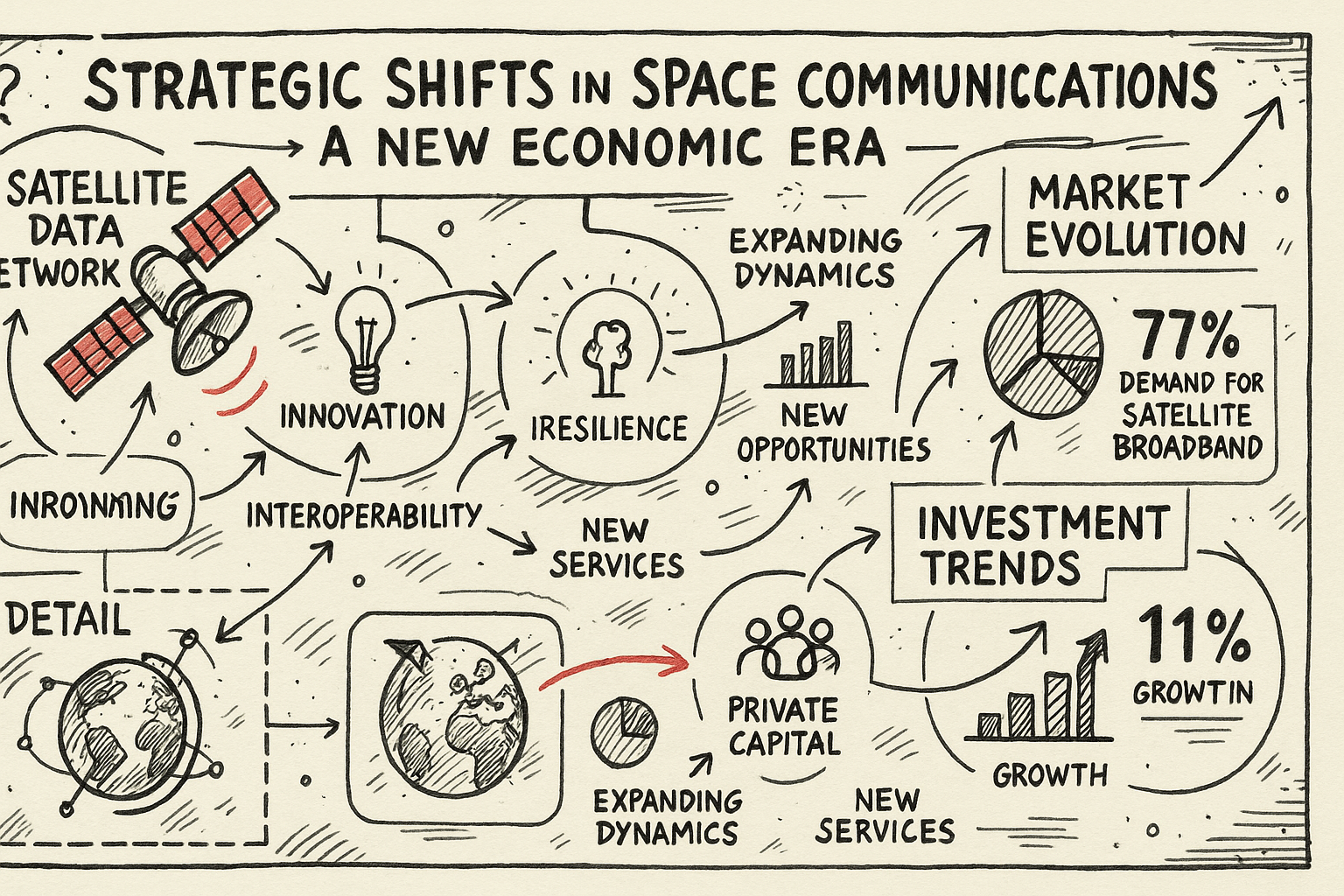
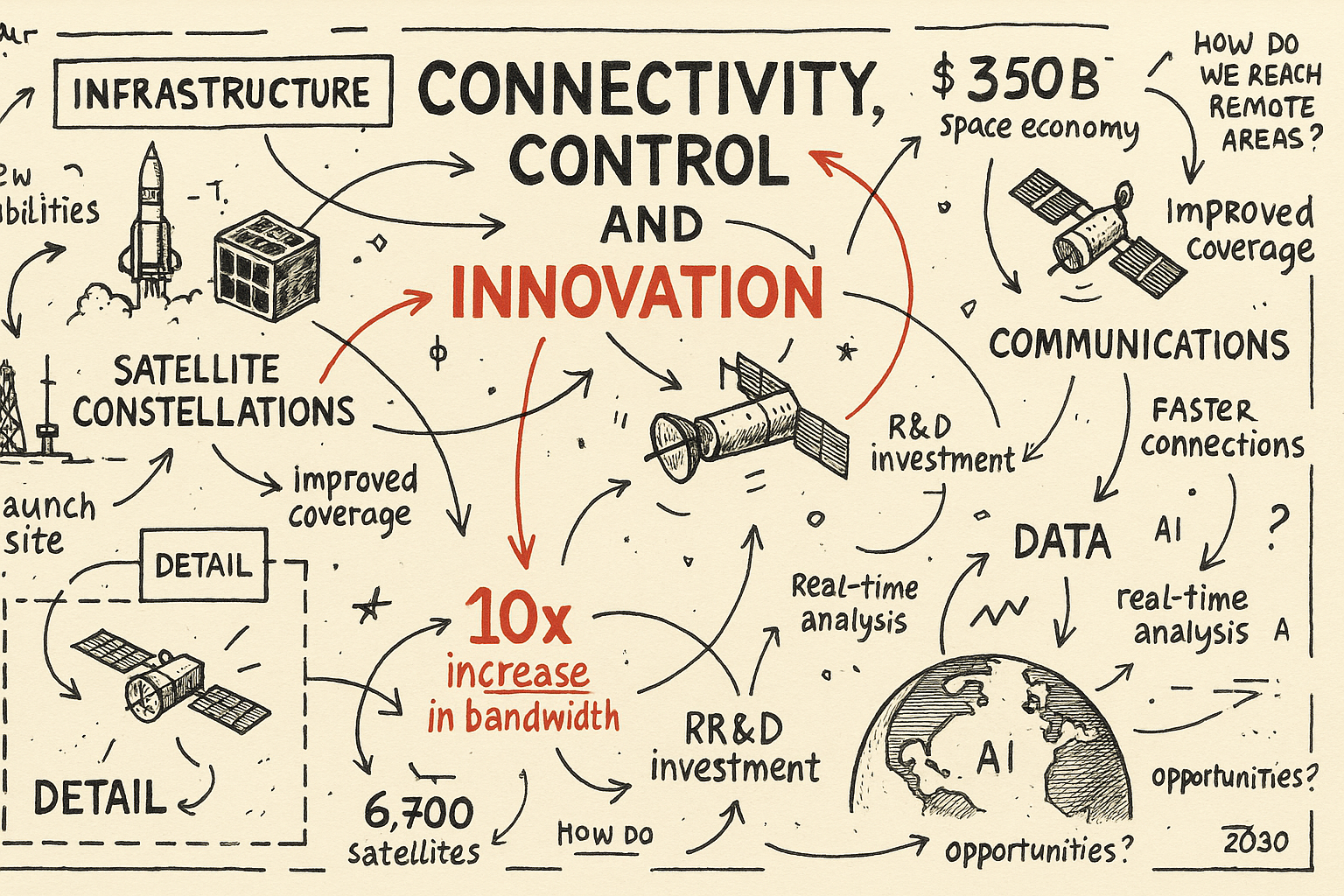
Meanwhile, SpaceX has been granted the architectural design authority for the U.S. Space Force's $2.29 billion Space Data Network Backbone. This project represents a significant leap in creating a resilient and sophisticated communication infrastructure. By allowing SpaceX to determine the satellite count and constellation architecture, the Space Force is effectively placing its trust in private innovation to meet strategic communication needs.
European Ambitions and Collaborations
Across the Atlantic, the European Space Agency (ESA) is advancing its IRIS² low-LEO architecture through collaborations with 80 industrial partners. This initiative not only aims to enhance Europe's technological capabilities but also emphasizes the importance of resilience and security in satellite communications, aligning with global trends toward robust space infrastructure.
Commercial Dynamics and Technological Innovation
The commercial sector is also witnessing significant momentum. EnduroSat's recent $205 million funding round, earmarked for scaling production and expanding into defense markets, reflects the increasing commercial interest in satellite technology. Furthermore, the rebound in commercial geostationary satellite orders, driven by spectrum transitions, indicates a recovery in demand, aligning commercial interests with technological advancements.
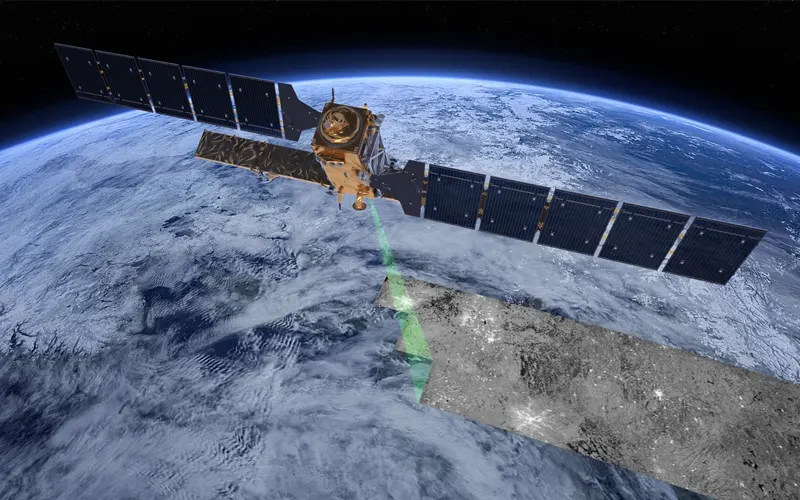
In a related development, ESA's InCubed funding for Involve Space's StratoSAR project highlights the growing interest in stratospheric platforms as a complementary technology to traditional satellite systems. Such innovations promise enhanced radar capabilities, offering new possibilities for earth observation and communication.
Implications and Future Directions
The convergence of defense, commercial, and technological interests in space suggests a future where collaboration across sectors will be crucial. The reliance on private companies like SpaceX and Impulse Space for critical infrastructure projects underscores a shift towards public-private partnerships, which could expedite technological development and deployment.
One of the most counterintuitive insights is the Pentagon's investment in satellite disposal technologies despite the absence of proven robotic capture systems. This move signals a strategic foresight in addressing potential debris challenges, emphasizing a preventive rather than reactive approach to space sustainability.
As we look ahead, these developments suggest that the next phase of space exploration will not only focus on reaching new frontiers but also on maintaining and optimizing the space environment. The emphasis on security, resilience, and technological innovation will likely define the industry's trajectory, with significant implications for global connectivity and defense strategies.