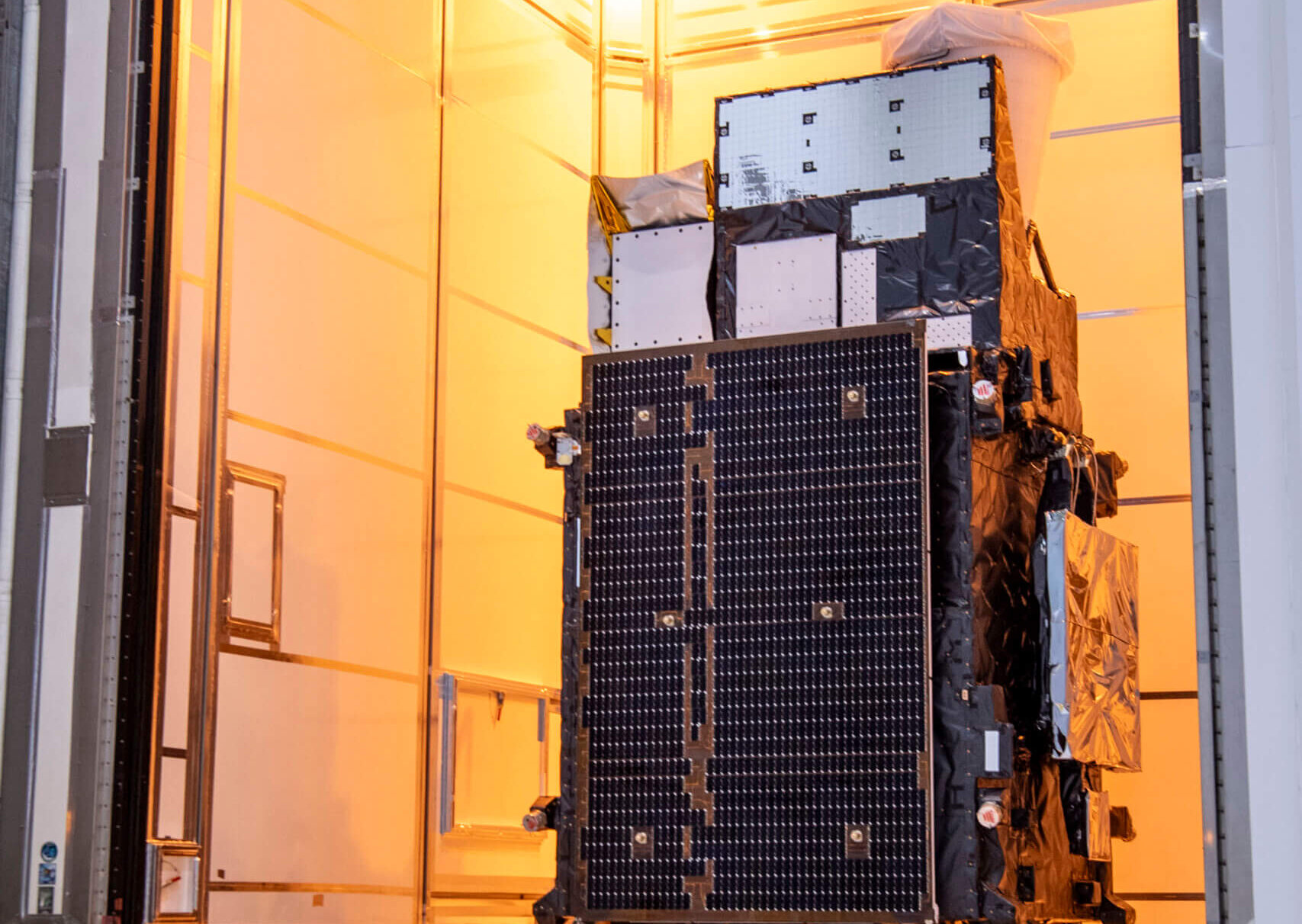
The European Space Agency (ESA) has taken a significant step forward in advancing Earth observation capabilities by awarding a €700 million contract to Thales Alenia Space, based in Italy. This contract initiates the development of two identical Sentinel-1 Next Generation satellites, marking the first phase of this ambitious project.
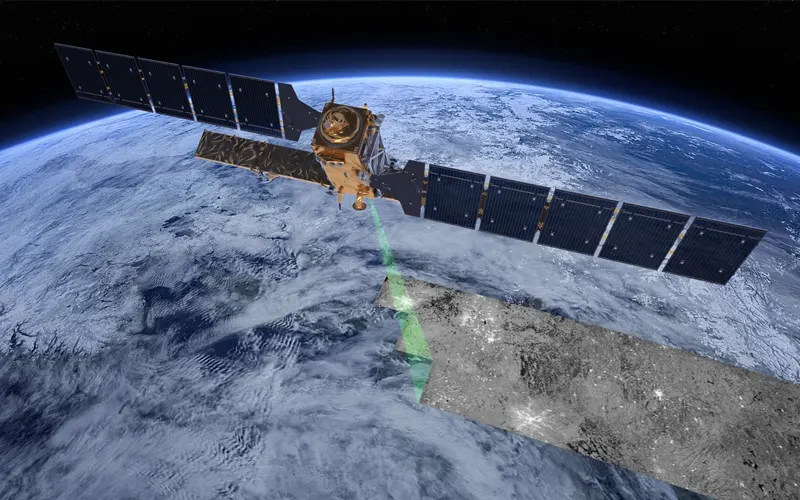
The Sentinel-1 Next Generation satellites are set to build upon the legacy of the first-generation Sentinel-1 fleet, which has been pivotal in enhancing our understanding of Earth's surface. Between 2014 and 2025, four first-generation Sentinel-1 satellites were launched, contributing valuable data that supports a variety of applications including climate monitoring, disaster management, and agricultural practices. As of now, three of these satellites remain operational following the deactivation of Sentinel-1B.
Thales Alenia Space, the company entrusted with this new contract, has a longstanding relationship with ESA, having previously played a crucial role in the development of the original Sentinel-1 satellites. The new generation satellites are expected to feature advanced radar imaging capabilities, offering improved resolution and coverage to support the Copernicus Programme, Europe's flagship Earth observation initiative.
The Copernicus Programme aims to provide accurate, timely, and easily accessible information to improve environmental management, understand and mitigate the effects of climate change, and ensure civil security. The incorporation of Sentinel-1 Next Generation satellites will extend the programme's capabilities, providing more precise and comprehensive data to users worldwide.
This contract marks an important milestone in ESA's Earth observation strategy, highlighting the continued investment in space infrastructure to secure and enhance the data needs of the future. The upcoming Sentinel-1 satellites are expected to play a critical role in addressing global challenges and supporting scientific research and policy-making through enhanced Earth monitoring.
As the project moves forward, the European space sector eagerly anticipates the advancements these new satellites will bring to Earth observation and the broader implications for environmental monitoring and climate science.