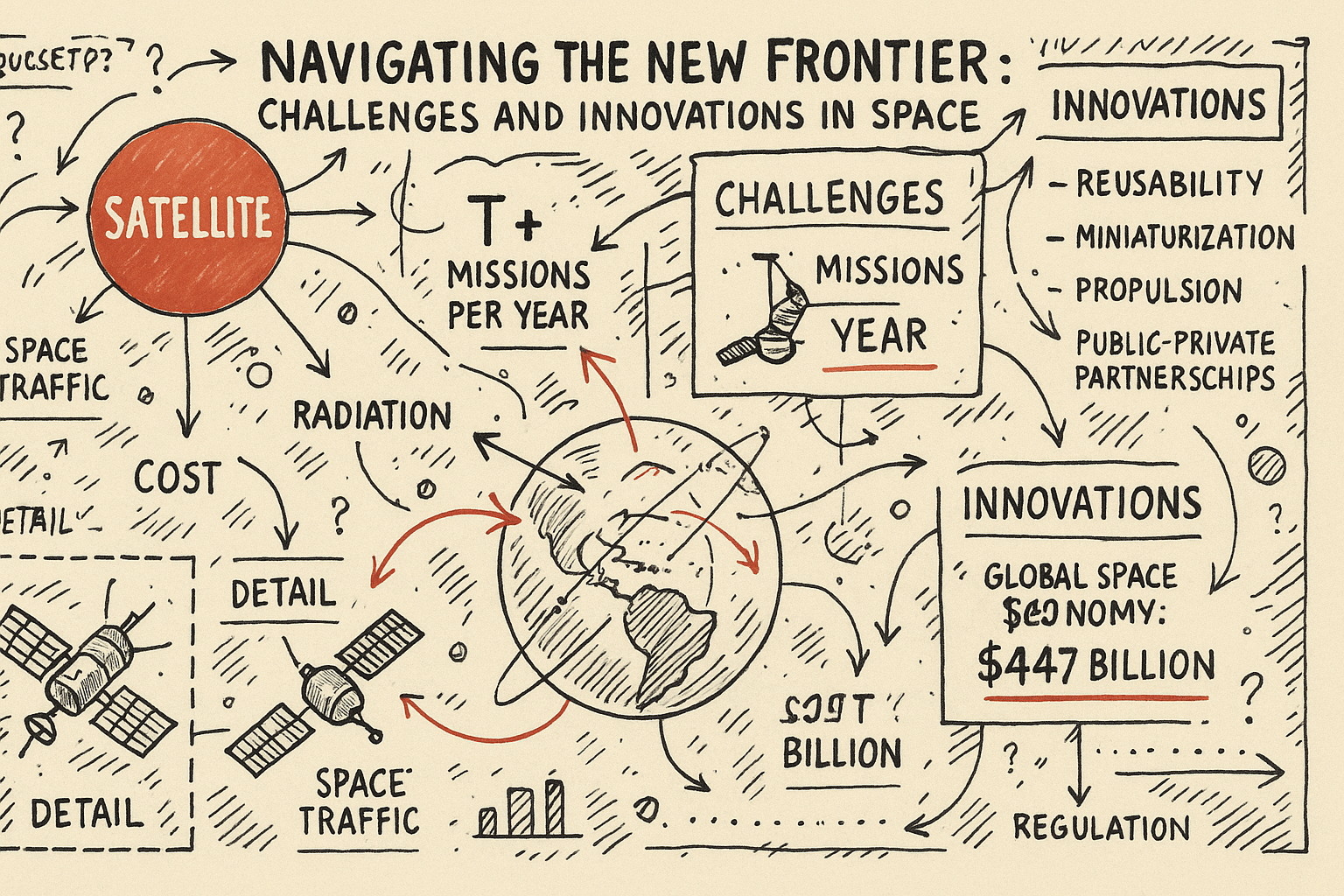
The recent flurry of activity in the space sector underscores a pivotal moment in our journey towards the stars. At the crux of this evolution is the burgeoning low Earth orbit (LEO) environment, which is rapidly transforming from a frontier of exploration to a bustling hub of commercial and scientific activity.
Autonomous Navigation Systems: A Leap Forward
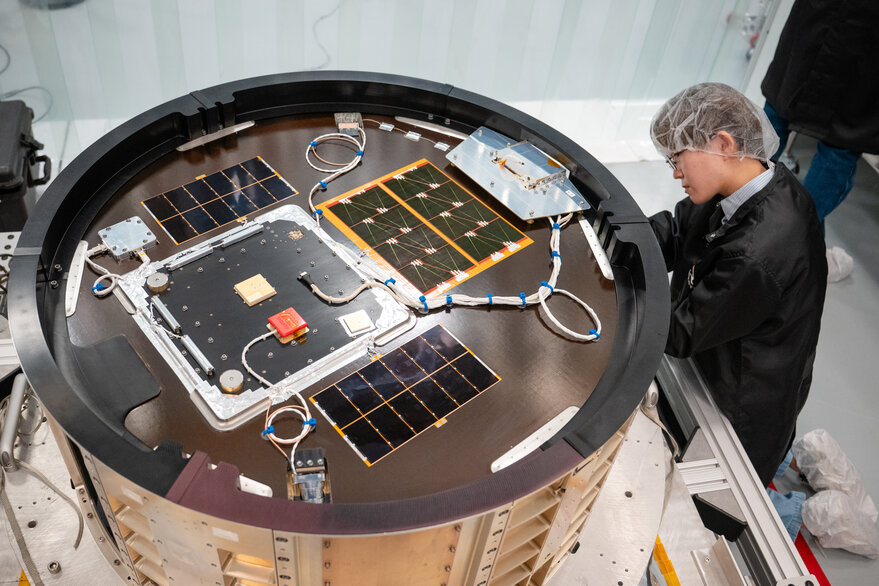
The successful flight demonstration of NASA's FALCON system on the Starling CubeSat mission marks a significant leap forward. This GPS-free autonomous navigation system promises to revolutionize how spacecraft orient and navigate in space, minimizing reliance on Earth-based systems. This innovation is particularly crucial as we venture deeper into space, where traditional GPS signals are unreliable or unavailable.
Meanwhile, the partnership between Shield AI and Sedaro has validated on-orbit AI pilots, enhancing edge autonomy for satellites. Such advancements point towards a future where satellites can make real-time decisions, enhancing their operational efficiency and resilience.
Emerging Challenges and Solutions in LEO
However, the expansion of LEO activities brings forth substantial challenges. The systemic shortage of launch vehicles highlighted by Firefly Aerospace's CEO, Jason Kim, exacerbates the backlog of satellites awaiting deployment. This bottleneck threatens to stall progress, calling for innovative solutions and increased collaboration among stakeholders.
SpaceX's expansion of its Stargaze Space Situational Awareness service represents a proactive step in addressing LEO congestion and collision risks. By opening this platform to external operators, SpaceX aims to enhance satellite safety and operational coordination, crucial in an increasingly crowded orbit.
Technological Integration and Collaboration
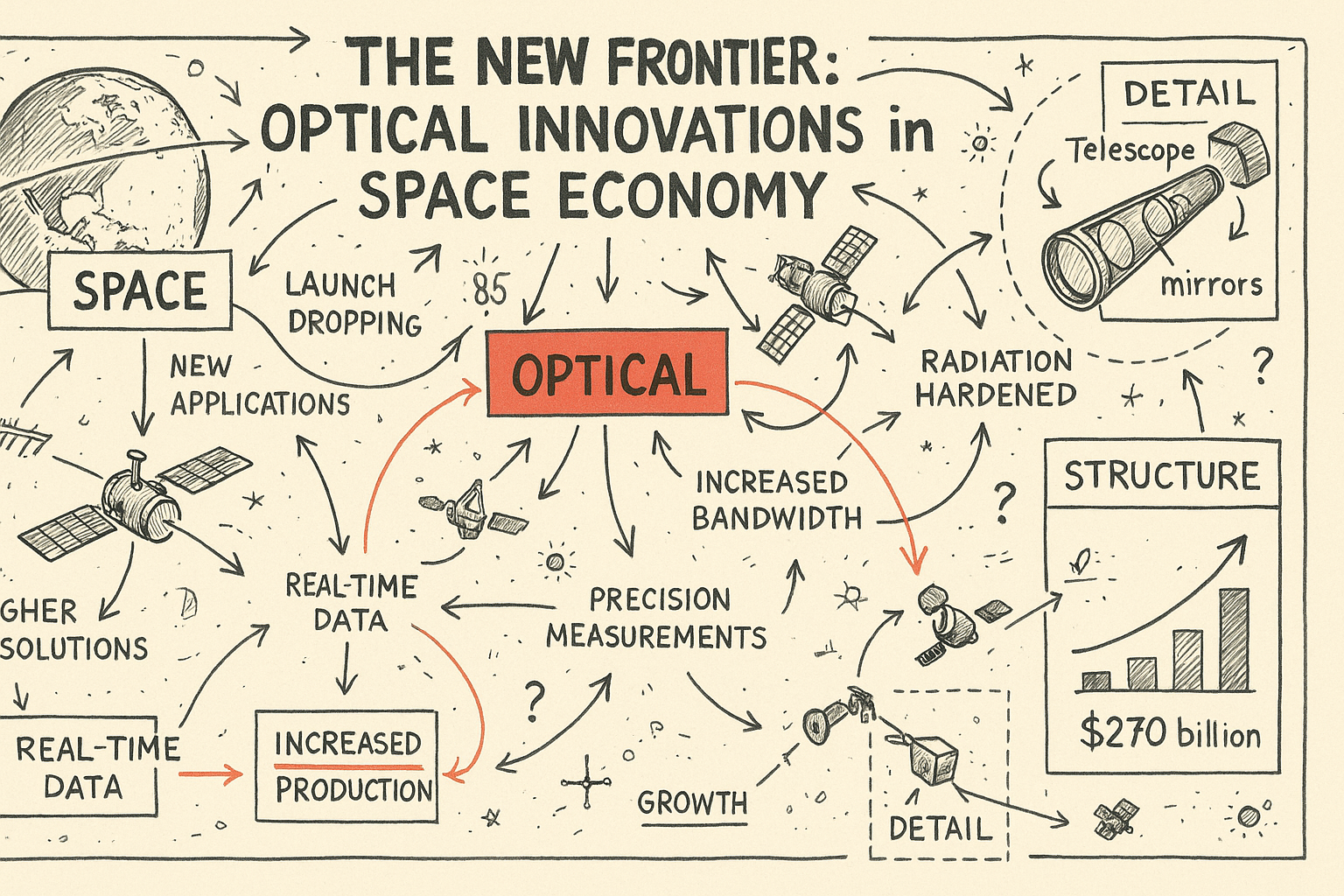
The delivery of radiation-resistant star tracker lenses by Resolve Optics further exemplifies the integration of cutting-edge technology into satellite systems, enhancing their durability and navigational precision. This development is vital for long-term missions where exposure to harsh space environments is inevitable.
Complementing these technological strides is the debut of the FreeFlyer 8 astrodynamics platform by a.i. solutions. By addressing simulation bottlenecks in flight dynamics modeling, this platform enhances cross-platform support and operational efficiency, vital for managing complex satellite constellations.
The Strategic Role of Policy and Defense
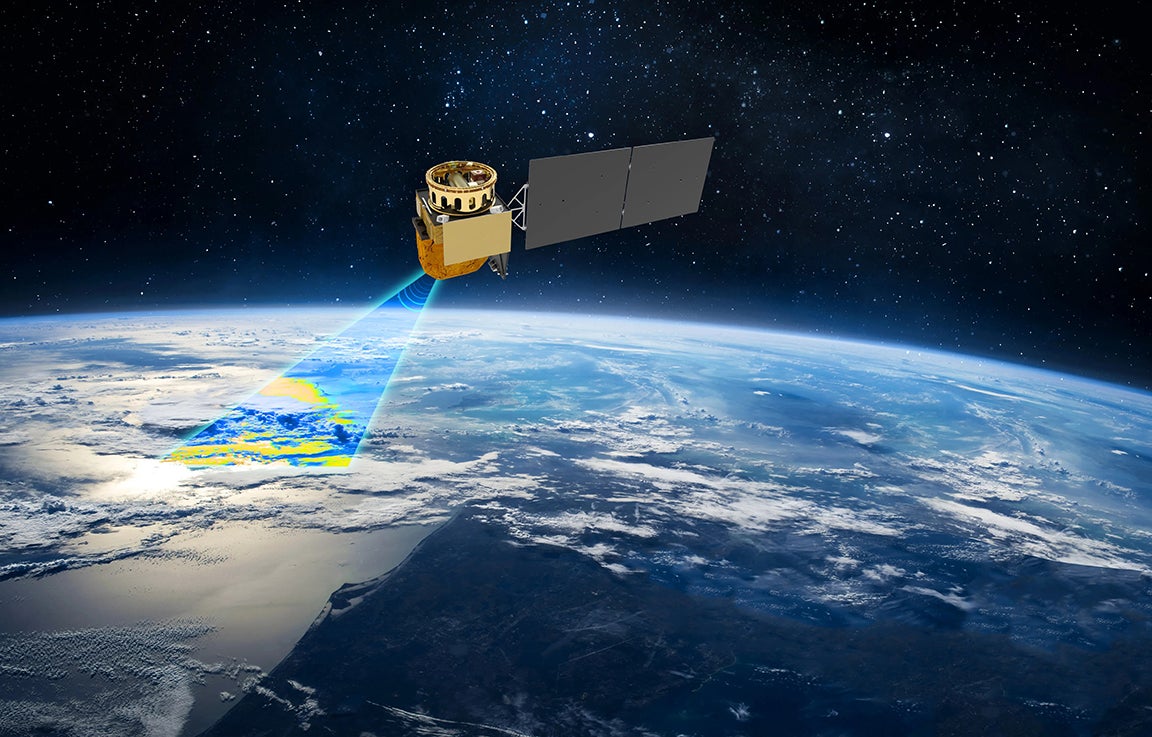
On the policy and defense front, the $20.7 million U.S. Space Force contract awarded to LeoLabs for mobile radar hardware underscores the strategic importance of space domain awareness. As nations vie for strategic advantages in space, such investments in surveillance and monitoring capabilities are integral to national security.
Looking Ahead: Navigating a Crowded Orbit
As we advance further into this new era of space exploration and utilization, the interplay between technological innovation, strategic policy, and international collaboration will be essential. The counterintuitive realization that the very advancements propelling us forward also create complex challenges must guide our approach. Ensuring sustainable and safe use of space will require a concerted effort from all sectors involved.
The future of space is not just about reaching new heights but also about managing the complexities of an increasingly interconnected and interdependent domain. As we continue to navigate these challenges, the lessons learned will shape the trajectory of our cosmic journey.