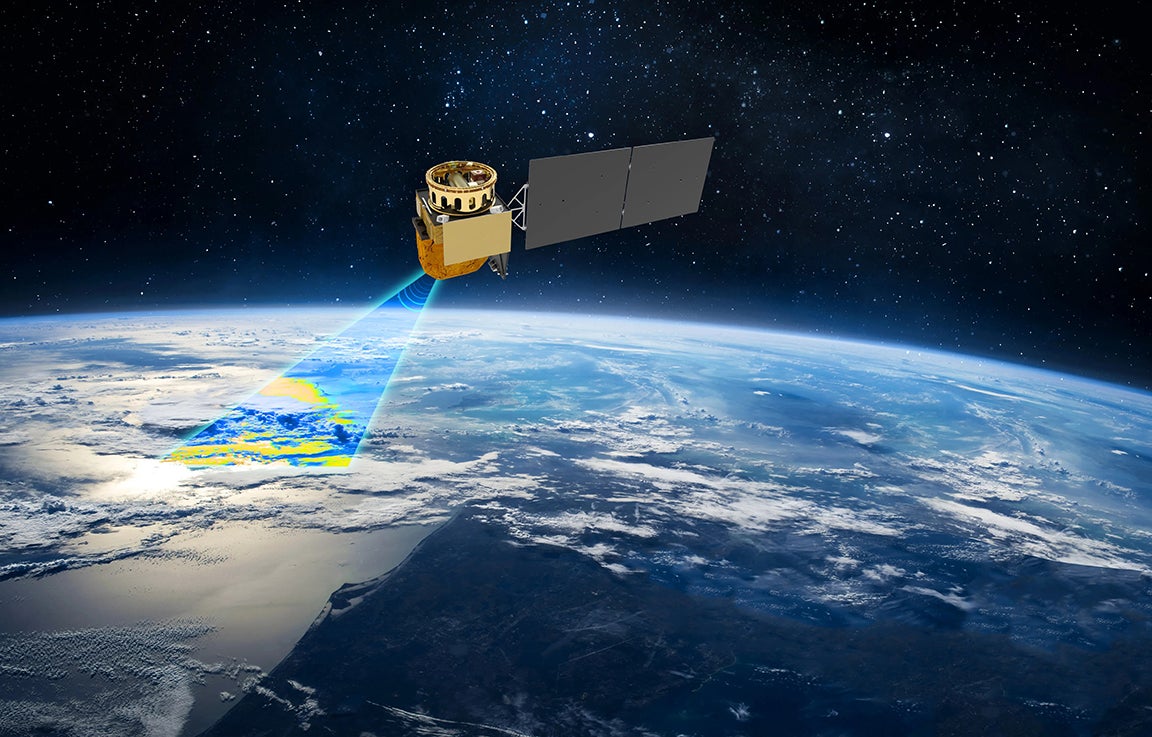
The National Oceanic and Atmospheric Administration (NOAA) has recently awarded contracts to Muon Space, Weather Stream, and Spire Global to develop new satellite instruments as part of the Temperature and Moisture Advanced Technology Evolution (TMATE) project. This initiative seeks to advance weather forecasting capabilities, particularly in predicting extreme weather events and improving daily forecasts.
The combined value of these contracts is nearly $46.5 million. Spire Global received the largest portion, with $27.9 million, followed by Muon Space with $11 million, and Weather Stream receiving $7.5 million. These partnerships were established under NOAA’s Other Transaction Authority (OTA), a mechanism that allows NOAA to collaborate with industry partners to mature technologies that provide future data sources for better weather prediction.
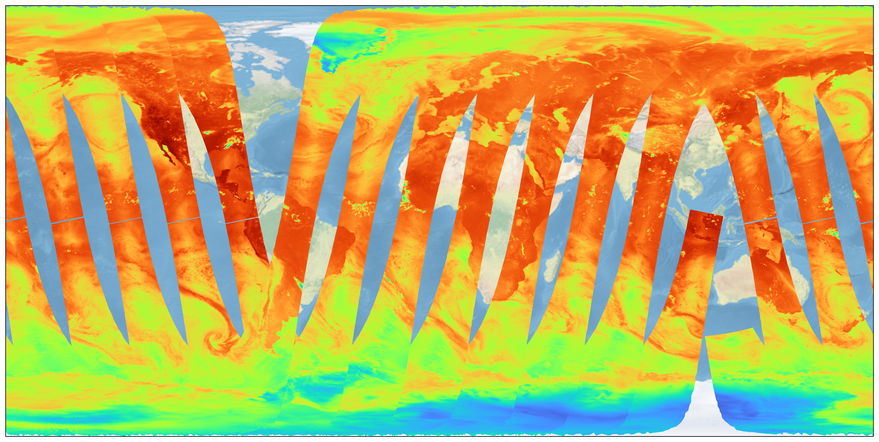
The core technology at the heart of the TMATE project is the development of microwave sounding instruments. These remote sensing instruments are crucial for measuring natural microwave energy emitted by atmospheric molecules. They provide vital data on global atmospheric temperature and water vapor from the Earth's surface to the upper atmosphere, which are essential parameters for accurate weather forecasting.
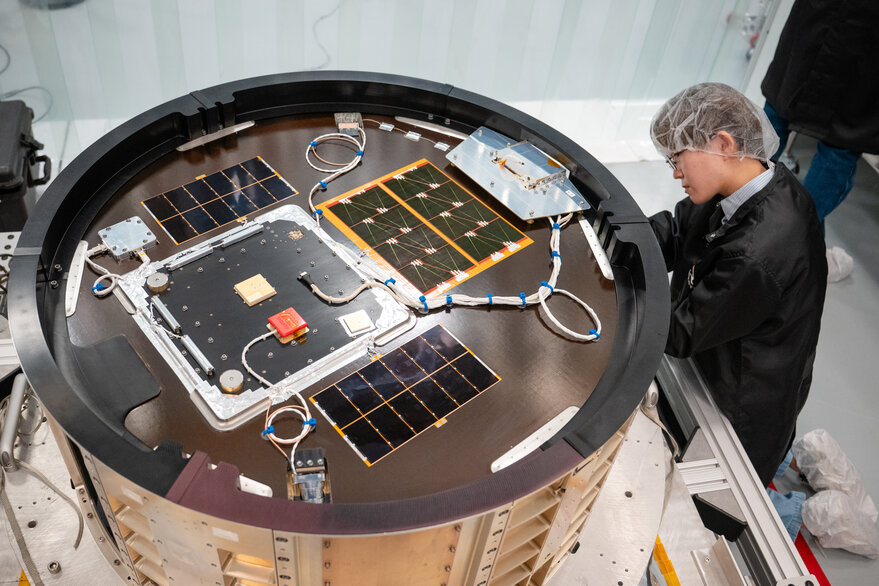
Each company involved in the TMATE project will independently develop, launch, and operate their own microwave sounding instruments. The data collected from these instruments will be commercially available for NOAA to purchase, thereby integrating private sector innovation into public meteorological services.
Microwave sounders have been identified as a national priority due to their critical role in enhancing the accuracy of weather forecasts. Tim Walsh, acting deputy assistant administrator of systems for NOAA’s National Environmental Satellite, Data, and Information Service (NESDIS), emphasized the importance of these instruments, stating, “The TMATE project brings together government and industry partners to meet critical data requirements to improve our nation’s weather forecasting.”
Spire Global, one of the partners in this project, has already been active in pioneering microwave sounding technology. Earlier this year, Spire launched its first hyperspectral microwave sounder (HyMS) demonstrator. This initiative was aimed at validating the feasibility of hyperspectral microwave sounding in a compact satellite form. The company also received a $3 million contract extension from NOAA to evaluate data from this demonstrator across various atmospheric conditions and weather patterns. Spire CEO Theresa Condor noted, “Hyperspectral microwave sounding has the potential to change what’s possible in weather forecasting.”
The TMATE project is scheduled to progress over the next 24 months. The development and deployment of these advanced instruments represent a significant step forward in weather science. By leveraging the expertise of commercial entities, NOAA aims to enhance its ability to predict and respond to extreme weather events, ultimately safeguarding lives and property.
This collaboration underscores a growing trend of public-private partnerships in space and satellite technology. As climate change continues to influence weather patterns globally, the need for accurate and timely weather data becomes ever more critical. Projects like TMATE not only push the boundaries of technological innovation but also ensure that the tools necessary for understanding and predicting weather are continually evolving.