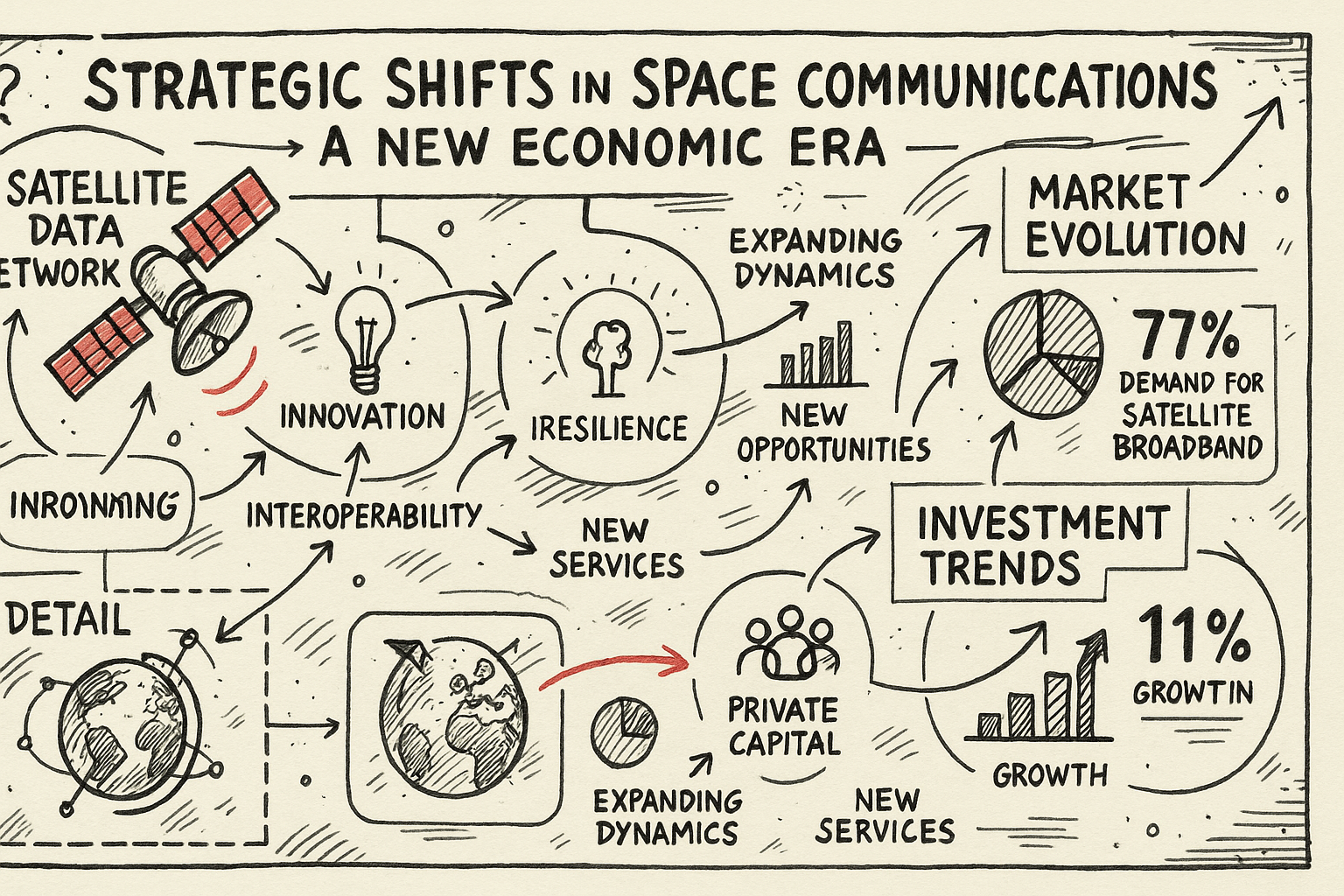
The space industry is on the cusp of a transformative shift, marked by a significant focus on data networks and communication infrastructure. With recent developments like Rocket Lab's upcoming test of a Space Force data network connection and SpaceWERX's selection of 11 firms to scale military space technologies, the landscape is rapidly evolving.
Historically, space exploration and commercialization have revolved around launching satellites and space missions primarily for scientific and exploratory purposes. However, the emerging focus on data networks represents a strategic pivot towards integrating space with terrestrial digital economies. This shift is underscored by the U.S. Space Force's proactive approach in awarding contracts to multiple satellite manufacturers, indicating an embrace of a multi-vendor architecture. This is not just a diversification strategy but a move towards robust, resilient network infrastructures in space.
Blueprint for the Future: Space Optical Networks
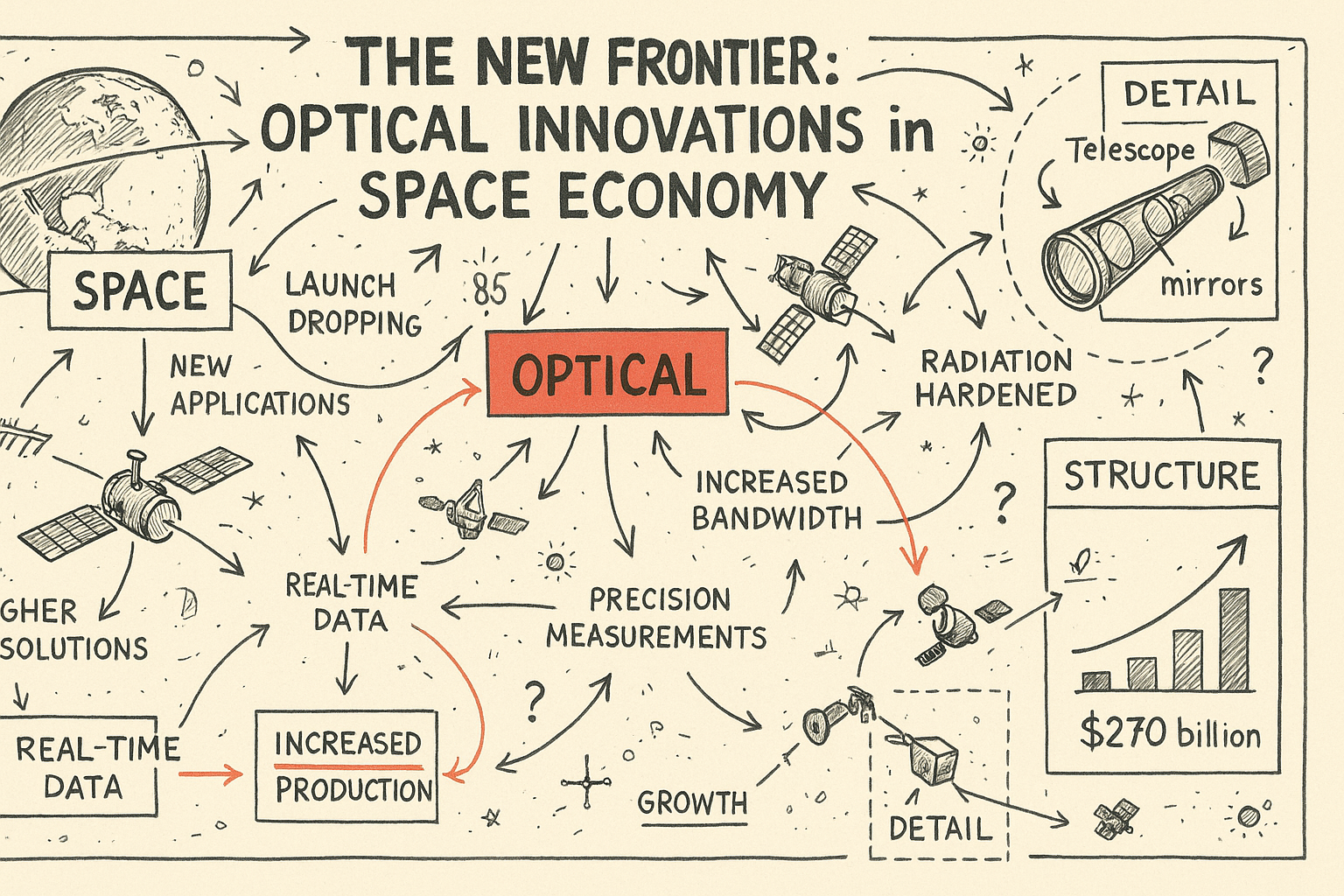
One of the most intriguing aspects of this new era is the development of optical link 'internet' systems. LatConnect 60's partnership with Transcelestial for the SWIRSAT-1 mission exemplifies this trend. Optical communications promise to deliver faster, more secure data transmission, fundamentally altering how satellites interact. As John Mackey of Mbryonics highlights, building optical links is crucial for the next generation of space infrastructure.
Interestingly, Blue Origin's unveiling of its Quartz network of ground stations, supported by RBC Signals, complements these innovations. Such ground networks are vital for ensuring seamless data relay between satellites and Earth, enabling real-time data processing and analysis critical for both commercial and military applications.
Economic Implications and Strategic Alliances
The economic implications of these developments are profound. By fostering partnerships with companies like Voyager Technologies, which is tasked with developing space-to-space communication capabilities, the Space Force is not just enhancing its operational capacity but also driving technological innovation within the commercial sector. This symbiotic relationship accelerates technological advancements while simultaneously opening new economic avenues for private firms.
Portal Space Systems' upcoming launch of the Starburst and Supernova satellites further illustrates the trend of increasing private sector participation in space. These initiatives highlight a burgeoning satellite manufacturing industry poised to meet the growing demand for advanced communication technologies.
Moreover, the strategic selection of firms by SpaceWERX, including Agile Space Industries and Antares Nuclear, reflects a deliberate effort to harness diverse technological capabilities. This approach not only mitigates risks associated with technological dependency but also stimulates a more competitive and innovative market environment.
Counterintuitive Insights
Surprisingly, while the focus is heavily on high-tech solutions, the success of these networks also hinges on traditional ground station infrastructure. This dual reliance underscores the complexity of creating a cohesive space communications system and highlights the ongoing need for investment in both cutting-edge and foundational technologies.
Furthermore, the rapid pace of these developments suggests a reevaluation of regulatory frameworks may be necessary to accommodate such dynamic growth. Policymakers will need to balance fostering innovation with ensuring security and operational integrity.
Conclusion: Navigating the New Space Economy
As we navigate this new space economy, stakeholders must remain agile, adapting to both technological advancements and evolving market demands. The integration of sophisticated data networks will redefine not just space communications but also the broader economic landscape, paving the way for unprecedented opportunities and challenges.
The coming years will be critical as these projects move from conception to execution. Success will depend not only on technological prowess but also on strategic collaborations and forward-thinking regulations that support sustainable growth.