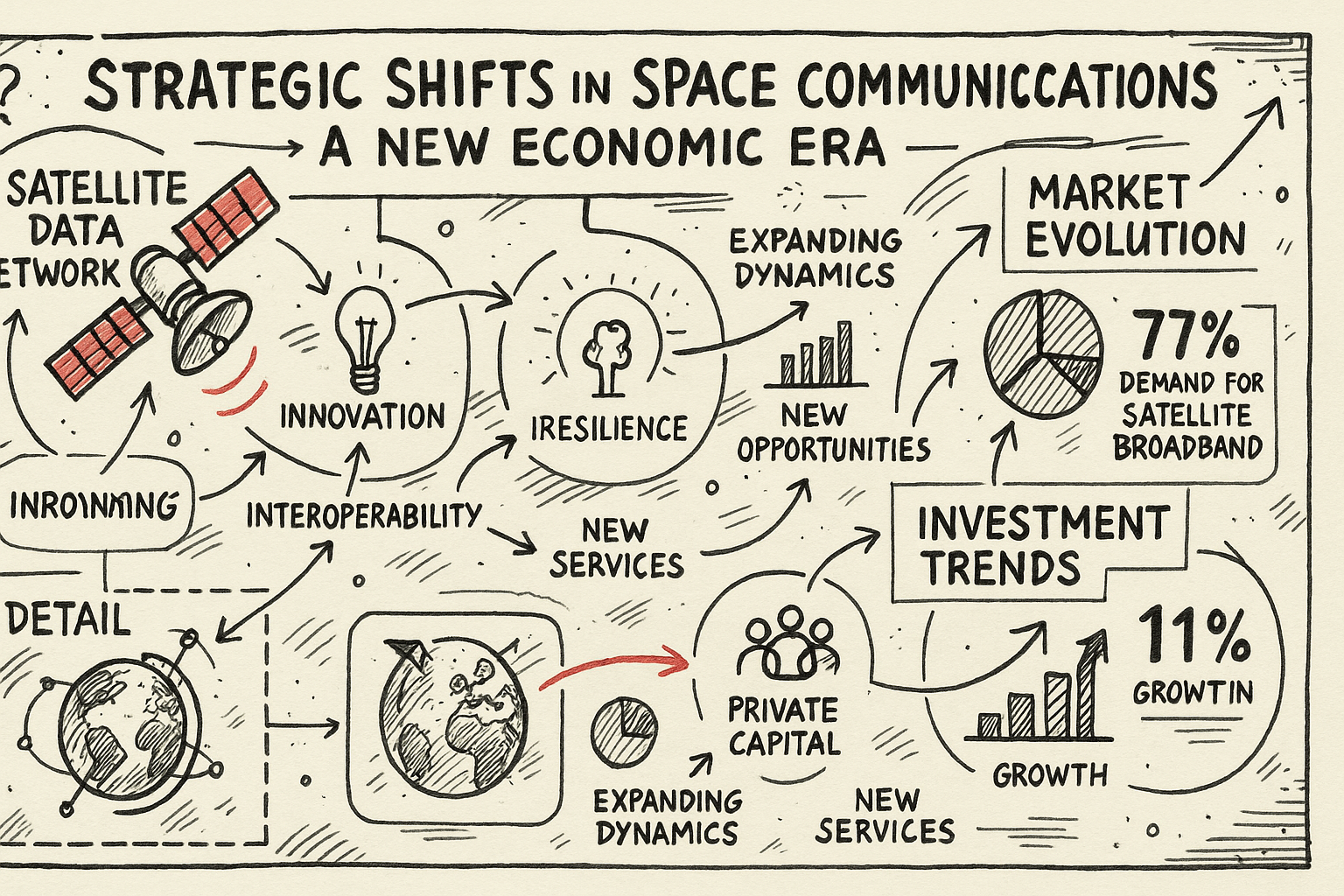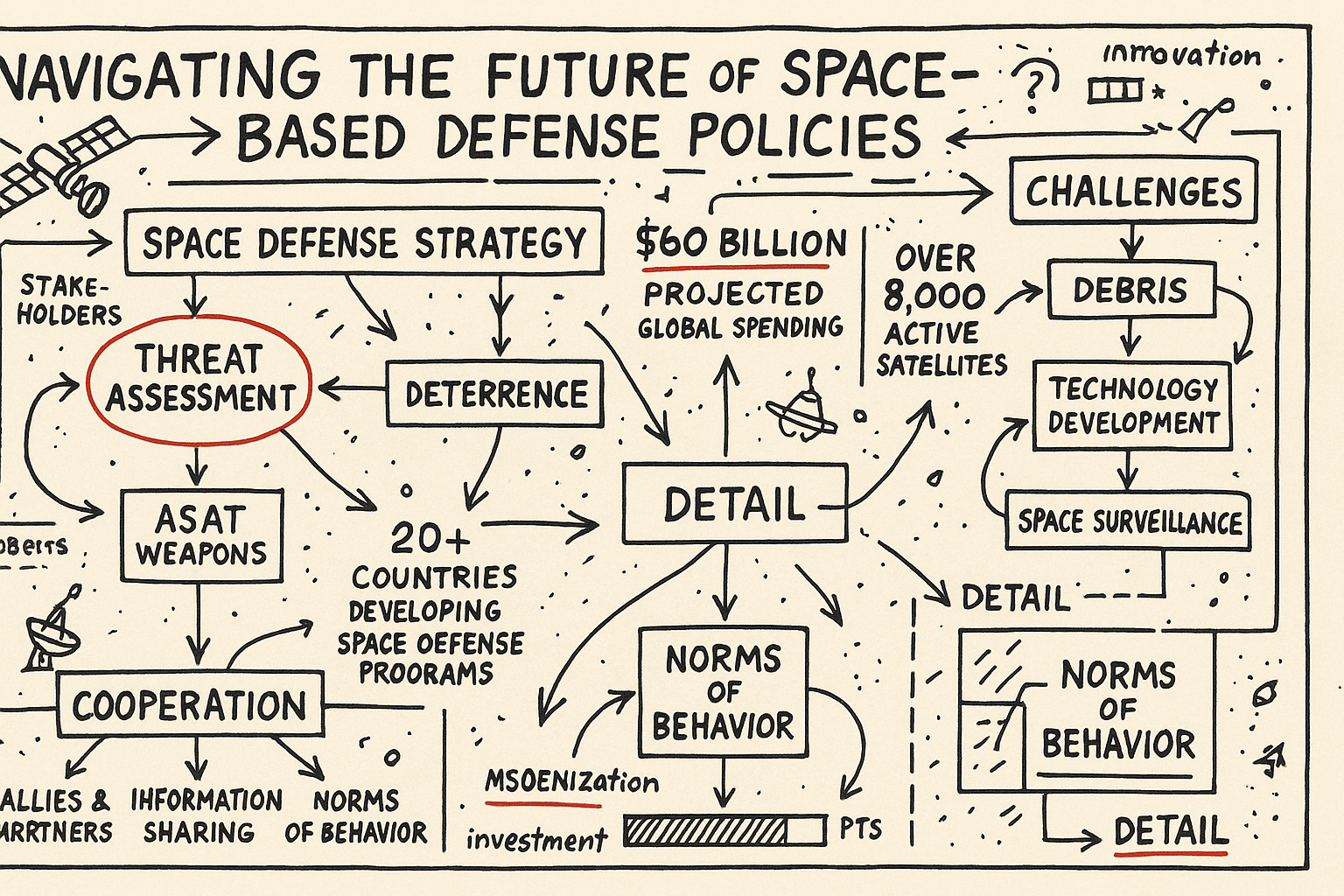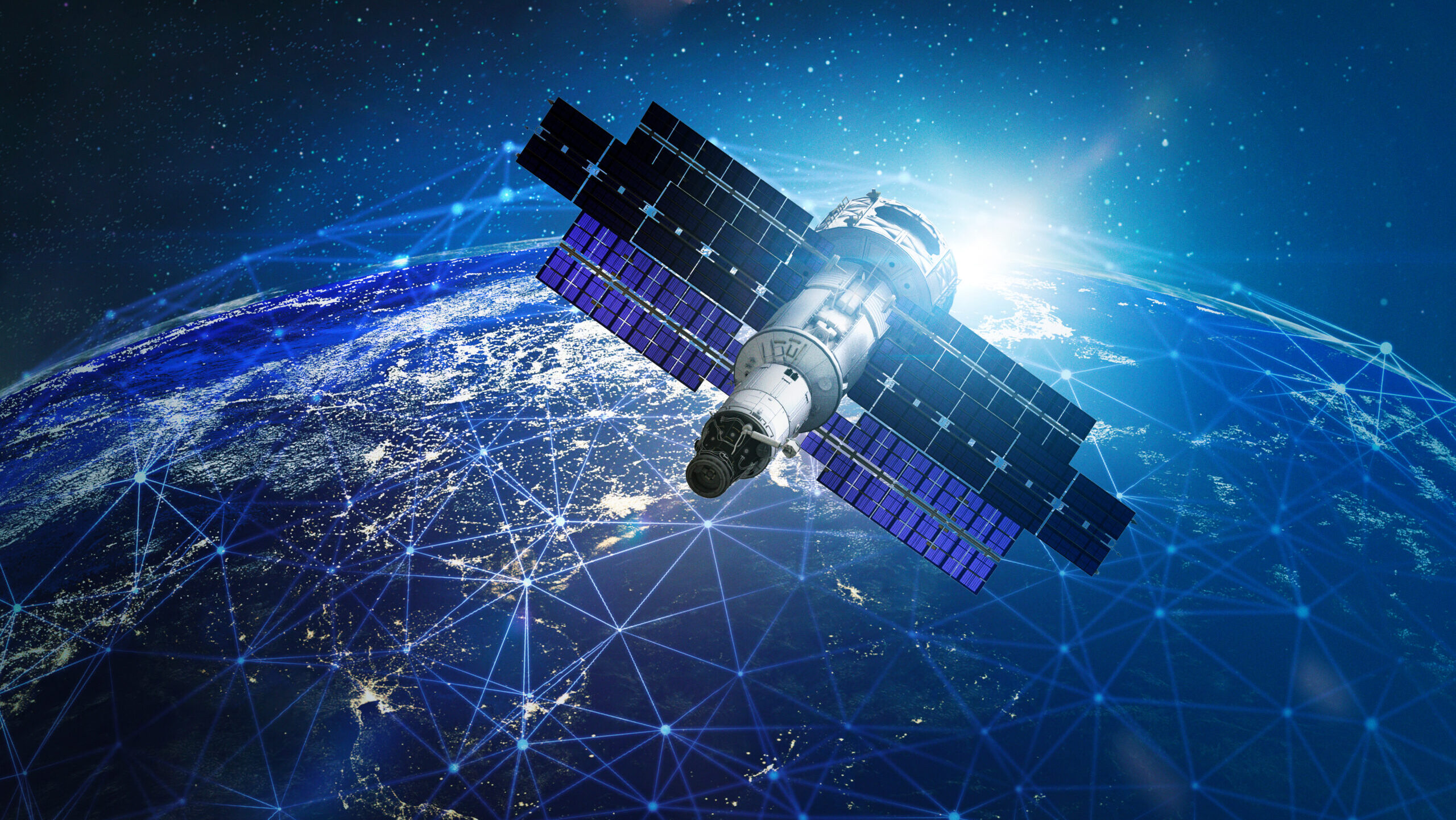
The modern battlefield is not just on the ground, in the air, or at sea; it has expanded into the vastness of space. This shift in the landscape of military strategy is underscored by recent operations in Iran, Ukraine, and Venezuela, where space operations played a critical role. As the ultimate high ground, space offers a decisive advantage in modern warfare, and maintaining superiority in this domain is now a baseline requirement for military operations across all other domains, including maritime, air, ground, and cyber.
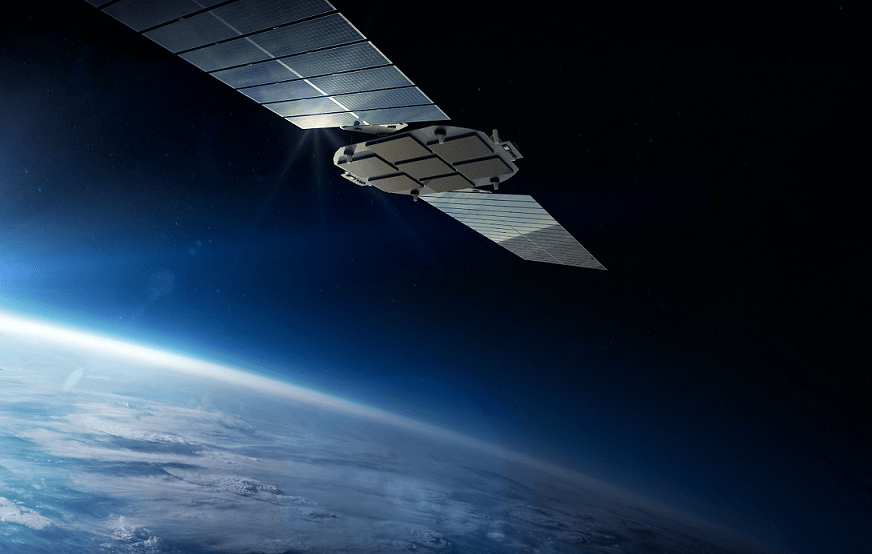
Historically, the United States has relied on 'exquisite' space systems—massive, multi-billion-dollar satellites that are designed to last for over a decade. However, these systems are increasingly vulnerable in today's rapidly evolving technological environment. The traditional satellites, once considered state-of-the-art, are now seen as soft targets that adversaries can easily exploit. If a critical satellite is jammed or destroyed, replacing it could take years, leaving the nation exposed to security threats.
The threat from adversaries is real and growing. China, in particular, has demonstrated significant advancements in space technology. In 2024, the Space Force reported that Chinese satellites were conducting coordinated proximity maneuvers, akin to satellite 'dogfighting,' and have since showcased their capability for on-orbit satellite refueling in geostationary orbit. These maneuvers highlight a strategic pivot by China, exploiting vulnerabilities in the U.S.'s traditional space systems.
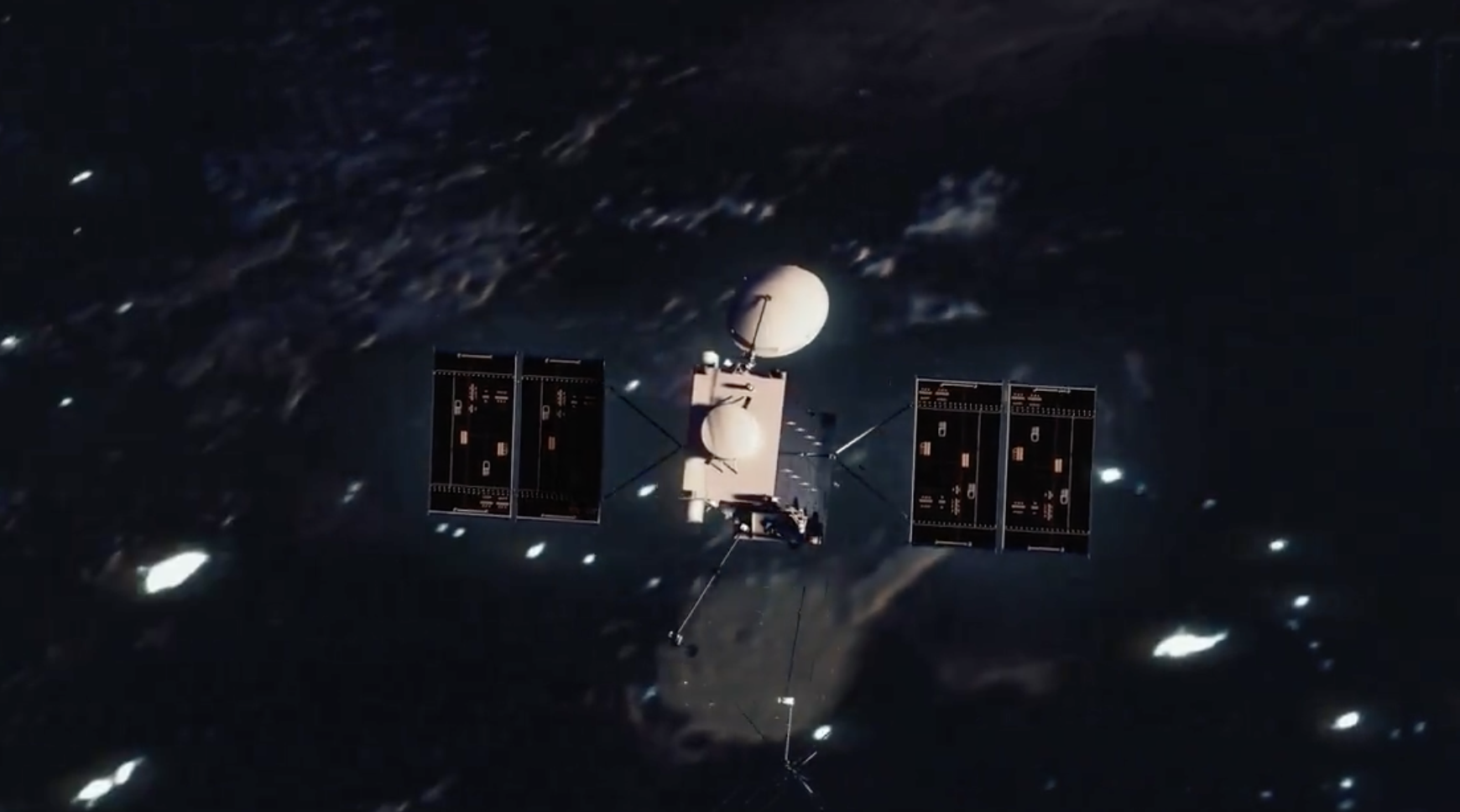
To counter these threats, the U.S. Department of War recognizes the necessity of accelerating its transition to a new class of agile, commercially-developed space systems. These systems are characterized by speed, resilience, and the ability to conduct active orbital operations. The goal is to establish a highly resilient and rapidly deployable network of satellites and space assets that can withstand and adapt to the dynamic challenges posed by potential adversaries.
One of the key aspects of this strategy involves deploying a new tier of space capabilities. This includes smaller, more agile satellites that can be launched and replaced quickly, thus maintaining operational continuity even if some assets are compromised. This shift requires not only technological innovation but also a change in bureaucratic mindsets. The focus must shift from building the best individual military services to constructing the world's best joint force, where space superiority is a shared priority.
Furthermore, the integration of commercial technologies into military applications marks a significant departure from past practices. This approach allows for the rapid development and deployment of space capabilities, leveraging the innovations and efficiencies of the commercial sector. By doing so, the military can stay ahead of adversaries who are quick to exploit any technological gaps.
In conclusion, maintaining space superiority is not just about ensuring a technological edge. It requires a comprehensive strategy that encompasses innovation, speed, and resilience. As the global landscape evolves, the U.S. must adapt to ensure that it remains a step ahead in the new era of warfare. The stakes are high, and the future of national security depends on the ability to secure space as the ultimate high ground.