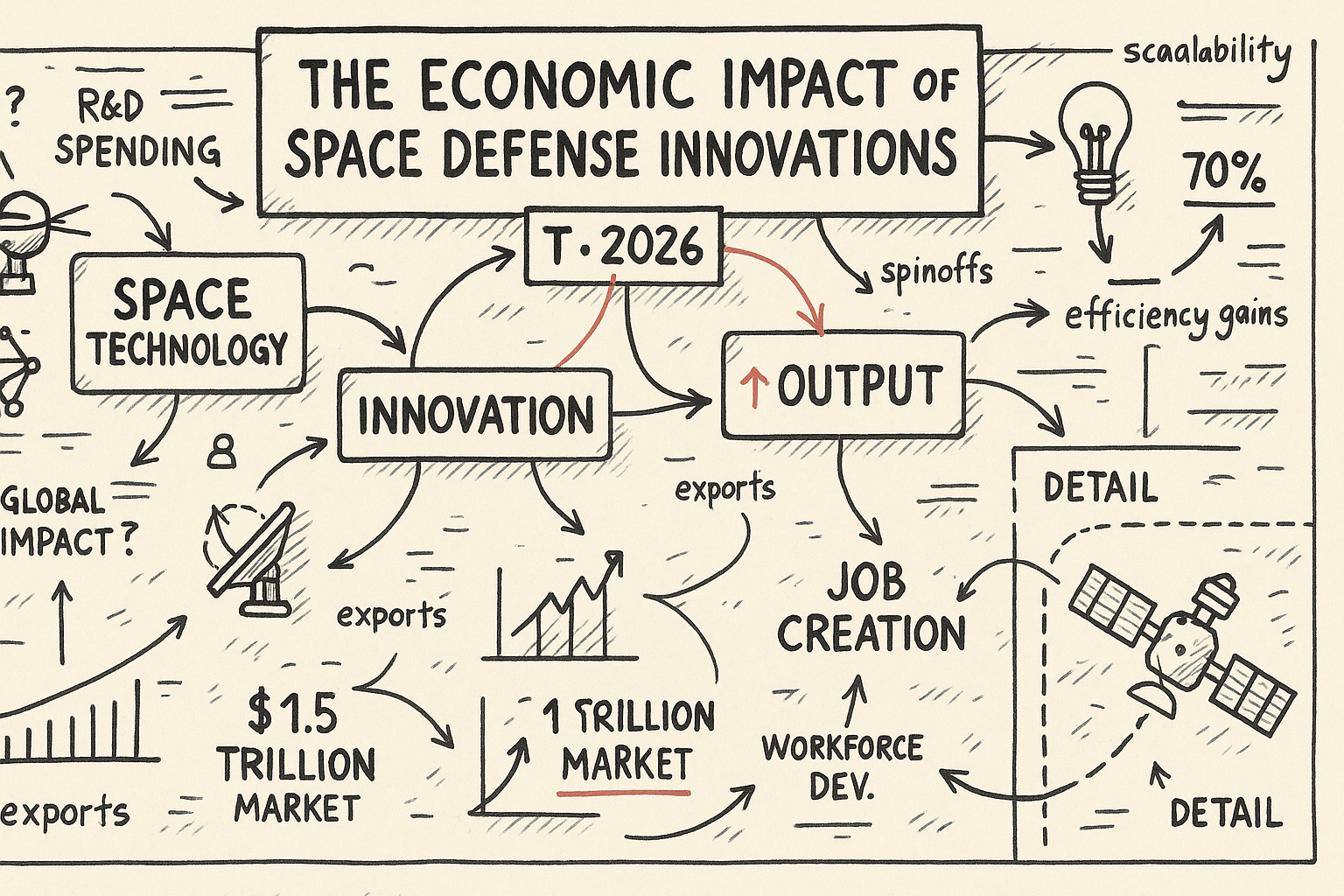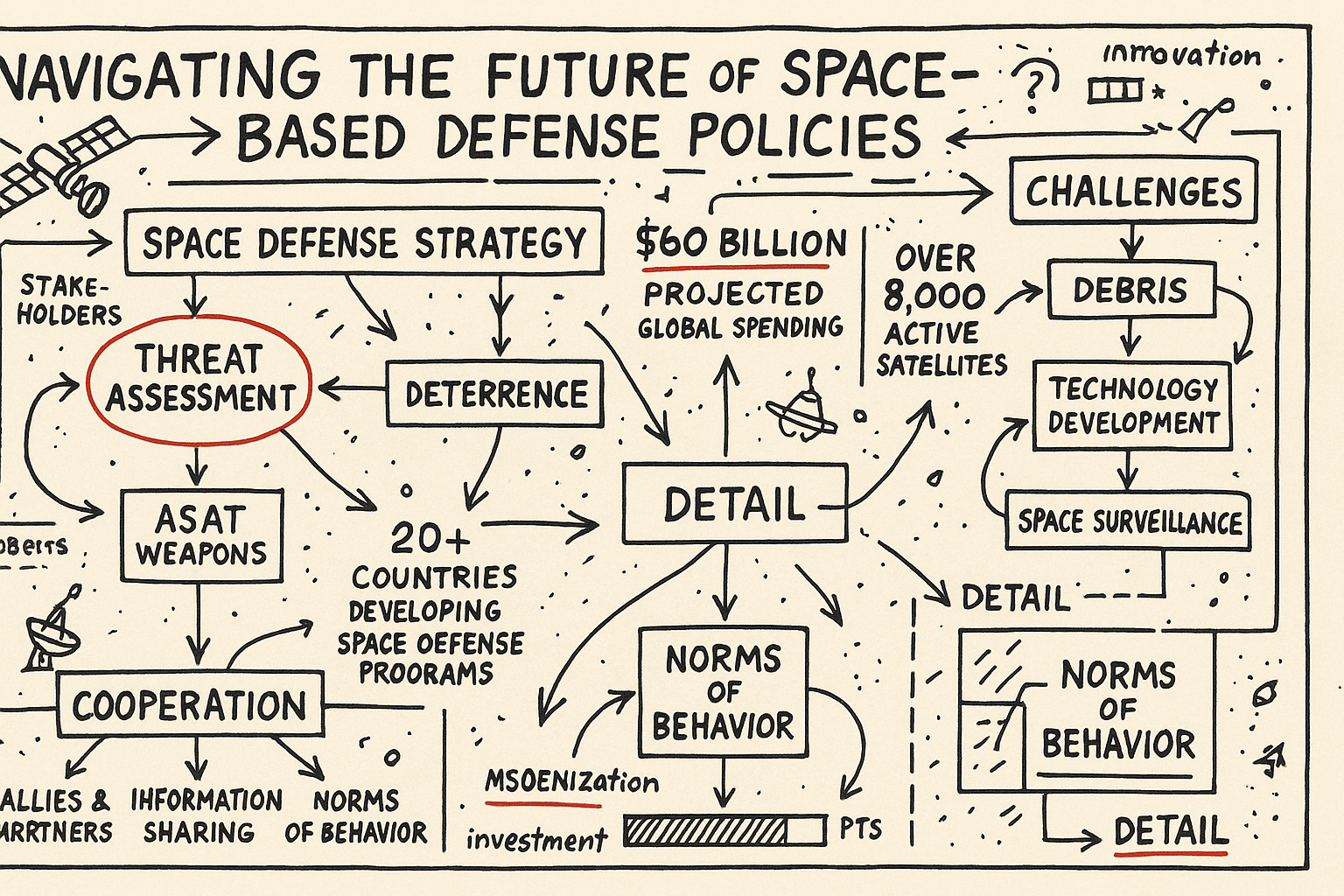
The dynamic landscape of space-based defense policies is undergoing significant transformation, driven by technological advancements, strategic imperatives, and fiscal realities. Recent developments highlight a critical juncture where innovation meets the necessity for robust policy frameworks to ensure national security.
The United States' ambitious Golden Dome project, a space-based interceptor initiative, remains a focal point in this evolving narrative. As indicated by Gen. Michael Guetlein, the project has reached a pivotal milestone, yet its future hangs in the balance, contingent on continued funding and successful demonstration of feasibility (Source 1). This underscores a broader theme: the reliance on sustained financial support to translate strategic visions into operational realities.
Parallel to the Golden Dome, the Space Force's allocation of $615 million to three firms for tracking airborne targets exemplifies another strategic pivot. This decision follows an earlier substantial order to SpaceX, indicating a layered investment approach aimed at enhancing situational awareness and operational readiness (Source 2). Such investments are not isolated; they reflect a comprehensive strategy to bolster defense capabilities across multiple domains.
Boeing and Northrop Grumman's unveiling of low-cost interceptor technologies further illustrates the ongoing quest for cost-effective solutions in missile defense (Source 3). These innovations are poised to address the increasing threat posed by agile adversaries employing drones and cruise missiles. The Army's search for a counter-drone missile priced under $150,000 aligns with this trend, emphasizing the need for affordable yet effective defensive measures (Source 4).
However, these tactical advancements must be integrated within a broader strategic framework. Lt. Gen. John Rafferty's call for a comprehensive missile defeat strategy highlights the importance of combining kinetic and non-kinetic methods, such as electronic warfare and directed energy, to create a multi-layered defense system (Source 6). This holistic approach is crucial as the Army prepares for the Golden Dome mission, underscoring the need for rigorous experimentation and testing to ensure operational readiness by 2028 (Source 8).
Surprisingly, despite these advancements, the question of whether the U.S. should demonstrate its space weapons remains contentious (Source 7). While such demonstrations could serve as a deterrent, they also risk escalating tensions in the already fraught arena of space militarization.
In conclusion, the trajectory of space-based defense policies is marked by a delicate balance between innovation, fiscal discipline, and strategic prudence. The successful integration of emerging technologies into a cohesive defense strategy will require not only continued investment but also a nuanced understanding of the geopolitical implications of space militarization.