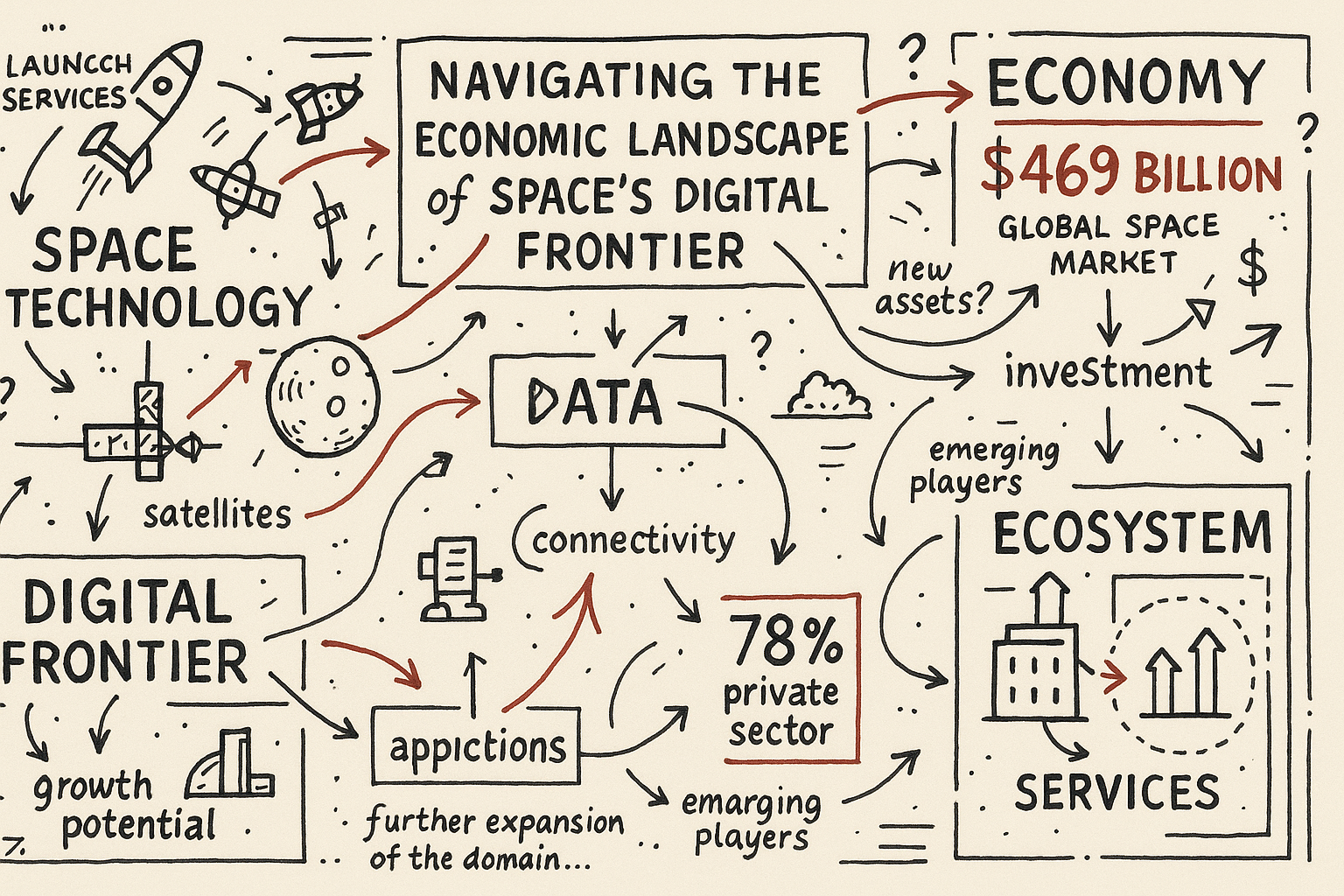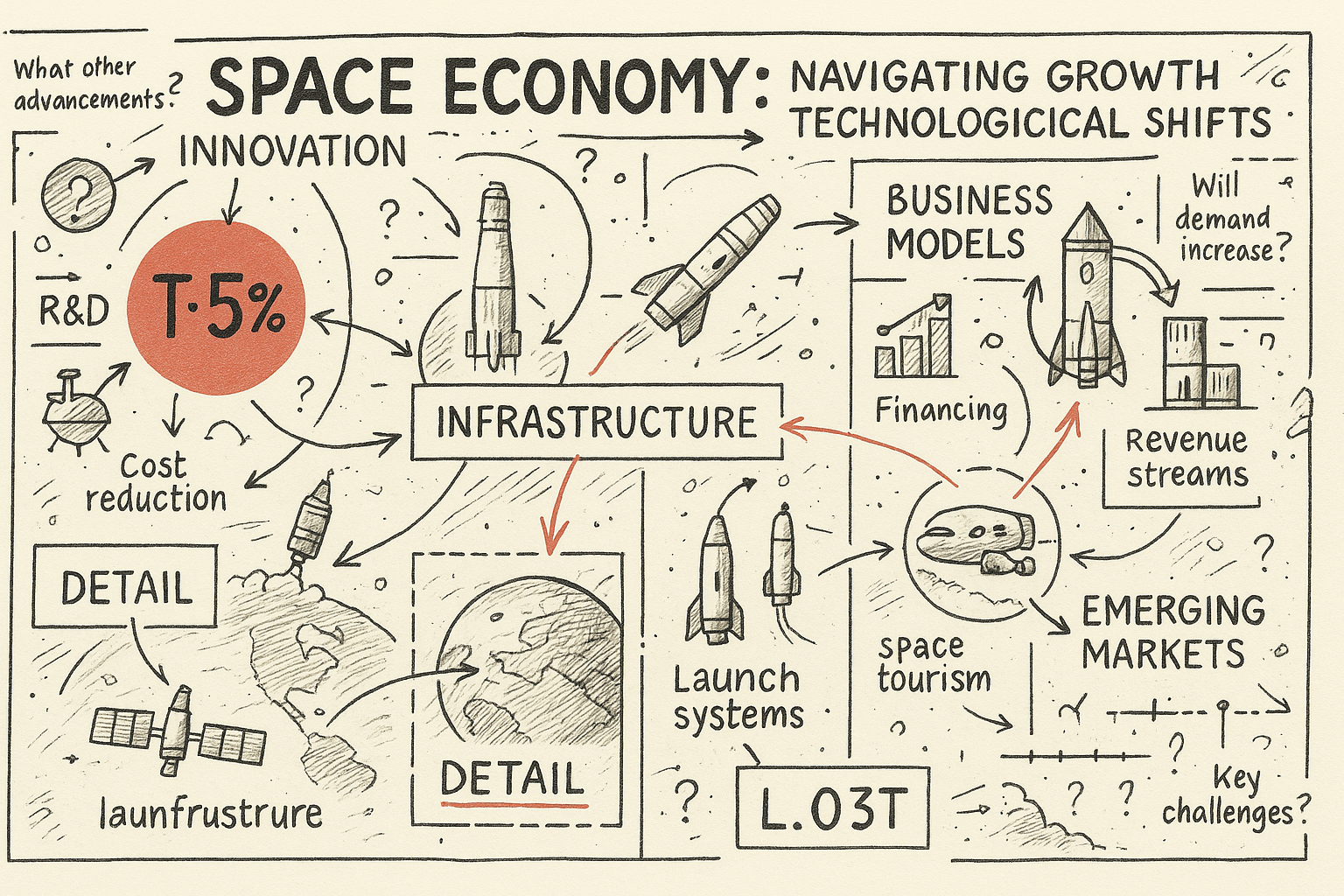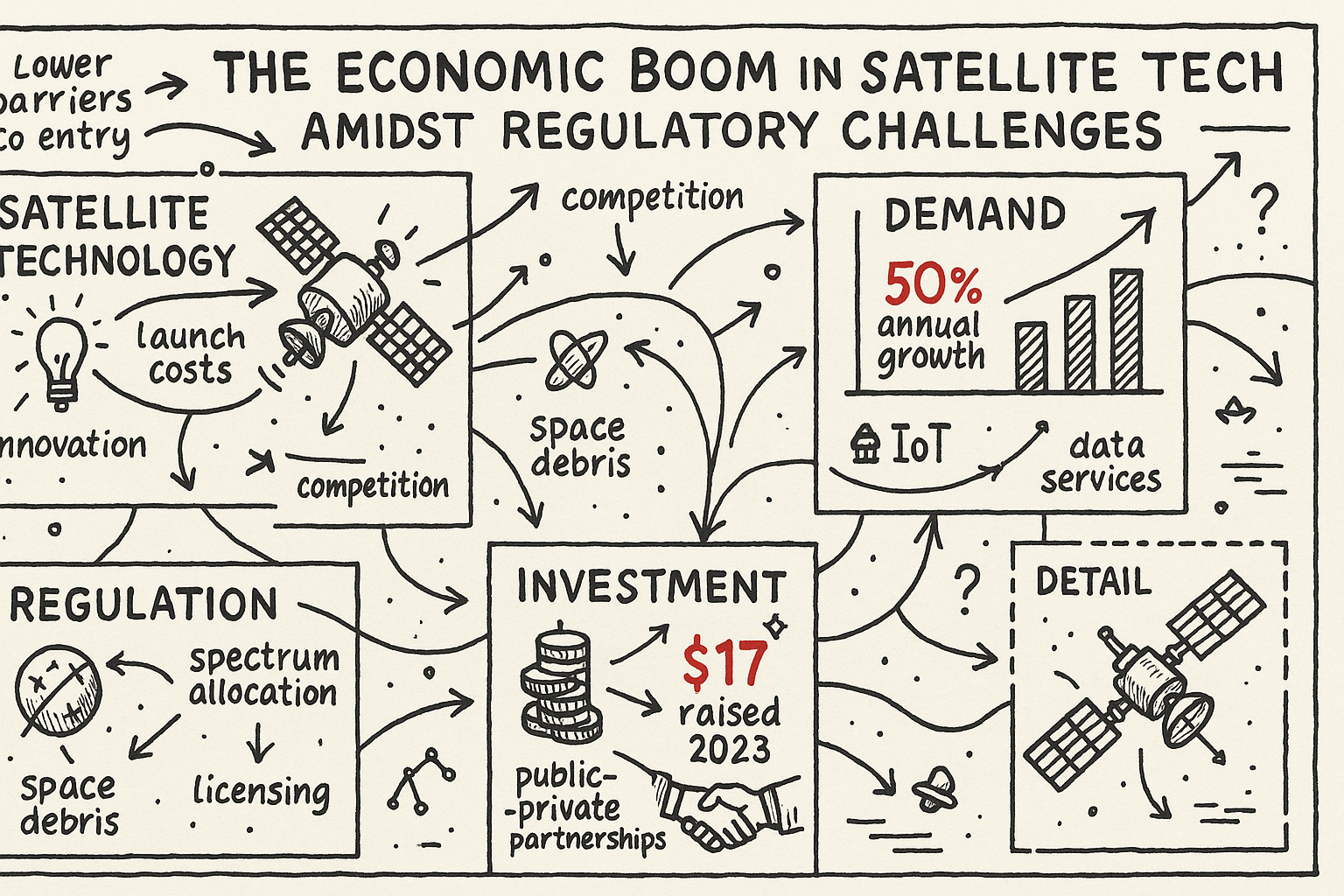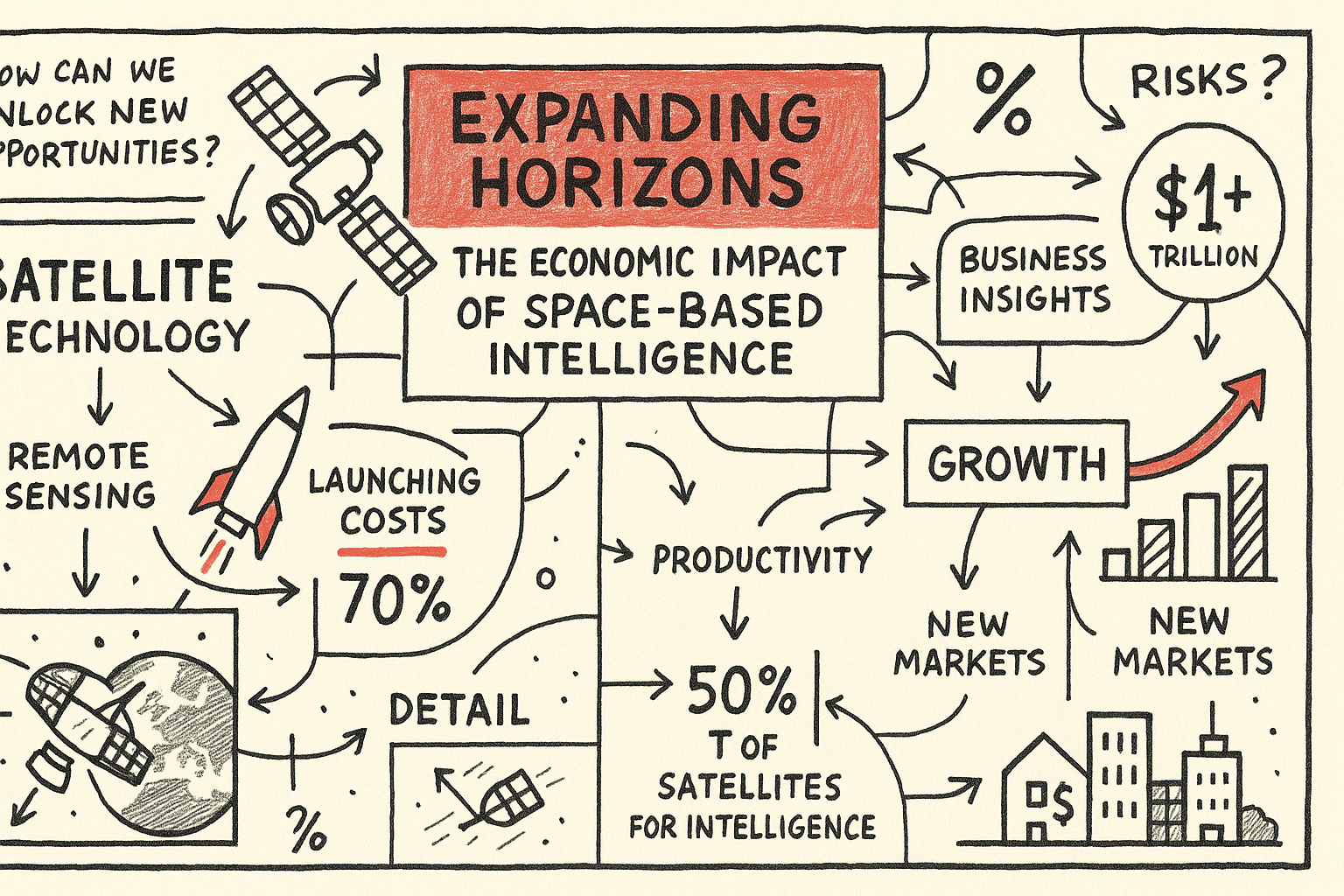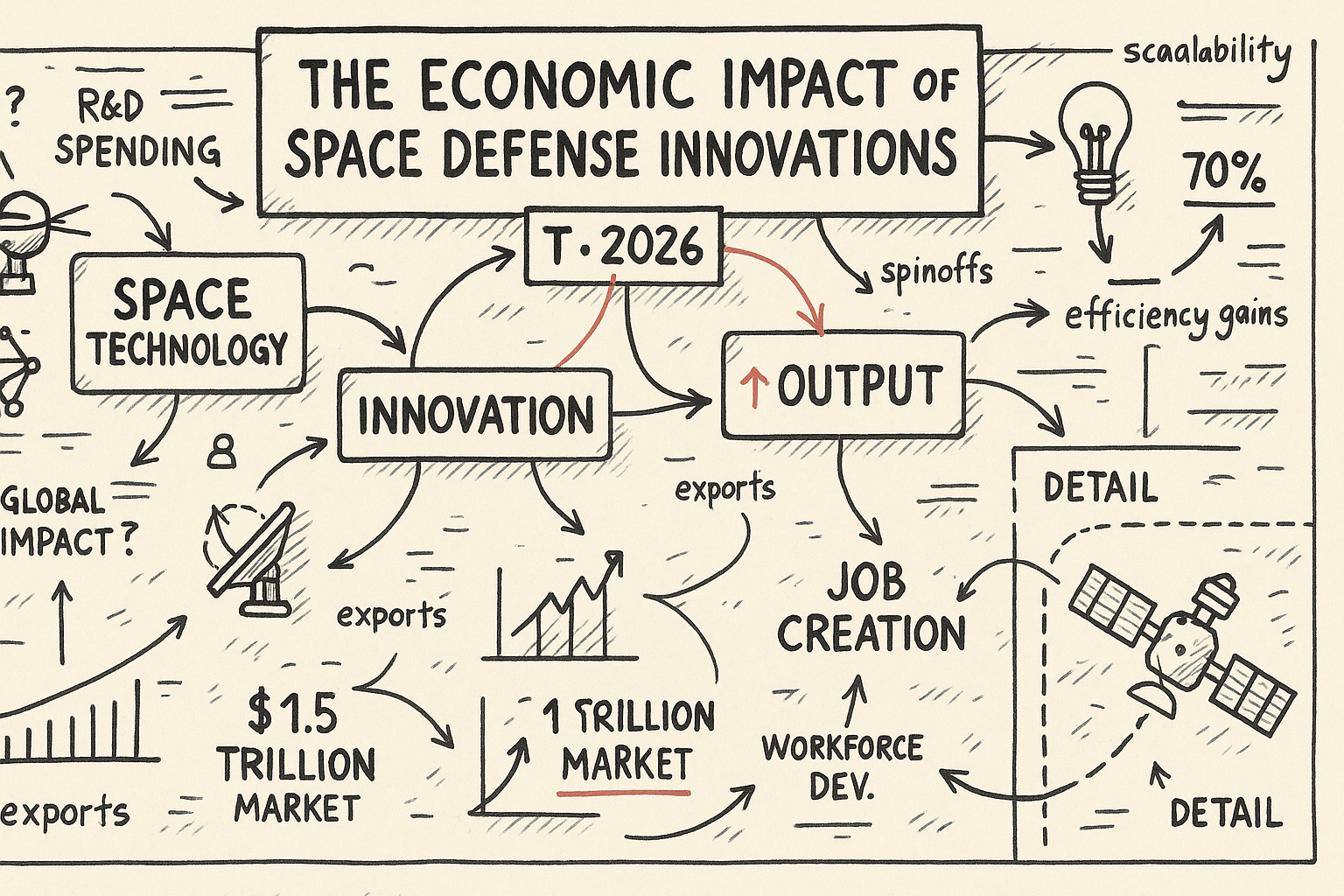
The intersection of space technology and economic growth has never been more pronounced than in 2026. Recent developments in space defense highlight not only technological innovation but also significant economic implications. A series of awards and contracts, including those granted by the U.S. Defense Innovation Unit (DIU) and the Space Force, are driving a new phase of industrial acceleration and economic reconfiguration.
The Strategic Role of Space Defense
Space defense has emerged as a critical avenue for economic development, catalyzed by significant investments and strategic partnerships. The DIU’s contract with All.Space for its Hydra satcom terminal underscores the emphasis on scaling production capabilities within the U.S. defense supply chain. Similarly, the Space Force's expansion of the Starshield service for military aircraft represents a strategic enhancement of defense infrastructure, ensuring rapid and secure communications. These efforts are not just about enhancing military capabilities; they are reshaping the economic landscape by fostering innovation and creating new market opportunities.
Scaling Manufacturing and Economic Growth
Manufacturing is a cornerstone of economic growth, and the space industry is witnessing a significant scaling of manufacturing capabilities. Redwire’s manufacturing agreement with Edge Aerospace to produce data processing units is a testament to this trend. Such agreements not only create jobs but also stimulate local economies by establishing advanced manufacturing hubs. Furthermore, Lyntris' focus on faster delivery timelines reflects a broader industry trend towards agility and efficiency, which are crucial for maintaining competitive advantage in a rapidly evolving market.
Commercial Ventures and Defense Synergy
The synergy between commercial ventures and defense initiatives is further illustrated by Intuitive Machines' recent satellite order and Kymeta's $20 million DoD contract for Osprey u8 satcom terminals. These contracts highlight a shift towards dual-use technologies that serve both commercial and defense markets, blurring traditional boundaries and creating interconnected ecosystems that drive economic growth. This duality is a strategic advantage, leveraging commercial innovations for defense applications and vice versa.
Future Implications
The economic implications of these developments are profound. As space defense technologies become more integrated into both military and civilian applications, we can anticipate a ripple effect across global economies. This integration is likely to spur further investment in space infrastructure, cybersecurity, and data analytics, creating new sectors and reshaping existing ones. Moreover, the focus on increasing production rates and reducing delivery timelines suggests an impending transformation in supply chain dynamics, emphasizing resilience and adaptability.
In conclusion, the current trajectory of space defense innovations is not only enhancing national security but also acting as a catalyst for economic transformation. By fostering partnerships, scaling manufacturing, and integrating commercial and defense technologies, the space sector is poised to drive significant economic growth in the coming years.