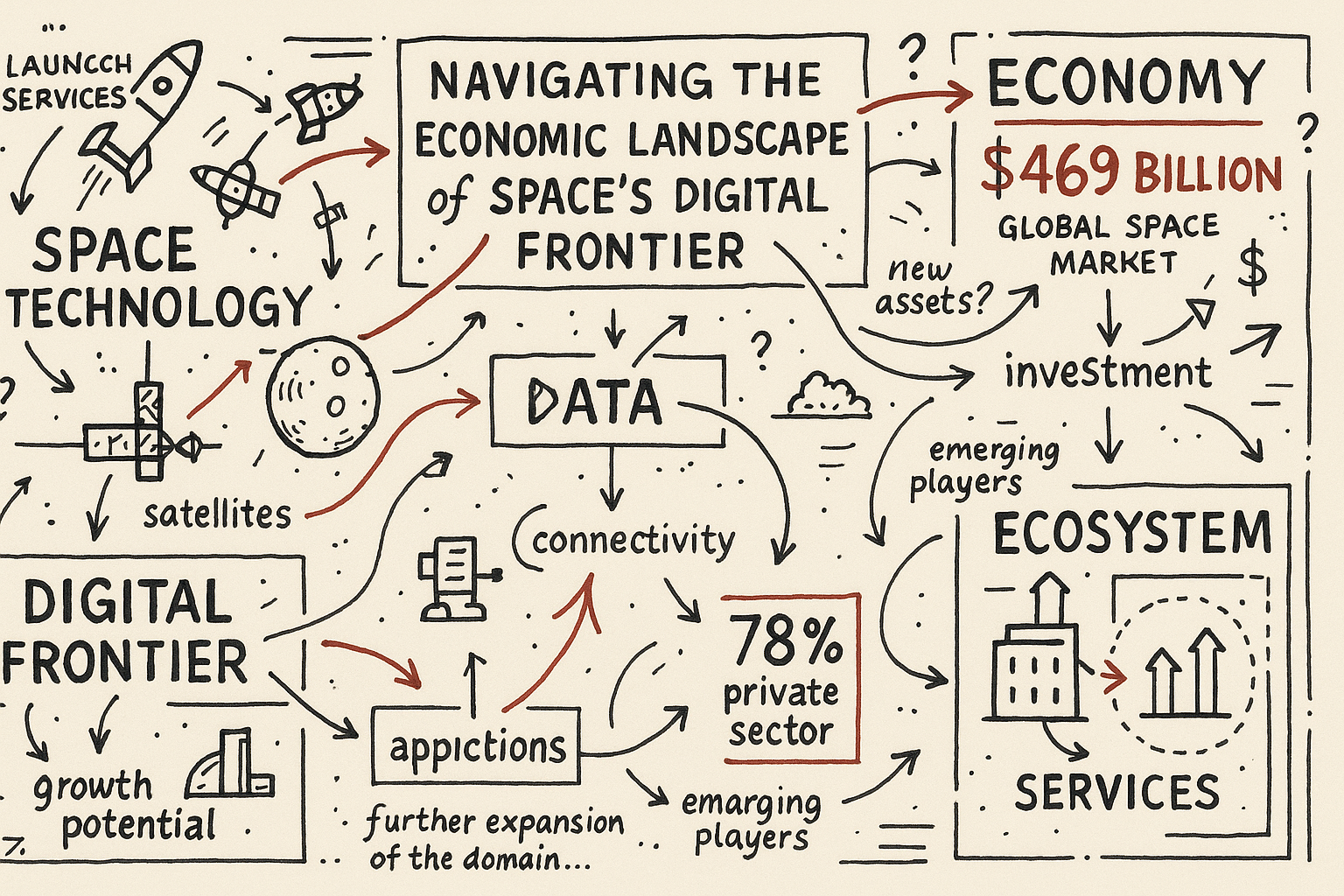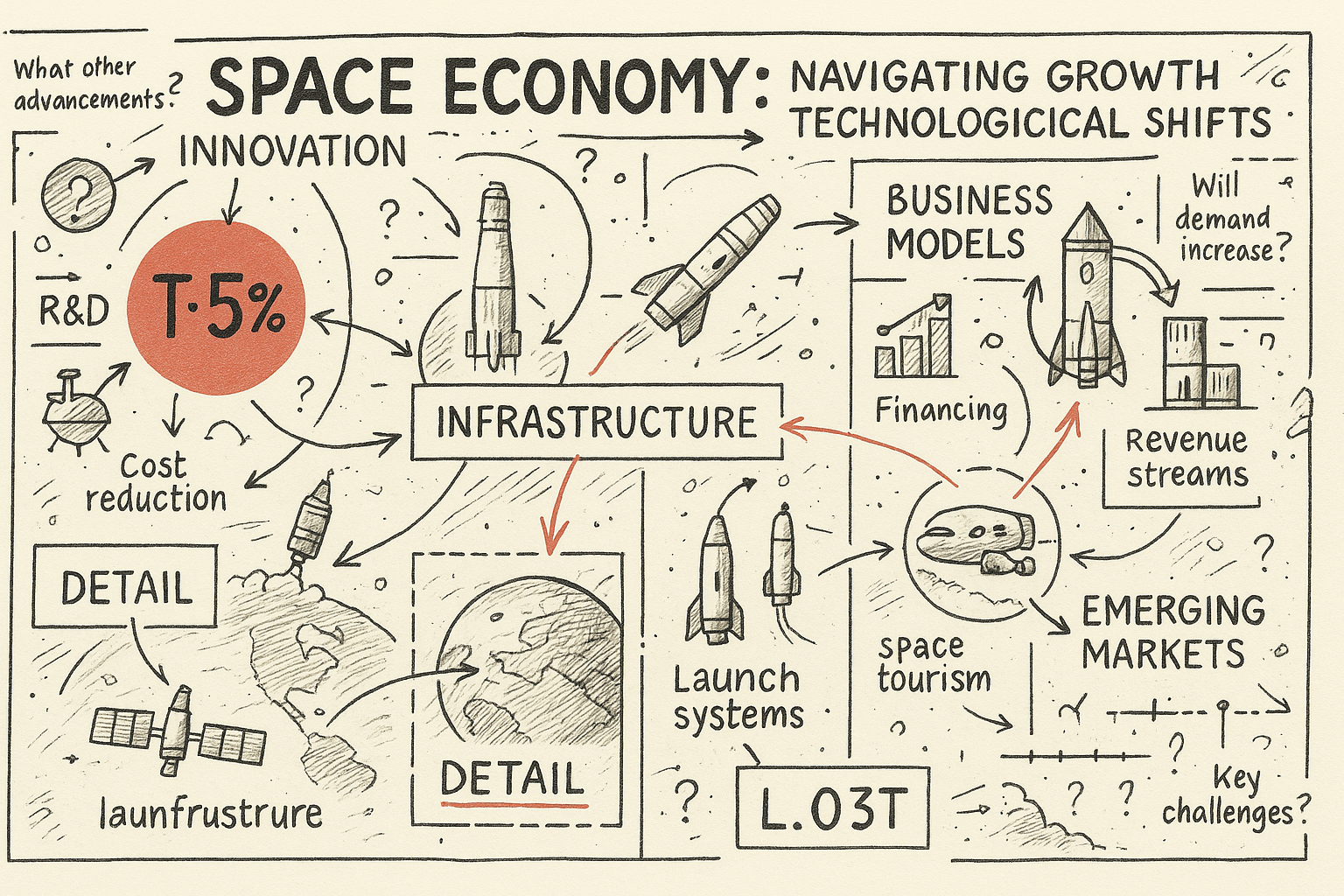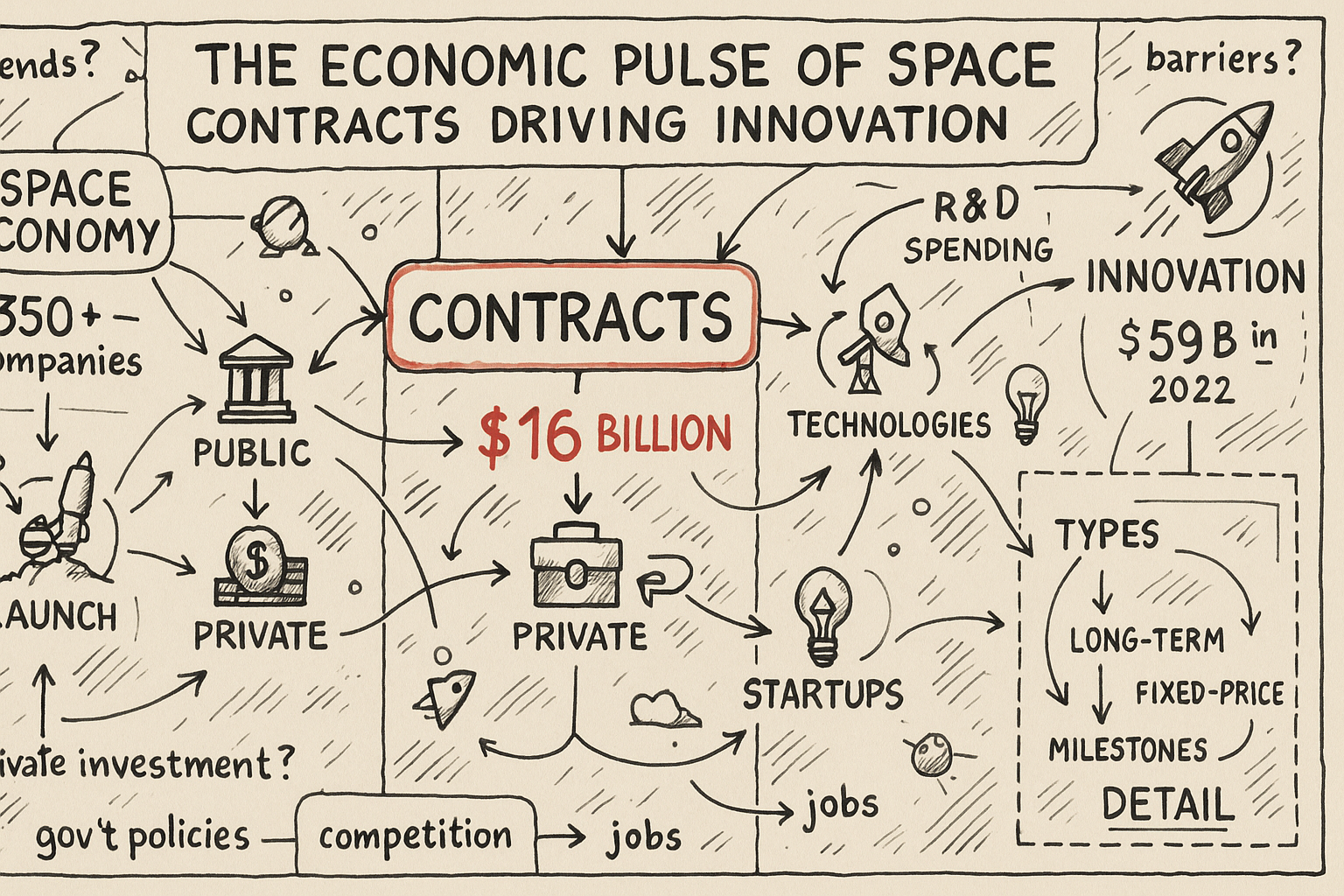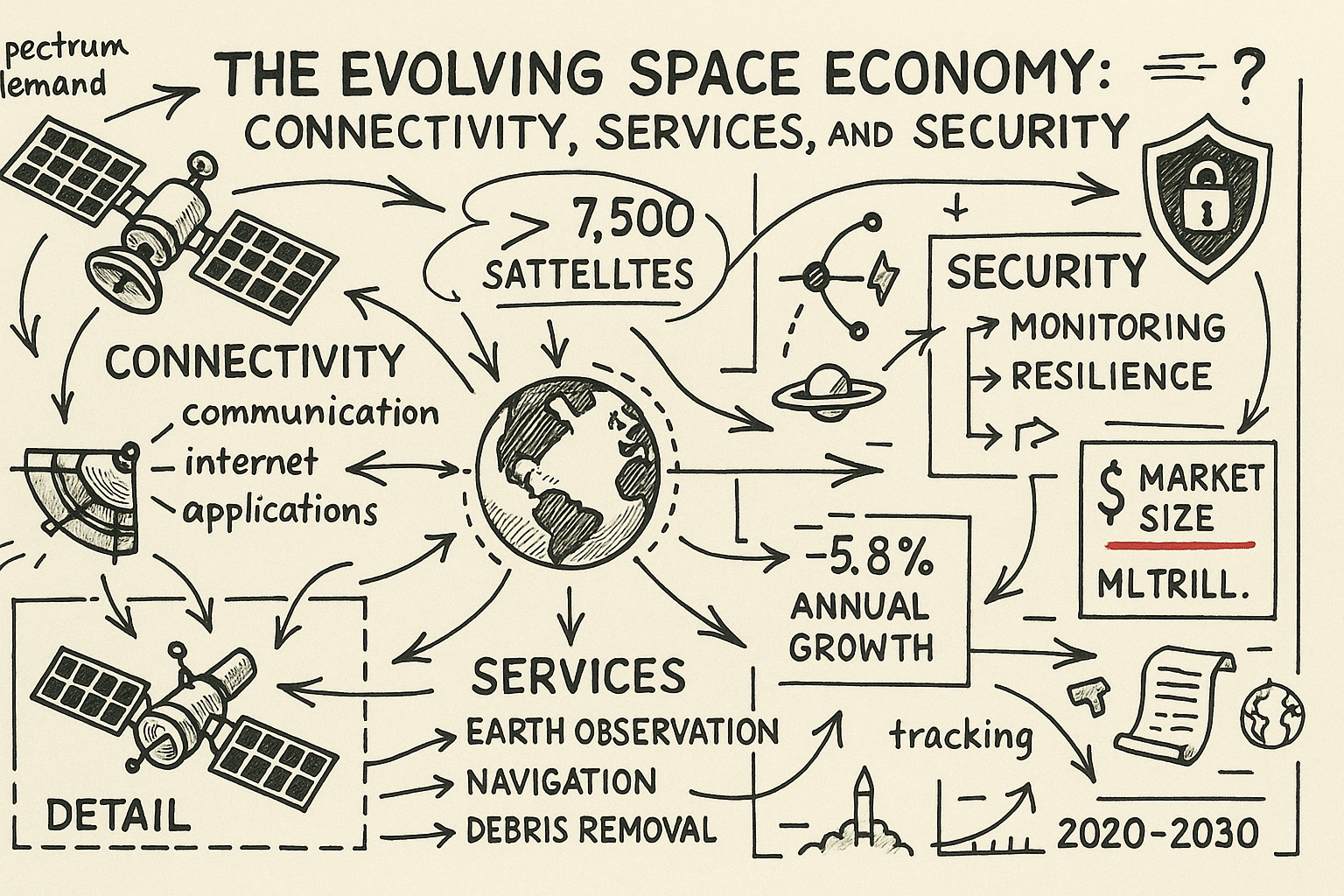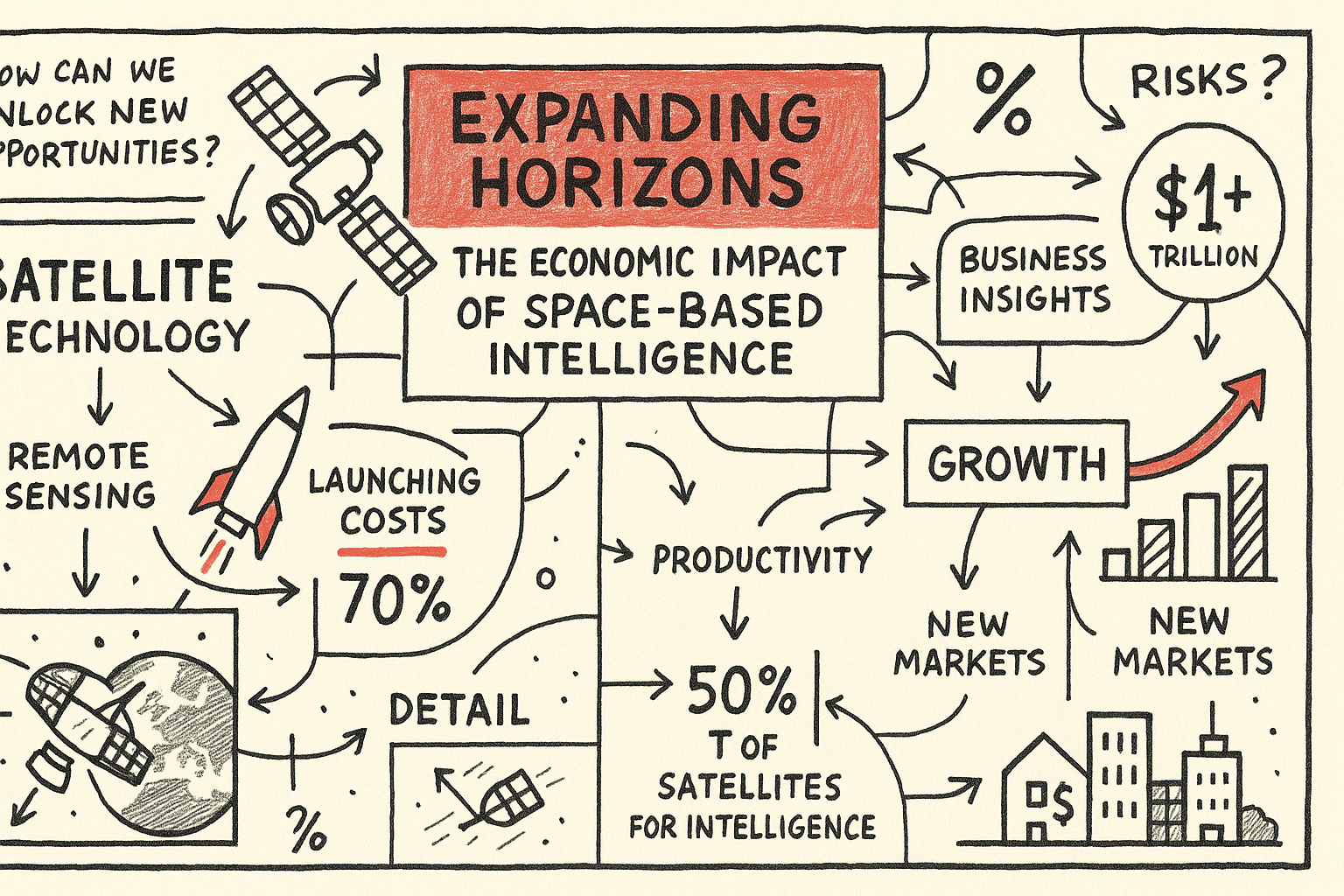
The space industry is undergoing a significant transformation, driven by the burgeoning demand for satellite intelligence and non-Earth imaging capabilities. This shift is reshaping the economic landscape, as companies like HEO, Planet Labs, and HawkEye 360 expand their satellite networks and capabilities.
Expanding Satellite Networks
HEO's recent collaboration with Planet Labs to expand its NEI network exemplifies the growing trend of utilizing space-based assets for non-Earth imaging. By increasing the number of in-space sensors to over 50, HEO is enhancing its ability to capture high-resolution images of orbiting objects from diverse angles. This expansion not only boosts HEO's operational capabilities but also positions it as a critical player in the global space economy.
Similarly, the National Reconnaissance Office's (NRO) decision to expand its use of HawkEye 360's satellite intelligence underscores the strategic importance of satellite data in national security. HawkEye 360's satellites are adept at locating radars, ships, and other electronic emitters, providing the U.S. government with vital data for defense operations.
Technological Innovation and Economic Growth
The selection of Eoptic, Inc. to supply DeepScan™ imaging payloads for a 2027 launch highlights the technological advancements in multi-spectral and multi-modal imaging systems. These innovations are not only enhancing the precision of space-based intelligence but also driving economic growth by creating new market opportunities for imaging technologies.
Kreios' collaboration with Kongsberg NanoAvionics for a 2028 Very Low Earth Orbit (VLEO) demonstration represents another frontier of innovation. By attempting to validate the functionality of an ABEP thruster at altitudes below LEO, Kreios aims to revolutionize propulsion technologies, potentially reducing the cost of satellite operations.
Implications for Global Security and Economy
The increasing adoption of space-based intelligence is reshaping global security dynamics. As noted by BlackSky CTO Patrick O'Neil, the urgent need for rapid, sovereign data in conflict scenarios is driving governments and Ministries of Defense to invest heavily in satellite technologies. This shift is not only enhancing national security but also creating a lucrative market for satellite manufacturers and data providers.
Moreover, the cost of building and launching satellites has decreased, making it feasible for more countries and private entities to enter the space market. This democratization of space technology is fostering economic competition and innovation, as companies strive to offer faster and more reliable satellite data services.
Surprising Insights
One surprising insight from this analysis is the potential for non-Earth imaging to become a significant economic driver. While traditionally focused on Earth observation, companies like HEO are leveraging these technologies for space-based applications, opening up new revenue streams and strategic possibilities.
Additionally, the collaboration between commercial entities and government agencies in satellite intelligence is blurring the lines between public and private sectors. This partnership model is not only accelerating technological advancements but also distributing economic benefits across industries.
Future Prospects
Looking ahead, the continued expansion of satellite networks and the integration of advanced imaging technologies are poised to transform industries ranging from agriculture to urban planning. As satellite data becomes more accessible and affordable, its applications will proliferate, driving economic growth and innovation.
In conclusion, the convergence of technological innovation and strategic expansion in the space industry is creating a vibrant economic ecosystem. By harnessing the power of satellite intelligence, companies and governments are not only enhancing their operational capabilities but also unlocking new economic opportunities in the rapidly evolving space economy.