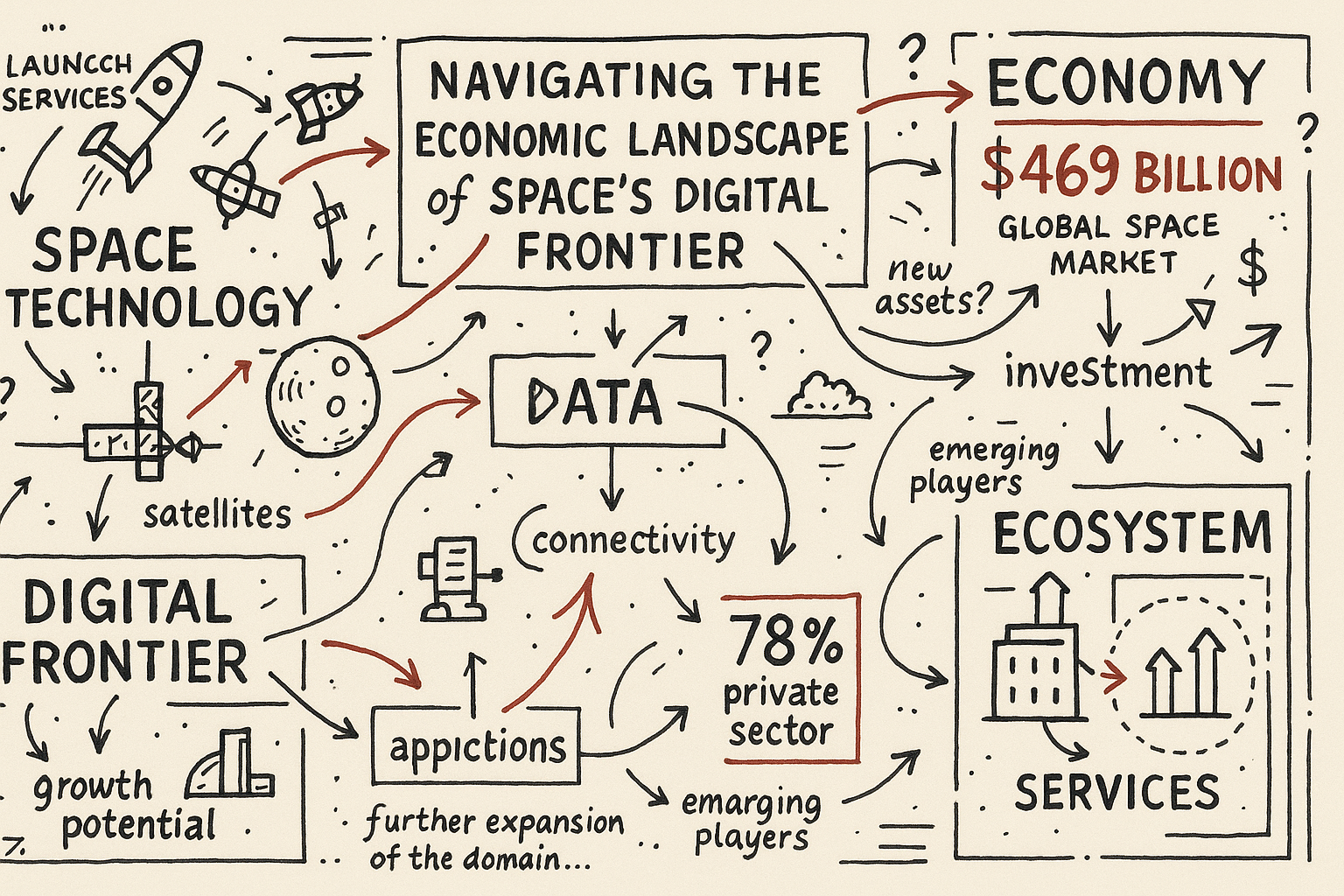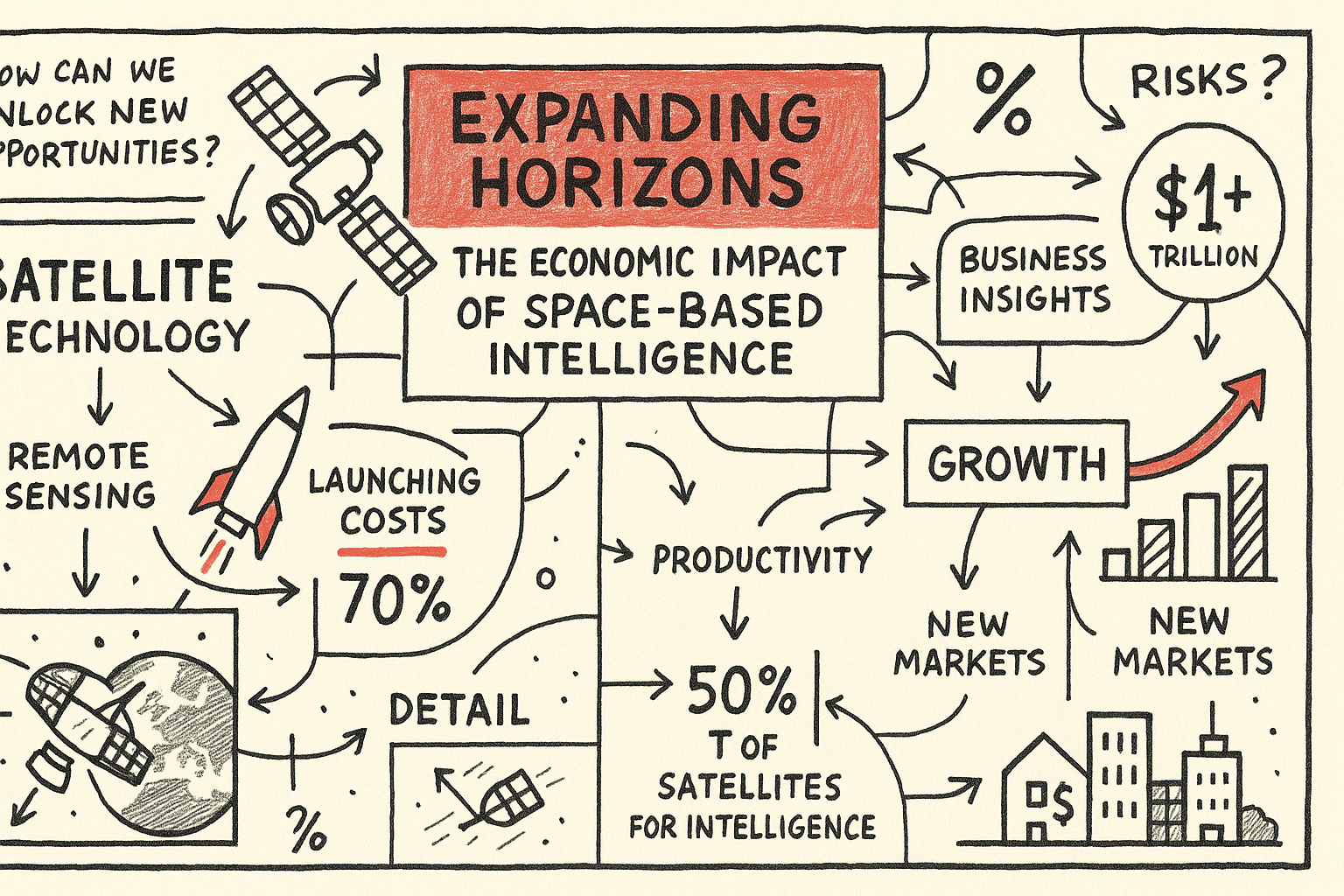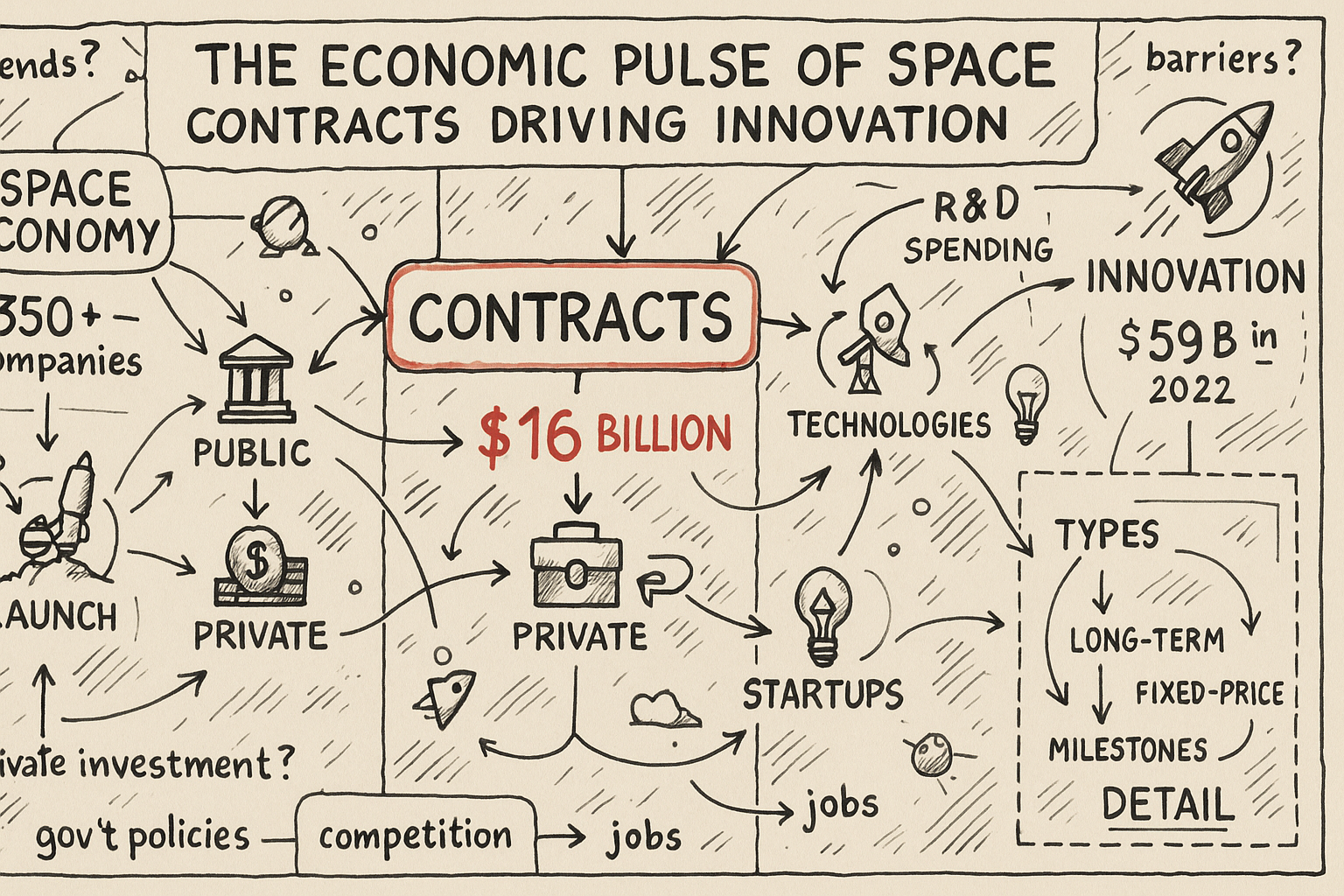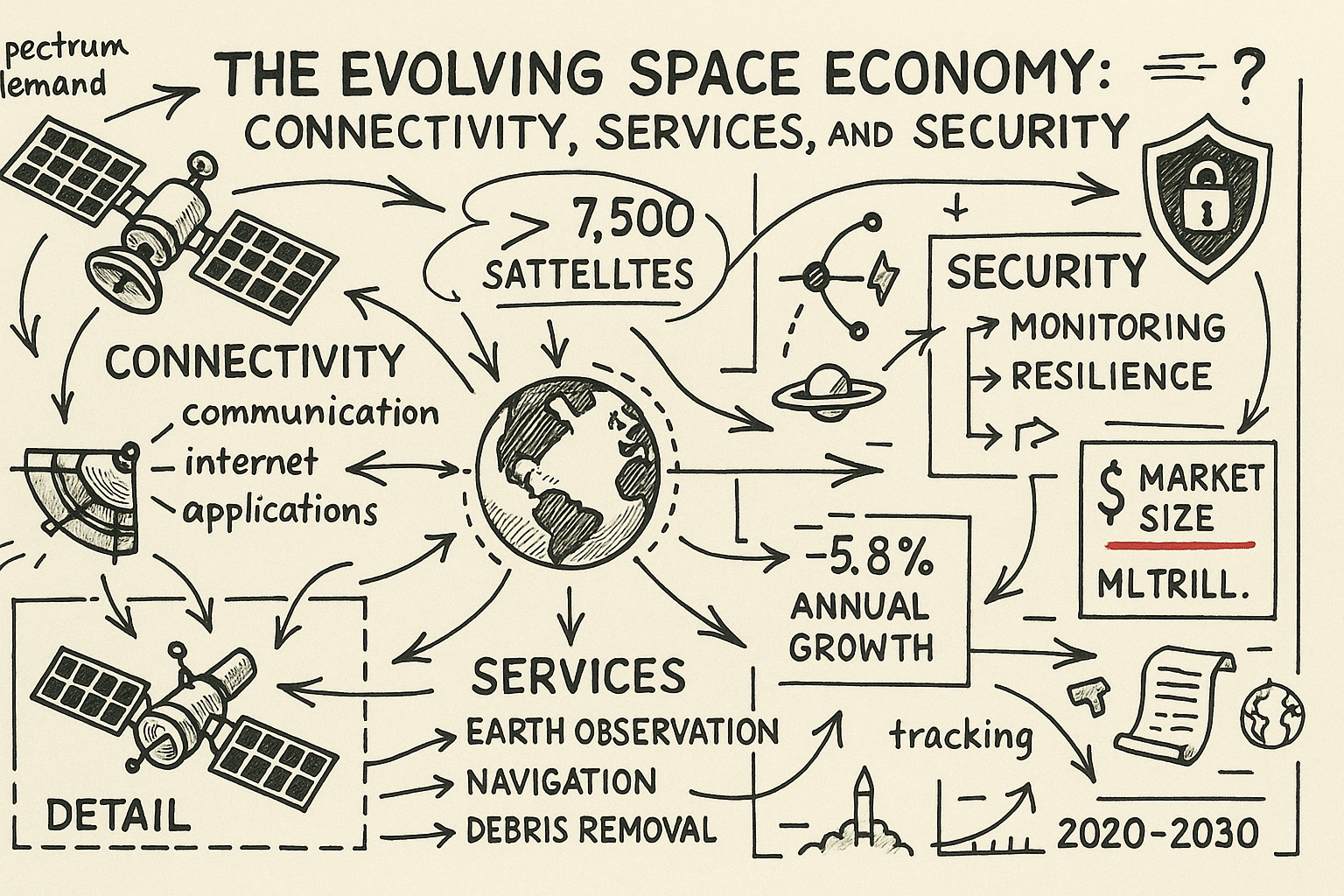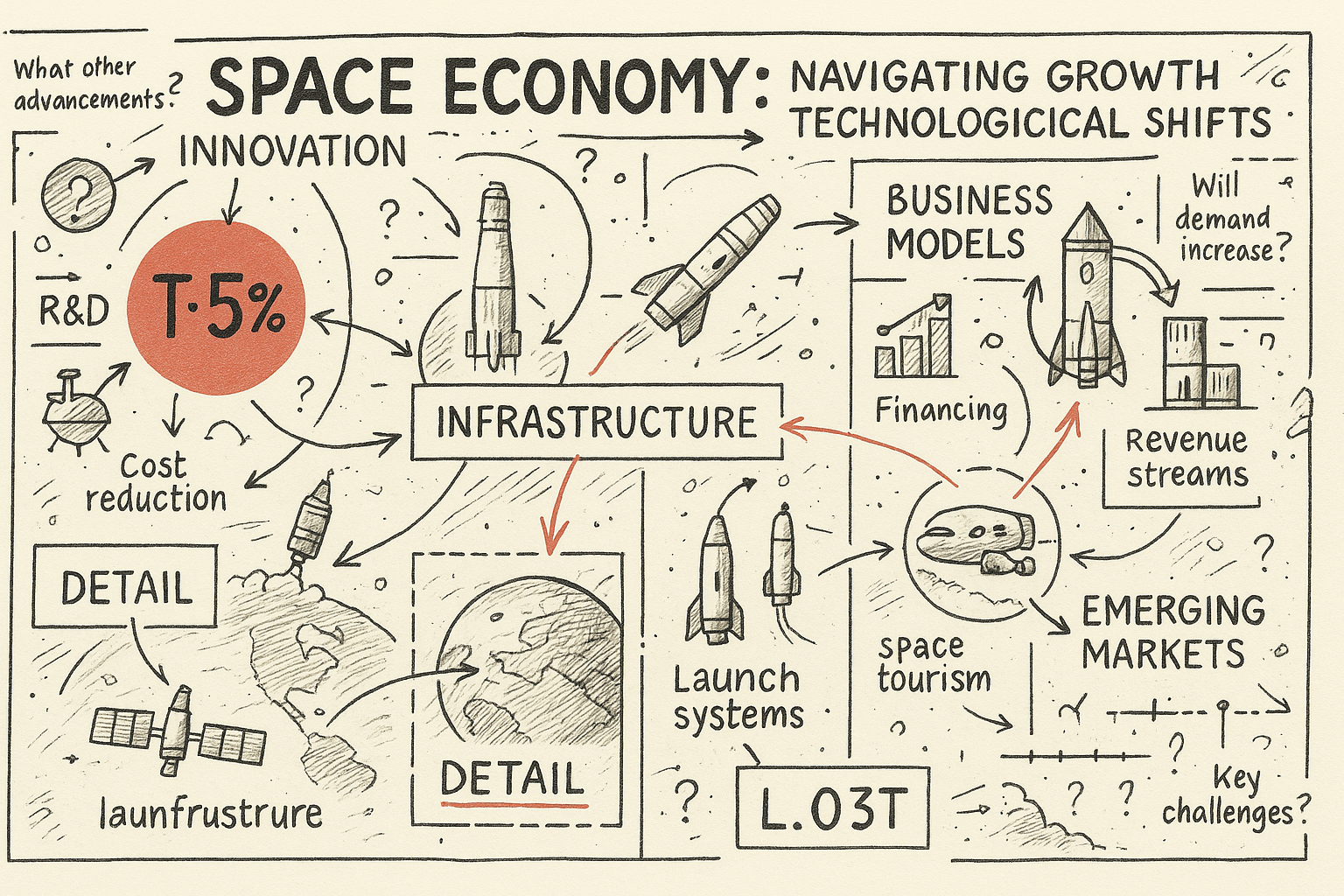
The space economy is experiencing a transformative period characterized by strategic partnerships, technological innovations, and a burgeoning emphasis on national security. Recent developments highlight a dynamic interplay between commercial ambitions and governmental interests, reshaping the landscape of space commerce and defense.
One of the most notable developments comes from Canada, where a coalition of companies has embarked on a mission to integrate Space Domain Awareness (SDA) solutions. This initiative is particularly significant as it coincides with SpaceX offering its Space Situational Awareness (SSA) catalog free of charge to small satellite operators. Such moves underscore the growing importance of space traffic management and collision avoidance, which are becoming crucial as low Earth orbit becomes increasingly congested.
In a parallel development, Astrum Space's decision to go public through a Special Purpose Acquisition Company (SPAC) deal, valued at $1 billion, marks a significant step towards expanding satellite-to-device (S2D) broadcast networks across the Asia-Pacific region. This move reflects a broader trend of companies leveraging financial markets to accelerate technological advancements and reach new markets, a testament to the sector's robust growth potential.
Meanwhile, LeoLabs' $20.68 million award from the U.S. Space Force to enhance national security missions with radar technology highlights the dual-use nature of space technologies. This contract not only emphasizes the strategic importance of space-based radar systems but also reflects the increased investment in technologies that bolster national defense capabilities.
The convergence of commercial and defense interests is further exemplified by Lite Coms' integration of SES O3b mPOWER compatibility into their terminal solutions. This development is indicative of the growing demand for versatile communication platforms that can seamlessly operate across various satellite architectures, catering to both civilian and military needs.
On the other hand, Canadian satellite operator Telesat's financial struggles raise questions about the sustainability of rapid expansion strategies amidst looming debt obligations. Despite these challenges, Telesat remains optimistic about its Lightspeed project, highlighting the delicate balance between innovation and financial prudence in the space industry.
A surprising dynamic in this evolving landscape is the acquisition spree by CesiumAstro, which includes the recent purchase of 1Aardvark, marking its third defense systems acquisition this year. This aggressive expansion strategy reveals a growing appetite for integrating advanced defense systems with commercial satellite capabilities, potentially blurring the lines between military and civilian space operations.
The strategic partnership between Kepler Communications and NorthStar further illustrates the trend towards collaborative innovation. By combining optical data relay infrastructure with SDA services, these companies are setting new standards for data management and space traffic monitoring, crucial for ensuring the safety and sustainability of space activities.
While these developments paint a picture of a vibrant and rapidly evolving space economy, they also pose significant challenges. The need for robust regulatory frameworks to manage the proliferation of satellites, the integration of defense and commercial technologies, and the financial viability of ambitious projects are pressing issues that stakeholders must address.
Looking ahead, the space economy's trajectory will likely be shaped by the ability of companies to innovate while navigating financial constraints and regulatory landscapes. As partnerships and acquisitions continue to redefine the boundaries of what's possible, the sector stands at the cusp of a new era where collaboration and innovation are paramount.