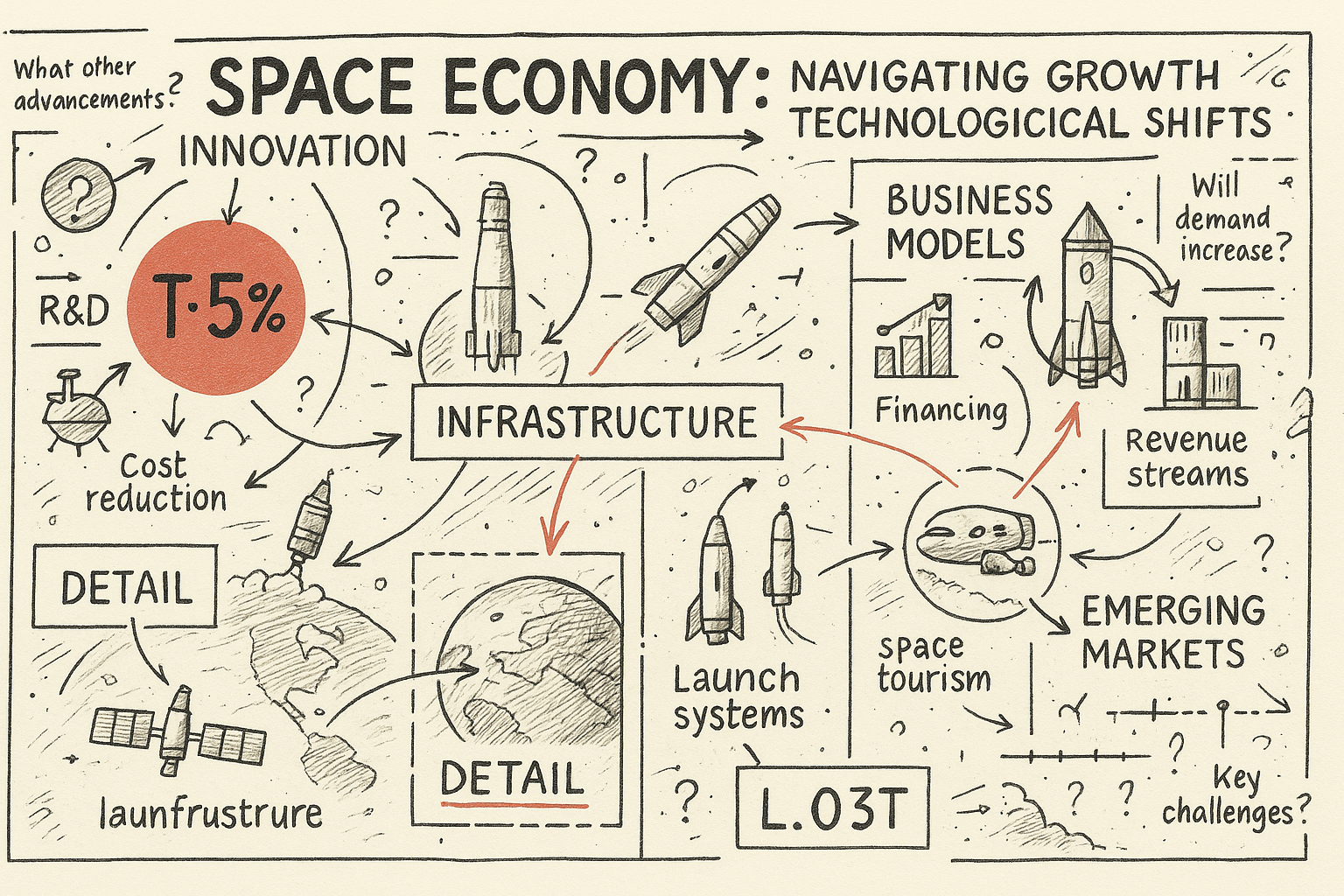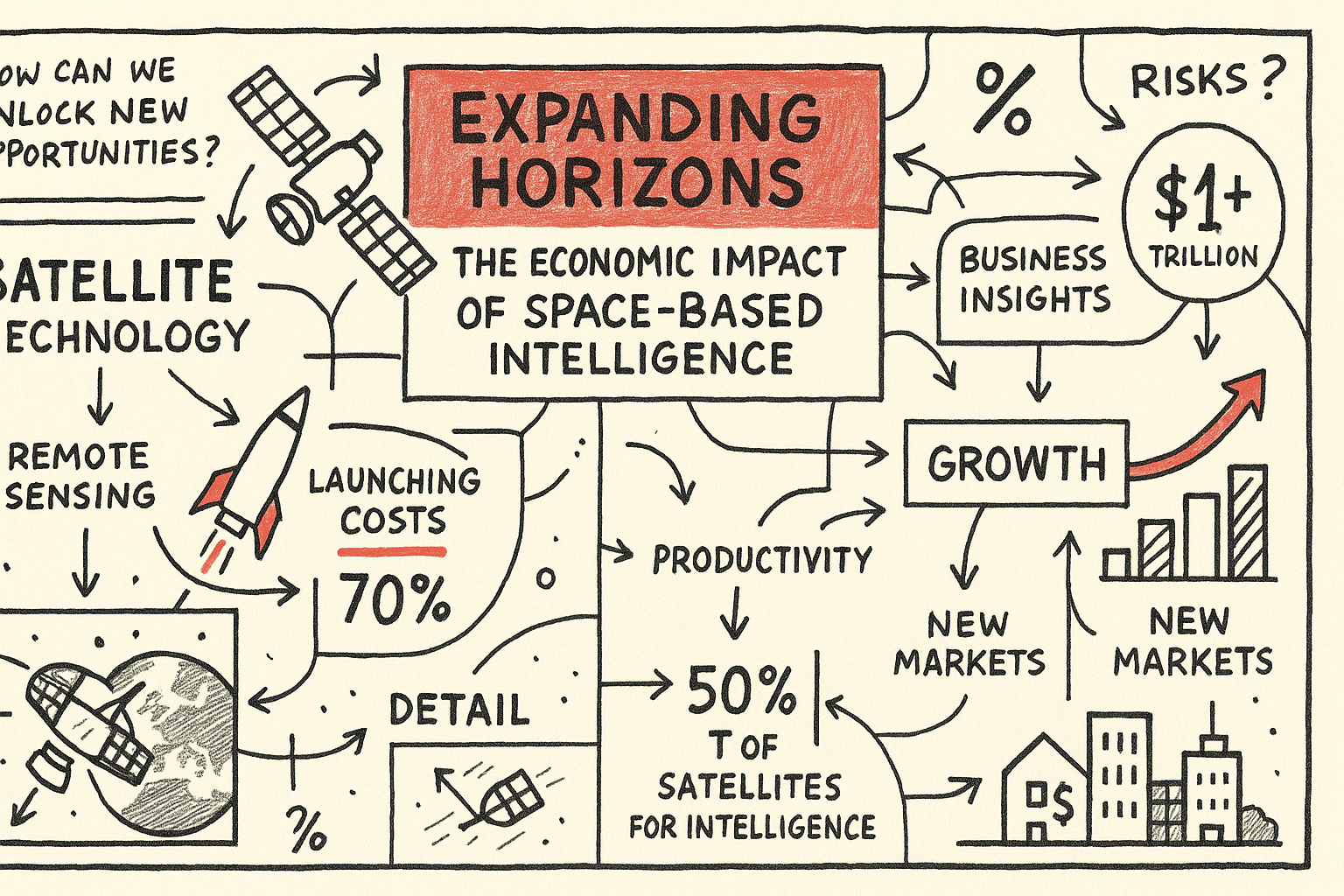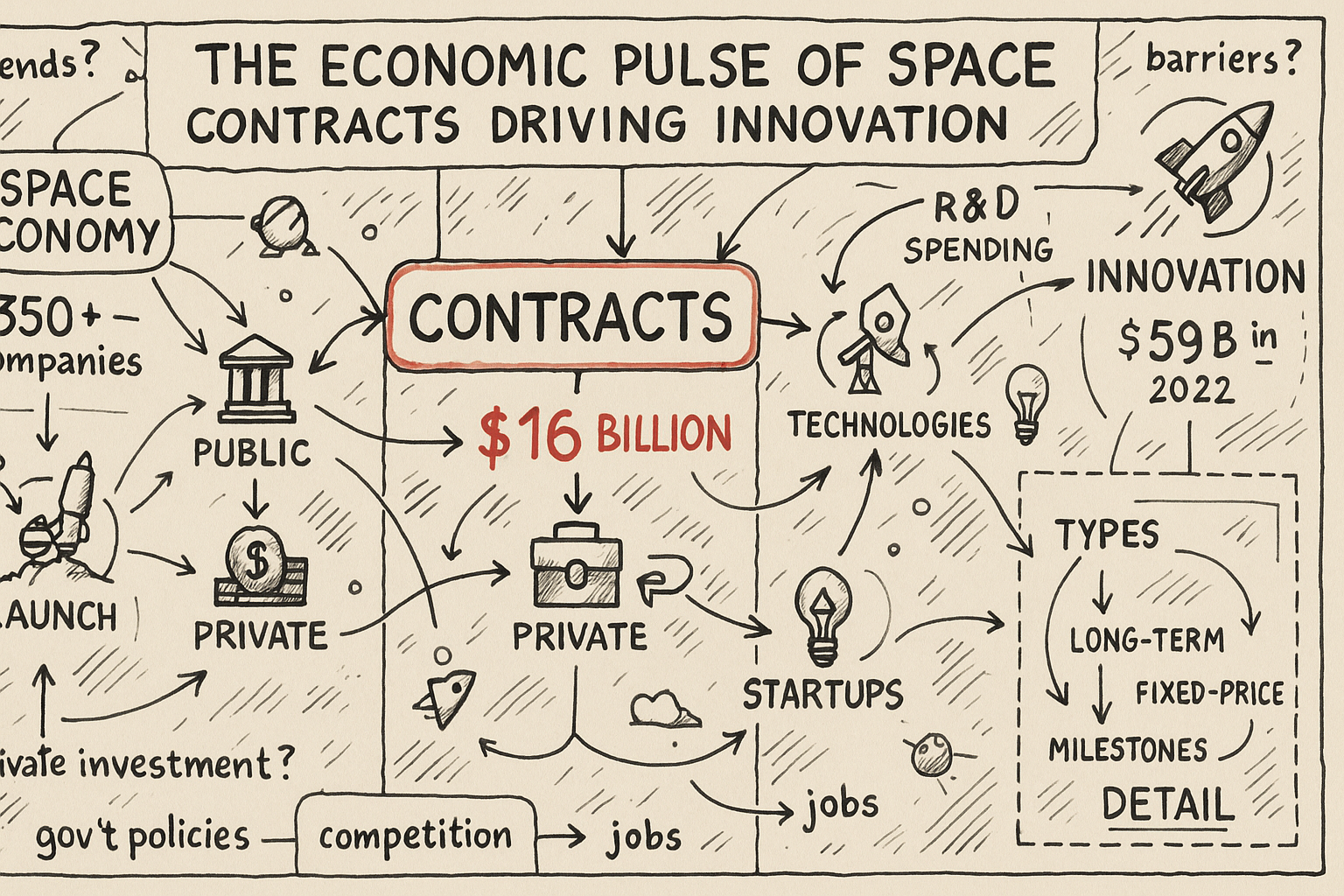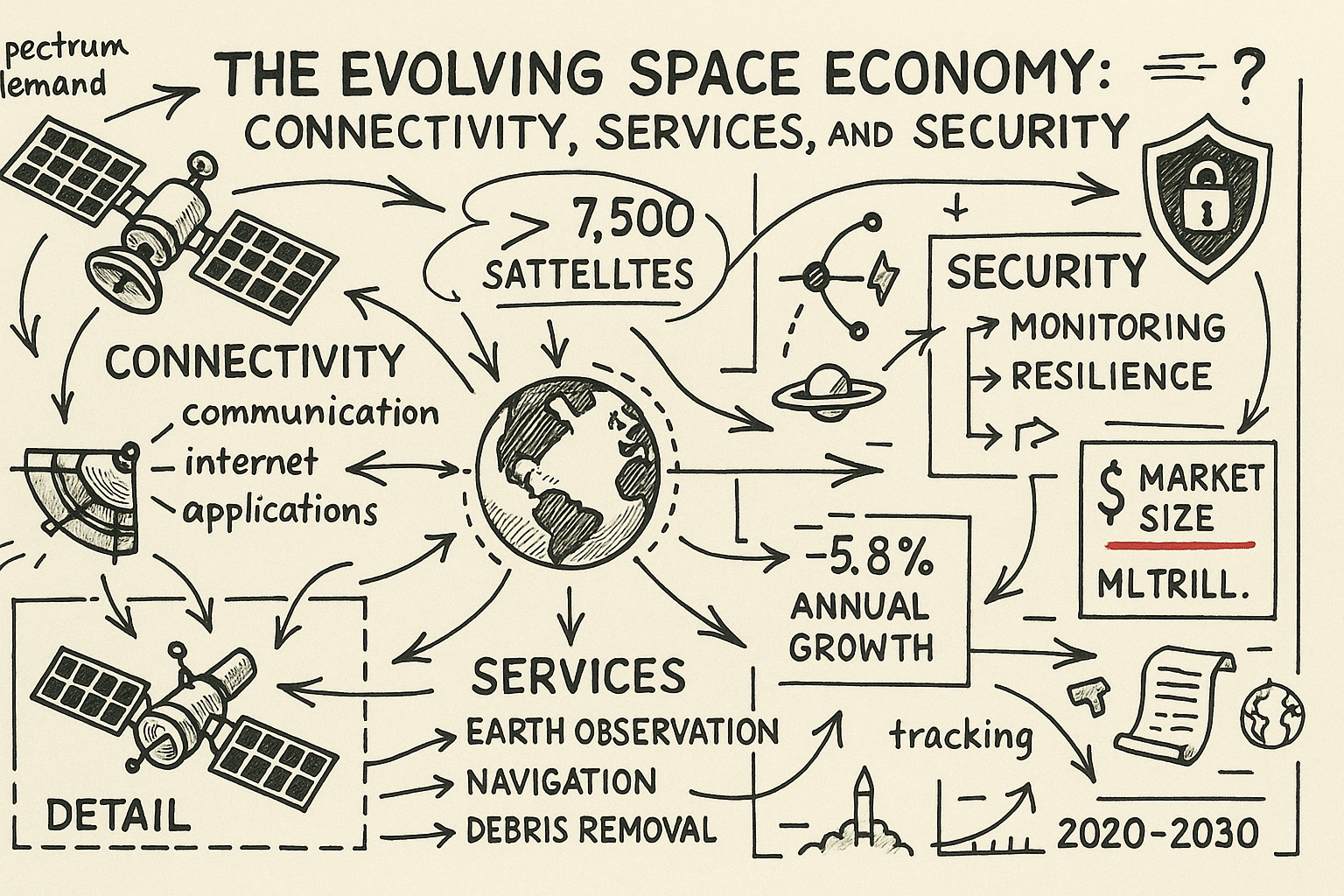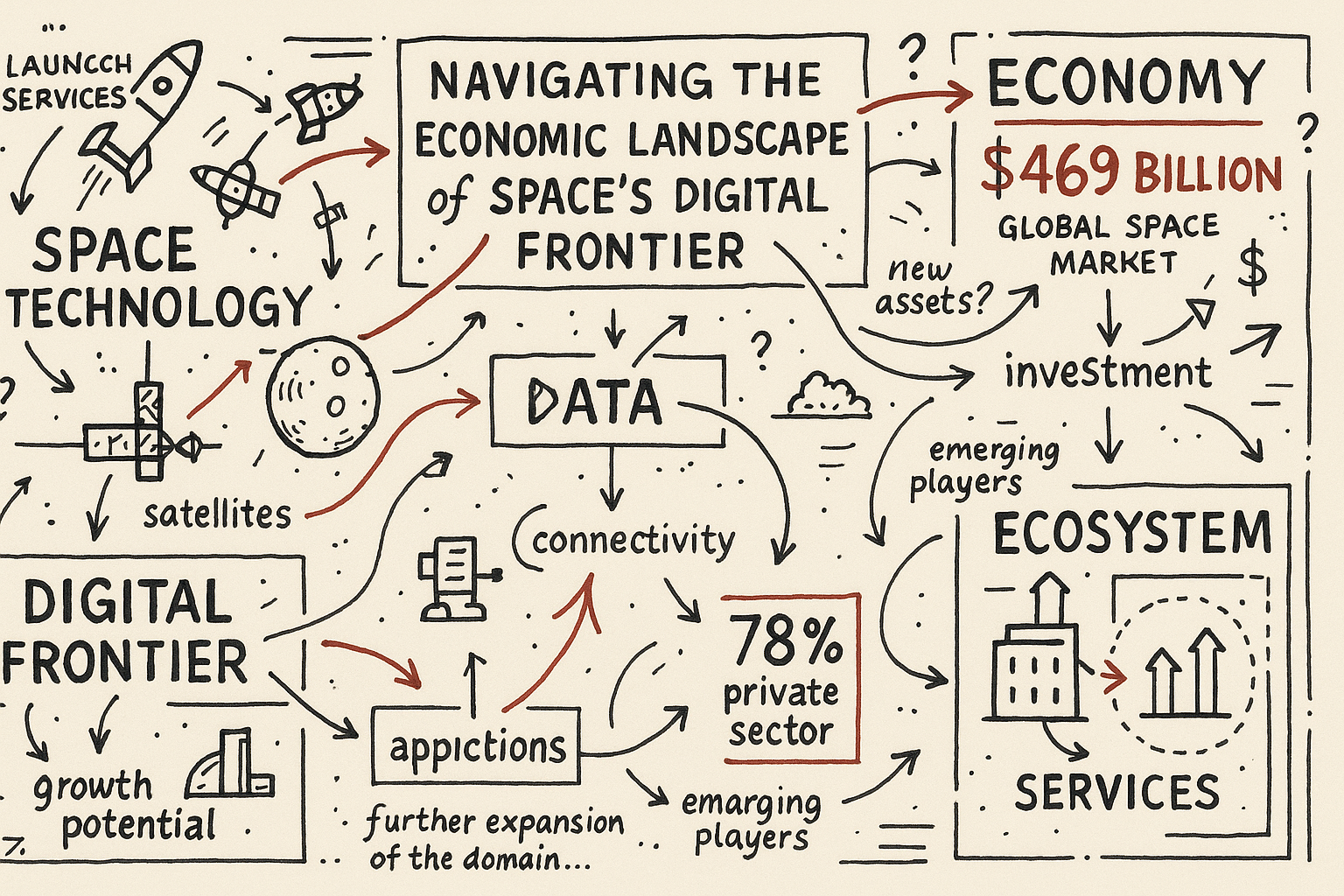
The rapidly evolving landscape of space exploration and technology is not just a scientific frontier but an economic battleground. Recent developments highlight a fascinating intersection of innovation, ownership, and strategic investment, which are redefining the very fabric of the space economy.
Economic Stimulus from Space Networking
Space networking is a prime example of how technological advancements fuel economic growth. As discussed in SpaceNews, companies like Innoflight are pioneering electronics that enhance space networking capabilities. This not only creates new market opportunities but also demands a skilled workforce, boosting local economies.
Moreover, the rise of orbital data centers and the evolution of the space edge, as highlighted by Voyager CTO Paul Tilghman in Via Satellite, illustrate how computing power is transitioning to space-based platforms. This shift is expected to revolutionize data processing speed and reliability, further attracting investment and innovation in the sector.
Ownership and the New Middle Ground
Traditionally, space missions were the domain of governmental agencies and large corporations. However, as Payload reports, there is now a push for more affordable and accessible spacecraft. This democratization of space technology allows smaller companies and even individuals to own and develop their hardware, leading to more personalized and mission-specific systems.
This trend raises intriguing questions about intellectual property, innovation incentives, and market competition. As more entities enter the space industry, the traditional power dynamics shift, potentially leading to a more diverse and competitive market landscape.
Component Market Dynamics
The role of component suppliers like Spirit Electronics, who are expanding their offerings with space-grade components from Texas Instruments and Microchip Technology, highlights another economic dimension. As reported in SpaceNews, the increased demand for high-reliability components is driving growth in the supply chain sector, which in turn supports the broader space economy.
Strategic Defense and Economic Implications
The defense sector’s involvement in space, exemplified by the Golden Dome program, underscores the strategic and economic significance of space capabilities. As discussed in SpaceNews, the integration of advanced technologies in missile defense systems is both a national security priority and a catalyst for economic activity.
The intertwining of defense and commercial interests in space highlights the dual-use nature of many space technologies, which can drive innovation but also complicate regulatory and investment environments.
Future Implications and Surprising Insights
As space becomes increasingly commercialized, the regulatory landscape will need to adapt to ensure equitable access and sustainable practices. The economic potential of space is vast, but careful stewardship is essential to harness it effectively.
A particularly surprising insight is the realization that the democratization of spacecraft development could lead to a paradoxical increase in technological inequality. While access to space technology becomes more widespread, the gap between entities that can afford cutting-edge systems and those that cannot may widen, potentially stifling innovation among smaller players.
In conclusion, the space economy is a vibrant and complex ecosystem influenced by technological advancements, strategic interests, and market dynamics. As we continue to explore this frontier, understanding its economic implications will be crucial for sustainable growth and innovation.