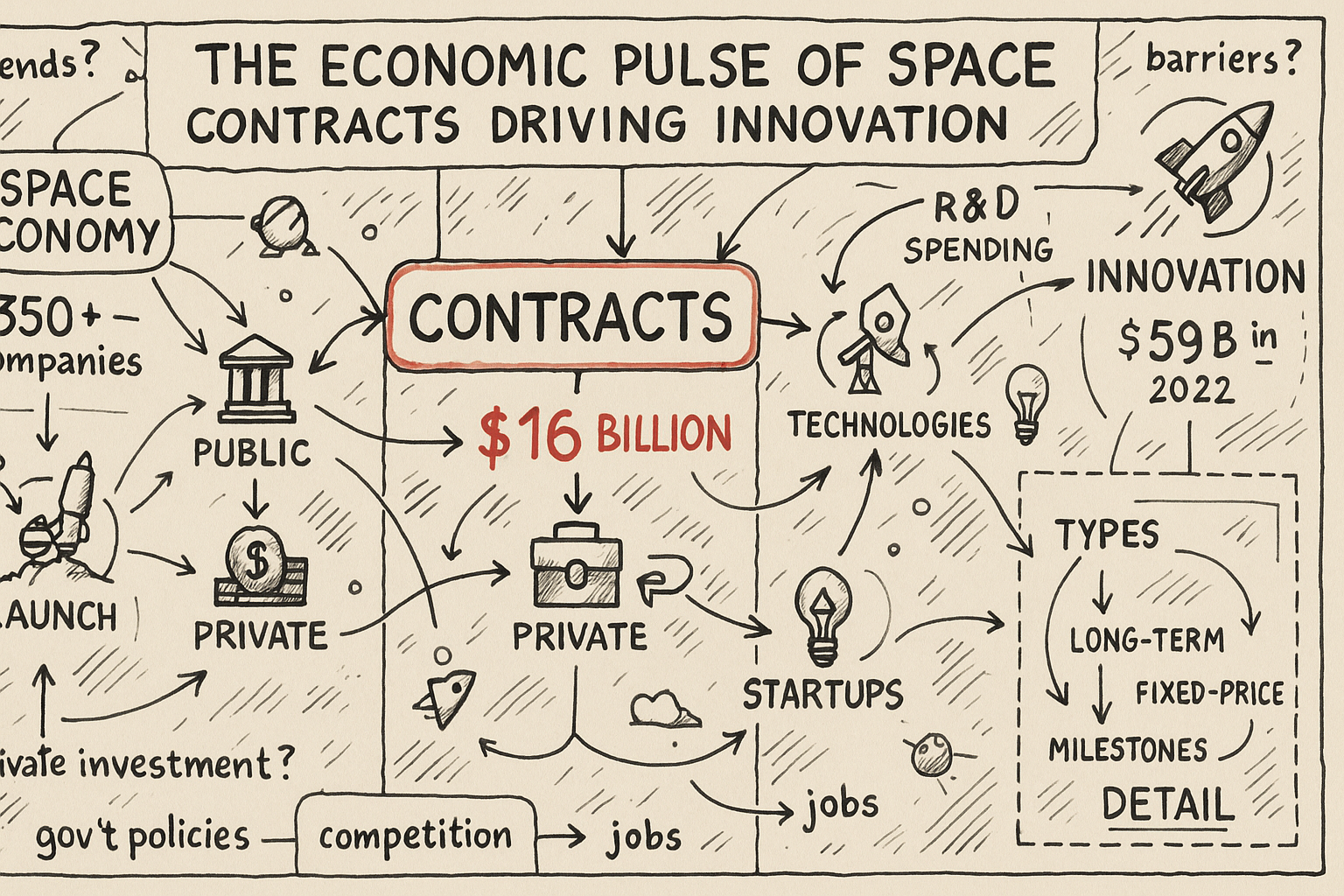
In recent weeks, the space industry has seen a flurry of contract awards that collectively paint a vivid picture of its economic trajectory. These contracts are not mere business transactions; they are strategic moves that reflect broader trends and potential shifts in both technology and policy.
Strategic Alliances in Space
The announcement of a $600 million contract awarded to Intuitive Machines for three geostationary orbit communications satellites underscores the increasing demand for robust satellite infrastructure. This contract, notable for its substantial value, signals a growing recognition of the critical role that geostationary satellites play in modern communications.
Meanwhile, Spire Global and PlanetiQ's contracts with the National Oceanic and Atmospheric Administration (NOAA) for radio occultation data highlight the expanding use of satellite data in terrestrial and space weather forecasting. This partnership illustrates a shift towards leveraging commercial satellite capabilities to enhance public sector forecasting, which could lead to more accurate weather predictions and improved disaster preparedness.
Technological Advancements
Another significant development comes from Astranis, which unveiled a geostationary surveillance satellite capable of inspecting and maneuvering around other satellites. This innovation not only enhances situational awareness in space but also marks a step towards more sophisticated satellite operations, potentially reducing the risk of collisions and extending satellite lifespans.
Impulse Space’s $28 million contract extension with the U.S. Space Force further exemplifies the integration of commercial innovation into governmental operations. The Small Business Innovation Research (SBIR) Phase III contract supports two missions, reflecting the military’s increasing reliance on commercial space technologies to achieve its strategic objectives.
Economic Implications and Future Outlook
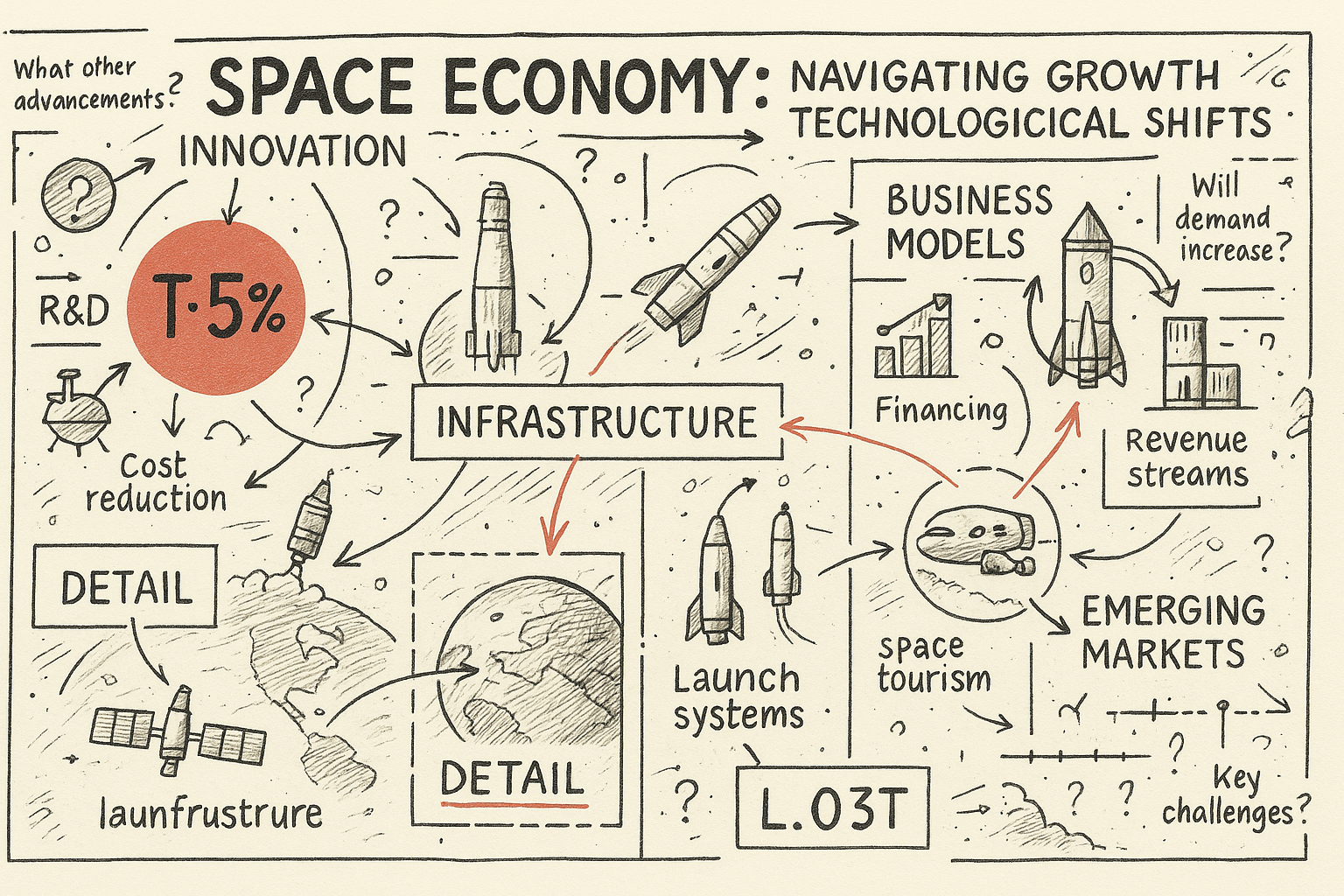
These contracts collectively highlight a few key economic implications. First, there is a noticeable trend of increased public-private partnerships, where governmental agencies are increasingly relying on commercial entities for technological advancements and operational efficiencies. This trend is likely to continue as space agencies look to leverage the agility and innovation of the private sector.
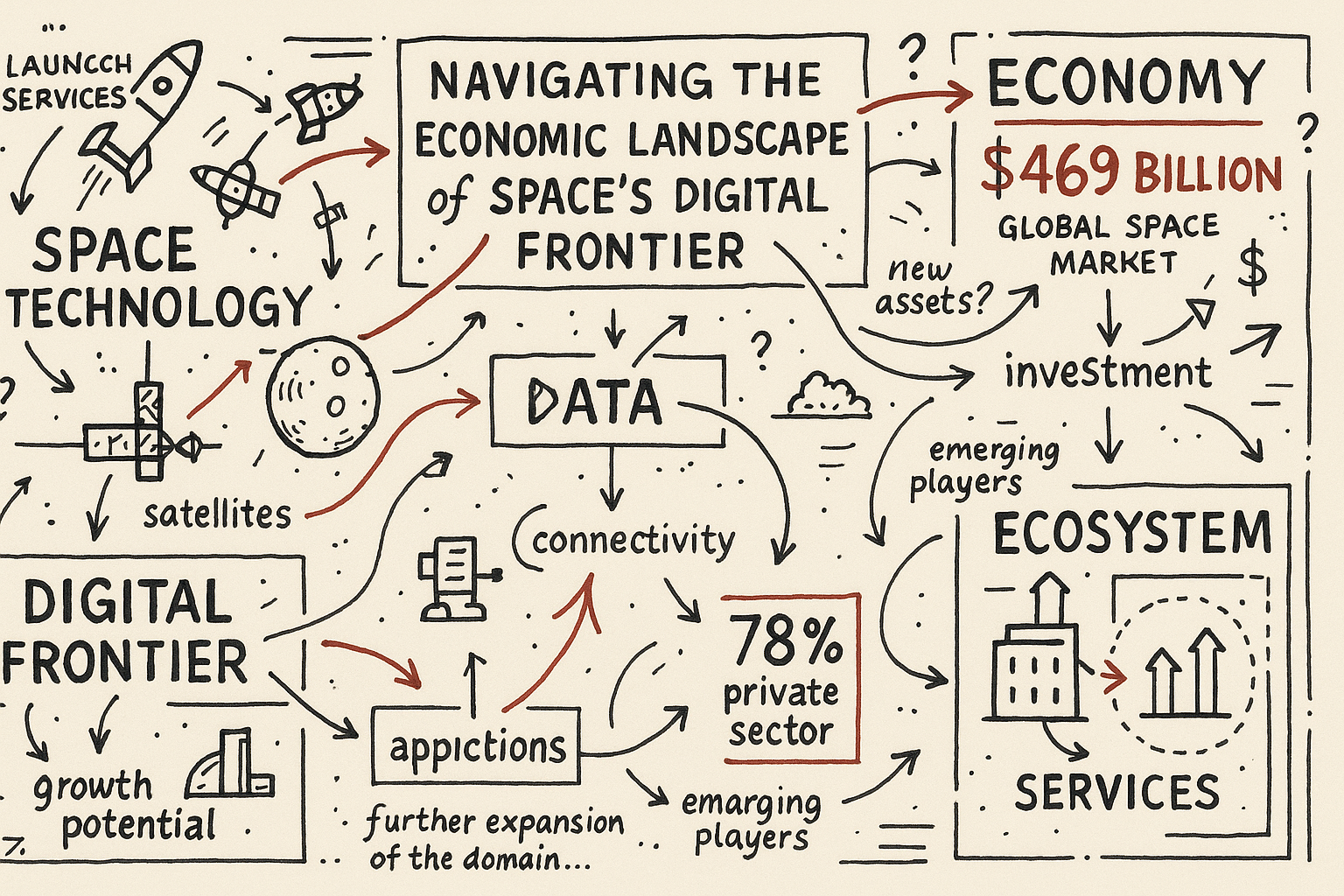
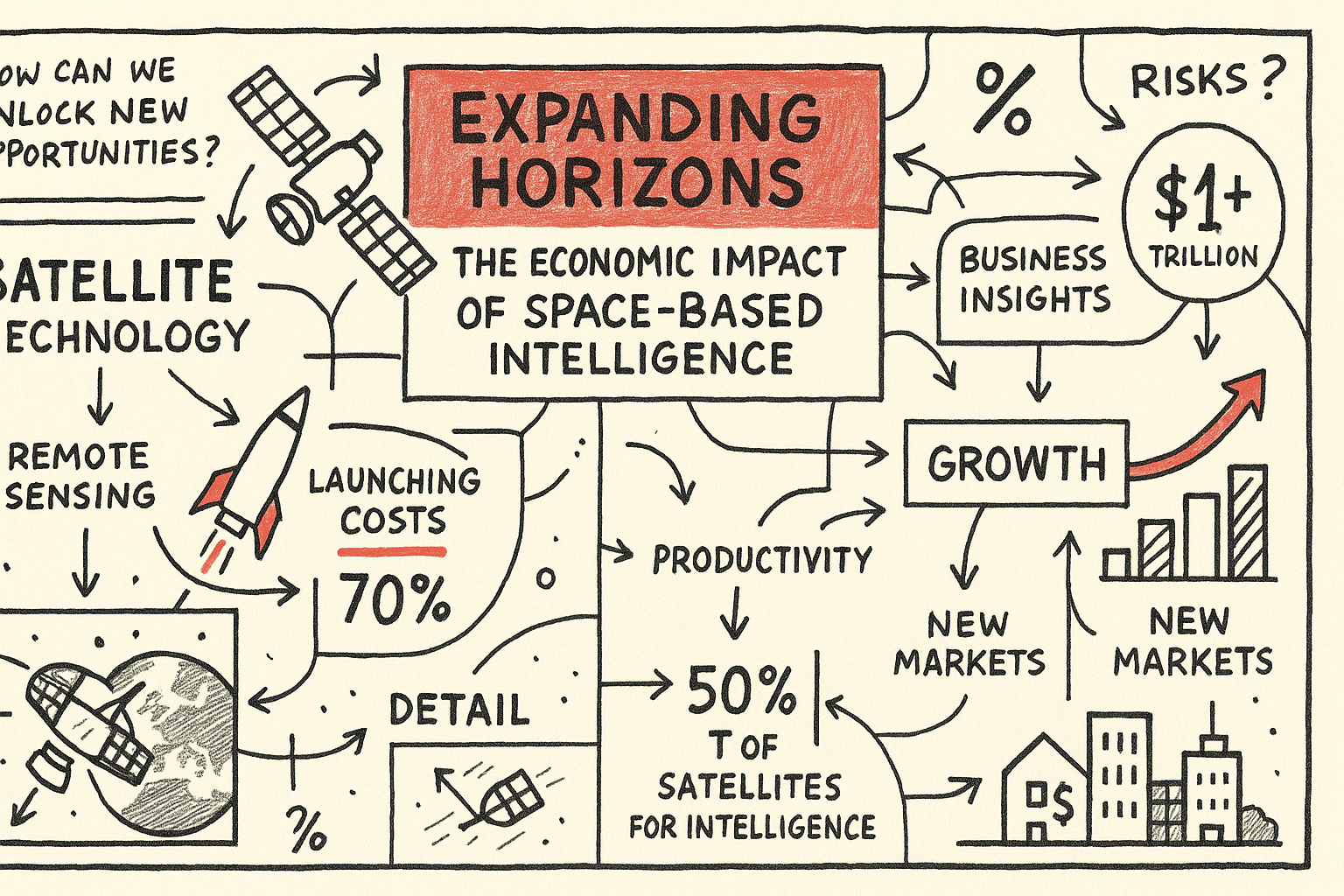
Secondly, the scale and diversity of these contracts suggest a maturing space economy that is becoming integral to national and international strategic interests. The global space economy, which was valued at approximately $447 billion in 2020, is poised for exponential growth as more industries recognize the value of space-based assets.
Finally, these developments indicate a shift in the economic dynamics within the space industry. As companies like BlackSky secure multiyear international contracts for space-based monitoring, they pave the way for new business models centered around data as a service, which could redefine how space assets generate revenue.
Challenges and Considerations
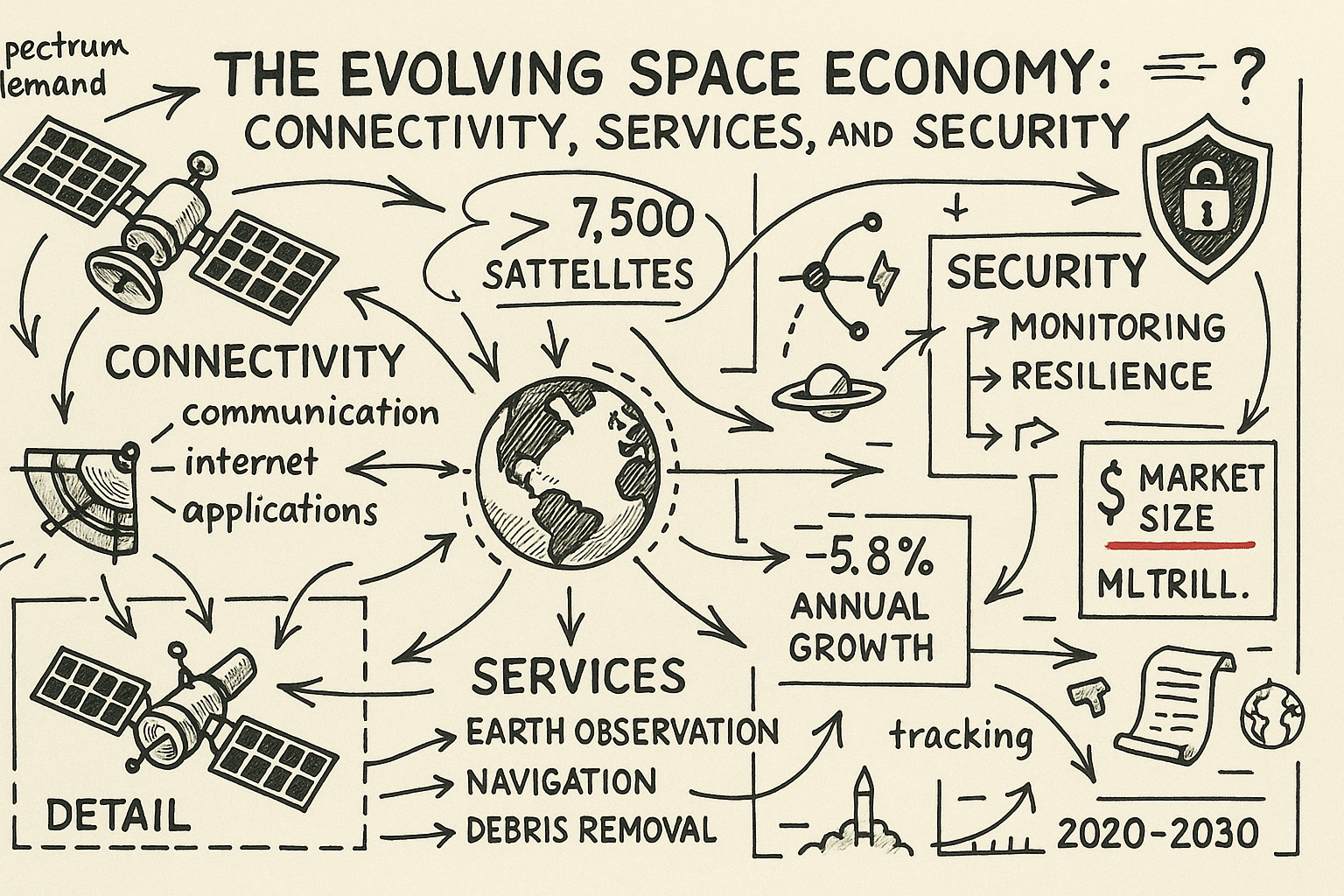
Despite these promising developments, challenges remain. The increasing number of satellites poses a risk of overcrowding in key orbital slots, which could lead to regulatory hurdles and necessitate new international agreements on space traffic management. Additionally, the dependence on commercial entities for critical data and services raises questions about data security and the need for robust cybersecurity measures.
In conclusion, the recent spate of contract awards reflects a dynamic and rapidly evolving space economy. As these contracts drive innovation and reshape the landscape, they also pose new challenges that will require thoughtful policy responses and collaborative efforts across the public and private sectors.