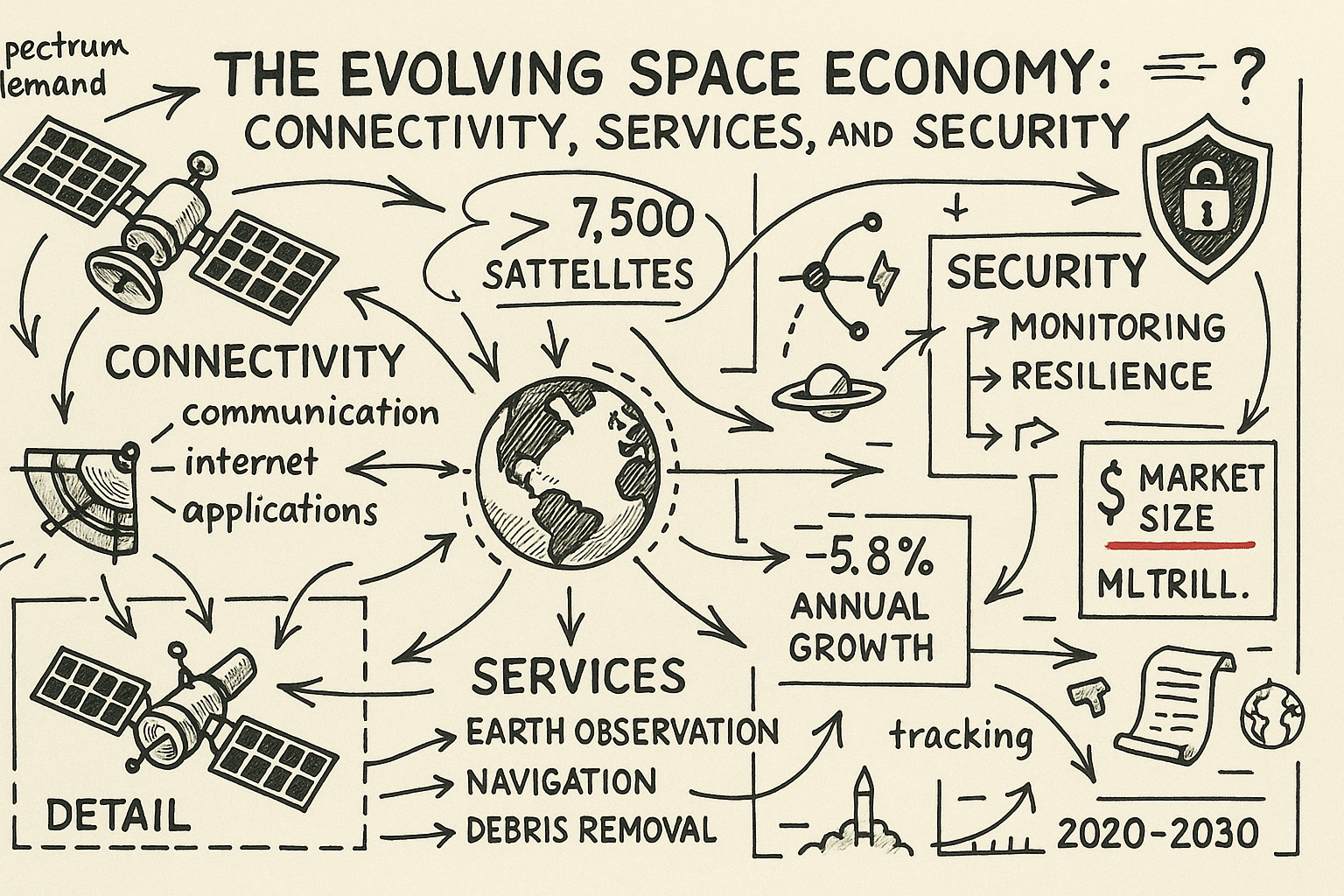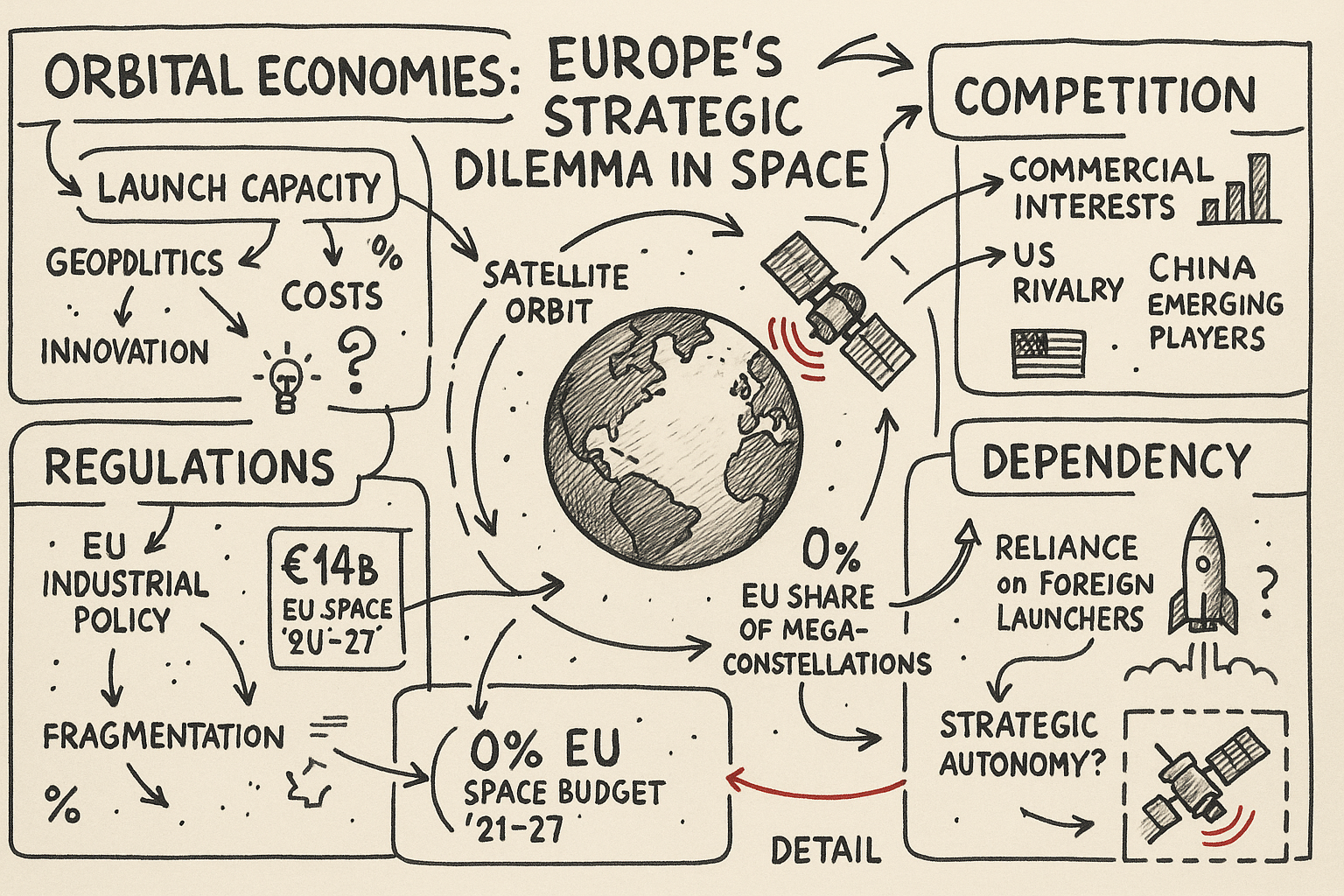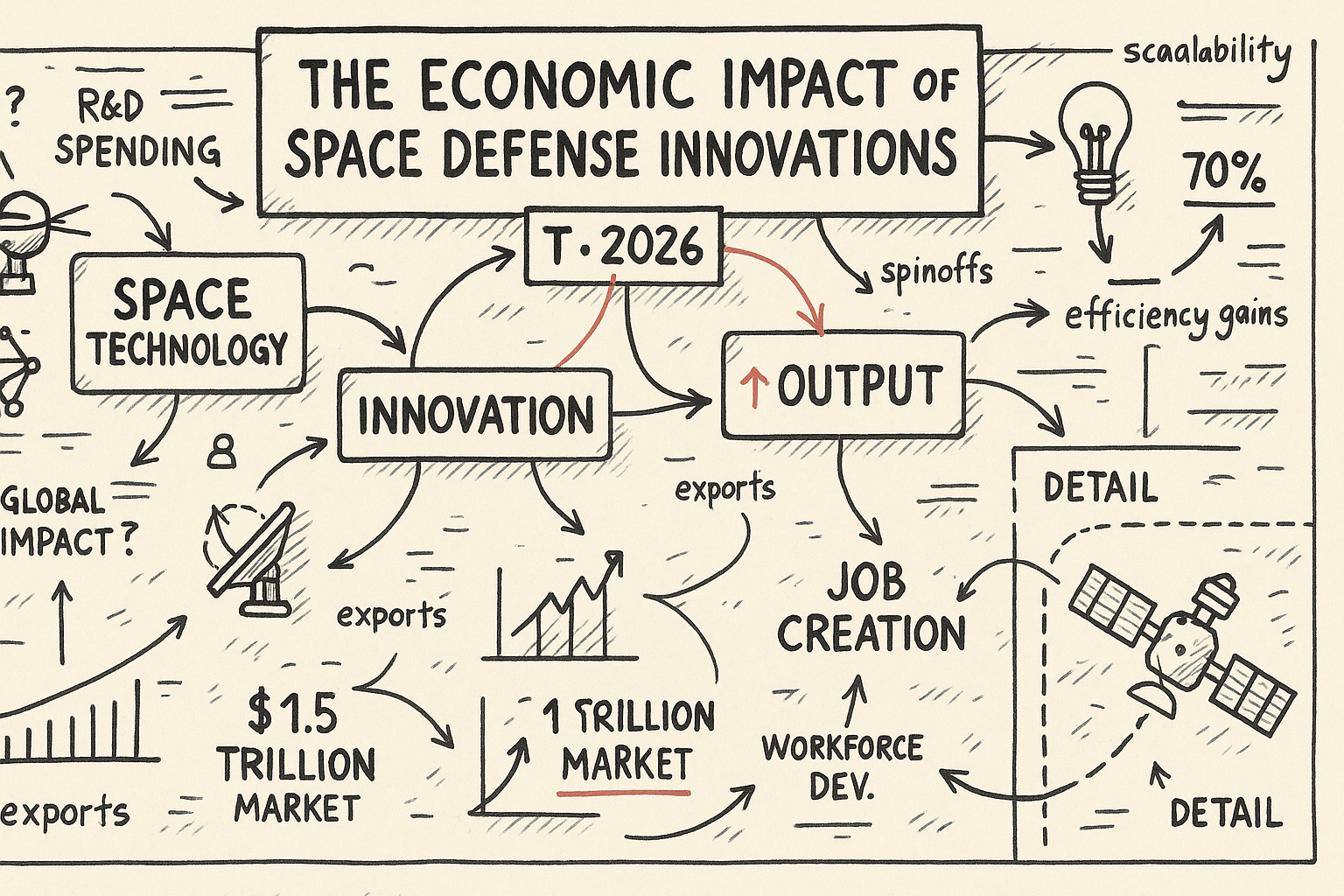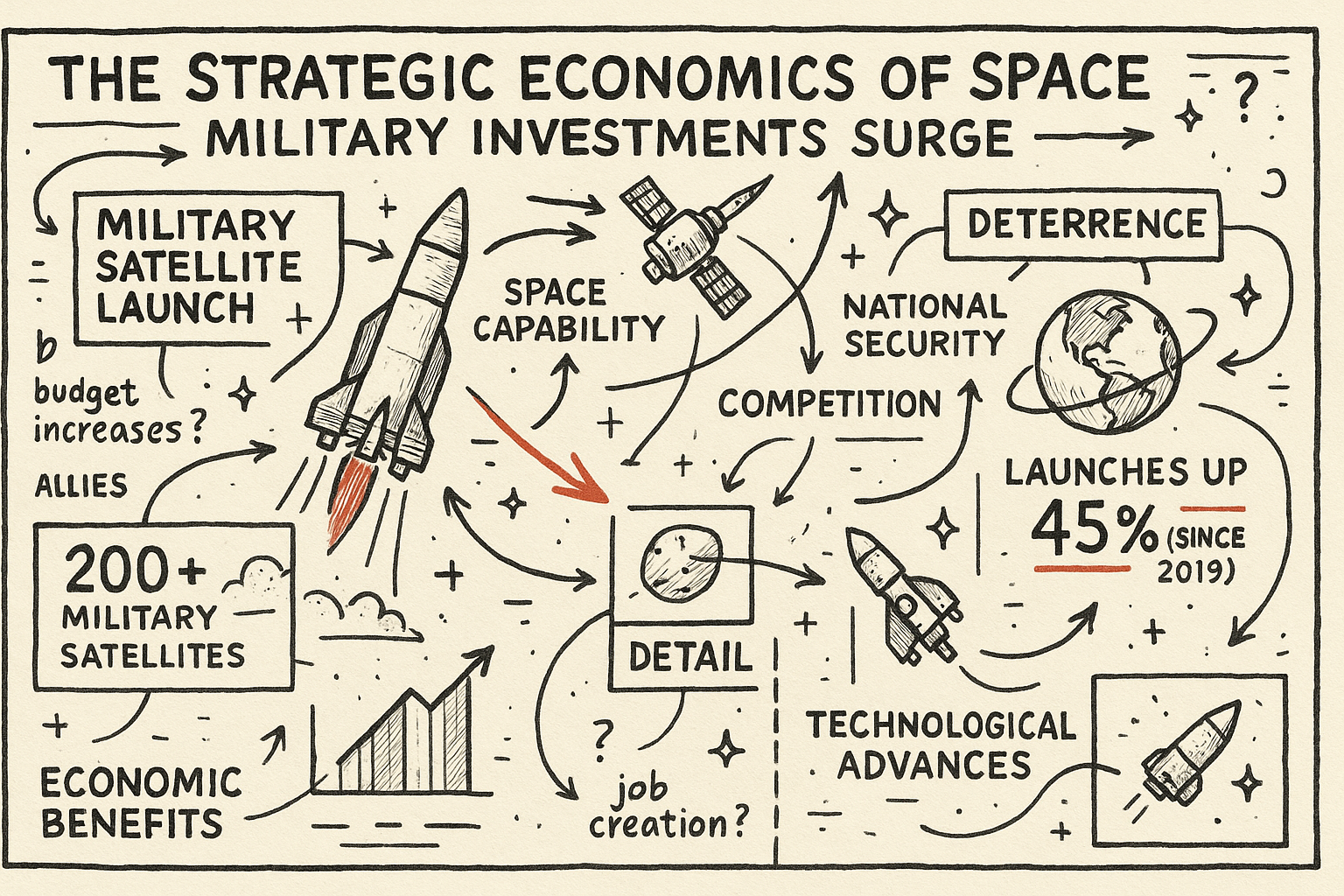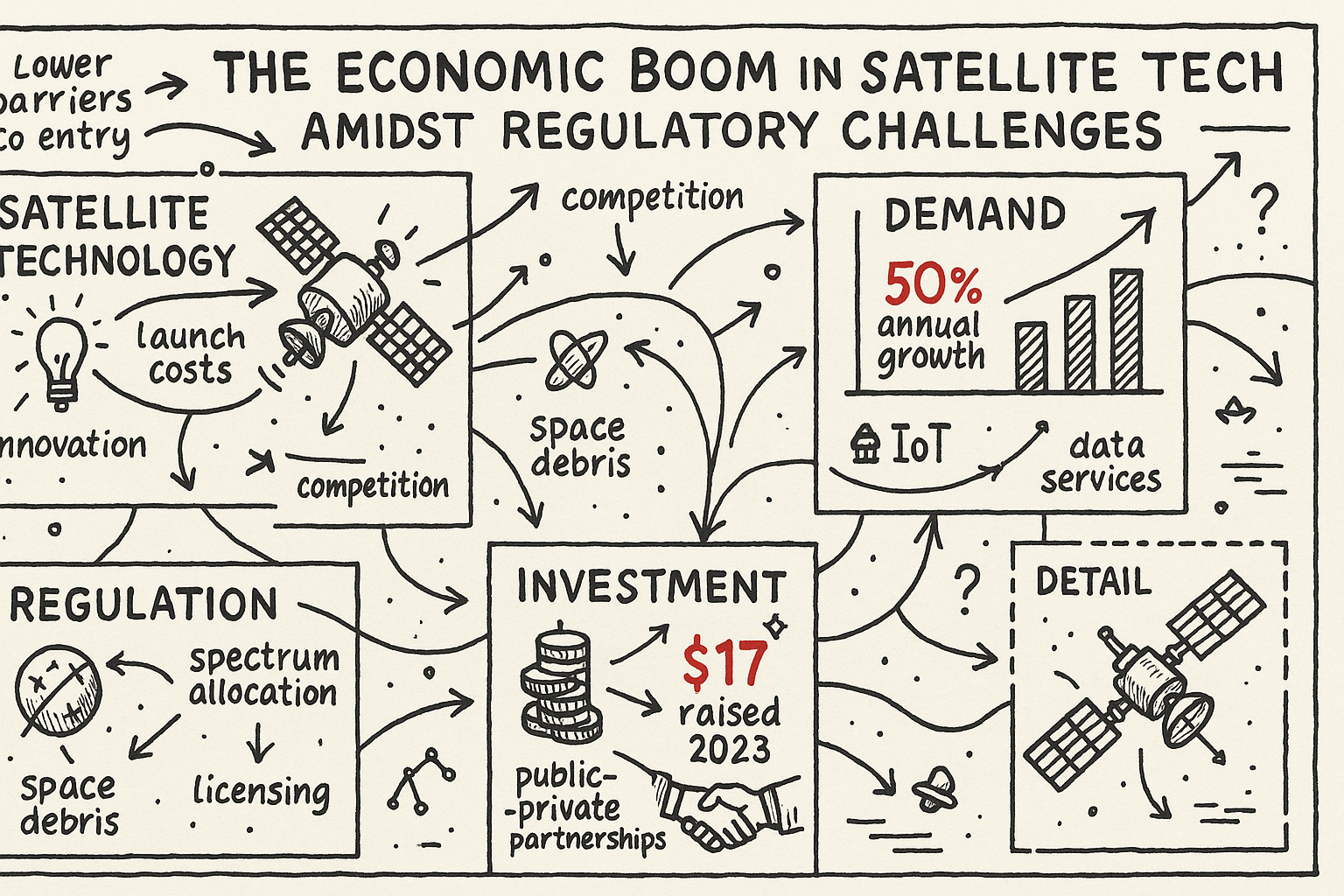
The satellite industry is experiencing a significant economic upswing, driven by a surge in demand for Low-Earth Orbit (LEO) satellite constellations and cutting-edge technologies. Despite facing steep regulatory and cost pressures, companies like Sypris Electronics and Muon Space are flourishing in this dynamic environment. This article delves into recent developments, highlighting how these companies are navigating challenges and what this means for the future of the space economy.
LEO Satellite Constellations: Catalysts for Economic Growth
One of the most prominent trends reshaping the space economy is the proliferation of LEO satellite constellations. Sypris Electronics' recent contract to support a next-generation LEO constellation is a testament to the burgeoning opportunities in this sector. Similarly, Speedcast's implementation of an all-LEO solution for TGS's energy fleet underscores the increasing reliance on LEO satellites for global connectivity and data services (Sources 1, 2).
Manufacturing Resilience in the Face of Challenges
While California remains a hotbed for satellite manufacturing, it is not immune to challenges. Regulatory pressures and rising costs are significant hurdles. Yet, companies like Muon Space are thriving, supported by government and military interest in their innovations (Source 3). This resilience is indicative of a broader trend where the demand for advanced satellite technologies is outweighing these challenges, creating a robust economic ecosystem around space tech manufacturing.
Technological Innovations Driving Demand
The demand for advanced satellite technologies is not limited to LEO constellations. Kratos Defense's introduction of a new tri-band antenna model and the subsequent international interest highlight the global appetite for sophisticated Earth observation capabilities (Source 4). Meanwhile, Katalyst Space's contract with the U.S. Defense Innovation Unit for deorbiting technologies points to a future where satellite sustainability becomes a key economic driver (Source 5).
The Role of Strategic Acquisitions
Strategic acquisitions are another pillar supporting the economic growth of the satellite industry. CesiumAstro's acquisition of Jariet Technologies is a strategic move to enhance its capabilities in delivering communication and sensing systems. Such acquisitions are critical in consolidating technological expertise and expanding market reach (Source 6).
Future Implications and Challenges
Looking ahead, the satellite industry's economic trajectory appears promising, yet it is not without its challenges. The increasing complexity of satellite systems requires continuous innovation, and regulatory frameworks must evolve to keep pace with technological advancements. Moreover, as the demand for deorbiting services grows, companies like those selected by the DIU and SDA for deorbit-as-a-service designs will play a crucial role in ensuring the sustainability of space activities (Sources 5, 7).
The partnership between Astrolight and ATMOS for a laser communications reentry demo further exemplifies the innovative spirit driving the industry forward. It signals a shift towards more advanced communication technologies that could revolutionize how data is transmitted from space (Source 8).
Conclusion
The current economic boom in the satellite industry is a complex interplay of technological innovation, strategic partnerships, and regulatory navigation. Despite challenges, the sector continues to grow, propelled by the increasing demand for LEO constellations and advanced satellite technologies. As we look to the future, the industry's ability to adapt to regulatory pressures and sustain technological innovation will determine its long-term economic impact.