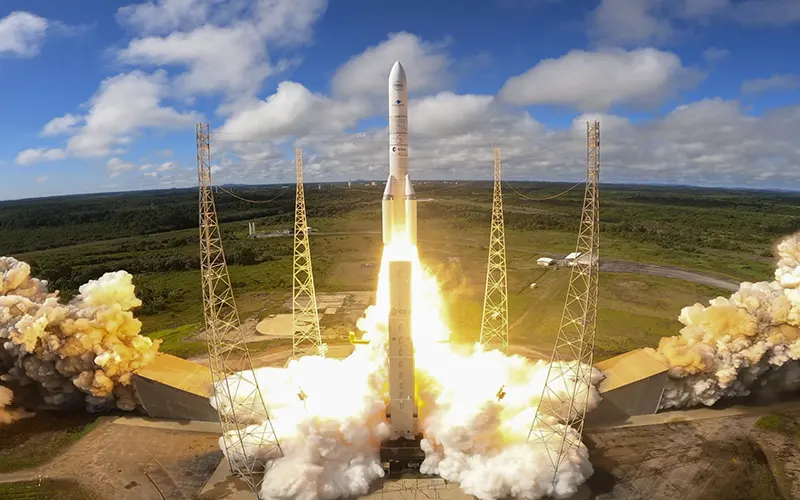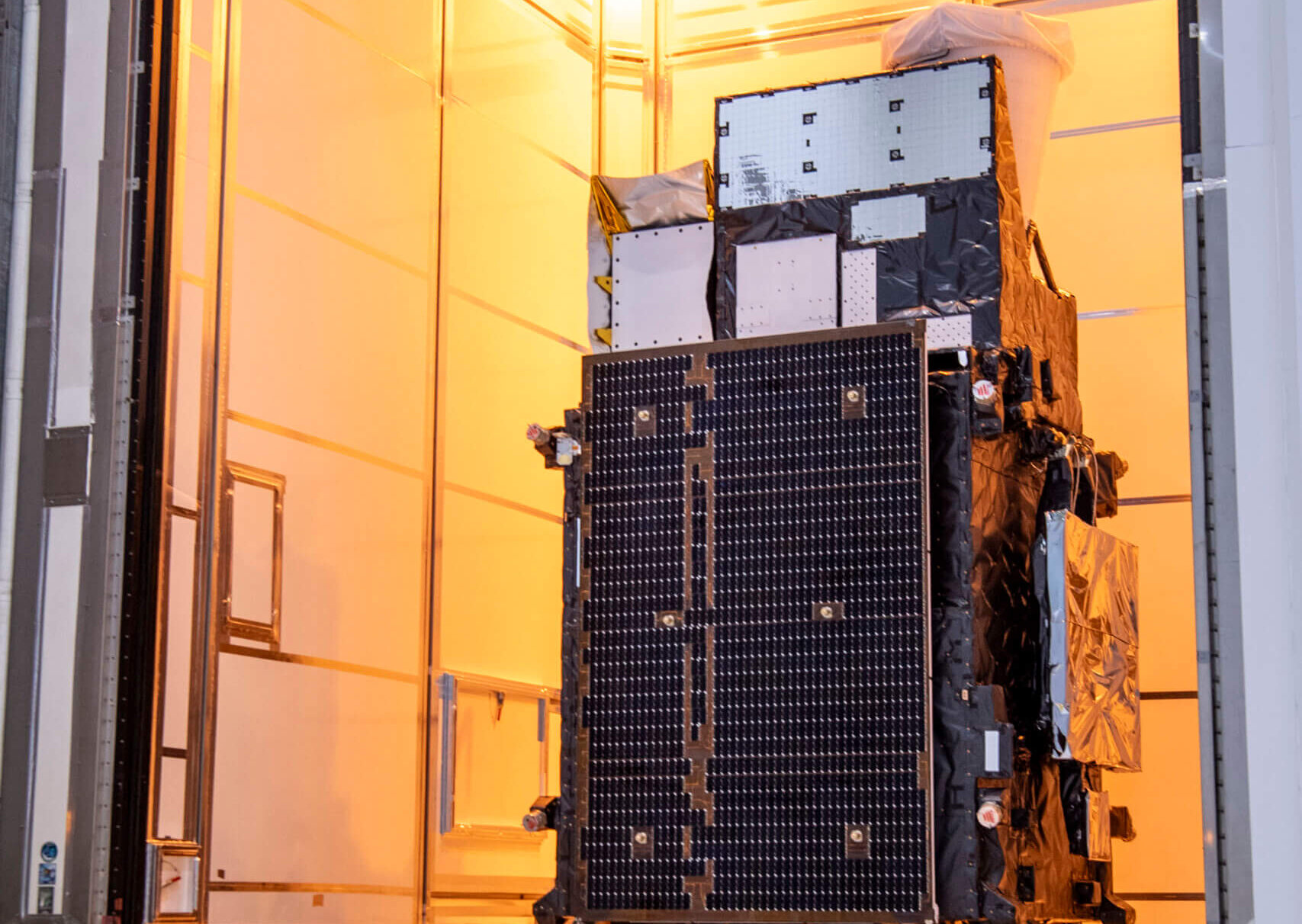
The European space sector is poised for a significant advancement with the launch of the Ariane 62, a variant of the Ariane 6 family, set to carry the Meteosat Third Generation Imager 2 (MTG-I2) from Kourou, French Guiana, on August 27, 2026. This mission represents a critical achievement as it marks the Ariane 62's inaugural journey to geostationary transfer orbit, the farthest it has traveled to date.
The MTG-I2 is a crucial component of the Meteosat Third Generation (MTG) satellite family, which is managed by the European Organisation for the Exploitation of Meteorological Satellites (EUMETSAT) in collaboration with the European Space Agency (ESA). The satellite will enhance weather monitoring capabilities, providing rapid scanning of the European region every 2.5 minutes. This capability is vital for improving weather forecasting and climate monitoring, which are essential for mitigating the impacts of extreme weather events.
The deployment of MTG-I2 is the culmination of a comprehensive program that involved over 2,000 professionals from 70 companies across Europe, highlighting the collaborative efforts that underpin European space endeavors. The MTG program's completion signifies a major milestone in European space technology, promising advancements in meteorological observations and contributing to the global understanding of climate dynamics.
The Ariane 6 program, led by Arianespace, represents a new era in European launch capabilities. Designed to be more cost-effective and flexible compared to its predecessor, the Ariane 5, the Ariane 6 aims to secure Europe's independent access to space. It features two configurations: the Ariane 62, equipped with two solid rocket boosters, and the Ariane 64, which utilizes four boosters, allowing for different payload requirements. The Ariane 62's upcoming mission will serve as a critical test of its capabilities to deliver payloads to geostationary orbits, a key requirement for many commercial and governmental satellite missions.
Thales Alenia Space, the prime contractor for the MTG satellites, has engineered the MTG-I2 with advanced instruments including the Flexible Combined Imager and the Lightning Imager. These instruments will provide unprecedented data on atmospheric phenomena, offering insights into storm development and lightning activity, which are crucial for meteorologists and climate scientists.
The successful deployment of the MTG-I2 will also bolster Europe's position in the global space sector, showcasing its ability to deliver sophisticated satellite systems and launch capabilities. This advancement comes at a time when space technology is increasingly critical for addressing global challenges such as climate change, disaster management, and sustainable development.
The Ariane 6's entry into operational service is expected to enhance Europe's competitiveness in the global launch market, providing a reliable and versatile option for satellite launches. The development of Ariane 6 also reflects a broader trend towards more efficient and sustainable space operations, as the industry seeks to reduce costs and environmental impacts while increasing the frequency and reliability of launches.
Looking ahead, the successful launch of MTG-I2 aboard Ariane 62 could pave the way for future missions that leverage the enhanced capabilities of the Ariane 6 family. As the space industry continues to evolve, the role of European space agencies and companies will be crucial in driving innovation and maintaining Europe's leadership in space exploration and technology.