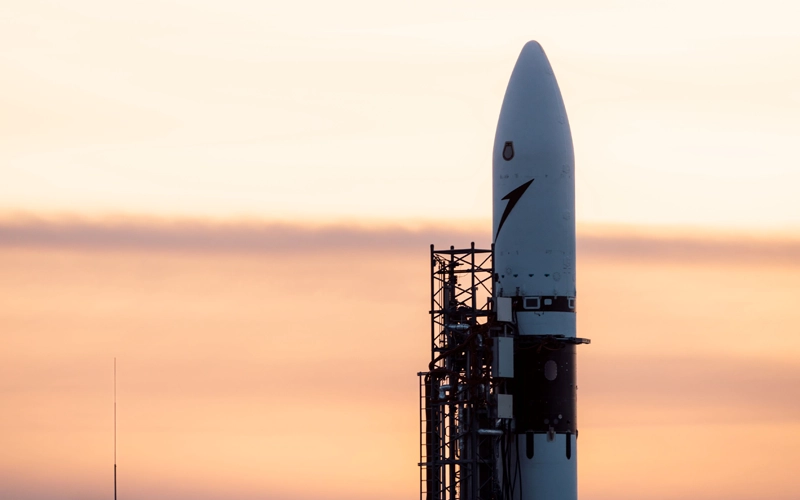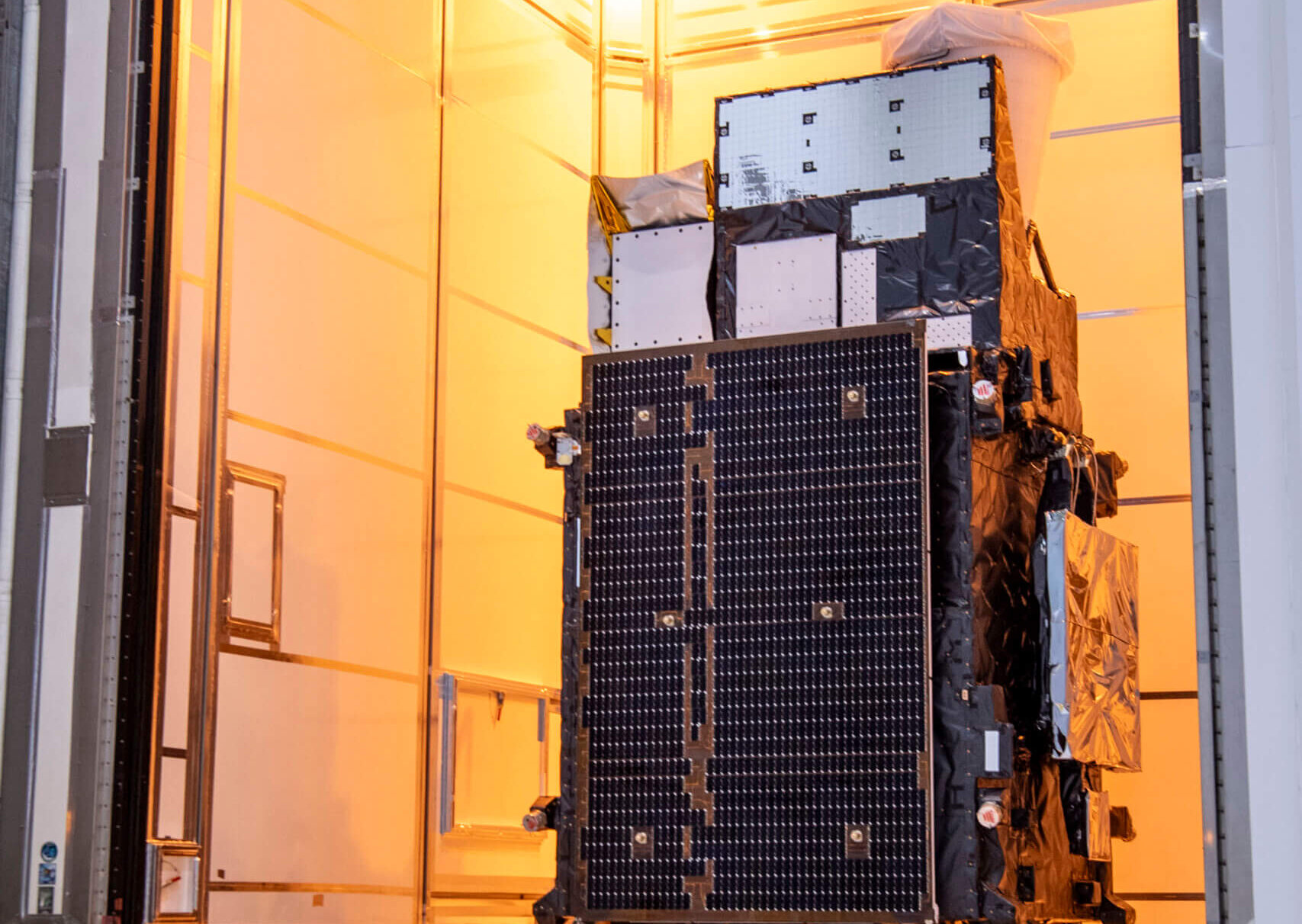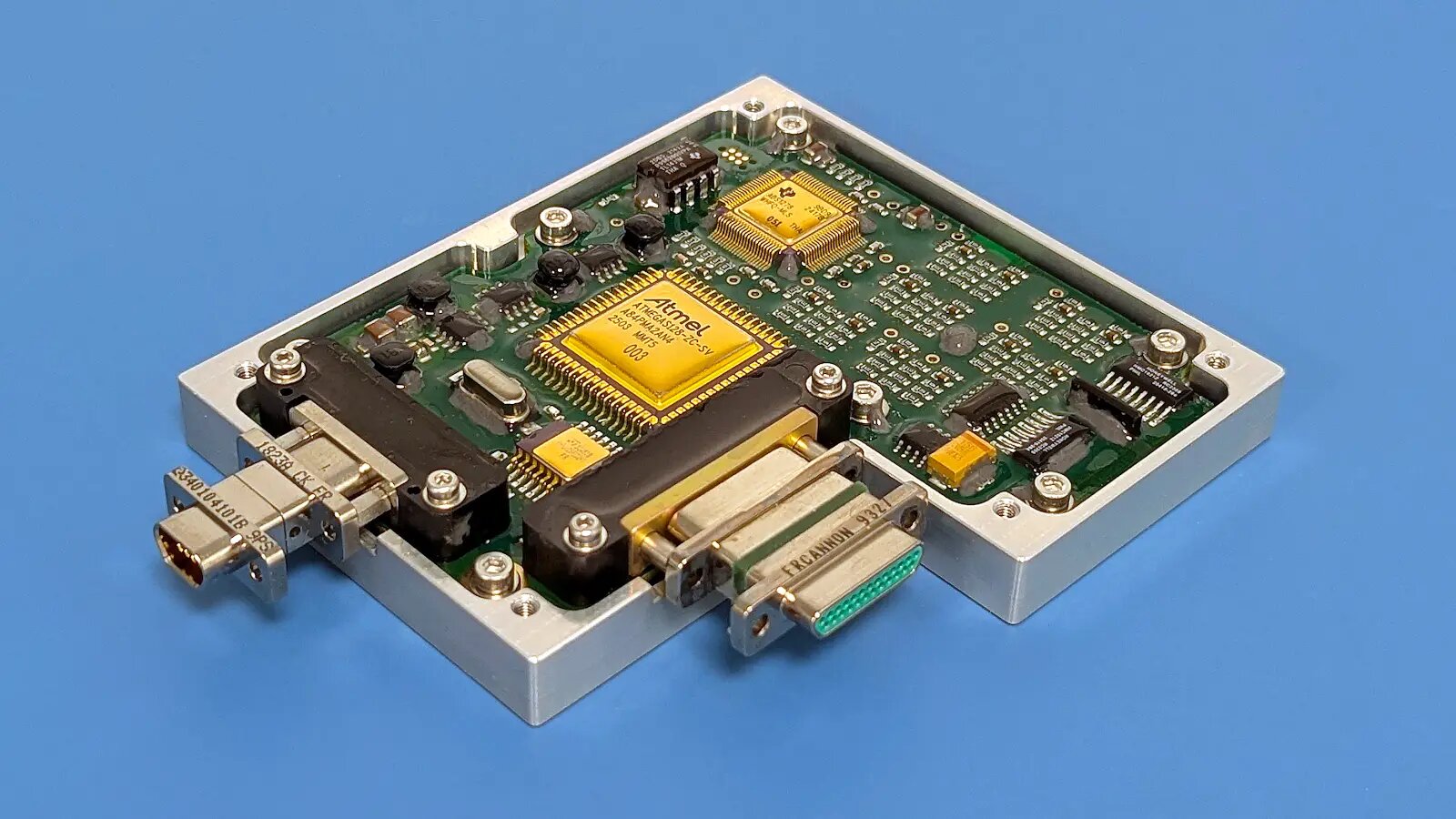
The European Space Agency (ESA) has taken a significant step to bolster Europe's space capabilities by awarding over €500 million in funding to three emerging companies: PLD Space, Isar Aerospace, and Rocket Factory Augsburg. This substantial investment is part of the European Launch Challenge, a strategic initiative designed to enhance the development of European launch services in a competitive global landscape.
In a recent announcement, ESA detailed the allocation of funds among the three companies. Isar Aerospace, headquartered in Germany, received the largest share at €197.8 million, primarily funded by Germany with additional contributions from Austria and Norway. Rocket Factory Augsburg (RFA), another German entity, was awarded €186.9 million, with funding from Germany and the United Kingdom. Meanwhile, the Spanish startup PLD Space secured €158.9 million, backed by Spain and Germany.
The European Launch Challenge aims to support these companies in accelerating their development of reliable and competitive launch services. As part of the challenge, each company must achieve an orbital launch by 2028 to unlock the successive phases of funding, which are contingent on meeting specific milestones. Lucía Linares, ESA’s head of strategy and launches for Space Transportation, emphasized the importance of these contracts, stating, “With these contracts, ESA is turning ambition into action.”
Isar Aerospace plans to use its funding to expedite the development of its next-generation launch vehicles, enhance test and launch infrastructure, and support future missions. This initiative comes on the heels of Isar Aerospace's ongoing efforts to validate its Spectrum vehicle, following an unsuccessful flight in March 2025 and a postponed attempt in June.
Similarly, Rocket Factory Augsburg is set to advance its technology, industrial readiness, and operational capabilities. The company is preparing for the launch of its RFA ONE rocket from the SaxaVord Spaceport in Scotland, although recent testing was temporarily halted due to issues requiring further investigation.
For PLD Space, the funding is a pivotal opportunity to establish a commercial orbital launch service and increase flight frequency through 2030. The company plans to upgrade its Miura 5 launch vehicle to accommodate greater payload capacities and enhance orbital reach, with the ultimate goal of developing propulsive landing capabilities for rocket reusability. This is part of PLD Space's long-term roadmap leading to the Miura Next family of heavy launchers.
The competition among these European startups comes at a critical time when global demand for satellite launches is increasing. The European Launch Challenge not only aims to equip Europe with homegrown launch capabilities but also to position these companies as competitive players in the international market. The success of these ventures could redefine Europe’s role in the space industry, traditionally dominated by established players such as the United States and Russia.
ESA's decision to invest substantially in these companies highlights a strategic commitment to fostering innovation and competition within Europe's space sector. The success of this initiative could lead to greater independence and resilience in European space endeavors, reducing reliance on non-European launch providers and stimulating technological advancements across the continent.
As these companies progress towards their ambitious goals, their advancements will be closely watched by the global aerospace community. The European Launch Challenge represents not only a financial investment but a significant leap towards a more self-reliant and competitive European presence in outer space.