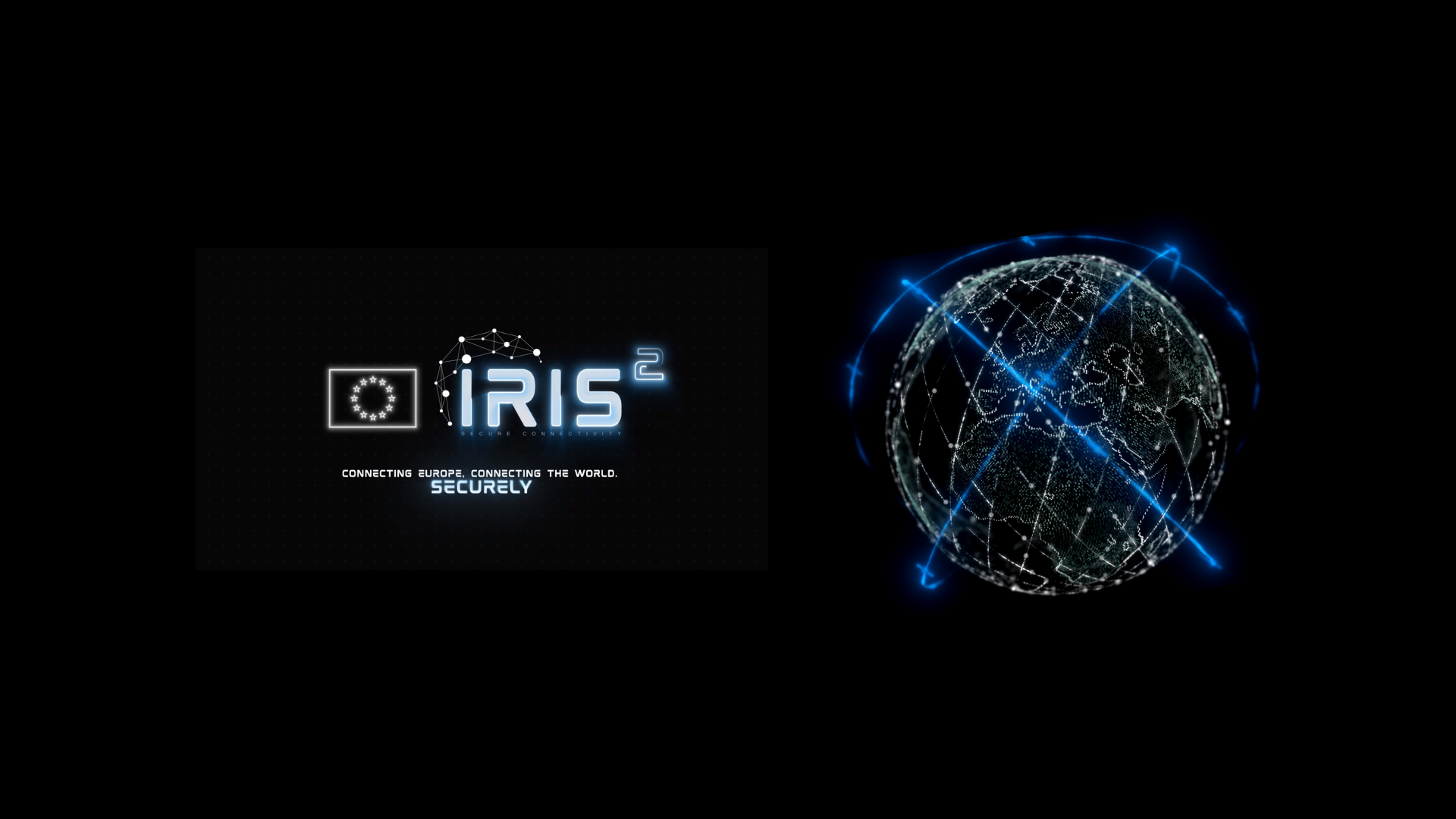
IRIS², the European Union’s ambitious Infrastructure for Resilience, Interconnectivity, and Security by Satellite program, is making significant strides towards its initial deployment. On August 7, 2026, the European Commission and the European Space Agency (ESA) finalized negotiations with the SpaceRISE consortium, composed of Eutelsat, HispaSat, and SES, marking a pivotal step in rolling out this secure satellite constellation.
Under the new agreement, HispaSat has been appointed as the prime contractor for the program's ground segment, with initial satellite launches set for 2029. The constellation aims to enhance Europe’s strategic autonomy by providing sovereign, secure, and reliable connectivity across the continent. This initiative reflects the EU's response to a rapidly evolving global security environment.
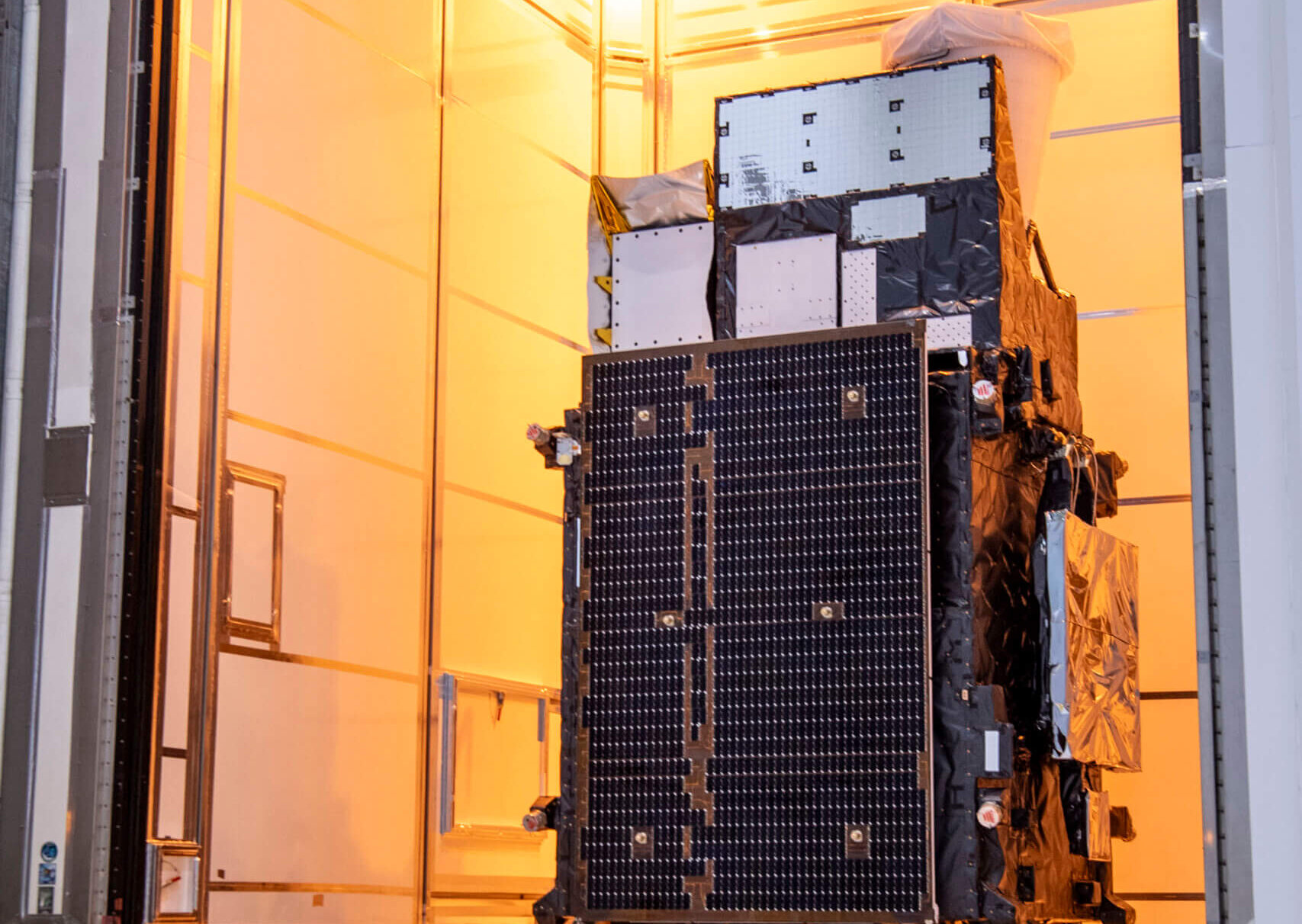
The planned constellation has expanded significantly from its original design. Initially set to comprise 290 satellites, it now envisions 348 satellites, including 330 in low Earth orbit (LEO) and 18 in medium Earth orbit (MEO). This expansion enhances the system's resilience and capacity, particularly for governmental, defense, and emergency services. The additional 66 satellites in LEO are designed to bolster security capabilities, increasing secure governmental capacity by 60% within the EU and by 54% globally.
ESA’s Role and Industrial Contributions
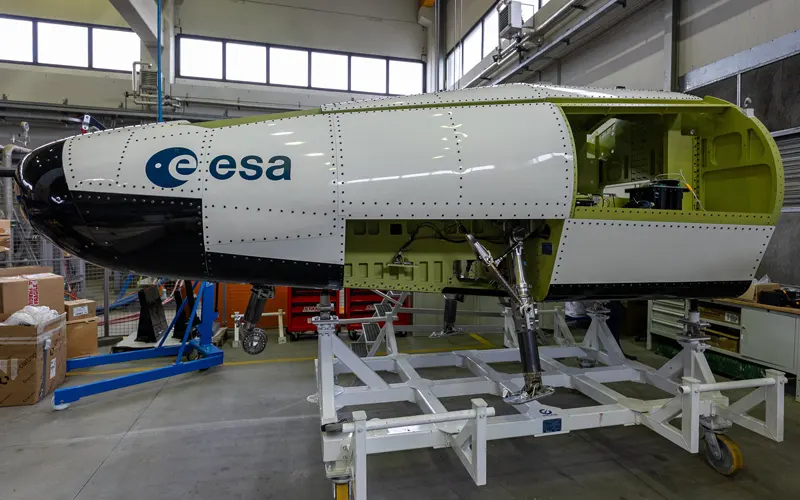
The European Space Agency plays a key role in the technical implementation of IRIS², overseeing the constellation's development, qualification, and in-orbit validation. This collaboration aims to translate the program’s strategic ambitions into industrial delivery, ensuring Europe’s competitiveness and technological leadership in space.
The total planned investment for IRIS² now exceeds €15.6 billion, with €11.6 billion sourced from public funding by the European Commission and ESA. The industrial partners, HispaSat, SES, and Eutelsat, are collectively investing up to €4 billion. SES, in particular, has committed up to €1.35 billion to develop the MEO segment, which includes designing and integrating high-throughput digital processing payloads to support encrypted multi-orbit connectivity.
Milestones and Future Steps
The recent completion of the Rendez-vous 1 (RDV1) milestone by SES marks the transition from planning to active satellite manufacturing. This milestone established the technical baseline and cost allocations for the MEO segment, setting the stage for manufacturing, ground segment integration, and user terminal development.
Looking ahead, the consortium and its partners are focused on finalizing the satellite constellation’s detailed design, constructing the satellites and secure ground infrastructure, and securing launch services. The progressive deployment of operational connectivity services is expected to begin in 2030.
Implications and Strategic Significance
IRIS² represents a significant leap forward in securing Europe’s communications infrastructure against emerging threats. By ensuring a sovereign and reliable connectivity system, the EU is strengthening its strategic autonomy, reducing dependence on non-European satellite networks, and enhancing its ability to manage crises independently.
This initiative aligns with broader geopolitical strategies to bolster Europe's defense and security frameworks. As the IRIS² project progresses, it will not only affirm Europe's commitment to technological innovation but also its role as a leader in global space initiatives.