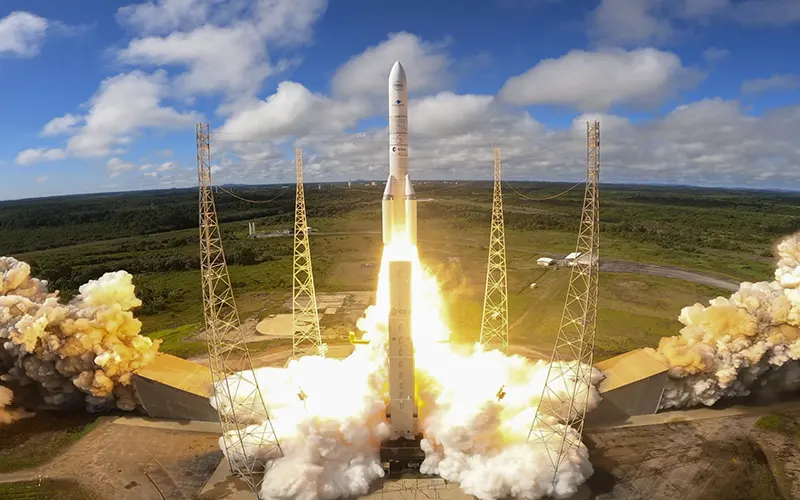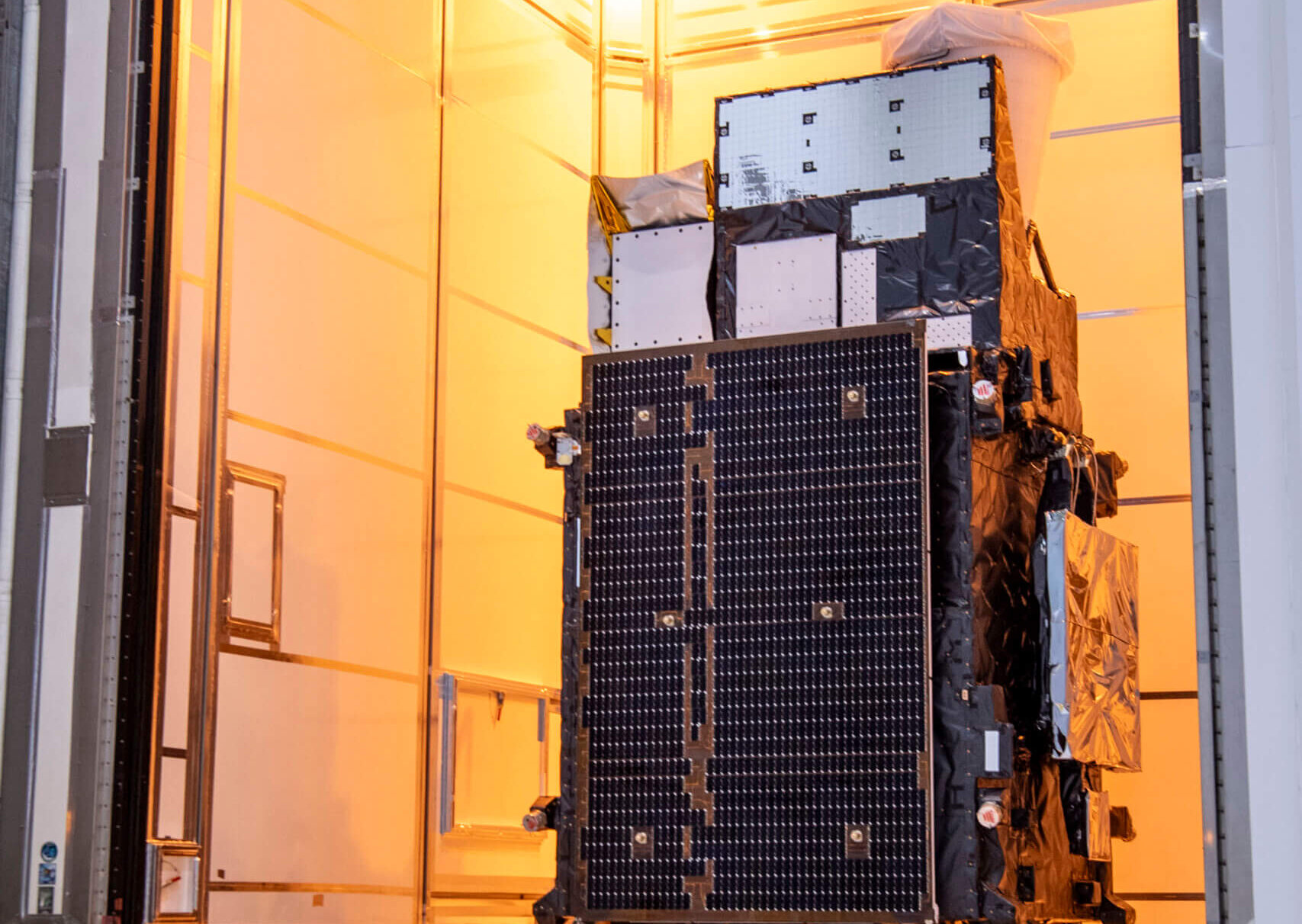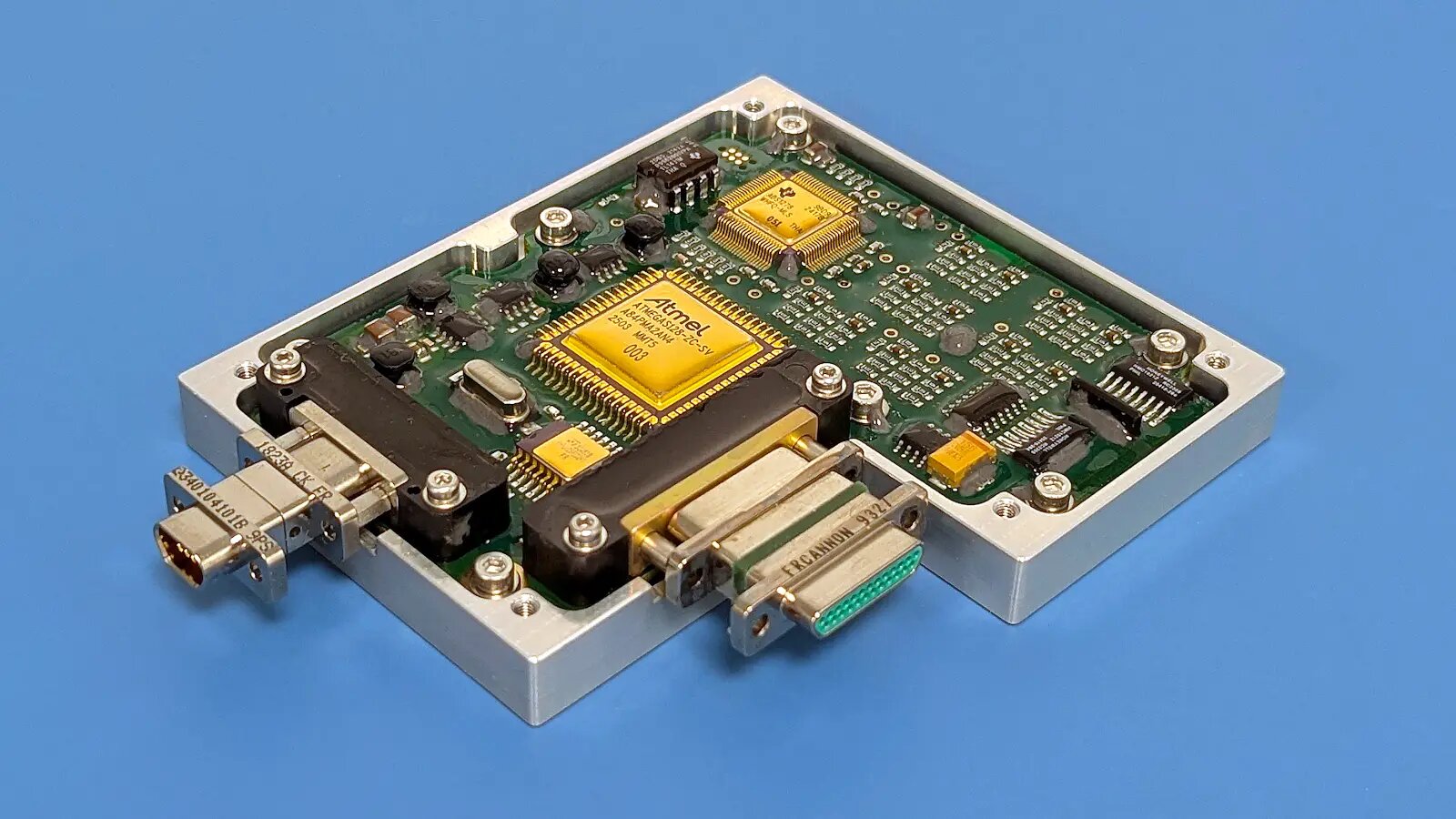
In the realm of space weather forecasting, a significant leap forward is on the horizon with the European Space Agency's HENON mission. Scheduled for launch in early 2027, this mission includes a pivotal component: the UK-built MAGIC (MAGnetometer from Imperial College) instrument. The goal of HENON and MAGIC is to drastically extend the warning time for solar storms from the current 15 minutes to potentially three hours, offering a crucial window for mitigating the impacts of these powerful space phenomena.
Solar storms, caused by solar flares and coronal mass ejections (CMEs), can have profound effects on Earth. These storms can disrupt satellites, communication systems, navigation networks, and power grids by triggering geomagnetic storms. While current technology allows scientists to predict when a CME might reach Earth, accurately determining the severity of its impact remains a challenge. This is due to the difficulty in measuring the magnetic field within a CME as it travels through space.
Presently, space weather forecasting relies on data from spacecraft located at the Sun-Earth L1 Lagrange point, approximately 1.5 million kilometers (930,000 miles) from Earth. This position offers only a brief warning period of about 15 minutes for the fastest CMEs. The deployment of the MAGIC instrument, however, is set to change this by measuring the Sun’s magnetic field much further upstream, providing a significant advancement in warning capabilities.
Jonathan Eastwood, a professor of space physics at Imperial College London, presented this groundbreaking research at the Royal Astronomical Society's National Astronomy Meeting in Birmingham. Eastwood highlighted the potential of the HENON mission to dramatically improve how we respond to severe space weather events. By extending the warning time, there is a greater opportunity for taking precautionary measures to protect vital infrastructure and systems on Earth.
The importance of this advancement is underscored by recent studies suggesting that the risks posed by solar storms might be underestimated. Research led by Dr. Nithin Sivadas of NASA's Goddard Space Flight Center, published in the journal Nature, indicates that the effects of extreme space weather could be more significant than previously thought. This reinforces the need for improved forecasting tools like those being developed in the HENON mission.
Understanding solar activity cycles is another crucial aspect of predicting space weather. Scientists are working on new methodologies to forecast the Sun's activity cycle up to seven years in advance. This long-term forecasting capability could further enhance our preparedness for solar storms by providing insights into future space weather patterns well before they occur.
The implications of enhanced solar storm warnings are far-reaching. In addition to protecting technological infrastructure, they are vital for the safety of astronauts. Exposure to solar radiation poses significant risks to human health, including central nervous system damage and increased cancer risk. Current protective measures, such as passive water shells and active superconducting magnets, have limitations. Thus, extending warning times could play a crucial role in safeguarding crewed missions in deep space.
The MAGIC instrument and the HENON mission represent a significant step forward in space weather monitoring and forecasting. By providing extended warnings of solar storms, they have the potential to transform our approach to managing the risks associated with space weather, ensuring both technological and human safety in an increasingly space-reliant world.