Isar Aerospace completes Spectrum’s second flight, deploys five CubeSats
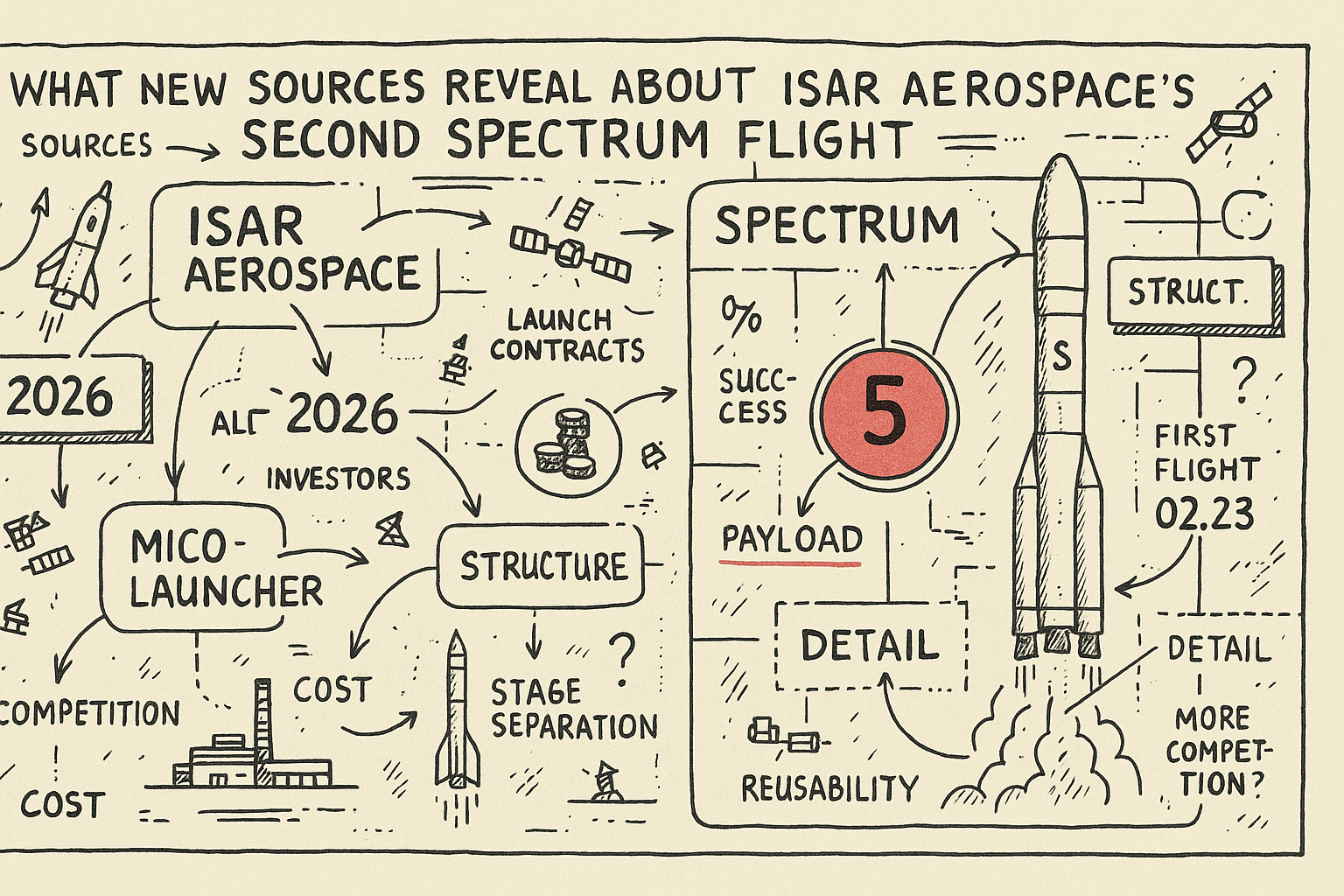
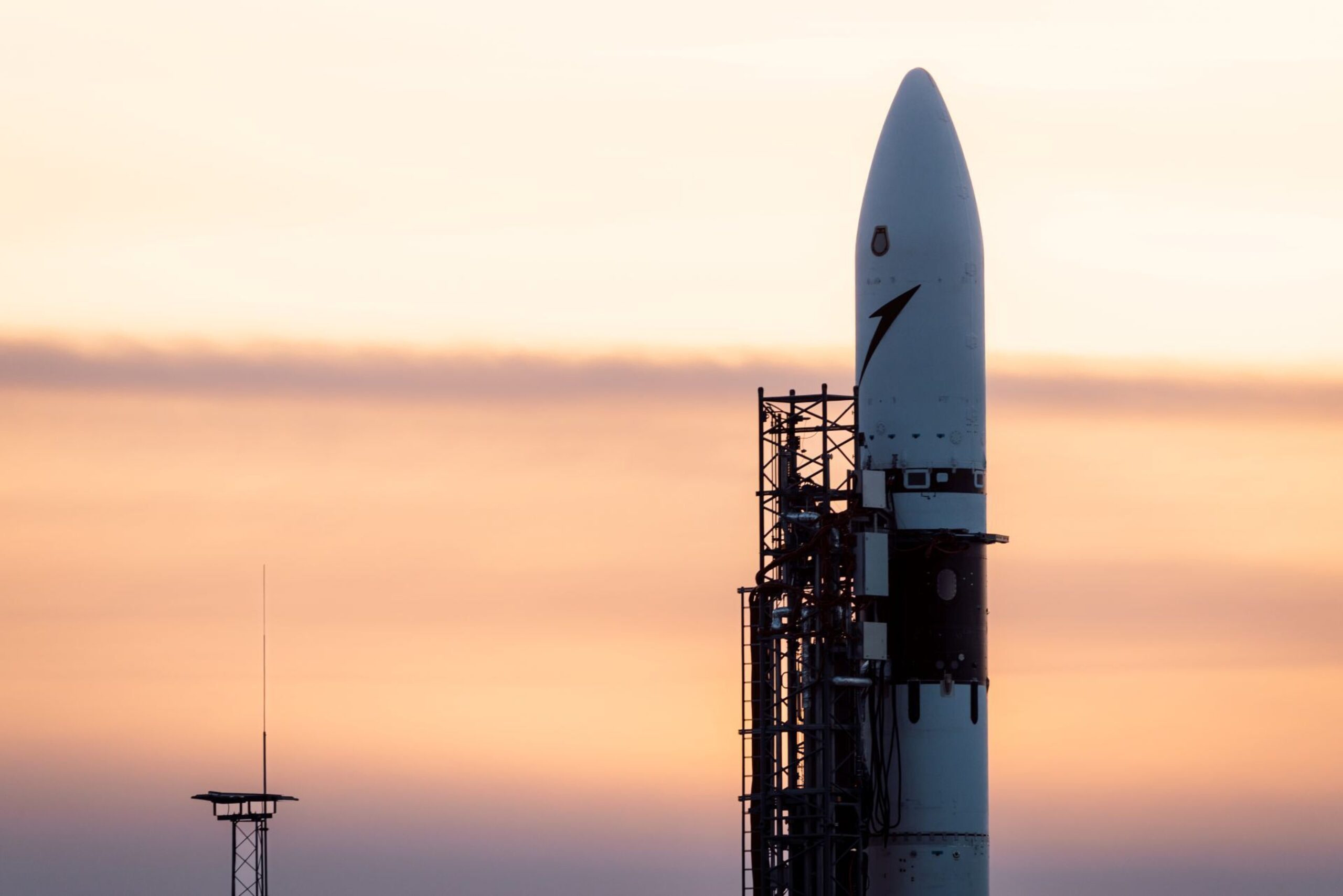
German launch services company Isar Aerospace successfully reached orbit with the second flight of its Spectrum vehicle on 5 September 2026, deploying five CubeSats into low Earth orbit from Andøya Spaceport in Norway. The vehicle, flying the mission named "Onward and Upward," lifted off at 20:12 UTC (22:12 CEST) and completed the mission’s primary milestones: stage separation, upper-stage ignition, fairing deployment and an upper-stage engine cutoff followed by a circularisation burn that placed the payloads into their intended orbit. Isar Aerospace announced at 10:14 UTC that all five CubeSats had been deployed.
The company livestreamed the launch until an expected loss of signal from onboard cameras about 18 minutes after liftoff. Final mission updates were posted on Isar Aerospace’s X account. Isar Aerospace CEO Daniel Metzler described the achievement as delivering "sovereign access to space," saying, "We have entered into a new chapter for European spaceflight. I am incredibly proud of our team, that has made this success story from Europe possible."
This flight is significant on two counts reported across European outlets: it is the first time a privately funded European orbital rocket has successfully reached orbit, and it is the first successful orbital launch from continental Europe. The flight carried six payloads in some accounts — five CubeSats plus one experiment — the latter selected through the German Aerospace Center (DLR) from ESA’s Boost! programme, which supports commercial microlauncher development and helped fund the Spectrum service.
ESA Director General Josef Aschbacher commented on the achievement in a statement quoted by the European Space Agency, noting the launch as "a historical start from the Andøya Spaceport in Norway today – the first launcher of the European Launcher Challenge to reach orbit," and calling Spectrum’s performance an "impressive achievement" for a company founded eight years ago that had received ESA support.
The mission capped a campaign that included multiple aborts and scrubs earlier in 2026. Reports compiled by European Spaceflight and other outlets list aborted attempts dating back to January (a pressurisation valve issue), a March window interrupted by weather and an unauthorised vessel in the exclusion zone, an April halt due to a leak in a composite overwrapped pressure vessel, a June scrub after off‑nominal fluid-system behaviour, and a 4 September attempt that was called off when local road and maritime restrictions were lifted for the day. Isar Aerospace had publicly acknowledged these earlier issues while continuing to refine systems and procedures ahead of this successful flight.
The Spectrum vehicle is described by ESA and reporting outlets as 28 m tall with a 2 m diameter and a design capacity of up to 1,000 kg to low Earth orbit using a first stage with ten engines. The second flight follows a shortened test hop in 2025 that lasted about 30 seconds and demonstrated the rocket could clear the pad — but not reach orbit — during that first campaign.
Isar Aerospace won selection and support through ESA’s Boost! programme and the German DLR microlauncher competition for the payloads flown on this mission. Industry coverage also notes the company’s plans for rapid production scaling: Metzler and company statements referenced vehicles three to seven already in production and the construction of a new production facility intended to support up to 40 rockets per year on a 40,000 m² site. Isar has also signalled a busy manifest, with commercial customer agreements under discussion and follow‑on missions being prepared.
Putting this flight in context using NovΔ mAInd's launch data: Isar Aerospace shows 1 launches tracked, 100% success rate, first flight 2026-09-05, most recent 2026-09-05, 1000 kg to LEO, and the launch Spectrum | Onward and Upward was scheduled 2026-09-05 and it flew successfully into a Sun-Synchronous Orbit, operator Isar Aerospace.
European outlets emphasise the broader strategic angle: a privately funded continental European company demonstrating an orbital capability strengthens independent access to space for European institutions and industry. The success will be watched closely by ESA, national agencies and commercial customers as Isar moves from demonstration to routine operations — a transition that involves industrialising production, ensuring high flight cadence and maintaining reliability under commercial service contracts.
Future implications include continued competition in the small‑launcher market and potential commercial launches for international customers. SpaceWatch.Global and other trade outlets note Isar’s emerging manifest includes missions such as debris‑removal demonstrations and commercial rideshares, and that Isar has already signed follow‑on agreements in the sector. The company’s ability to scale to the tens of launches per year it has proposed, while maintaining quality and addressing preflight anomalies, will determine whether Spectrum moves from a qualification success to a sustainable commercial service.
For now, Spectrum’s second flight closes a chapter of repeated scrubs and opens a new one in which a privately funded European launcher has reached orbit from continental Europe, carrying CubeSats and ESA‑backed experiments into orbit and drawing attention to the evolving European launcher landscape.