Isar Aerospace’s second flight of its Spectrum rocket lifted off from the Andøya spaceport in Arctic Norway on Sept. 5, 2026, following a campaign that included multiple slips and a scrubbed attempt earlier in September. New sources add detail on the payload mix carried on that flight, the vehicle’s development context, and the lead-up to the successful launch.
Payloads and programme backing
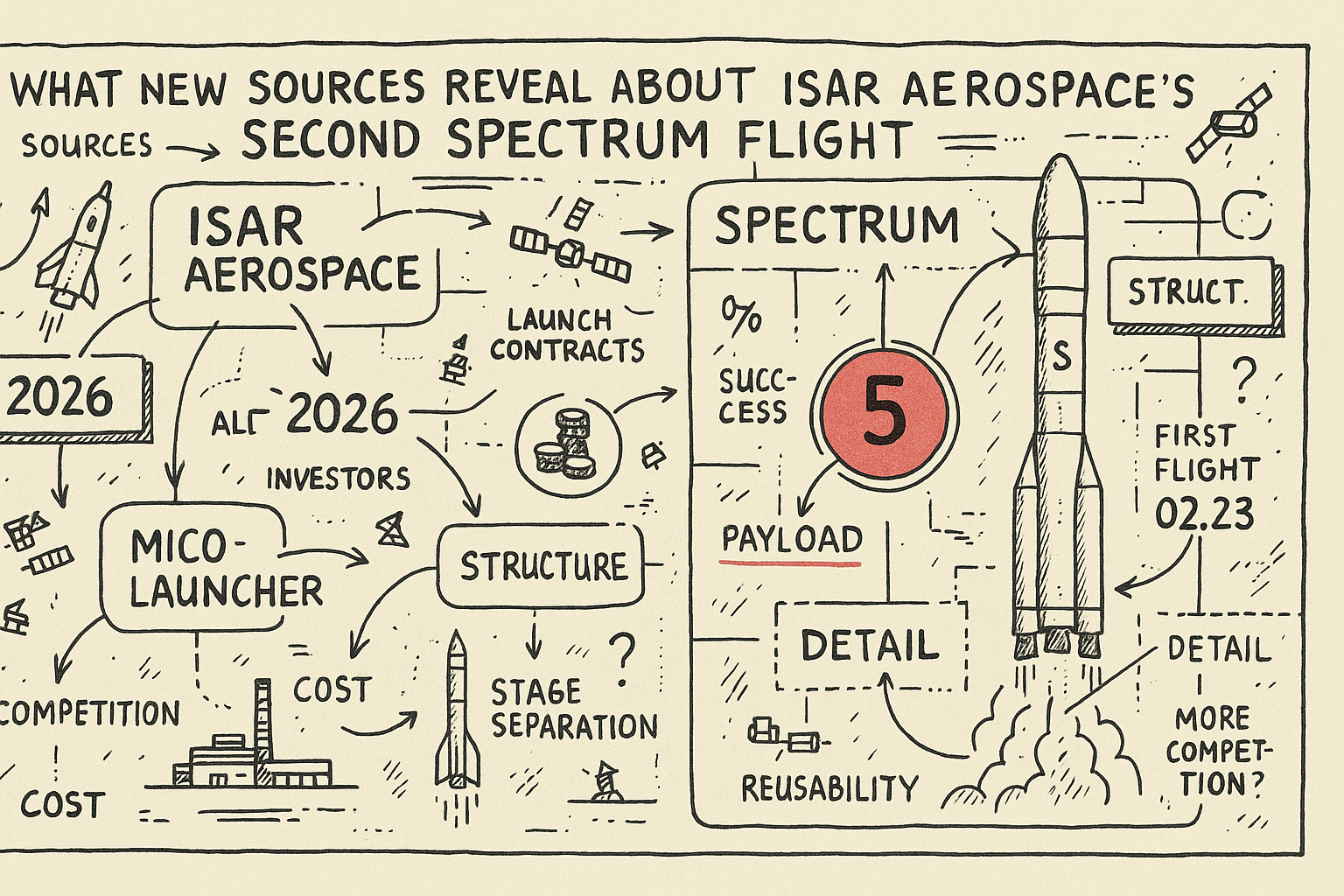
Unlike Spectrum’s inaugural test flight, the second mission — flown under the name "Onward and Upward" — was the first to carry customer hardware. The vehicle carried five CubeSats and one experiment selected through the German Space Agency at DLR's first Microlauncher Competition, run under ESA’s Boost! programme. That selection connects Isar Aerospace’s qualification flight directly to European microlauncher efforts and DLR/ESA support for small-launch capability.
Vehicle and performance details reported
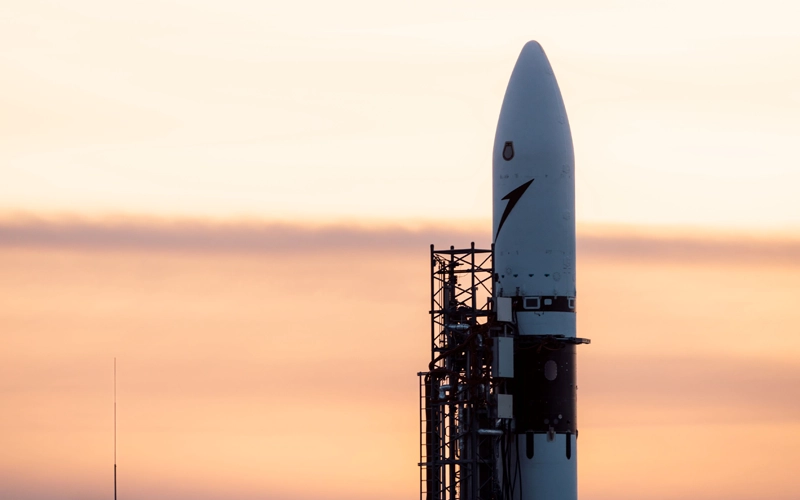
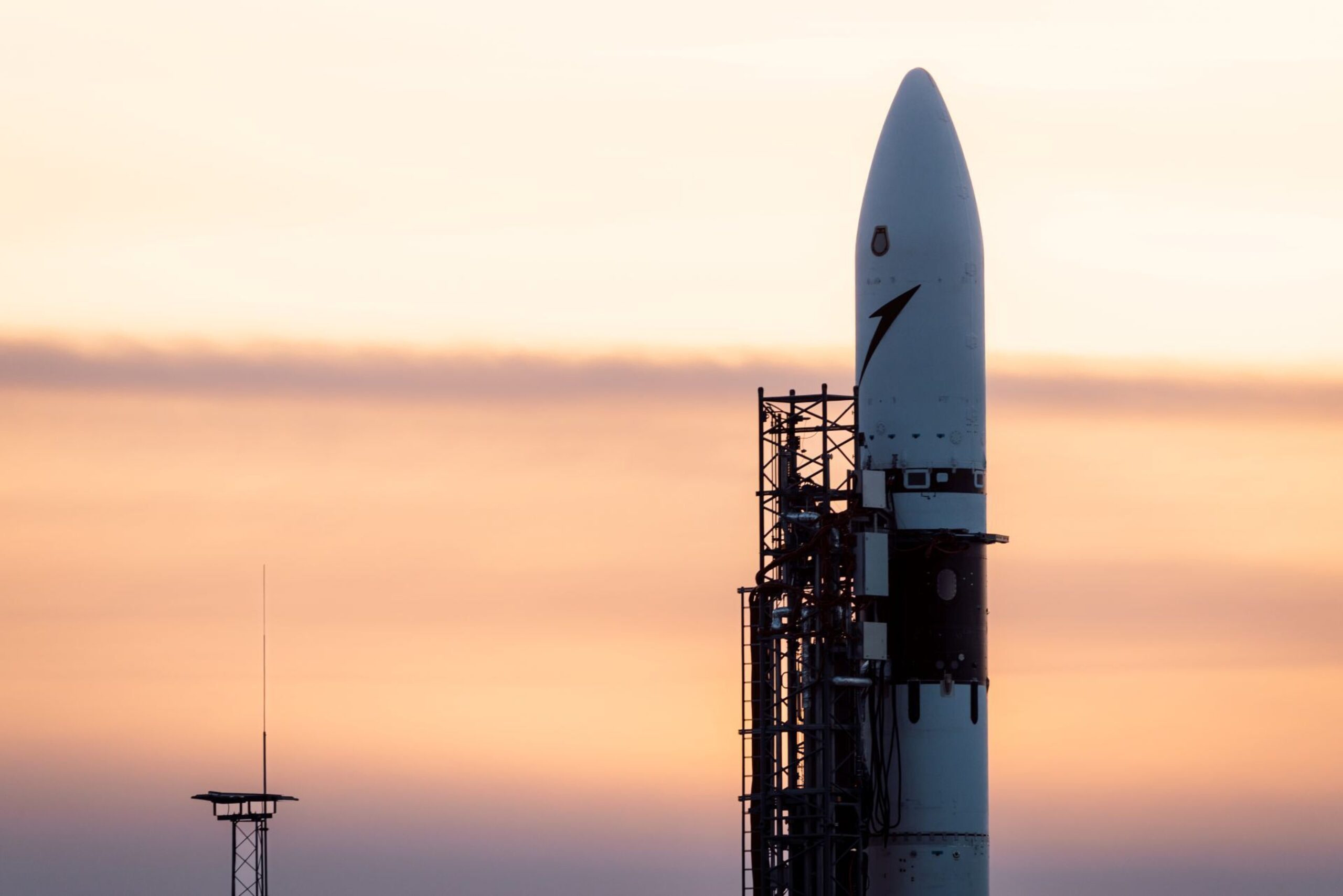
Independent reporting reiterates Spectrum’s basic dimensions and design choices that frame the flight’s significance. The vehicle is 28 metres tall and 2 metres in diameter. Publicly available technical descriptions state Spectrum is designed to deliver up to one tonne of payload to low Earth orbit. Reporting in German outlets notes the rocket uses carbon-fiber-reinforced plastics for mass savings and that it is a two-stage vehicle powered by Isar-developed Aquila engines; the first stage is reported to use nine engines rated at 75 kN each, while the second stage uses one engine rated at 95 kN. The engines are reported to burn propane and liquid oxygen in a gas-generator cycle, with complex parts produced via 3D printing.
Campaign timeline and scrubs
Newly surfaced coverage fills in the often-fractured launch campaign. Isar Aerospace’s first Spectrum flight occurred on March 30, 2025. Plans for the second flight stretched over many months: the vehicle’s first- and second-stage hardware were reported delivered by Nov. 13, 2025, and a static fire of both stages was described as a milestone achieved shortly before a planned December window that was later delayed. German reporting indicated a planned launch date of Jan. 21, 2026, at 21:00 CET at one stage of the campaign, but the overall campaign continued into 2026.
In early September 2026 the company appeared to attempt a launch on Sept. 4 but scrubbed that attempt hours after launch-related road closures and maritime restrictions around Andøya were activated. Nordland Police initially announced land and maritime traffic restrictions at 10:39 CEST on Sept. 4 tied to a planned rocket launch, and the land restriction including road closures was due to remain from midday until midnight. That road restriction was lifted at 14:25 CEST, and with it the launch attempt for that day was called off; the broader approved launch window remained open until Sept. 10.
Successful lift-off and context
The successful lift-off reported on Sept. 5, 2026, at 22:12 CEST (20:12 UTC) was framed by outlets as a milestone for Isar Aerospace and for Europe’s effort to boost independent access to space. Isar Aerospace described the rocket as 28 metres long when reporting the event. Coverage highlights that this second flight both served as a qualification mission and carried the first customer payloads following the company’s initial test flight.
Taken together, the newly surfaced reporting underscores how Spectrum’s second flight combined technology demonstration, commercial payload delivery and formal programme support via DLR and ESA’s Boost! initiative. It also documents the stop-start nature of the campaign — static-fire milestones, delivery of stages in late 2025, a scrubbed Sept. 4 attempt and the eventual Sept. 5 launch — that preceded the qualification flight carrying CubeSats selected through a formal German microlauncher competition.