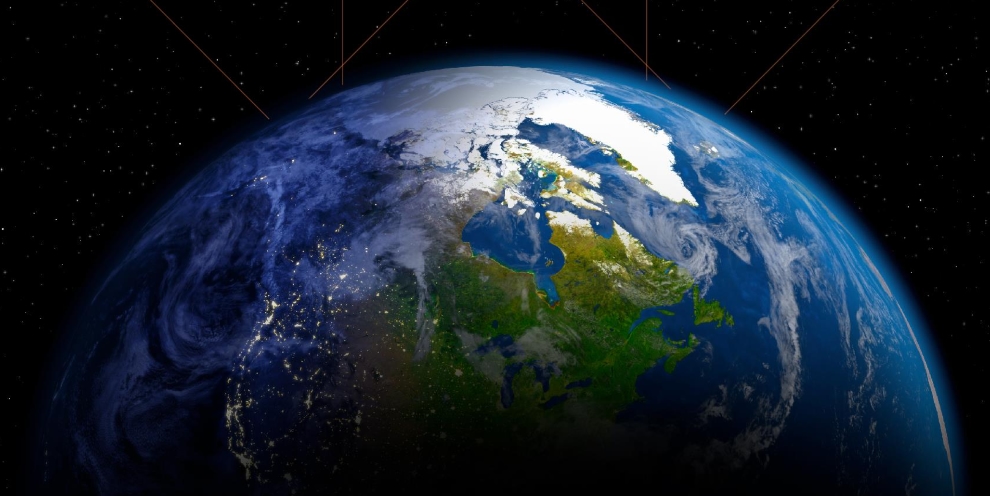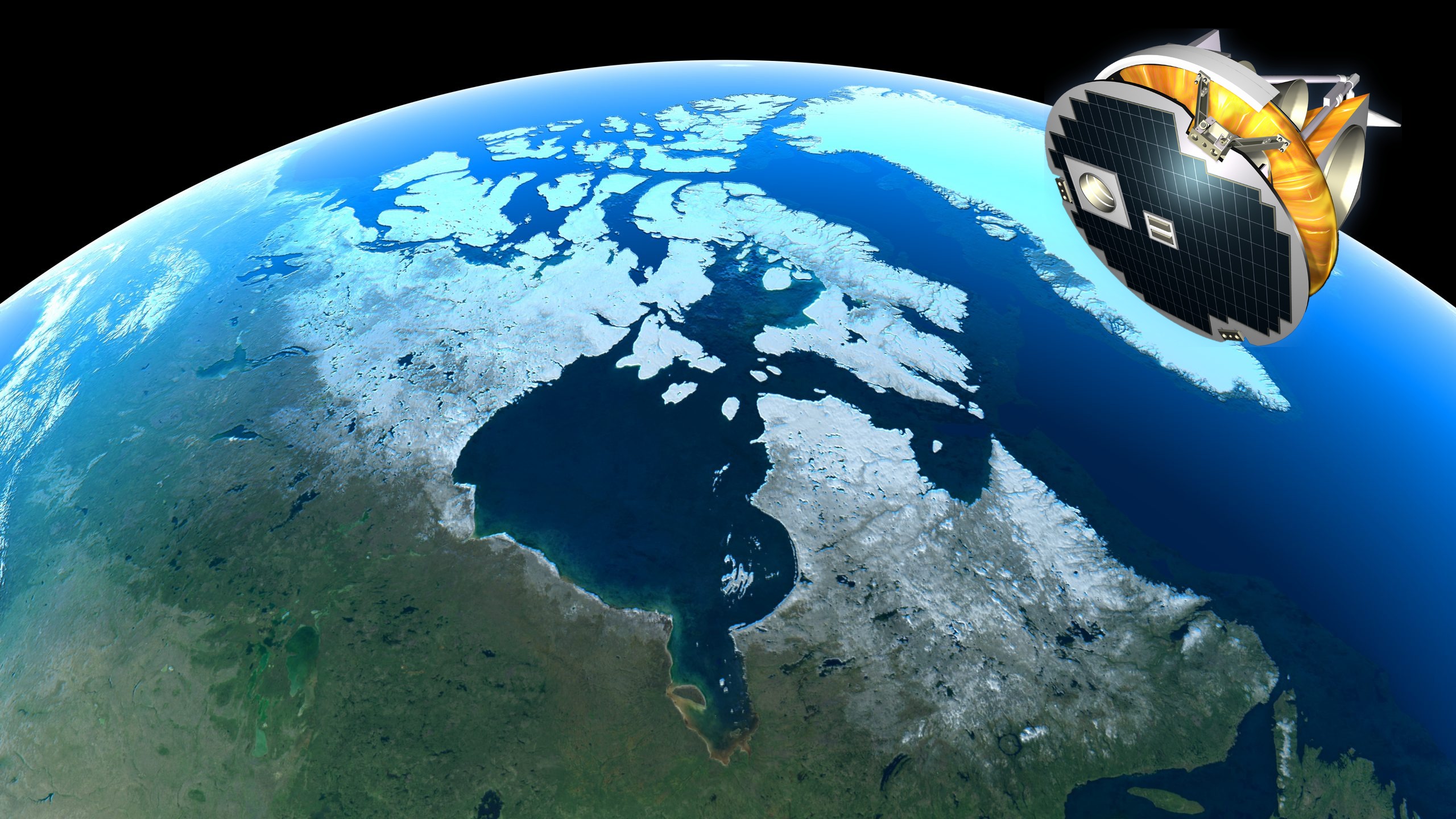
The Canadian Space Agency (CSA) said on X on Tuesday that it has awarded a $2.6-million contract to the University of Saskatchewan (USask) to develop Osiris-3, a compact spectrometer that will fly on the CubeSat Mission 1 (CM-1), a 16U satellite, and measure ozone, nitrogen dioxide and aerosols by observing sunlight scattered along Earth's horizon.
How Osiris-3 will read the atmosphere's edge
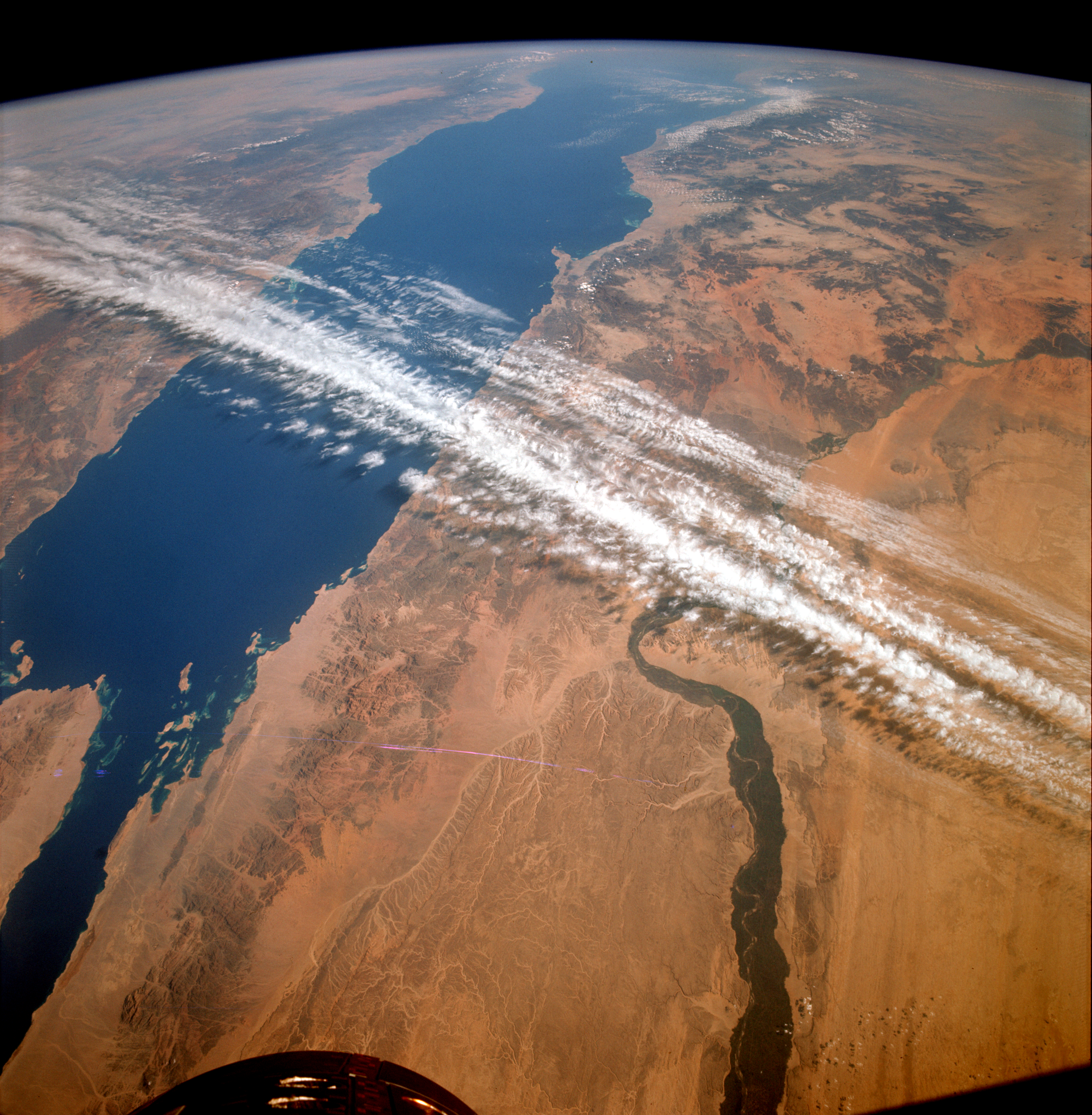
Osiris-3 succeeds the Optical Spectrograph and InfraRed Imaging System (OSIRIS), which operated on Sweden's Odin satellite from 2001 until earlier in 2026. The new instrument will look at the limb, the atmosphere's edge as seen from orbit. It measures the spectrum of scattered sunlight to work out how ozone, NO2 and aerosols, the fine particles suspended in the air, vary with altitude. The CSA said the mission will validate the instrument and help determine whether smaller, lower-cost satellites can contribute to long-term atmospheric monitoring.
The CSA lists CM-1 as a 12-month mission scheduled to launch in 2029. The USask team estimates the instrument's optics would weigh about 2 kilograms and draw 15 to 20 watts on a CubeSat.
The design has already been flown in a smaller form. A $100,000 grant in 2022 under the CSA's Flights and Fieldwork for the Advancement of Science and Technology (FAST) program paid USask to build a prototype sized for a 6U CubeSat. In June 2024 that prototype flew on the first transatlantic stratospheric balloon flight by CNES, the French space agency, launched from Kiruna, Sweden. It took measurements from above 30 kilometres for nearly four days before the balloon landed on Baffin Island.
A sole-source award, with roles split between USask and the CSA
The CSA posted an advance contract award notice for the work, which closed Aug. 30. The notice told other suppliers the agency planned to award the contract to USask without competition unless another firm showed it could do the work. It estimated the value at $2.5 million to $3 million, including options, over about 36 months. That covers the instrument's design, construction, testing and support through mission operations.
The notice said USask is the only supplier able to do the work. It developed Osiris-3, holds the rights to its design and the know-how behind it, and understands the instrument's design, calibration and operation well enough to finish building, testing and running it. Bringing in another supplier would add cost, delays and technical risk, the notice said.
USask's Adam Bourassa is principal investigator on Osiris-3, and Doug Degenstein is co-investigator. The CSA will integrate Osiris-3 with the satellite, run system-level testing and operations, and procure the launch. A separate contractor will supply the satellite platform. USask opened a request for quotes on Nov. 13 for a camera system for CM-1, with bids due Dec. 9.
Replacing an ozone record as older instruments retire
OSIRIS launched on Odin in 2001 on a mission planned to last two years. Canada used its data, along with data from the CSA's SCISAT satellite, in its 2024 national ozone report to the United Nations.
Odin had no onboard propulsion to raise its orbit. The Swedish Space Corporation reported that drag from the upper atmosphere pulled it down from about 600 kilometres to 450 kilometres by last year. According to satellite tracking records, the satellite burned up on Aug. 3.
SCISAT, launched in 2003, is still measuring ozone, and the CSA has extended its mission to 2028-29. That extension runs to March 31, 2029, around when CM-1 is scheduled to launch. Atmospheric scientists have warned of a gap in stratospheric measurements worldwide as long-lived instruments retire, with few confirmed replacements.